Creative
Your Guide to a More Relaxed and Fun Holiday Gathering
Author: Rachel Nguyen

The holidays are meant to be a time of joy, connection, and celebration. Yet, for many, they bring a sense of overwhelm—endless to-do lists, crowded spaces, and the pressure to create perfect moments. What if this year could be different? What if you could trade stress for serenity and obligation for enjoyment?
The Hidden Art of Simplifying
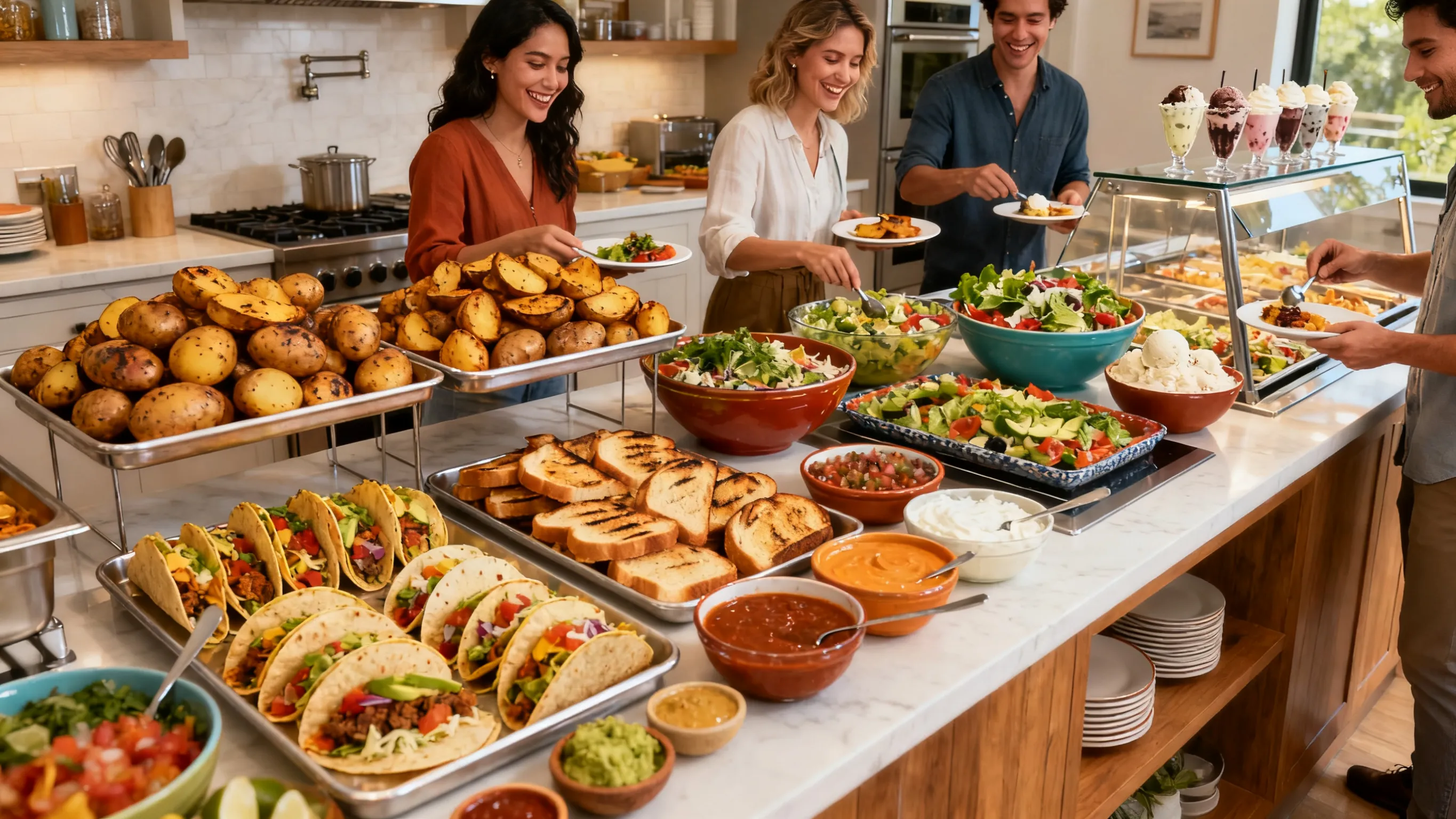
Let’s start with a story. Last December, my friend Clara decided to break from tradition. Instead of hosting a 20-person dinner, she invited a handful of close friends for a cozy potluck. The rule? Everyone brought a dish that held personal meaning, and no one was allowed to apologize for “store-bought” items. The evening unfolded with laughter, heartfelt stories, and a sense of ease that had been missing from her gatherings for years. Clara’s experience underscores a truth many overlook: perfection is not the goal; connection is.
Research from the University of California, Berkeley suggests that social rituals, like holiday gatherings, can significantly enhance well-being—but only when they feel authentic rather than performative. As Dr. Thomas Gilovich, a psychology professor at Cornell, once noted, “We are the sum total of our experiences.” Those experiences need not be extravagant to be meaningful.
Rethinking Traditions
Traditions anchor us, but they can also confine. Perhaps it’s time to ask: Which rituals still spark joy, and which have become burdens? In Japan, the concept of mottainai—a regret over waste—extends beyond objects to time and energy. Applying this mindset to the holidays might mean letting go of activities that no longer serve you.
For instance, not every gathering needs a meticulously curated menu or a spotless home. Some of the most memorable moments arise from spontaneity: a last-minute game of charades, an impromptu dance party, or simply sitting by the fireplace with a warm drink. As one lifestyle blogger shared, “The best holiday I ever had was when the power went out, and we told stories by candlelight. No distractions, just us.”
The Power of “Good Enough”
Society often equates effort with love, particularly during the holidays. But studies in behavioral psychology reveal that this mindset can backfire. A 2019 Harvard Business Review article highlighted the “perfect host paradox”: the more a host strives for flawlessness, the less guests enjoy themselves. Why? Because tension is contagious.
Instead, embrace the “good enough” philosophy. Opt for a mix of homemade and store-bought foods. Use disposable plates if it means more time with loved ones. Delegate tasks—whether it’s setting the table or organizing games—so no one person carries the weight. After all, as the ancient Greek poet Hesiod wrote, “Observe due measure, for right timing is in all things the most important factor.”
Creating Space for Connection
Modern holidays often resemble a whirlwind of activity: cooking, cleaning, exchanging gifts, and rushing from one event to the next. But what if you intentionally carved out moments of stillness?
Consider incorporating a “gratitude circle” where each person shares something they’re thankful for. Or design a “conversation corner” with comfortable seating and soft lighting, away from the noise of the main gathering. These small shifts can foster deeper interactions, moving beyond small talk to genuine connection.
Psychologist Arthur Aron’s research on interpersonal closeness shows that shared vulnerability—even in small doses—can strengthen bonds. You don’t need a structured activity to achieve this. Sometimes, it’s as simple as asking, “What’s a moment from this year that changed you?”
The Role of Environment
Our surroundings profoundly influence our mood and interactions. Soft lighting, soothing music, and natural decor can transform a space from chaotic to calming. Studies in environmental psychology, such as those published in the Journal of Environmental Psychology, indicate that warm, dimly lit spaces encourage relaxation and social intimacy.
Try swapping bright overhead lights for string lights or candles. Incorporate natural elements like pinecones, evergreen branches, or citrus fruits into your decor. These touches don’t require grand effort, but they evoke a sense of warmth and nostalgia.
Navigating Family Dynamics
For many, family dynamics are the elephant in the room during the holidays. Old tensions can resurface, and conflicting expectations may lead to friction. While there’s no one-size-fits-all solution, setting gentle boundaries can help.
Family therapist Dr. Harriet Lerner once wrote, “Boundaries are not walls. They are the gates and fences that allow us to enjoy our own garden.” This might mean limiting discussions on contentious topics or designating a “quiet room” for anyone needing a break. Remember, it’s okay to prioritize your peace.
Embracing Imperfection
Finally, release the need for control. Mishaps often become the stories we cherish most: the gravy that turned out lumpy, the dog that stole the turkey, the misplaced gift that showed up months later. These imperfections are not failures; they’re part of the tapestry of shared experiences.
As the writer Anne Lamott beautifully put it, “Perfectionism is the voice of the oppressor.” This holiday, give yourself permission to be messy, to laugh at the unexpected, and to focus on what truly matters—the people around you.
A New Blueprint for Joy
The holidays don’t need to be perfect to be beautiful. By simplifying traditions, embracing “good enough,” and prioritizing connection over perfection, you can create a gathering that feels both relaxed and meaningful. So this year, light a candle, pour a drink, and remember: the goal isn’t to host the most impressive party—it’s to create a space where everyone, including you, can truly enjoy themselves.
After all, the best holidays are not the ones that look perfect in photos, but the ones that feel perfect in memory.