Creative
Why Cold Minimalism Is Losing Its Charm in Home Design
Author: Sarah Mitchell

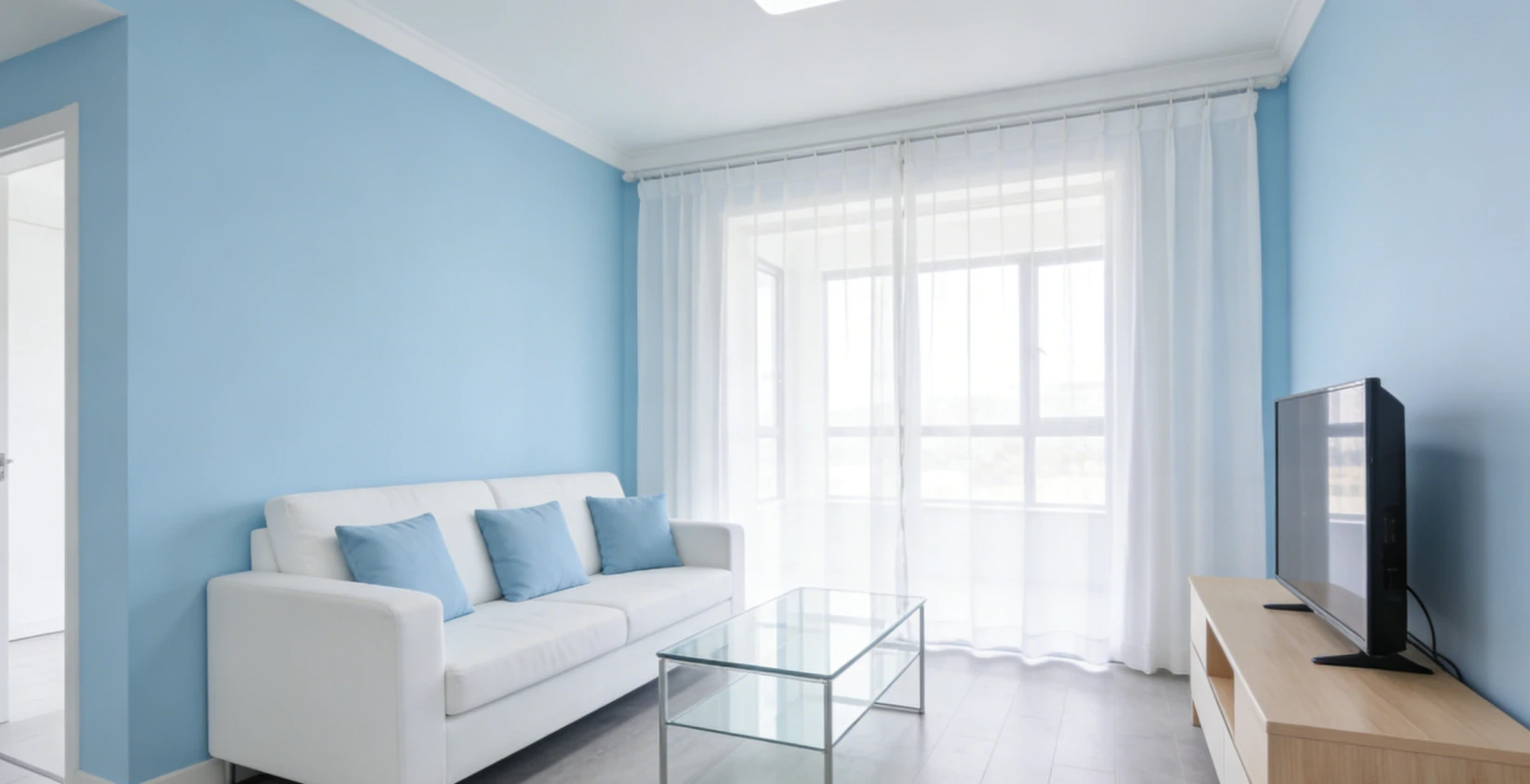
There’s a quiet shift happening in homes across the world. For years, cold minimalism—with its stark white walls, sparse furnishings, and almost surgical precision—reigned as the pinnacle of modern interior design. It promised clarity, efficiency, and a sense of control in an increasingly chaotic world. But lately, something feels off. The very aesthetic that once symbolized sophistication and mindfulness is starting to feel sterile, impersonal, and emotionally distant. Perhaps it’s the collective fatigue from years of global uncertainty, or maybe it’s a deeper, more intuitive craving for warmth and human connection. Whatever the reason, cold minimalism is losing its charm, and in its place, a more soulful, layered approach to home design is emerging.
The Rise and Reign of Minimalism
To understand why minimalism is receding, it helps to revisit its origins. The movement, deeply rooted in Japanese Zen philosophy and mid-century modernism, championed the idea that “less is more.” It was a reaction to post-war consumerism and clutter, advocating for clean lines, neutral palettes, and a focus on function. As Marie Kondo’s tidying phenomenon swept the globe, decluttering became almost a moral imperative. For a time, the minimalist home was a sanctuary—a blank slate in a noisy, overwhelming world.
But what began as a mindful practice soon morphed into a rigid aesthetic. Interiors started to look like showrooms rather than living spaces. A 2018 study published in the Journal of Environmental Psychology noted that overly sterile environments could inadvertently increase feelings of isolation. The very spaces meant to offer respite began to feel uninhabited, as if life itself had been edited out.
The Emotional Toll of Sterile Spaces
Human beings are sensory creatures. We thrive on texture, color, and the subtle imperfections that tell a story. Cold minimalism, in its purest form, denies many of these needs. Walking into a room where every surface is flawless and every object has its designated place can feel more like entering a museum than a home. There’s no room for spontaneity, for the stack of books on the bedside table, or the handmade mug that doesn’t quite match the others.
Dr. Elara Mitchell, an environmental psychologist, suggests that our surroundings play a critical role in emotional well-being. “Spaces that lack personal touches or visual warmth can subconsciously make us feel like guests in our own homes,” she explains. “We need environments that reflect our identities, our histories, and even our contradictions.” It’s no surprise, then, that during the pandemic—when homes became offices, schools, and sanctuaries all at once—many found minimalist interiors emotionally insufficient. The sameness of each day called for variety in our surroundings, not more uniformity.
The New Wave: Warm Minimalism and “Hygge” Influences
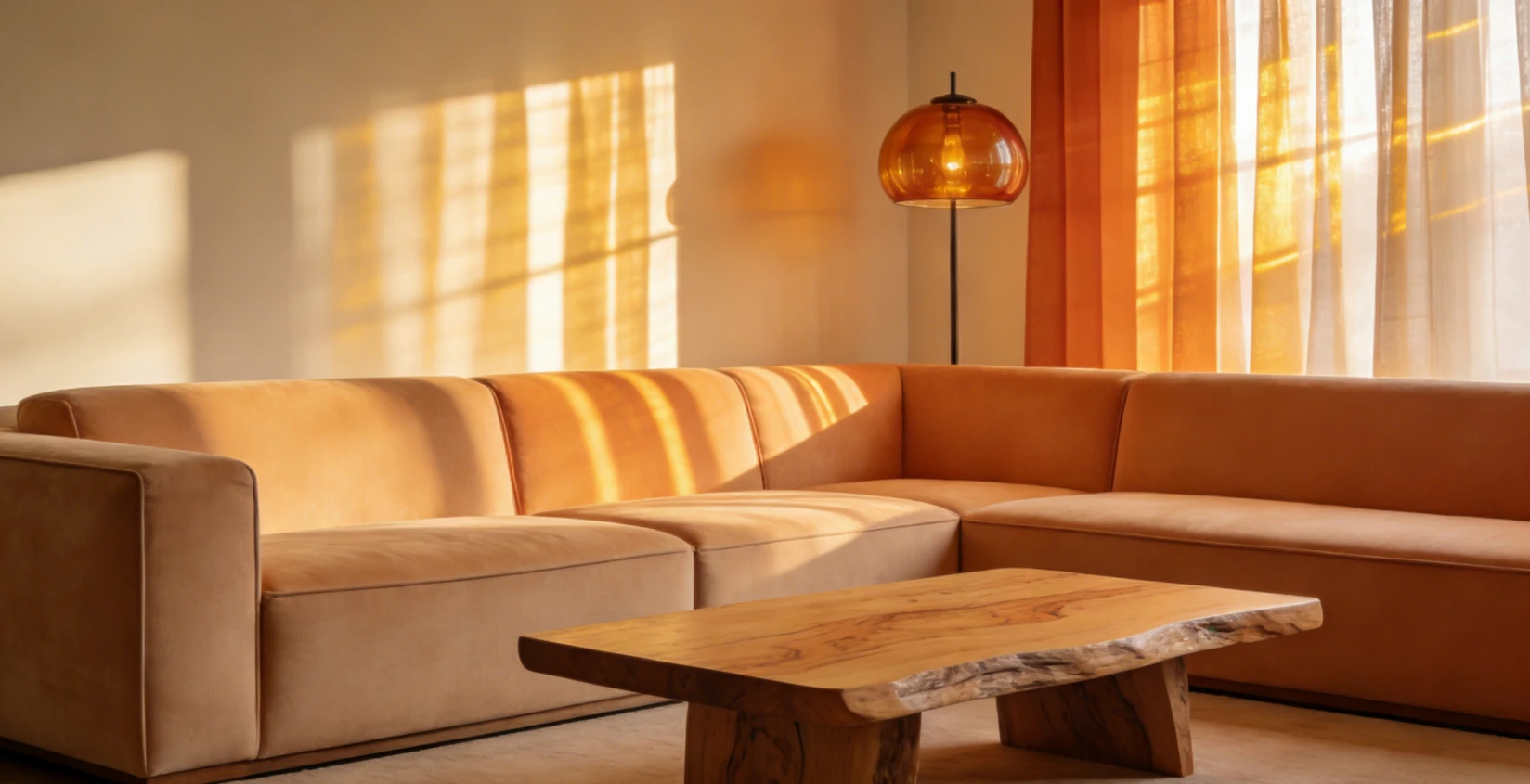
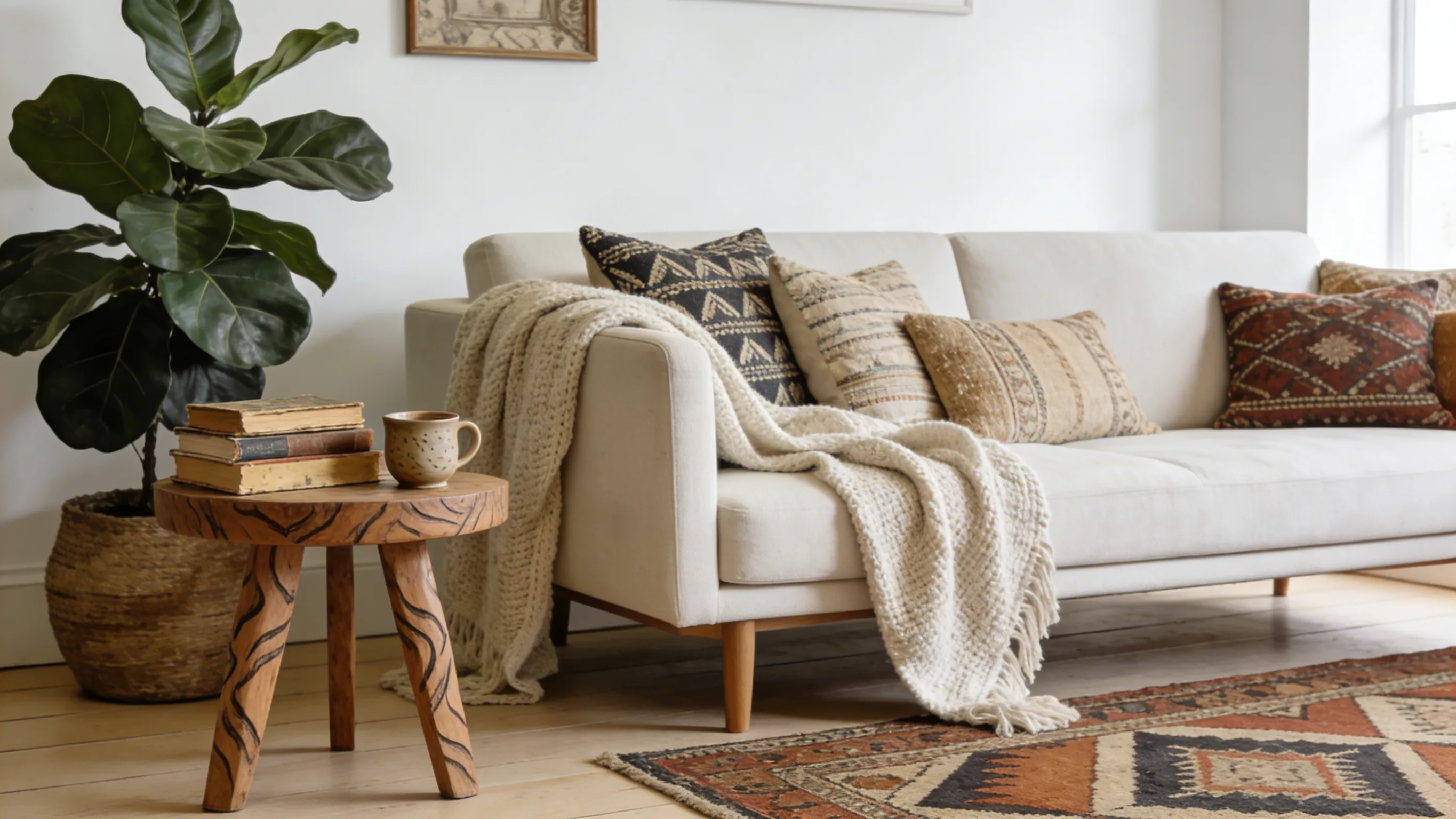
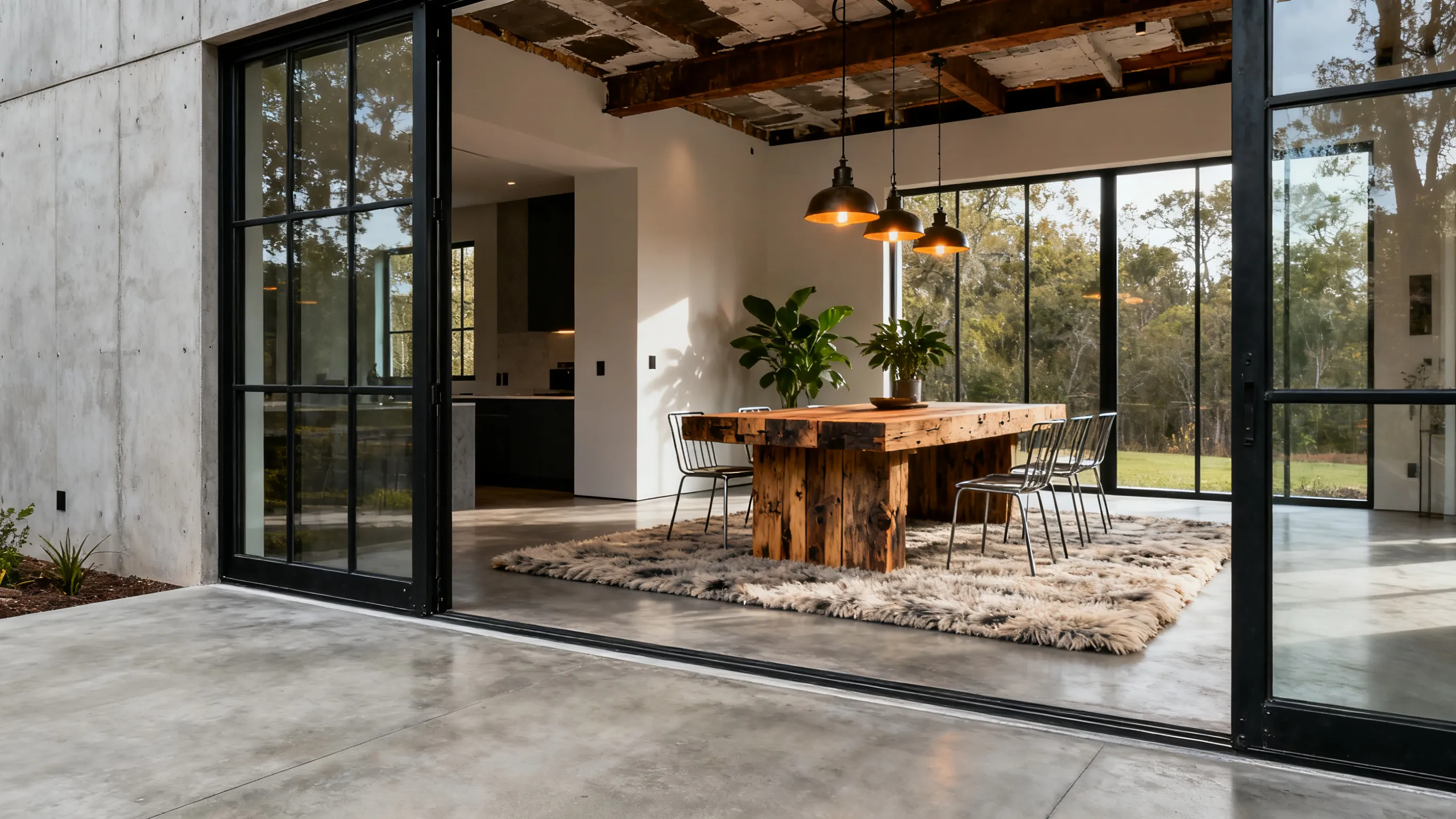
If cold minimalism is on the decline, what’s taking its place? Enter warm minimalism—a style that retains the simplicity and intentionality of its predecessor but introduces texture, natural materials, and subtle color. Think linen upholstery, reclaimed wood, terracotta pots, and handmade ceramics. This approach doesn’t abandon order but embraces a softer, more forgiving version of it.
The Danish concept of hygge has also left a significant mark. While not a design style per se, hygge emphasizes coziness, comfort, and contentment—elements that stark minimalism often lacks. It’s the difference between a sleek, metal chair and a well-worn armchair draped with a soft blanket. One is designed; the other is lived in. And increasingly, people are choosing the latter.
Social media reflects this shift. Instagram and Pinterest, once dominated by all-white interiors, are now filled with “grandmillennial” prints, vintage accents, and biophilic designs that incorporate plants and natural light. According to a 2022 report by the interior design platform Houzz, searches for “warm minimalism” and “organic modern” have risen by nearly 60% in the past two years.
Personalization Over Perfection
Another driving force behind this transition is the desire for individuality. In an age of mass production, our homes have become one of the last frontiers of personal expression. Minimalism, with its strict rules, often felt prescriptive—almost like a uniform. But today’s homeowners are mixing styles with confidence, blending mid-century furniture with ethnic textiles, or pairing minimalist architecture with maximalist art.
I recently visited the home of a friend who had once been a devout minimalist. Her apartment used to be an exercise in restraint: a neutral palette, nothing on the counters, no unnecessary decor. But last month, I walked into a space that felt entirely new. A vibrant kilim rug lay beside her sleek sofa; shelves were filled with books, photographs, and trinkets collected from her travels. When I asked what changed, she laughed. “I got tired of feeling like I was living in a hotel. Now my home actually feels like mine.”
Sustainability and the Rejection of Disposable Design
There’s also an ethical dimension to this shift. Minimalism, in some iterations, became synonymous with buying fewer but higher-end items. Yet this often encouraged a cycle of discarding the old in favor of the new—a practice at odds with growing environmental consciousness. Today, sustainability is no longer a niche concern but a central consideration in design. People are repurposing heirlooms, shopping for vintage pieces, and choosing materials with lower environmental impact.
As design critic Thomas Heatherwick argues in his book Humanise, “We’ve spent decades creating buildings and objects that are easy to mass-produce but hard to love.” The move away from cold minimalism is, in part, a rejection of this disposability. We want things that last, not just in structure but in spirit.
The Future of Home Design: Balanced, Human-Centric Spaces
So where does this leave us? It would be premature to declare minimalism dead—rather, it’s evolving. The future of home design seems to be leaning toward balance: spaces that are curated but not contrived, simple but not severe. It’s an approach that acknowledges the need for order without sacrificing warmth.
Perhaps what we’re witnessing is a broader cultural moment—a turn toward authenticity in all its forms. Our homes are becoming sanctuaries again, not because they’re free of clutter, but because they’re full of meaning. They tell our stories, reflect our values, and welcome us as we are, imperfections and all.
In the end, design should serve people, not the other way around. And as we rediscover what makes a house a home, cold minimalism may continue to fade, making room for spaces that breathe, comfort, and connect.