Creative
When Less Is Too Much: The Pitfalls of Stark Minimalism
Author: Sarah Mitchell

In the quiet corners of modern homes, a revolution has unfolded—one defined by clean lines, muted palettes, and the mantra of “less is more.” Minimalism, as a design philosophy, promised liberation from clutter, a sanctuary from the chaos of consumerism. Yet, as I sit in my own living room—a space once meticulously curated to embody this ideal—I can’t help but notice the chill in the air, the starkness that seems to echo rather than comfort. It’s a sentiment shared by many, perhaps even you. What happens when the pursuit of simplicity becomes a source of emptiness?
Minimalism, in its purest form, traces its roots to the post-war era, a reaction to excess and a celebration of functionality. Figures like Ludwig Mies van der Rohe championed designs where every element served a purpose. But somewhere along the way, this thoughtful approach morphed into what some critics now call “stark minimalism”—a trend so devoid of personality that it risks alienating the very people it aims to serve. As design historian Dr. Elena Torres notes, “Minimalism was never about emptiness; it was about intentionality. Yet, in the age of social media, we’ve seen it reduced to a sterile aesthetic, one that prioritizes appearance over lived experience.”
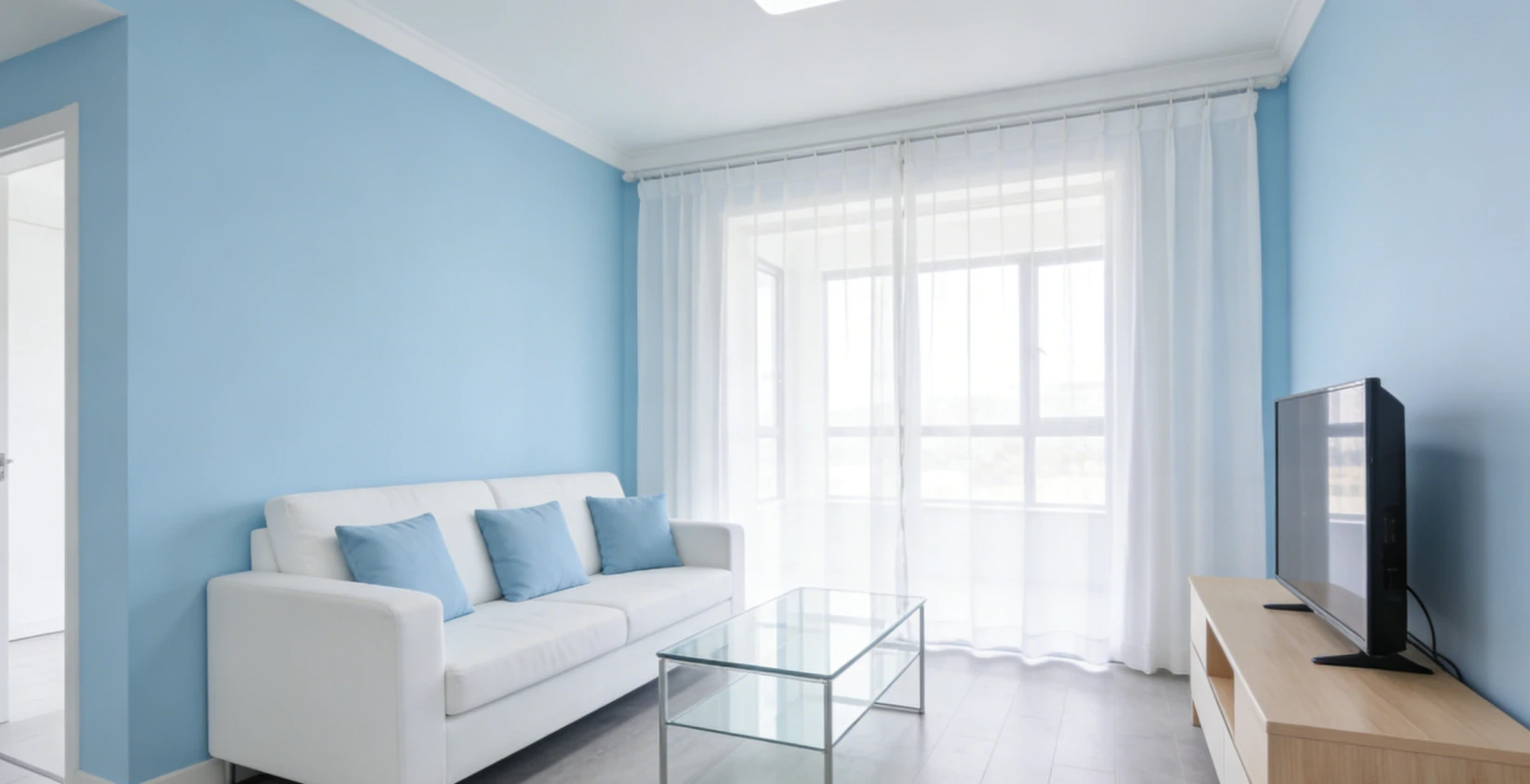
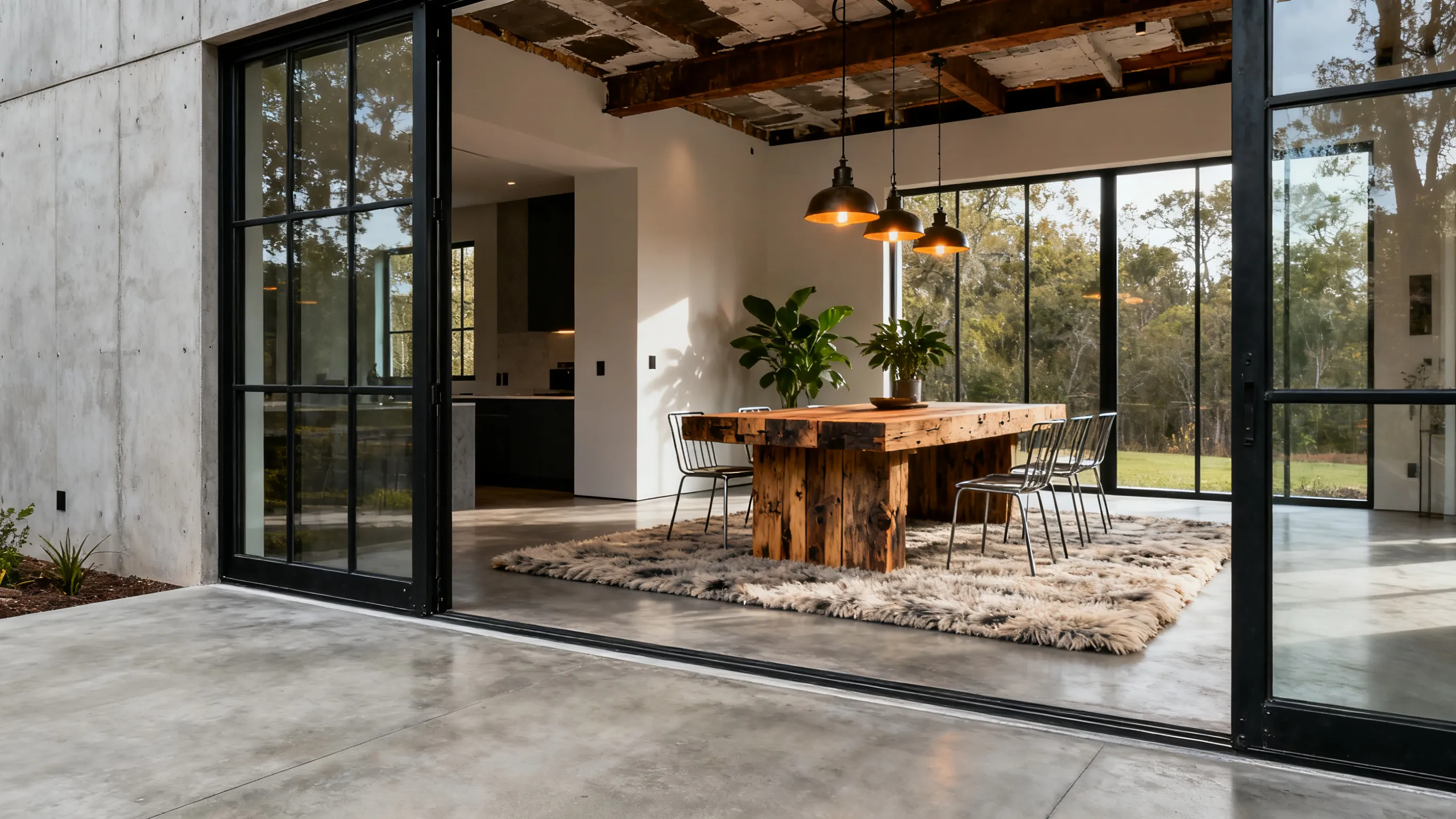
Walk into a starkly minimalist home today, and you might be struck by its visual appeal. White walls stretch uninterrupted, furniture sits in perfect alignment, and not a single trinket dares to disrupt the harmony. It’s a scene straight from a lifestyle influencer’s feed, but does it feel like home? Research from the Journal of Environmental Psychology suggests that overly sparse environments can evoke feelings of isolation. One study, for instance, found that participants in minimally decorated spaces reported higher levels of stress compared to those in more personalized settings. “Humans are wired for connection,” the study’s lead author, Dr. Michael Reed, explains. “When our surroundings lack warmth or narrative, it can subtly undermine our sense of belonging.”
Consider the story of Anna, a graphic designer from Berlin. She spent years refining her apartment into a minimalist haven, paring down her possessions to the essentials. “At first, it felt freeing,” she recalls. “But over time, the silence became overwhelming. I missed the quirks—the faded rug from my grandmother, the messy stack of books by my bedside. My home felt like a hotel room, not a reflection of who I am.” Anna’s experience isn’t unique. Interior therapist Mara Lee observes that many of her clients confuse minimalism with deprivation. “They strip away too much, leaving behind a void. A home should tell a story, not erase it.”
Part of the problem lies in the commercialization of minimalism. What began as a philosophical stance has been co-opted by brands selling the “minimalist lifestyle” as a product. Scroll through any design blog, and you’ll find countless articles touting the “must-have” items for achieving minimalism—often expensive, mass-produced pieces that ironically contribute to consumerism. As sustainability advocate Liam Chen argues, “This version of minimalism is a paradox. It preaches simplicity while fueling consumption. People are buying their way into emptiness.”
But does this mean we should abandon minimalism altogether? Not necessarily. Some scholars, like Dr. Hannah Weiss, propose a shift toward “warm minimalism”—an approach that balances simplicity with humanity. “Think of it as curated simplicity,” she says. “It’s about retaining objects that hold meaning while eliminating the noise. A single handmade pottery bowl on a shelf can add more soul than a room full of generic decor.” This nuanced perspective acknowledges that minimalism isn’t a one-size-fits-all solution. It’s a tool, not a dogma.
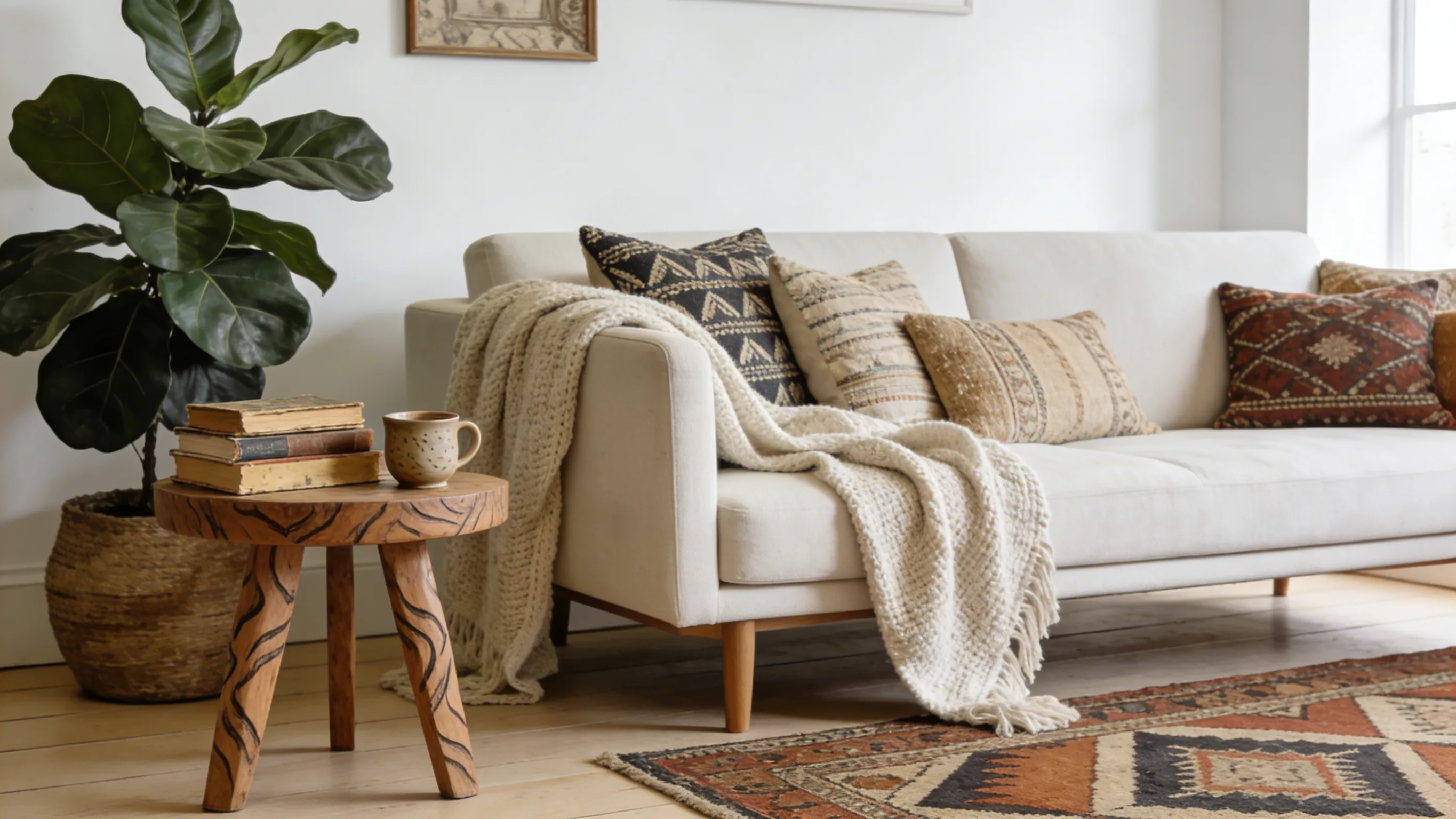
In my own journey, I’ve learned to embrace this balance. The blank walls in my home now feature a small gallery of family photos—a mix of frames in varying sizes. My sofa, once a stark gray piece, is adorned with a colorful throw knitted by my mother. These additions didn’t bring back the clutter; they brought back the joy. It’s a reminder that design should serve us, not the other way around.
Of course, the appeal of stark minimalism isn’t entirely unfounded. For some, it offers a respite from the sensory overload of modern life. But when does it cross the line? According to architectural psychologist Dr. Sofia Martinez, “The tipping point is when aesthetics override well-being. If a space feels more like a showroom than a sanctuary, it’s time to reassess.” She points to the growing trend of “biophilic design,” which integrates natural elements into interiors, as a counter-movement. “Plants, textured woods, and natural light can soften minimalism’s edges, making it feel inviting rather than austere.”
Yet, the dominance of stark minimalism in popular culture persists. From Netflix series to luxury real estate listings, the aesthetic is portrayed as the pinnacle of sophistication. But as cultural critic Jenna Lowe notes, “This portrayal often ignores the cultural and economic privilege required to maintain such spaces. For many, a ‘minimalist’ home isn’t a choice—it’s a necessity born of circumstance.” This disconnect highlights the importance of contextualizing design trends rather than treating them as universal ideals.
So, where do we go from here? The answer might lie in redefining what minimalism means on a personal level. For some, it’s about digital decluttering; for others, it’s about fostering community through shared spaces. As author and minimalist advocate Marie Kondo once said, “The goal isn’t to have as little as possible but to surround yourself with what truly sparks joy.” Perhaps it’s time to expand this philosophy beyond our possessions to include our emotional and psychological needs.
In the end, the pitfalls of stark minimalism teach us a valuable lesson: design is not just about how things look but how they make us feel. A home should be a canvas for our lives—a place where memories are made and stories unfold. If your minimalist journey has left you feeling detached, don’t be afraid to reintroduce a little chaos. After all, as the Japanese concept of wabi-sabi reminds us, there is beauty in imperfection.
As I look around my living room now, with its slight disarray and hints of personal history, I feel a sense of peace that stark minimalism never provided. Maybe, just maybe, the secret to a fulfilling home isn’t in having less—but in having just enough.