Creative
The Ultimate Guide to Cleaning Kitchen Drains Without Chemicals
Author: Lauren Hayes

There’s something uniquely satisfying about a smoothly running kitchen sink—until the day it isn’t. You notice the water pooling, the faint, unpleasant odor, and the reluctant gurgle as it drains. For many, the immediate instinct is to reach for a chemical drain cleaner, promising swift results with minimal effort. But what if there were gentler, equally effective ways to tackle this common household issue?
Let’s start with a story. My grandmother, who grew up in an era before chemical solutions dominated supermarket aisles, once taught me a trick involving baking soda, vinegar, and boiling water. She’d swear by it, claiming it cleared clogs and kept her pipes “happy.” Decades later, science backs her up. According to a study published in the Journal of Environmental Health, combining baking soda and vinegar creates a fizzy reaction that can break down minor organic blockages, while boiling water helps flush away residual grease.
But before diving into solutions, it’s worth asking: why avoid chemical cleaners in the first place? For one, many commercial drain cleaners contain sodium hydroxide or sulfuric acid, which can corrode pipes over time. The EPA has noted that these substances may also pose risks to aquatic life when they enter waterways. Then there’s the smell—the sharp, artificial odor that lingers in the air long after the clog is gone. Perhaps most importantly, chemicals often provide a temporary fix without addressing the root of the problem.
So, what are the alternatives?
The Baking Soda and Vinegar Method
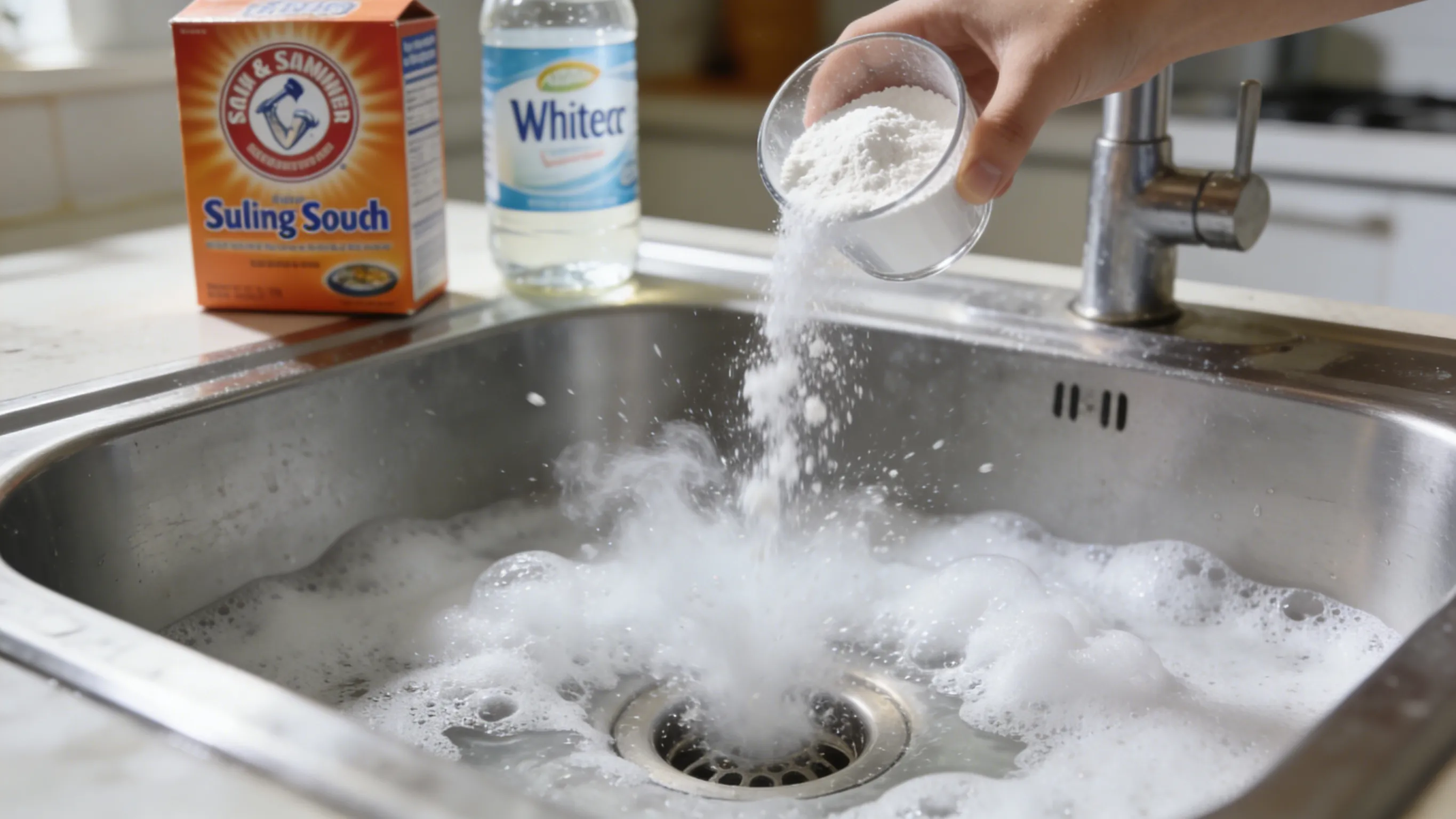
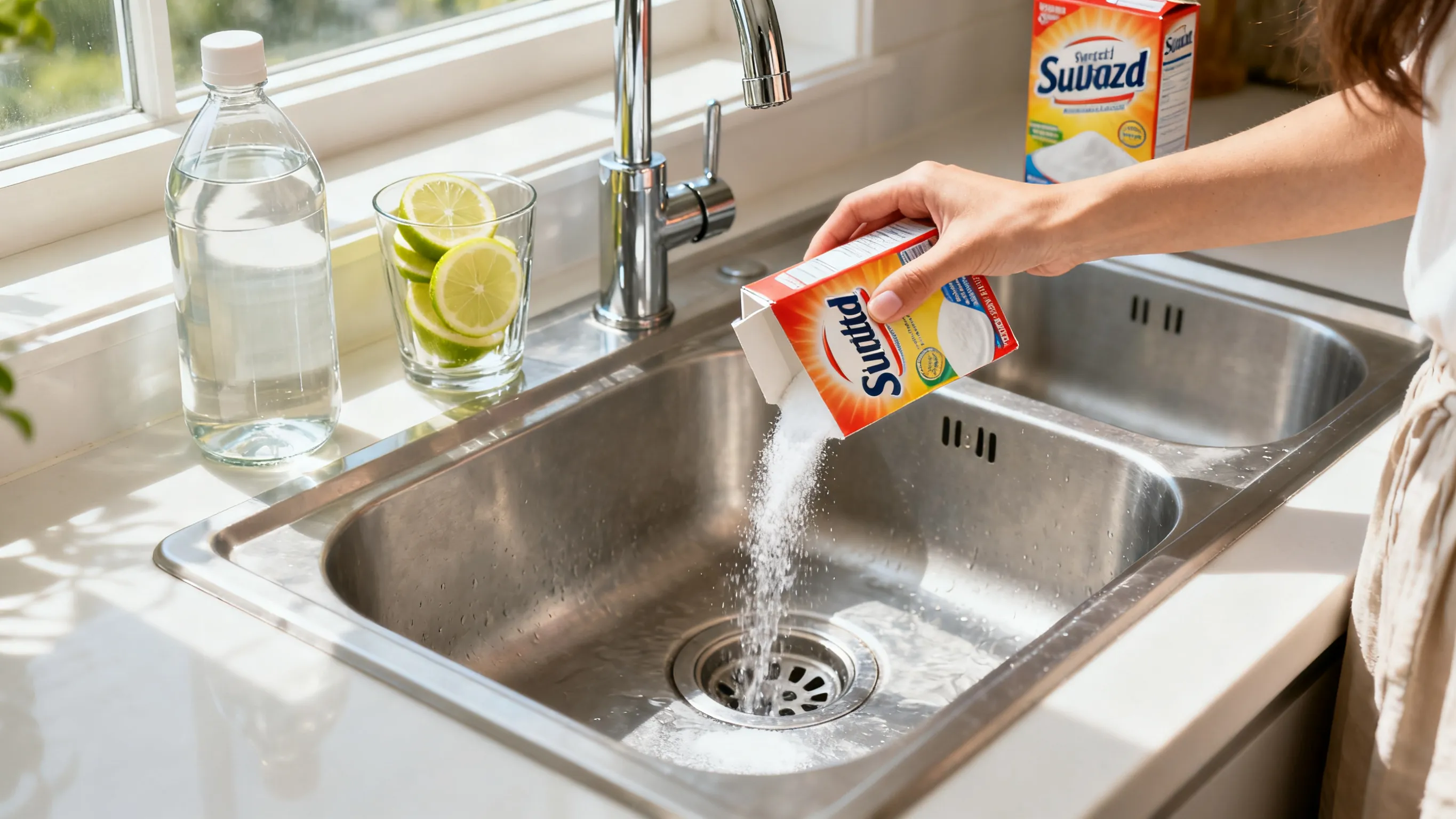
This classic approach is more than just a DIY trend. Start by pouring half a cup of baking soda directly into the drain. Follow it with a mixture of one cup of vinegar and one cup of hot water. The fizzing action helps dislodge debris, while the abrasive texture of baking soda scrubs the pipe walls. Let it sit for 15–20 minutes, then flush with boiling water. Some plumbers, like James Harrison of ProPipe Solutions, caution that this method works best for minor clogs and should be used preventatively rather than as a cure for severe blockages.
The Salt and Borax Combo
For tougher grime, try mixing ¼ cup of salt with ¼ cup of borax. Pour the mixture into the drain, followed by boiling water. Let it sit overnight. Borax, a naturally occurring mineral, acts as a gentle abrasive and disinfectant. As one home maintenance blog, The Practical Home, notes, this method is particularly effective for dealing with soap scum and food residue.
Mechanical Solutions: The Plunger and Drain Snake
Sometimes, non-chemical methods require a bit of elbow grease. A plunger can work wonders on sinks, creating pressure that dislodges blockages. For deeper clogs, a drain snake—a flexible, coiled tool—can reach into pipes and physically remove obstructions. Mike Powell, a veteran plumber with 20 years of experience, emphasizes that “prevention is key.” He recommends using drain strainers to catch food particles and avoiding pouring fats or oils down the sink.
The Power of Boiling Water and Dish Soap
For grease-related clogs, boiling water combined with a squirt of dish soap can be surprisingly effective. The heat liquefies solidified fats, while the soap emulsifies them, making it easier for water to wash them away. This method, however, should be used with caution in PVC pipes, as excessive heat can damage them.
Enzyme Cleaners: A Middle Ground
If you’re looking for a store-bought yet eco-friendly option, enzyme-based drain cleaners are worth considering. These products use natural bacteria to break down organic matter. While they work slower than chemical alternatives, they’re gentler on pipes and the environment. A 2021 review in Green Home Journal highlighted enzyme cleaners as a sustainable choice for routine maintenance.
But why do we often overlook these simple solutions? Part of it is convenience. Chemical cleaners promise quick fixes, while natural methods require a bit more patience and effort. Yet, as Dr. Lena Mitchell, an environmental scientist, points out, “We’re increasingly aware of the long-term impacts of household chemicals on both our health and the planet. Small changes in our routines can make a significant difference.”
In my own kitchen, I’ve made it a habit to pour leftover boiling water from cooking pasta down the drain weekly. It’s a small act, but it’s become part of a larger rhythm—a conscious effort to maintain my home without relying on harsh chemicals.
Of course, not every method works for every situation. Older homes with corroded pipes may require professional intervention. And while natural solutions are effective for maintenance, severe clogs might still need mechanical or professional attention. The key is to experiment and find what works for your home.
In the end, cleaning kitchen drains without chemicals isn’t just about avoiding toxins—it’s about rethinking our relationship with maintenance. It’s a shift from reactive to proactive, from temporary fixes to sustainable habits. And who knows? Maybe, like my grandmother, you’ll discover a method that becomes a cherished part of your household lore.
So the next time your kitchen drain slows, consider reaching for the baking soda instead of the bleach. Your pipes—and the planet—might thank you.