Creative
How to Remove Bad Odors from Your Drains Naturally

The scent of home. It’s a powerful, often subconscious, anchor to our sense of comfort and well-being. We fill our spaces with the aroma of fresh coffee, baked bread, or a favorite candle. But what happens when the foundational scent of the home itself turns against us? Not from the trash can or the litter box, but from somewhere more insidious, more embedded in the very architecture of our daily lives: the drain.
That faint, musty whiff from the kitchen sink when you run the disposal. The occasional sulfurous puff from the bathroom shower. These are more than mere annoyances; they are signals. They tell a story of what’s happening in the dark, damp pipes beneath our homes. And while reaching for a caustic, chemical drain cleaner might be the first impulse, there’s a compelling case to be made for a gentler, more natural path. This isn’t just about masking a smell—it’s about understanding its origin and restoring balance to a small but vital ecosystem in your home.
The Unseen World Beneath the Sink: Why Drains Smell
To solve a problem, you must first diagnose it. The unpleasant odors emanating from drains are rarely mysterious. They are the olfactory evidence of a microbial party you didn’t invite.
The primary culprit, according to microbiologists and plumbing experts, is a biofilm. “Think of it as a slimy, living carpet that coats the inside of your pipes,?explains Dr. Lena Schmidt, an environmental microbiologist whose research focuses on household microbial communities. “This biofilm is a complex matrix of bacteria, fungi, and other microorganisms. They feed on the organic matter that goes down our drains—food scraps, soap scum, hair, skin cells, toothpaste. As they metabolize this material, they produce volatile organic compounds, or VOCs. Those VOCs are what we smell.?/p>
The most common offenders are sulfur-reducing bacteria. In the oxygen-poor environment of a drain pipe, these microbes thrive, breaking down organic matter and releasing hydrogen sulfide gas—the classic “rotten egg?smell. Other bacteria can produce compounds that smell musty, sour, or like decay. It’s a natural process, but one we understandably wish to manage.
Chemical drain cleaners promise a scorched-earth solution. They use powerful bases (like lye) or acids to dissolve clogs and, theoretically, the biofilm. But the efficacy is often short-lived and the cost is high. These chemicals are highly corrosive, posing risks to your pipes (especially older metal ones), your skin, and your respiratory system. They create toxic fumes and can wreak havoc on septic systems and municipal water treatment facilities by killing the beneficial bacteria needed for waste processing. As noted in a 2022 report by the Environmental Working Group, many conventional drain products contain chemicals linked to respiratory irritation and environmental toxicity.
Perhaps most frustratingly, they often fail to address the root cause. They may clear a immediate clog but leave remnants of the biofilm intact, allowing the odor-causing colony to regroup and return within weeks. The cycle continues.
The Natural Arsenal: Harnessing Kitchen Chemistry
The alternative lies not in the hardware store’s hazardous materials aisle, but in your pantry. The principles of natural drain cleaning are simple: disrupt the biofilm, neutralize acidic or basic conditions that favor certain bacteria, and flush the system. The tools are humble, safe, and astonishingly effective.
The Dynamic Duo: Baking Soda and Vinegar
This classic combination is more than a grade-school volcano project. It’s a potent one-two punch against drain odors.
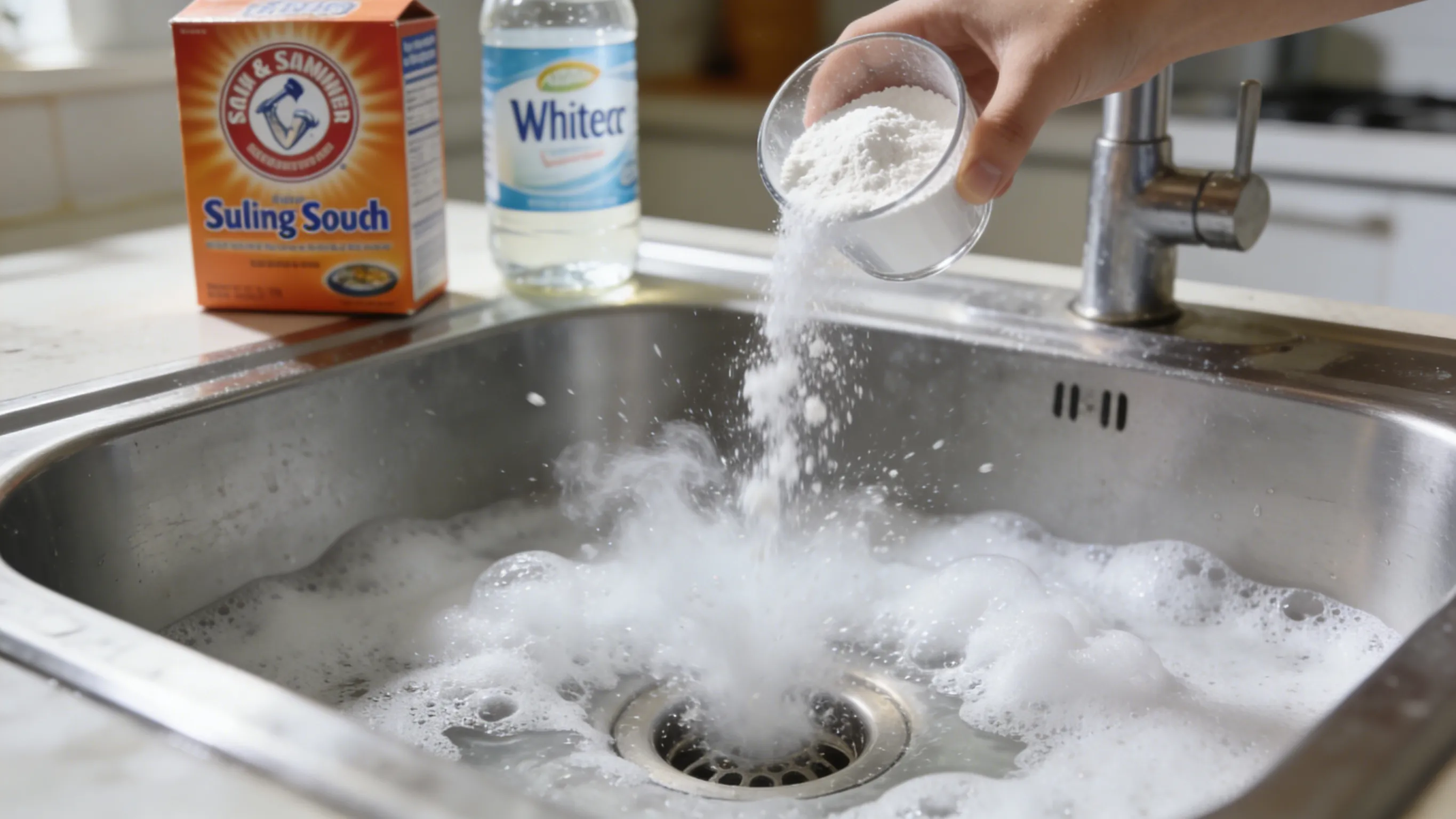
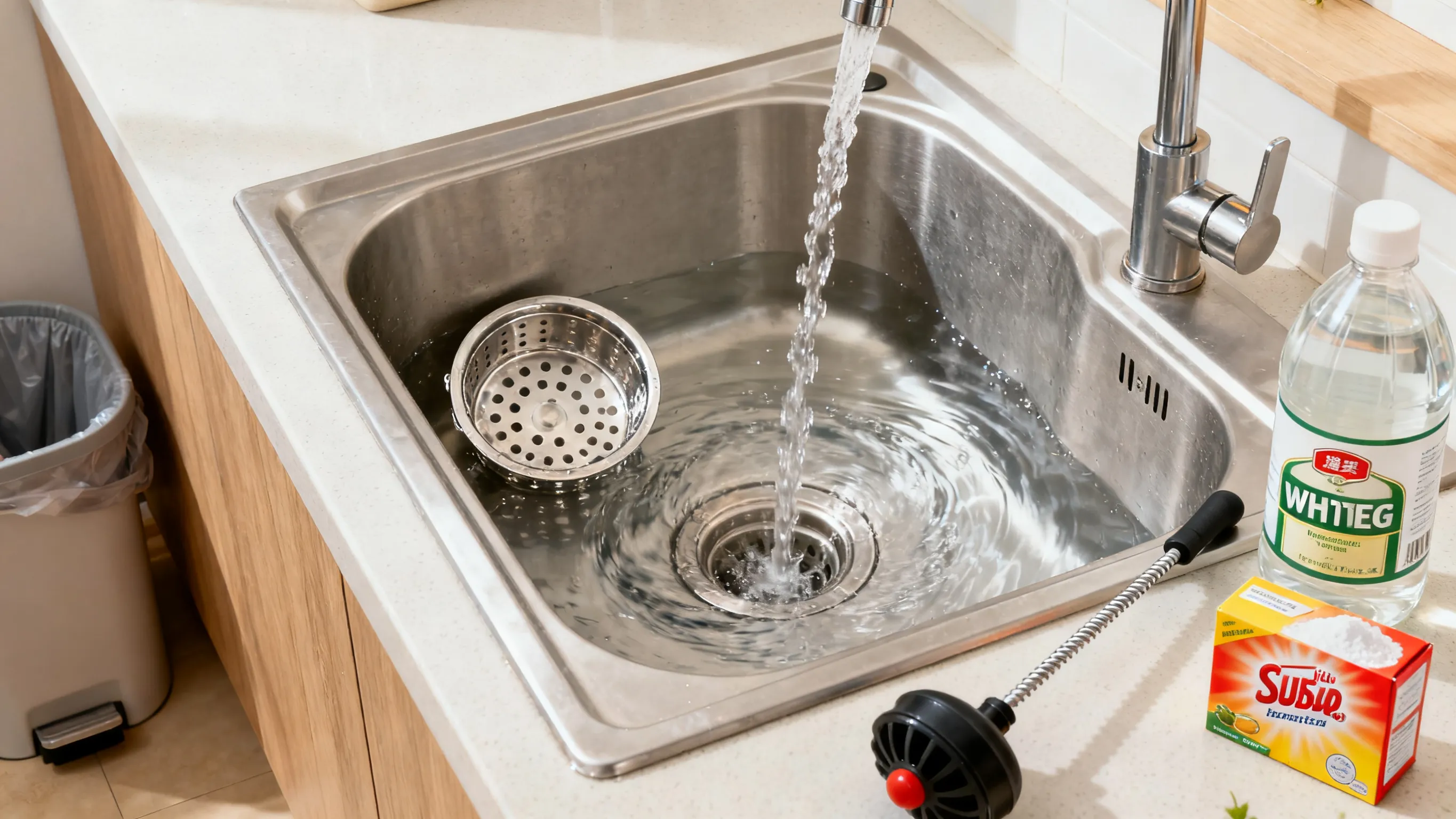
- The Scouring Agent: Start with about half a cup of baking soda (sodium bicarbonate). Pour it directly down the dry drain. Baking soda is a mild abrasive. As it moves down the pipe, its granular texture helps scrub away at the physical structure of the biofilm. It’s also a natural deodorizer, absorbing and neutralizing odor molecules rather than just covering them up.
- The Acidic Reactant: Follow this with one cup of white distilled vinegar. The reaction is immediate and fizzy. This effervescence is carbon dioxide gas being released, which creates a scrubbing, bubbling action that helps to further loosen the gunk clinging to the pipe walls. More importantly, vinegar (acetic acid) is a mild disinfectant. Research, including a study published in mBio, has shown that acetic acid can disrupt bacterial biofilms and inhibit their growth. It changes the pH of the environment, making it less hospitable for many odor-causing microbes.
- The Patience Period: This is crucial. Cover the drain with a plug or a wet cloth and let the mixture sit for at least 30 minutes, or ideally an hour. This gives the chemical and mechanical actions time to work.
- The Grand Flush: Finish by pouring a kettle of very hot (but not boiling, to avoid damaging PVC pipes) water down the drain. This final rinse washes away the dissolved grime and the neutralized baking soda-vinegar solution.
I recall a particularly stubborn odor in my own kitchen sink that resisted all quick fixes. It was a damp, food-tinged smell that lingered. After a weekend of cooking, I committed to the full process. The satisfying hiss from the drain felt like a small victory. An hour later, the flush of hot water seemed to carry away not just the solution, but the very essence of the problem. The next morning, the sink smelled of nothing—which was exactly the point.
The Power of Boiling Water and Salt
For maintenance or milder odors, simplicity reigns supreme. A weekly regimen of flushing drains with a pot of boiling water (again, caution with PVC) can melt away accumulating fats and oils before they solidify and trap debris. For a bit more abrasive power, combine half a cup of table salt with a kettle of boiling water. The salt acts as a gentle scouring agent and can help dehydrate and disrupt microbial cells. Pour it down, let it sit for a few minutes, then follow with regular hot water. It’s a no-fuss, virtually cost-free habit that can prevent problems from taking root.
The Citrus Boost: Lemon and Essential Oils
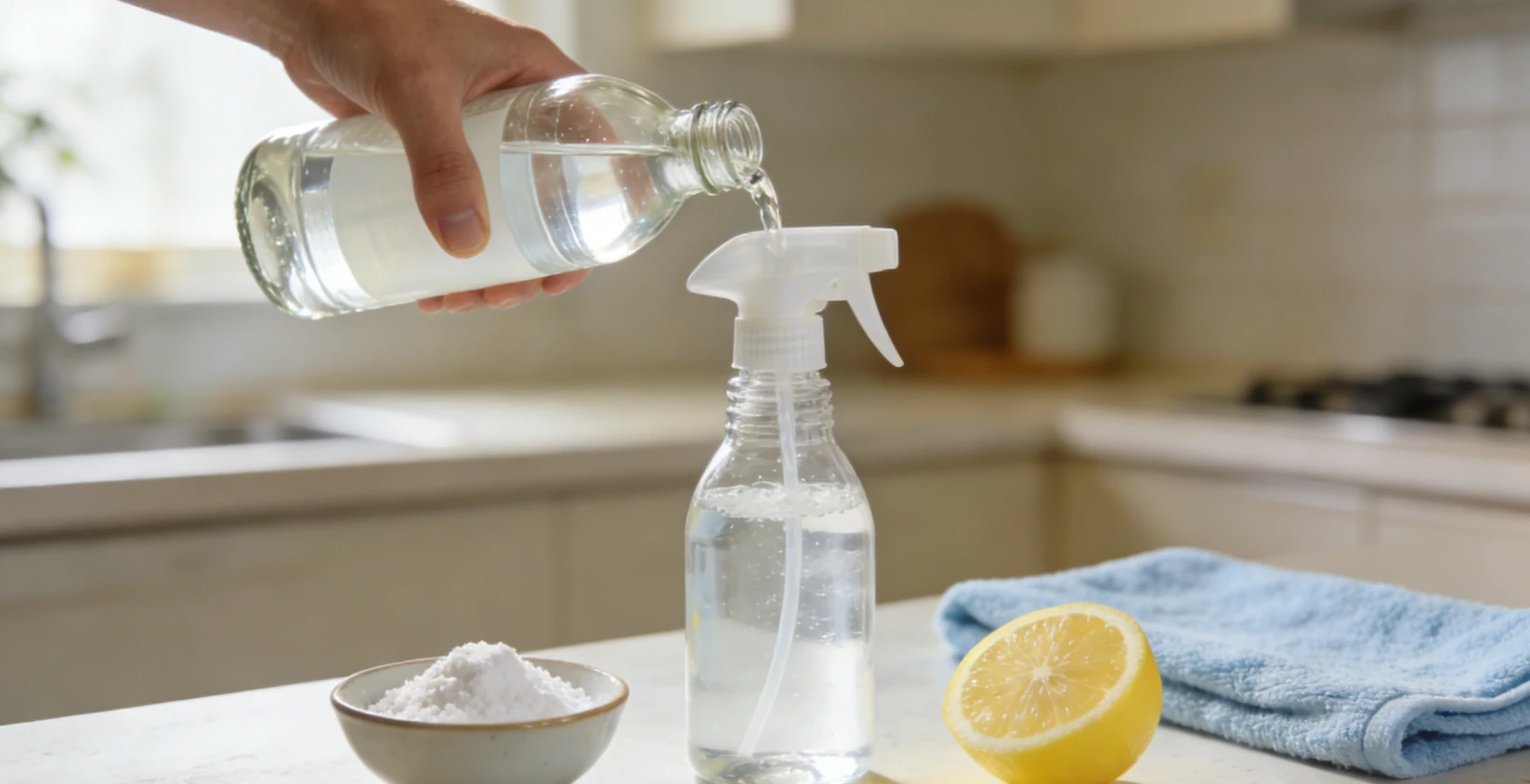
Sometimes, the goal isn’t just neutrality, but a fresh, clean scent. This is where nature’s aromatics come in. The citric acid in lemon juice has mild antibacterial properties and a bright, clean scent. After using the baking soda and vinegar method, running a few lemon peels through the garbage disposal (with cold water) can leave a refreshing aroma. The coarse peels help clean the disposal blades as well.
For a more targeted approach, a few drops of antibacterial essential oils like tea tree, lemon, or eucalyptus can be added to the baking soda before pouring it down the drain. Tea tree oil, in particular, has been studied for its biofilm-disrupting capabilities. A 2019 review in the Journal of Applied Microbiology highlighted its efficacy against a range of bacterial strains. The baking soda carries the oil into the pipe, where it can work on the biofilm while leaving a pleasant, therapeutic trace scent.
Beyond the Quick Fix: Habits for a Permanently Fresh Drain
Natural remedies are powerful, but they work best within a framework of mindful habits. Odor prevention is a game of denial—starving the biofilm of its favorite foods.
- The Kitchen: Never pour fats, oils, or grease (FOG) down the drain. This is the cardinal rule. As they cool, they solidify into a sticky, clog-forming matrix that traps all other debris. Instead, wipe pans with a paper towel and dispose of it in the trash, or collect grease in a jar. Use sink strainers to catch food particles. And always run cold water—not hot—when using the garbage disposal, as cold water helps solidify fats so they can be chopped up and flushed away more effectively.
- The Bathroom: Install hair catchers in shower and sink drains. Hair is the primary scaffold upon which soap scum and biofilm build. Be mindful of what goes down the sink: excessive toothpaste, shaving cream, and certain thick hair products can contribute to buildup. A monthly flush with baking soda and vinegar can keep things in check.
- The Forgotten Drains: Floor drains in basements, laundry sinks, and guest bathroom showers that are rarely used have a special problem: the water in their P-traps can evaporate. The P-trap is that U-shaped bend in the pipe under every drain. It holds a standing column of water that acts as a seal, preventing sewer gases from coming back up into your home. If this evaporates, you get a direct line to the sewer. The fix is simple: periodically pour a gallon of water down infrequently used drains to refill the trap.
When Nature Needs a Backup: Recognizing Limits
The natural approach is powerful for maintenance and odor elimination, but it is not a magic bullet for severe mechanical blockages. If you have a complete clog that prevents water from draining at all, the baking soda and vinegar reaction won’t reach the problem area; it will just sit on top of the standing water. In such cases, a mechanical solution like a plunger or a drain snake (a flexible, manual auger) is the appropriate first line of defense. These tools physically break up or retrieve the clog.
Persistent, severe odors, especially those that smell like raw sewage throughout the house, can indicate a larger problem: a damaged sewer vent pipe, a broken seal, or a deep clog in the main line. These are instances where the expertise of a professional plumber is not just recommended, but necessary. They have diagnostic tools, like pipe cameras, to see exactly what’s happening in the hidden arteries of your home.
The Philosophy of a Natural Home
Choosing to tackle drain odors naturally is a small but meaningful act. It’s a shift in perspective from viewing our homes as sterile boxes to be sanitized, to understanding them as interconnected systems where we can work with natural processes rather than launching a chemical war against them. It’s about efficacy paired with safety, for our families, our pets, and our local waterways.
The satisfaction is twofold. There’s the immediate, tangible result: a sink that smells of nothing, a shower that offers only the scent of your soap. Then, there’s the deeper, quieter satisfaction of having solved a problem with knowledge, patience, and simple ingredients. You’ve listened to what your home was telling you, diagnosed the issue, and applied a gentle, restorative remedy. In a world of complex, packaged solutions, there is a profound simplicity in watching baking soda and vinegar—two staples sitting quietly in your cupboard—fizz away a nuisance, leaving behind only cleanliness and calm. That, in the end, is the true scent of a well-cared-for home.