Creative
Sustainable Living: Eco-Chic Trends for a Greener Home
Author: Emily Carter

In an era where climate change dominates headlines and plastic waste chokes our oceans, the concept of sustainability has evolved from a niche interest to a mainstream lifestyle. Yet, for many, the idea of “going green” still conjures images of sacrifice, minimalism, or bland aesthetics. But what if sustainability could be stylish, practical, and seamlessly integrated into our daily lives? The answer lies in the rise of eco-chic home trends—a movement that marries environmental responsibility with design elegance.
The Allure of Eco-Chic
Eco-chic is more than a buzzword; it’s a philosophy that redefines what it means to live well. As environmental advocate and designer Emma Watson once noted, “Sustainability is not about giving up what we love but reimagining it.” This sentiment resonates deeply in the world of home design, where eco-conscious choices are no longer limited to hemp curtains or recycled cardboard furniture. Today, sustainability embraces innovation, beauty, and comfort.
Take, for instance, the growing popularity of biophilic design. Rooted in the idea that humans have an innate connection to nature, this trend integrates natural elements into indoor spaces. Think living walls adorned with cascading ferns, reclaimed wood flooring that tells a story, and large windows that flood rooms with sunlight. Studies, such as those conducted by the University of Exeter, suggest that incorporating natural elements into our surroundings can boost productivity, reduce stress, and improve air quality. It’s a trend that proves practicality and aesthetics are not mutually exclusive.
Materials Matter: The Shift to Conscious Sourcing
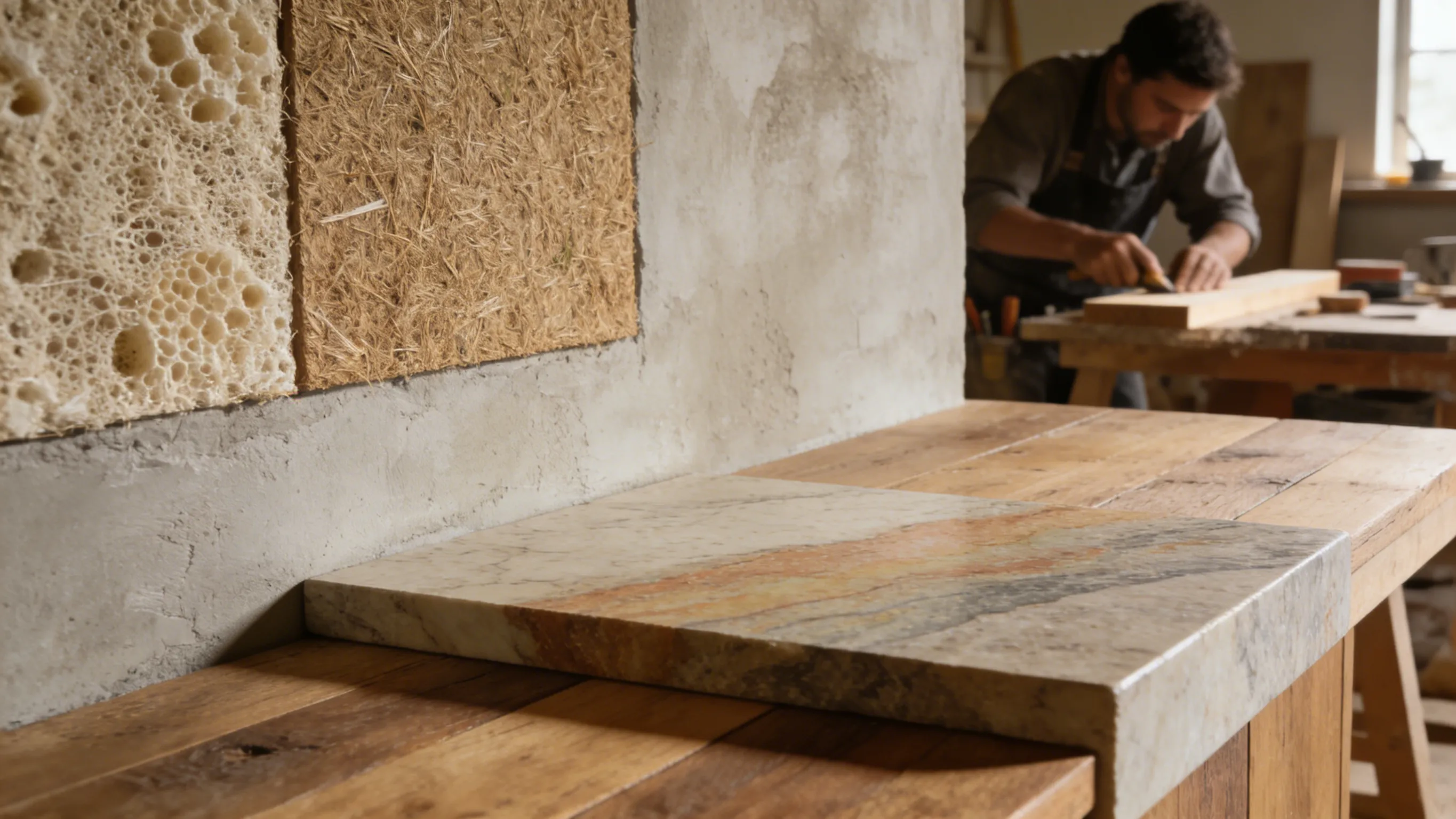
One of the cornerstones of eco-chic living is the emphasis on sustainable materials. Bamboo, for example, has emerged as a superstar in home furnishing. Unlike traditional hardwood, bamboo grows rapidly, requires minimal water, and regenerates without the need for replanting. Its versatility shines in everything from cutting boards to flooring, offering durability and a sleek, modern finish.
Similarly, recycled metals and glass are making waves in kitchen and bathroom designs. Brands like Kohler and IKEA have pioneered lines that incorporate post-consumer waste into stunning fixtures and accessories. A recent report by the World Green Building Council highlighted that using recycled materials can reduce a household’s carbon footprint by up to 30%. Yet, some critics argue that the energy-intensive processes involved in recycling certain materials may offset these benefits. This ambiguity reminds us that sustainability is a journey, not a destination.
Then there’s the revival of vintage and upcycled furniture. Scouring flea markets or inheriting a grandmother’s armchair isn’t just nostalgic—it’s an act of environmental stewardship. By giving old items a new life, we reduce waste and infuse our homes with character. As one Berlin-based interior designer shared, “Every scratch on a vintage table tells a story. Mass-produced items can’t replicate that.”
Energy Efficiency Meets Elegance
The quest for a greener home extends beyond materials to energy consumption. Smart home technology, once a luxury, is now accessible and eco-friendly. Programmable thermostats like Nest Learning Thermostat adapt to your habits, optimizing heating and cooling to slash energy bills. Solar panels, once clunky eyesores, have evolved into sleek, integrated systems that blend seamlessly with rooftops.
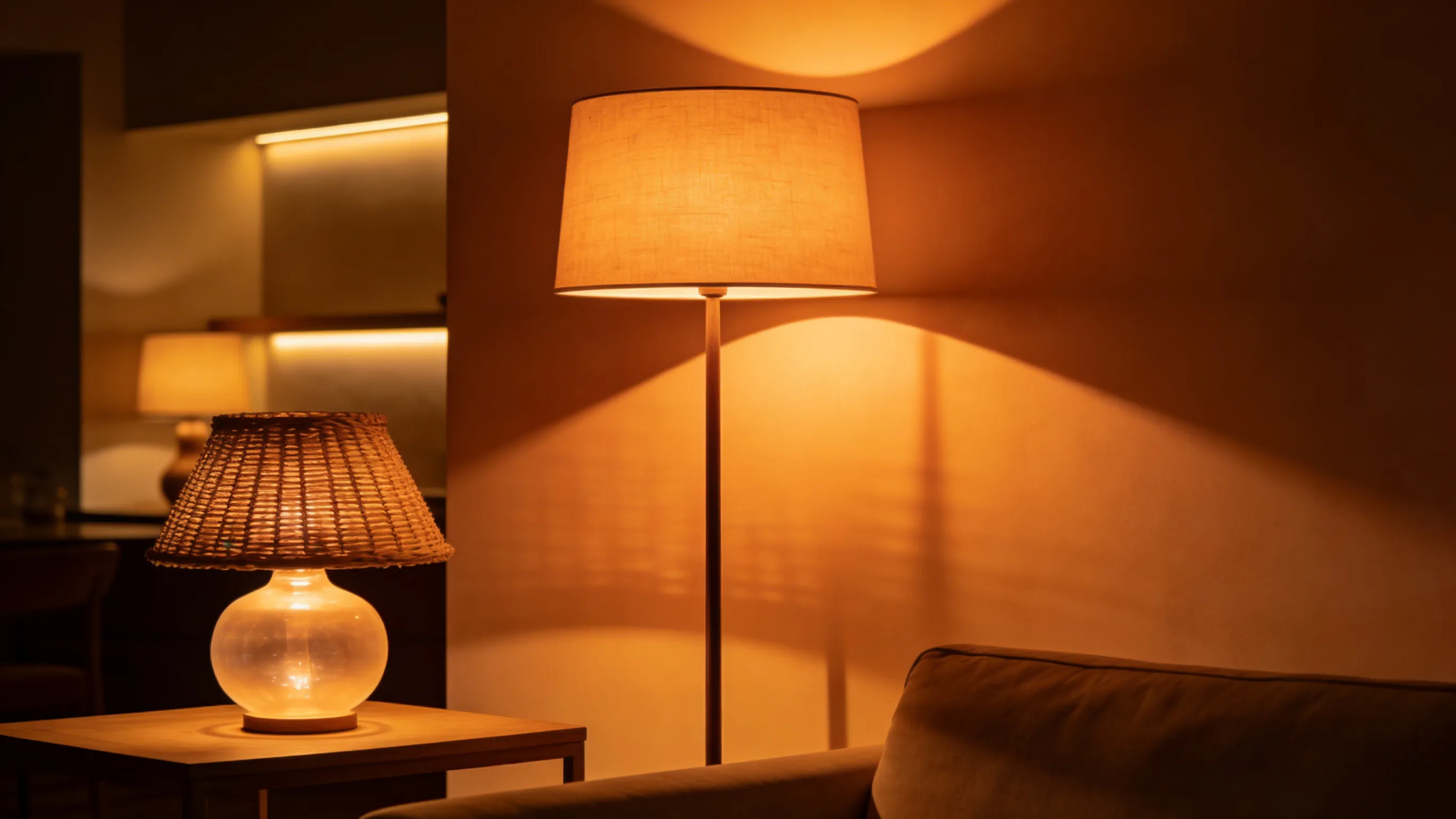
But it’s the small, often overlooked details that can make a significant impact. LED lighting, for instance, has transformed from harsh, cold beams to warm, adjustable hues that mimic natural sunlight. Companies like Philips Hue allow users to control ambiance while reducing energy use by up to 80% compared to incandescent bulbs. Meanwhile, passive house design principles—focusing on insulation, airtightness, and heat recovery—are gaining traction among architects. Though the initial investment can be daunting, the long-term savings and environmental benefits are undeniable.
The Rise of Circularity and Minimalism
In contrast to the throwaway culture of the past, the circular economy model encourages repairing, reusing, and repurposing. Platforms like Etsy and Facebook Marketplace have democratized secondhand shopping, making it easier than ever to find pre-loved treasures. Meanwhile, brands like Patagonia and Cradle to Cradle certify products designed for disassembly and recycling, ensuring they never end up in landfills.
Minimalism, too, plays a pivotal role. While Marie Kondo’s “spark joy” mantra swept the globe, the environmental implications of decluttering are often overlooked. Donating or selling unused items reduces waste, but mindless consumption of “organizational tools” can backfire. As sustainability writer Anne-Marie Bonneau wisely said, “We don’t need a handful of people doing zero waste perfectly. We need millions of people doing it imperfectly.”
Bringing It Home: Practical Tips for Everyday Living
Adopting an eco-chic lifestyle doesn’t require a full-scale renovation. Start small:
- Swap single-use plastics for glass or stainless-steel containers.
- Introduce indoor plants like snake plants or peace lilies, which are known for their air-purifying qualities.
- Opt for non-toxic cleaning products from brands like Blueland or Dropps, which prioritize refillable packaging.
- Support local artisans and sustainable brands when purchasing decor.
Remember, sustainability is as much about mindset as it is about action. It’s about asking, “Do I really need this?” and “How was this made?”
Conclusion: A Home That Gives Back
The eco-chic movement is more than a trend—it’s a testament to our evolving relationship with the planet. By embracing sustainable materials, energy-efficient technologies, and circular principles, we create homes that are not only beautiful but also kind to the Earth. Perhaps the greatest takeaway is this: every small choice, from the furniture we buy to the energy we conserve, contributes to a larger narrative of hope and responsibility.
As we navigate this path, let’s remember that perfection is not the goal. Progress is. And in the delicate balance between style and sustainability, we might just find a greener, more graceful way to live.