Creative
Lighting Design Magic: Transforming Ambiance with Strategic Illumination

The soft, golden glow from a table lamp casts long, dancing shadows across the living room wall. Outside, the world has slipped into the indigo hues of evening, but inside, a sanctuary of warmth and calm has been conjured, not by grand architectural gestures, but by the simple, profound magic of light. This is not an accident. It is the result of a quiet revolution happening in our homes—a move away from viewing illumination as a mere functional necessity and towards embracing it as the most potent tool we have for sculpting mood, defining space, and elevating our daily well-being. Strategic lighting design is no longer the sole purview of high-end interior architects; it has become an accessible, essential element of crafting a home that truly nurtures and inspires.
For decades, the dominant paradigm in residential lighting was, frankly, rather blunt. A central ceiling fixture, often a stark dome or a blinding array of recessed "can" lights, was tasked with flooding a room with uniform brightness. The goal was visibility, pure and simple. Yet, as research in environmental psychology and chronobiology has advanced, we've come to understand that this approach is at odds with our innate human needs. Our bodies and minds are exquisitely tuned to the natural rhythms of light and dark. The harsh, static light of an overlit room can disrupt circadian rhythms, increase stress, and flatten the emotional texture of a space. It tells a single, monotonous story, when our lives are rich with varied chapters of activity, relaxation, and connection.
The new philosophy of lighting design is narrative and layered. It asks not "Is it bright enough?" but "What do I want to feel in this space, and at this moment?" The answer lies in mastering three distinct layers of light, a concept championed by designers like Kelly Wearstler and detailed in foundational texts such as The Lighting Bible by Lucy Martin.
The First Layer: Ambient Light – The Foundation of Perception Ambient light is the soft, general illumination that replaces darkness and allows for safe movement. It’s the canvas upon which all other lighting is painted. The key shift today is moving away from a single, overpowering source. Instead, think of ambient light as a gentle wash. This can be achieved through indirect means: cove lighting hidden along the top of bookshelves, LED strips beneath kitchen cabinets that bounce light off countertops, or elegant wall sconces with upward-facing shades that graze the ceiling with a soft radiance. The color temperature here is critical. "There's a strong trend towards warmer, more amber-toned ambient lighting in living spaces," notes lighting designer Abigail Ahern in a recent interview with Architectural Digest. "We're seeking the comforting glow of candlelight or a setting sun, not the clinical feel of a midday sky." Opt for bulbs in the 2700K to 3000K range for living areas to promote relaxation as evening falls.
The Second Layer: Task Light – The Sculptor of Function If ambient light sets the scene, task lighting directs the spotlight. This is the focused, brighter light that enables specific activities: reading a novel, chopping vegetables, applying makeup, or working at a desk. Its purpose is precision, not poetry, but its design need not be purely utilitarian. A sculptural floor lamp arching over a reading chair, a pair of adjustable pendant lights above a kitchen island, or a sleek, LED-integrated mirror in a bathroom all serve vital functions while contributing to the aesthetic. The innovation here is in integration and flexibility. Smart, dimmable fixtures allow the same pendant light to provide bright, cool light for meal prep at 6 PM and transform into a low, warm glow for a late-night snack at 11 PM. According to a 2023 report by the Lighting Research Center, adjustable task lighting that allows users to control both intensity and color temperature can significantly reduce eye strain and improve concentration.
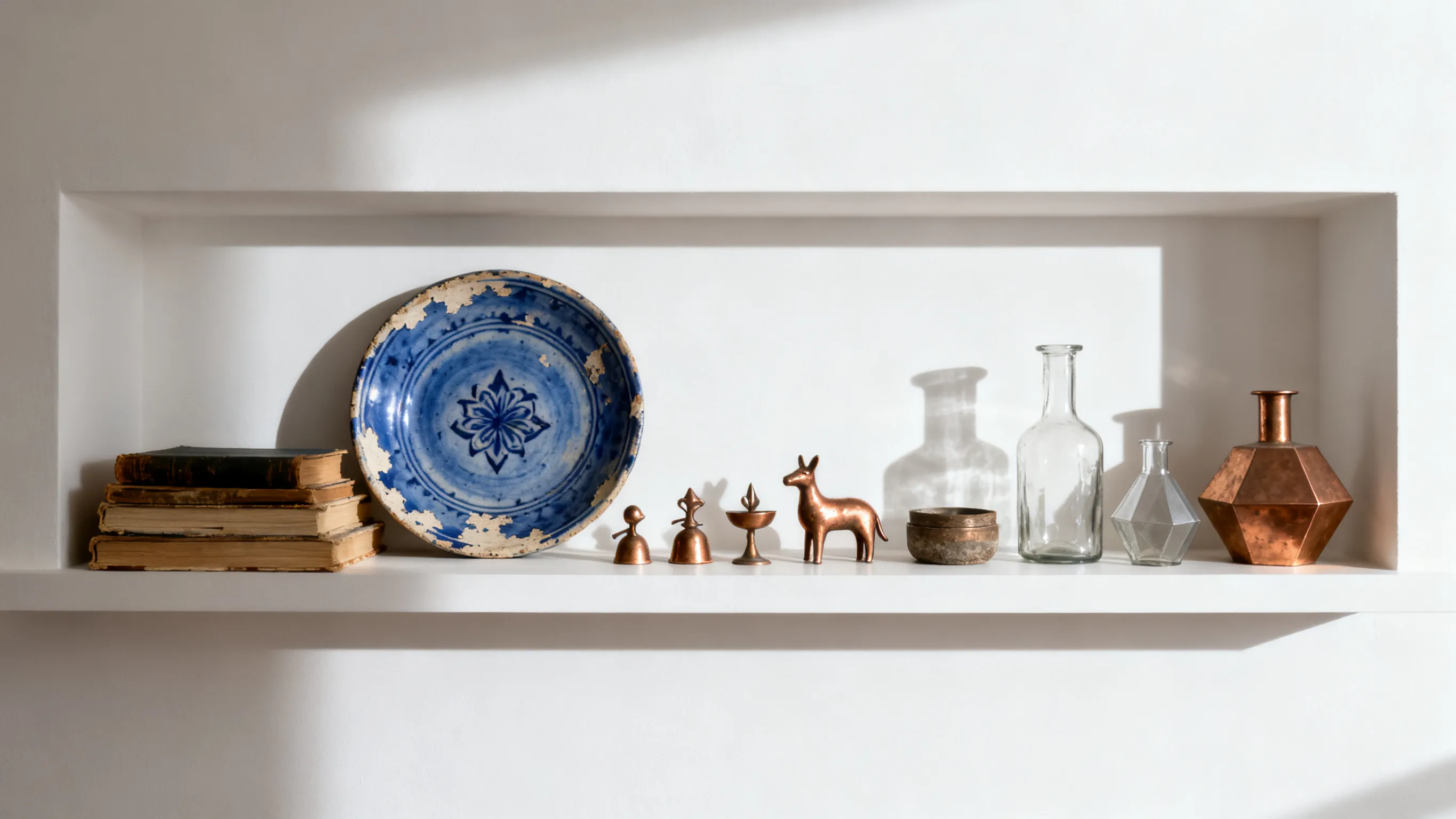
The Third Layer: Accent Light – The Artist of Drama and Delight This is where lighting truly becomes an art form. Accent lighting is used to highlight, to create focal points, and to inject drama and personality. It directs the eye and tells a story. Picture a narrow-beam spotlight grazing the textured surface of a beloved painting, a tiny LED illuminating a collection of ceramics within a niche, or a cluster of pendant lights at varying heights over a dining table, creating a intimate, jewel-box effect. It’s the light that makes you pause and appreciate. Landscape designers have long used this technique outdoors—"moonlighting" trees from above or uplighting a specimen plant. Bringing this mindset indoors transforms static objects into dynamic elements. "Accent lighting is about revelation," says designer Thomas Pheasant. "It's not about illuminating everything, but about choosing what to celebrate, creating pools of interest that guide the emotional journey through a home."
The true magic, however, happens in the orchestration of these layers. This is the domain of control and, increasingly, intelligence. The rise of smart lighting systems from brands like Lutron, Philips Hue, and Ketra has been a game-changer. With a tap on a smartphone or a voice command, you can create pre-set "scenes." A "Dinner Party" scene might dim the ambient downlights, raise the brightness on the pendant over the table, and ignite the accent lights on the sideboard. A "Movie Night" scene could plunge the room into darkness save for a single, ultra-dim path light along the floor. This technology empowers a fluidity that was previously impossible, allowing a single room to morph its character to suit the moment.
Beyond technology, the trend is also deeply tactile and human-centric. We are seeing a resurgence of natural materials in fixtures themselves: hand-blown glass diffusers that scatter light like dappled shade, shades woven from rattan or abaca that cast intricate shadow patterns, and bases crafted from unglazed ceramic or honed marble. These elements connect the artificial light to the organic world, softening its edges. Furthermore, the concept of "human-centric lighting" (HCL) is gaining traction. HCL systems dynamically adjust color temperature and intensity throughout the day, mimicking the natural progression from energizing cool blue light in the morning to calming warm light in the evening. A study published in the Journal of Biophilic Design suggests that exposure to HCL in home offices can improve sleep quality and subjective well-being, though some researchers caution that individual responses can vary.
Implementing this magic doesn't require a full-scale renovation. It begins with observation and intention. Start by auditing your home at night. Where are the dark, unwelcoming corners? Where is the glare from a screen or a shiny surface? Perhaps the living room feels flat because everything is lit from above. The solution might be as simple as adding a floor lamp with an upward-facing shade to provide ambient glow and a table lamp with a focused shade for reading—instantly creating two layers. In the bedroom, remove the harsh overhead light from the equation entirely. Rely on wall sconces or pendant lights on either side of the bed for task lighting (reading) and a floor-washing uplight in a corner for gentle ambient fill.
The kitchen, often a bastion of cold, clinical light, is ripe for transformation. Under-cabinet LED strips are a non-negotiable for task lighting on countertops. But consider replacing a grid of recessed downlights with a series of pendants over an island, choosing fixtures with diffusers to prevent glare. Inside glass-front cabinets, tiny, low-voltage LED tape lights can turn your dishware into a displayed collection. The bathroom, a place of preparation and retreat, benefits immensely from layered light. A central ceiling light is the worst offender here, casting unflattering shadows on the face. The ideal is side lighting at the mirror (sconces or vertical strips on either side) to evenly illuminate the face for grooming, combined with a dimmable overhead light for general ambient and perhaps a small, discreet night light for those midnight visits.
Ultimately, strategic lighting design is an act of profound self-care and expression. It is about aligning our most intimate environment—the home—with our internal rhythms and emotional landscapes. It understands that the light we need to energize ourselves for a day of work is not the light we need to unwind with a loved one, or to lose ourselves in a book, or to host a joyous gathering. By thinking in layers, embracing control, and selecting fixtures that bring joy in their own right, we move beyond simply seeing our spaces to truly feeling them. We transform houses into havens, rooms into experiences, and everyday moments into something subtly, beautifully lit. The magic isn't in the fixture or the bulb; it's in the intention, the shadow it casts, and the warmth it leaves lingering in the air long after it's been turned off.