Creative
Step-by-Step: Using Baking Soda and Vinegar to Clear Clogs
Author: Lauren Hayes

There’s a certain dread that accompanies a slow-draining sink. The water pooling at your feet in the shower, the murky residue left behind in the kitchen basin—it’s a universal nuisance. While chemical drain cleaners promise a quick fix, their harsh formulas can damage pipes over time and pose risks to health and the environment. But what if the solution was already in your pantry?
For generations, households have turned to the humble yet dynamic duo of baking soda and vinegar. This method, often whispered between neighbors or shared in family recipe books, marries simplicity with efficacy. As one plumbing expert from Roto-Rooter noted, “For minor clogs, a baking soda and vinegar mixture can be surprisingly effective—and it’s far gentler on your plumbing system.” Let’s explore how this age-old trick can restore flow to your drains while aligning with a more mindful approach to home maintenance.
The Science Behind the Fizz
Before diving into the process, it helps to understand why baking soda and vinegar work so well together. Baking soda, or sodium bicarbonate, is mildly alkaline and acts as a gentle abrasive. Vinegar, or acetic acid, is acidic. When combined, they undergo a rapid chemical reaction, producing carbon dioxide gas—the source of that satisfying fizz.
This reaction serves two purposes: First, the effervescence can help dislodge minor blockages by agitating the debris. Second, as Mary Marlowe Leverette, a home cleaning expert, explains, “The combination can break down fatty acids, turning them into soap and glycerine, which dissolve more easily in water.” It’s a natural, non-toxic way to tackle organic matter like grease, hair, or soap scum—common culprits behind household clogs.
A Step-by-Step Guide to Clearing Drains
Step 1: Assess the Situation
Not every clog is created equal. If water is completely stagnant or the drain is emitting foul odors, the issue might be more severe. For standing water, use a cup or towel to remove as much as possible before starting. This method works best for slow drains or early-stage clogs. As one DIY blogger shared, “I’ve used this trick for years, but if it doesn’t work after two attempts, it’s time to call a professional.”
Step 2: Gather Your Supplies
You’ll need:
- ½ cup of baking soda
- 1 cup of white vinegar
- A pot of boiling water
- A cloth or drain stopper
Ensure your baking soda is fresh and free of clumps, as older boxes may have lost some of their reactivity.
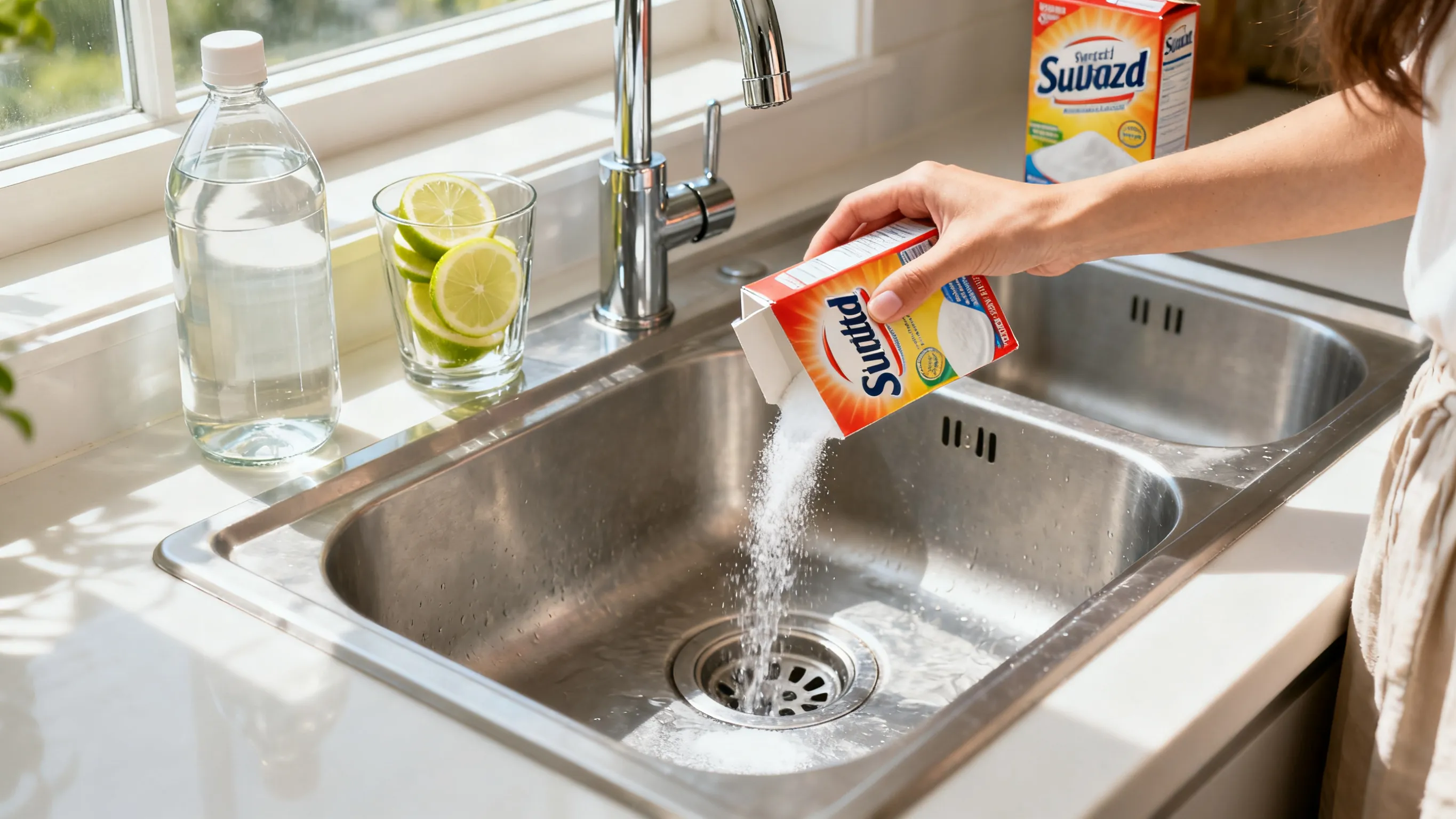
Step 3: Pour Baking Soda Down the Drain
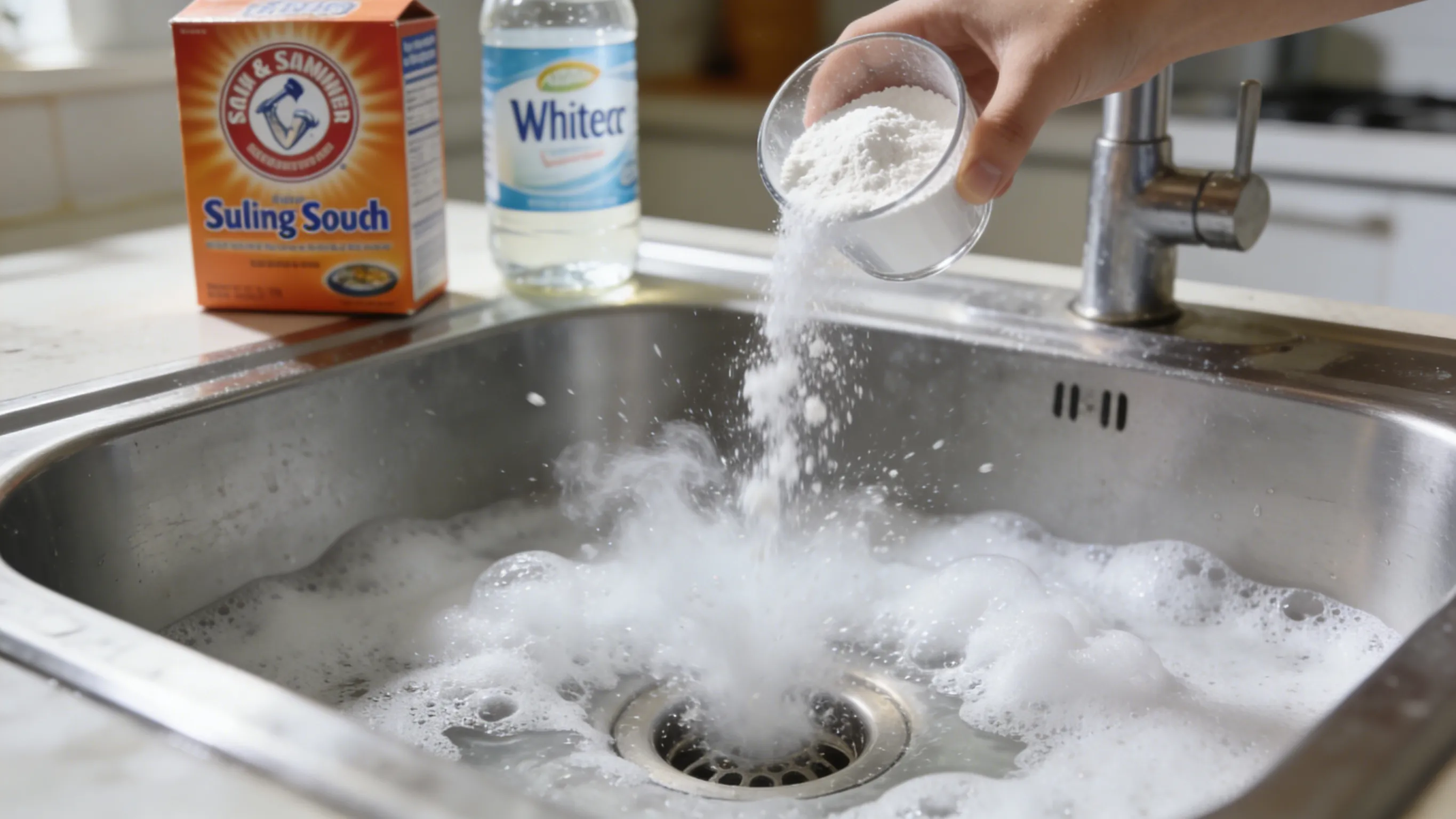
Start by slowly pouring the baking soda directly into the drain. If the opening is narrow, a funnel can help. Some suggest using a skewer or pipe cleaner to guide the powder deeper into the pipe, though this isn’t always necessary. Let the baking soda sit for a minute or two—this allows it to begin absorbing odors and loosening grime.
Step 4: Add Vinegar and Cover the Drain
Next, carefully pour the vinegar into the drain. You’ll immediately hear the fizzing—a sign the reaction is underway. Quickly cover the drain with a cloth or stopper to contain the effervescence and direct it downward. This step is crucial: the pressure helps push the mixture through the clog. Leave it to work for at least 30 minutes, though some experts recommend waiting up to an hour for tougher blockages.
Step 5: Flush with Boiling Water
After the waiting period, remove the cover and slowly pour a kettle of boiling water down the drain. The heat helps dissolve any remaining residue and clears out the loosened debris. If the drain is still slow, repeat the process once more.
When to Exercise Caution
While this method is generally safe, there are exceptions. Older homes with galvanized steel pipes may be more susceptible to corrosion, though vinegar’s mild acidity is unlikely to cause significant damage. Additionally, as the Family Handyman website advises, “Avoid using baking soda and vinegar if you’ve recently used a commercial drain cleaner, as the combination could produce harmful gases.”
For persistent clogs, mechanical solutions like a plunger or drain snake may be more appropriate. And if you suspect a deeper issue—such as tree roots infiltrating your pipes—it’s best to consult a licensed plumber.
Beyond the Drain: Other Uses for Baking Soda and Vinegar
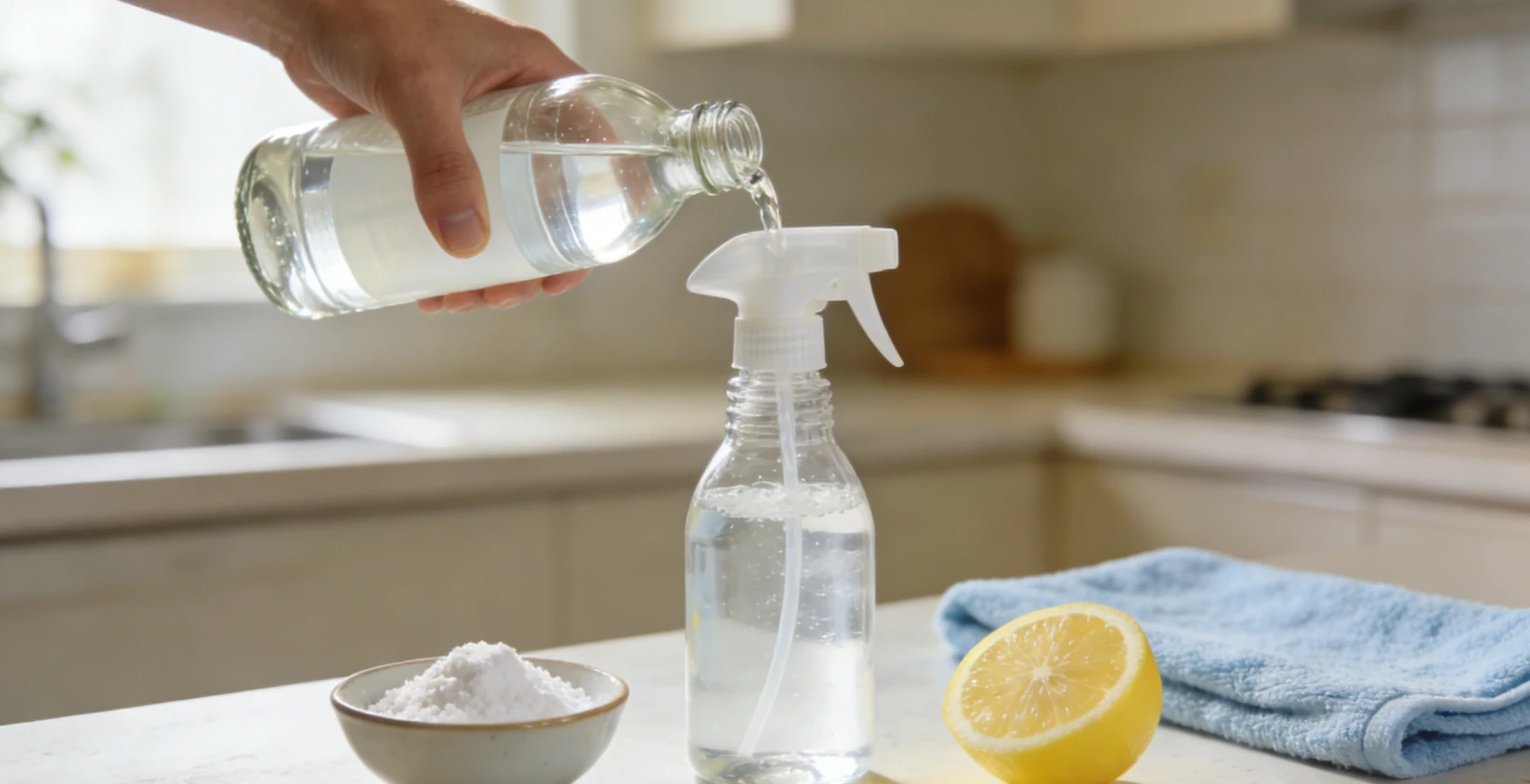
The versatility of baking soda and vinegar extends far beyond drain maintenance. A paste made from baking soda and water can scrub away stubborn stains on countertops, while vinegar diluted with water makes an excellent glass cleaner. One homeowner recounted, “I started using vinegar for my windows, and now I rarely buy commercial cleaners. It’s cheaper, and my house smells fresher.”
However, it’s worth noting that not all cleaning challenges are suited to this pairing. For example, using baking soda and vinegar on marble or granite surfaces could etch the stone over time. As with any cleaning method, context matters.
A Shift Toward Sustainable Home Care
In an era of heightened environmental awareness, the appeal of natural cleaning solutions is growing. Studies, such as one published in the Journal of Environmental Health, suggest that reducing reliance on chemical cleaners can improve indoor air quality and minimize water contamination. While baking soda and vinegar aren’t cure-alls, they represent a step toward sustainable living.
Perhaps what makes this method so enduring is its simplicity. There’s a quiet satisfaction in solving a problem with items already on hand—a small rebellion against the over-complication of modern life. As one grandmother famously said, “We used what we had, and it worked just fine.”
So the next time your drain slows, consider reaching for the baking soda and vinegar. It might just be the fizzy, eco-friendly solution you need.