Creative
Spring Landscaping Ideas: Elevate Your Outdoor Space

There’s a moment, just as winter’s grip finally loosens, when the world seems to hold its breath. The air is still crisp, but it carries a new, damp scent—the smell of thawing earth and latent life. You step outside, coffee in hand, and survey your garden. It’s a familiar tableau of dormant grass, bare branches, and the skeletal remains of last year’s perennials. But this year, instead of seeing a chore list, you feel a spark of possibility. This patch of land, your outdoor space, isn’t just a yard; it’s a blank canvas waiting for a spring revival. Horticulture, far from being a mere hobby, is the art and science of turning that possibility into a living, breathing sanctuary. This season, let’s move beyond basic planting and explore landscaping ideas that truly elevate your daily life, weaving together beauty, function, and a deeper connection to the natural world.
Beyond the Lawn: Rethinking the Green Canvas
For decades, the perfect American yard was synonymous with an immaculate, emerald-green lawn. It was a status symbol, a testament to weekend labor. But perspectives are shifting. As landscape designer and author Thomas Rainer eloquently puts it, “The lawn is an ecological desert. It asks for much and gives little back.” The constant mowing, watering, and chemical treatments required to maintain that monoculture are increasingly at odds with environmental consciousness and the desire for a more personalized, low-maintenance space.
This isn’t to say you must rip out every blade of grass. It’s about intentionality. Perhaps the front lawn remains, but trimmed smaller, framed by something more dynamic. The real transformation happens in the spaces where you actually live—the back garden, the side yards, the patio perimeter. Here, the lawn can be replaced or interspersed with ground covers that offer more than just green. Consider creeping thyme, which releases a herbal fragrance when brushed against and buzzes with pollinators in summer. Or moss, for deeply shaded, damp areas, creating a velvety, prehistoric tapestry that requires no mowing at all. A study from the University of Delaware’s Department of Plant and Soil Sciences highlights that diverse groundcover plantings can significantly reduce soil erosion and suppress weeds more effectively than turfgrass alone, creating a healthier ecosystem right underfoot.
The goal is to create layers. Imagine a path of stepping stones winding not across a bland sea of grass, but through a patchwork of ajuga with its purple-blue spikes, soft mounds of blue star creeper, and the delicate, fern-like leaves of chamomile. It’s a textural journey that begins at ground level.
The Architecture of Plants: Form, Texture, and Winter Bones
Color gets all the glory in spring, but seasoned gardeners know that structure is the secret to a garden with year-round appeal. Before you’re seduced by the first flush of blooms at the nursery, think about the skeleton of your space. This is where woody plants—shrubs and small trees—earn their keep.
I made this mistake early on. I planted a butterfly bush for its summer-long purple spires and a hydrangea for its billowy blue blooms. Come November, I was left with a jumble of awkward, leafless sticks. The garden had vanished. The solution wasn’t less planting, but smarter choices. I learned to look for plants with interesting bark, like the coral-red, peeling stems of the ‘Midwinter Fire’ dogwood, which seems to glow on grey winter days. Or the sculptural, horizontal branching of a pagoda dogwood, which holds snow like a carefully balanced offering.
Texture is architecture’s close cousin. It’s the visual and tactile weight of a plant. Pair the bold, architectural leaves of a ‘Empress Wu’ hosta with the fine, feathery foliage of a Japanese maple. Contrast the smooth, rubbery leaves of a bergenia with the spiky, vertical lines of an iris. This interplay creates depth and interest even when flowers are absent. As the great British gardener Beth Chatto championed, it’s about “the right plant for the right place.” A gravel garden full of silvery, drought-tolerant lavenders and santolinas offers a completely different, tactile-rich experience compared to a lush, fern-filled shade border. Both are valid; both are built on a foundation of thoughtful form and texture.
A Symphony of Succession: The Art of the Unfolding Season
The most common pitfall in spring gardening is the “burst and bust”—a glorious, synchronized explosion of tulips and daffodils in April, followed by a green void until the roses kick in June. The art of succession planting is the antidote, conducting a symphony where different sections of the orchestra take the lead as the season progresses.
Start early, with the brave bulbs that pierce through frosty soil: snowdrops, winter aconites, and species crocuses. As they fade, early-blooming perennials like hellebores and pulmonaria take the stage, their flowers often subtle but complex upon close inspection. By late spring, the peonies and alliums are in full swing. The trick is to interplant them with species that will grow up to hide their dying foliage later. I plant airy nigella (love-in-a-mist) around my fading tulips; its threadlike foliage and delicate blue flowers mask the yellowing leaves perfectly.
Don’t forget the mid and late-summer players at the planning stage. A clump of ornamental grasses, like switchgrass or little bluestem, starts as a modest green fountain in spring but will become a shimmering, feathery focal point by August, catching the low autumn light. Sedums, with their succulent foliage, provide structure all season before exploding into a pollinator buffet of pink blooms in fall. Research from the Royal Horticultural Society emphasizes that gardens planned for sequential bloom support biodiversity more consistently, providing crucial nectar and pollen sources for insects across many months, not just in a single peak.
The Third Room: Creating Outdoor Living Spaces
Perhaps the most significant shift in modern landscaping is the concept of the garden as an extension of the home—a “third room.” This goes beyond plopping a patio set on a concrete slab. It’s about creating intentional, functional zones that invite you to linger.
Start with the floor. Instead of plain concrete, consider permeable pavers that allow rainwater to seep through, or the warm, organic feel of a decomposed granite path that meanders to a secluded seating nook. The “walls” of this room are your plantings. Use tall grasses, evergreen shrubs, or a gracefully arched trellis with a climbing rose to create a sense of enclosure and privacy. A simple arbor, draped with the fast-growing, sweet-scented vines of a star jasmine (Trachelospermum jasminoides), can define an entrance to a secret garden corner.
The “ceiling” might be the dappled shade of a honey locust tree or a pergola strung with weather-resistant curtains for evening ambiance. Now, furnish this room. A deep, comfortable bench tucked into a fragrant border of lavender and rosemary. A fire pit surrounded by smooth, portable seating for gathering on cool spring nights. A dining table under a market umbrella, set for an alfresco breakfast. The details matter: outdoor-rated cushions in patterns that complement your flower colors, a side table for your book and iced tea, solar-powered lanterns that cast a soft glow as dusk falls.
This space becomes a destination. It’s where you have your morning coffee listening to birdsong, where you unwind after work, and where you entertain friends. The landscaping isn’t just a view to admire from the window; it’s the stage for your daily life.
The Ecological Layer: Gardening with Purpose
Elevating your space isn’t solely an aesthetic pursuit; it’s an ethical one. Modern horticulture is increasingly intertwined with ecology. Your garden can be a tiny, powerful node in a larger network of life.
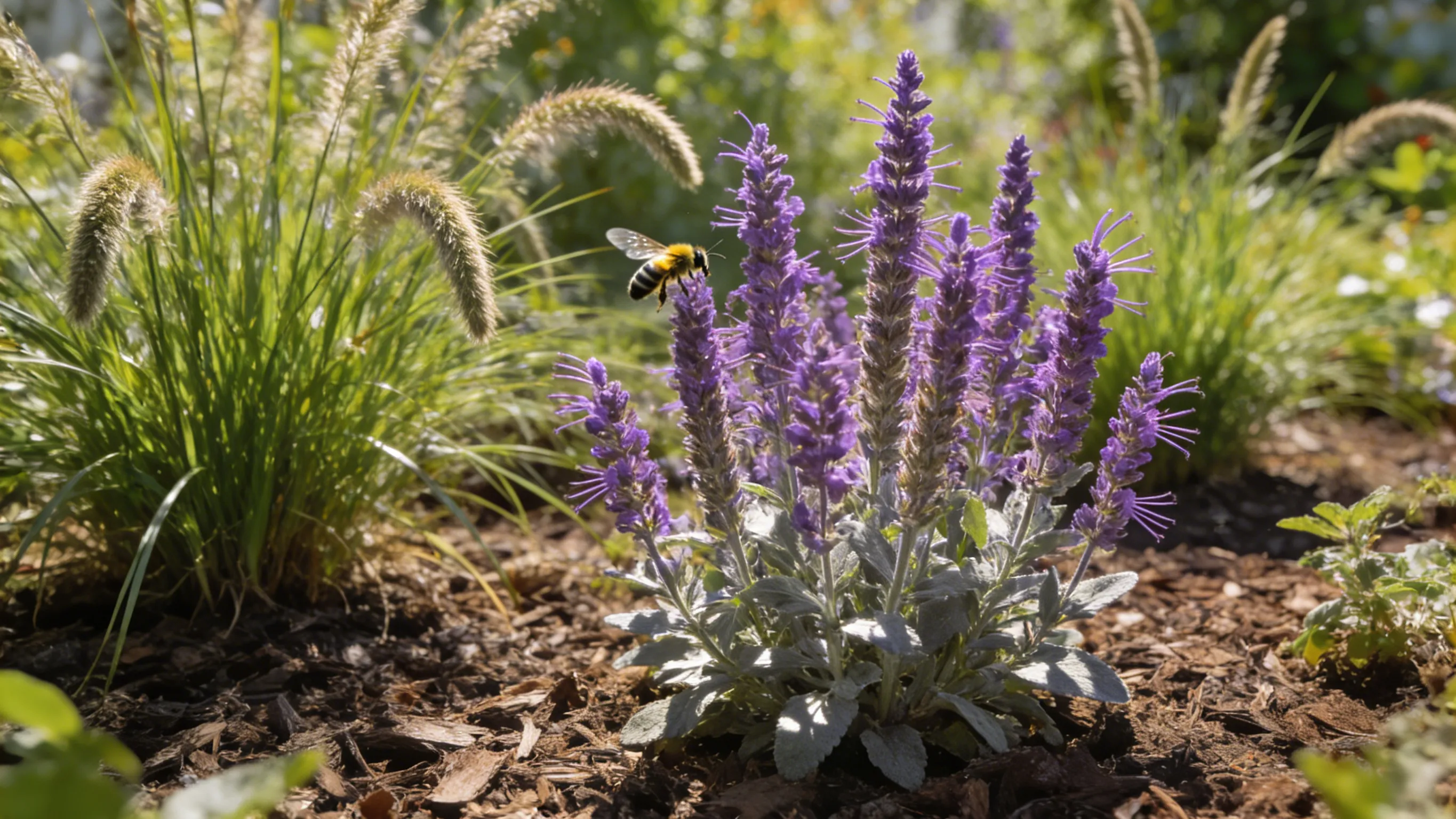
The cornerstone of this is planting for pollinators. It’s not enough to just have flowers. You need the right flowers. Many showy, double-bloomed hybrids have sacrificed their nectar and pollen-producing parts for more petals. Seek out native plants and open-pollinated heirlooms. A cluster of purple coneflower (Echinacea purpurea), a patch of milkweed for monarch butterflies (Asclepias spp.), and the towering spires of native lobelia will hum with life from dawn to dusk. A small, shallow water feature—even a birdbath with stones for landing—provides essential hydration.
Leave some “mess.” A pile of brush in a corner offers shelter for overwintering insects and toads. Allow the seed heads of coneflowers and sedums to stand through winter; they provide food for finches and add beautiful, frost-kissed structure to the garden. The late entomologist E.O. Wilson championed the idea of “half-earth,” but we can start with our own half-acre, or half-city-lot. By creating a layered habitat, you’re not just gardening; you’re stewarding a small piece of the planet. The reward is a garden that feels truly alive, a dynamic system where you’re a participant, not just a curator.
A Personal Spring Ritual
My own spring ritual begins not with a trip to the garden center, but with a slow walk. I note where the winter sun now falls, different from its summer path. I feel the squelch of the wettest patch of soil, a candidate for a rain garden. I watch the last of the winter birds at the feeder. This quiet observation is the most important planning tool there is.
Then, and only then, do I make a list. It’s never a wholesale overhaul. One year, it was transforming a sun-baked, struggling strip of lawn into a gravel garden with drought-tolerant salvias and catmint. Another year, it was planting a native serviceberry tree (Amelanchier canadensis) for its early spring flowers, summer berries for the birds, and brilliant fall color. The process is incremental, a conversation with the land.
Spring landscaping, at its heart, is an act of optimism. It’s a belief in growth, in beauty, and in the profound value of creating a personal haven. It’s about moving beyond generic solutions to craft a space that reflects your life, supports local ecology, and engages all the senses. So, take that breath of spring air, feel that spark of possibility, and start imagining. Your elevated outdoor space—a blend of sanctuary, living room, and ecosystem—is waiting to be drawn, not just in the soil, but in the rich, layered language of thoughtful horticulture.