Creative
Refresh Your Plants: A Seasonal Guide for Every Gardener

The morning light slants through my kitchen window, catching the dust motes dancing above a row of terracotta pots. In one, a peace lily I’ve had for years unfurls a single, stubbornly white spathe. It’s a small victory, a quiet conversation between my care and its will to live. This, perhaps, is the heart of horticulture at home: not the grand landscape design, but the intimate, seasonal dialogue we engage in with the living things that share our space. Our homes are not static galleries for plants; they are dynamic ecosystems that change with the light, the humidity, and the turning of the year outside our walls. To treat our indoor gardens with a one-size-fits-all mentality is to miss the rhythm of their lives—and the profound satisfaction of moving in sync with it.
This guide isn’t about achieving perfection or cultivating rare specimens under glass bells. It’s a seasonal roadmap for refreshing your relationship with your plants, attuning your care to nature’s inherent cadence. It’s for the person who wonders why their pothos thrived in February but sulks in August, or who feels a pang of guilt looking at a crispy fern. We’ll move through the year, understanding that plant care is a dance with four distinct movements: the reawakening, the growth spurt, the preparation, and the rest.
The Awakening: Spring’s Gentle Nudge (March-May)
Winter’s grip loosens. The sun’s path climbs higher, and the quality of light in your home shifts perceptibly. This isn’t just a signal for us to pack away heavy blankets; it’s the starting pistol for most houseplants. After a period of dormancy or slowed growth, they are primed to explode into life—if we facilitate it.
The Great Migration & Light Reassessment: Your first task is a visual audit. Walk through your home at different times of day. That fiddle-leaf fig that survived the winter in a north-facing corner might now crave the brighter, indirect light of an east-facing window. "Plants are excellent communicators, but we must learn their language," notes Dr. Erin Marino, Director of Marketing at The Sill, a popular plant education platform. "Leggy growth, smaller new leaves, or a plant leaning dramatically toward a light source are all clear signs it’s not receiving adequate photons for its needs." Spring is the safest time to gradually acclimate plants to new light locations, avoiding the shock of a sudden, scorching move.
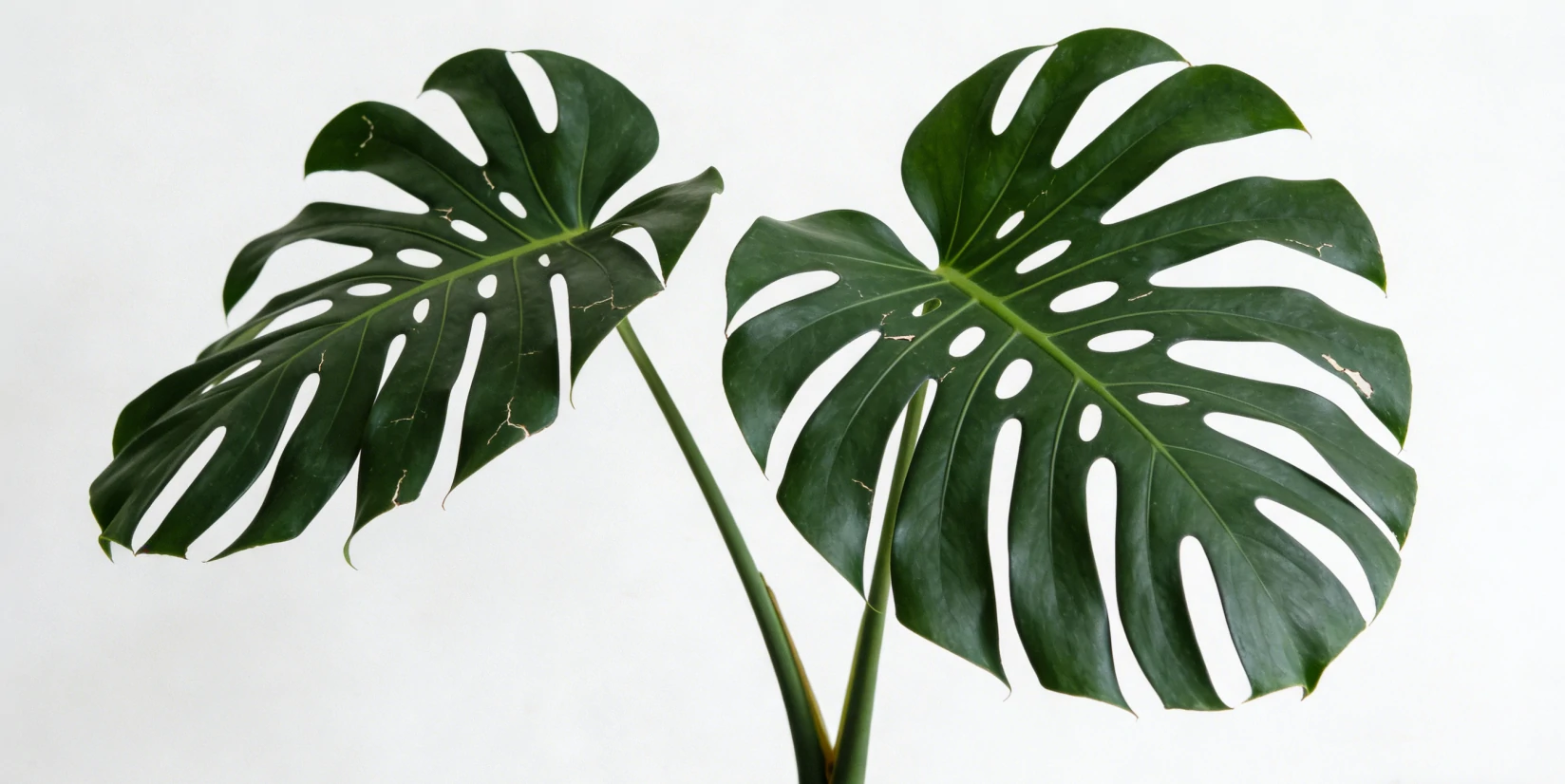
The Repotting Ritual: Not every plant needs a new home every spring. The rule of thumb is to check for roots circling the bottom of the pot or protruding from drainage holes. When repotting, the common urge is to go drastically larger. Resist it. "Upsizing by only 1-2 inches in pot diameter is ideal," advises Christopher Satch, a plant scientist and consultant. "A pot too large holds excess soil that stays wet longer, creating a prime environment for root rot, the silent killer of houseplants." This ritual is also a moment of connection. Gently massage the root ball, trim any black or mushy roots with sterile shears, and settle your plant into a fresh, well-draining mix suited to its type—a chunky aroid mix for monstera, a cacti blend for succulents.
Watering & Feeding: A Gradual Crescendo: As growth resumes, so does thirst. Begin to increase watering frequency, but always, always let the top inch or two of soil dry out between drinks. This is also the time to reintroduce fertilizer. Start with a half-strength dose of a balanced, liquid fertilizer. The mantra here is "weakly, weekly" during active growth phases. I recall a rescued spider plant, pale and listless, that transformed within weeks of a consistent spring feeding schedule, sending out a cascade of vibrant green and white runners—a rewarding testament to timely nourishment.
The Crescendo: Summer’s Burst of Life (June-August)
This is the season of abundance, of long days and high sun. Your plants are in their peak metabolic phase, photosynthesizing with gusto. Our role shifts from encourager to supporter and protector.
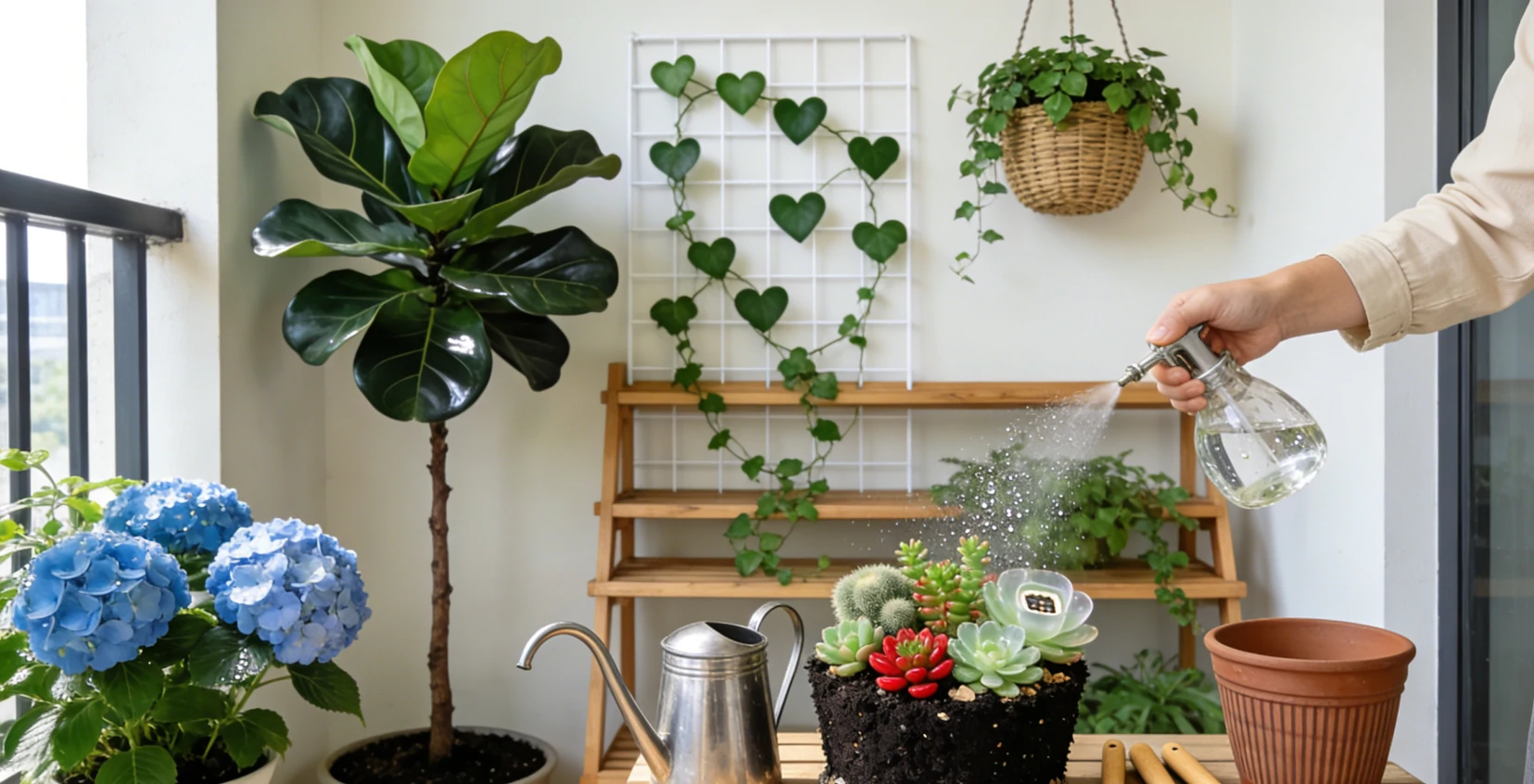
Mastering the Hydration Balance: Evaporation rates spike. You may find yourself watering twice as often, but the core principle remains: deep watering followed by complete drainage. The real summer challenge isn’t underwatering, but overwatering driven by a misguided daily routine. A moisture meter can be a helpful, objective tool to cut through the guesswork. For tropical plants like calatheas or ferns, humidity becomes critical. Grouping plants together creates a beneficial microclimate, and a daily misting or a pebble tray filled with water beneath their pots can stave off the dreaded crispy leaf tips. My own bird’s nest fern taught me this lesson; its fronds browned at the edges until I placed it on a tray of wet pebbles, after which it unfurled new, pristine leaves with triumphant grace.
The Strategic Vacation Plan: Summer often means travel. The classic "ice cube trick" is largely debunked by horticulturists, as the cold can shock roots. Better methods include the wick-watering system (a cotton string running from a water jar into the soil) or simply grouping plants in a cool, bright bathroom (the tub is a great spot) away from direct sun. For longer trips, self-watering pots or asking a friend for a "plant check-in" are wise investments. I once returned from a two-week holiday to find a thriving jungle, thanks to a thoughtful neighbor who understood that my monstera needed a full jug of water, while my snake plant required only a respectful glance.
Pest Vigilance: Warmth invites activity, and that includes pests like spider mites, fungus gnats, and mealybugs. Regular inspection is key—look under leaves and along stems. At the first sign, isolate the plant. A gentle but effective first strike is a shower with lukewarm water to dislodge pests, followed by treatment with insecticidal soap or neem oil. Proactivity here prevents a full-blown infestation. Research from the Royal Horticultural Society emphasizes that "maintaining plant health through correct watering and feeding is the first and best line of defense," as stressed plants are far more susceptible to attack.
The Transition: Autumn’s Gentle Wind-Down (September-November)
The light softens, angles lower, and days shorten. This is a subtle but critical pivot. Plants sense the change, beginning to slow their growth and prepare for the less hospitable winter. Our job is to facilitate this graceful transition, not fight it.
The Light Shift, Again: As the sun’s intensity wanes, you may need to reverse some of spring’s migrations. Move light-loving plants like succulents and cacti closer to the brightest windows available. For others, it’s about maximizing exposure to the dwindling resource. Clean your windows—inside and out—to remove the film of summer dust that can significantly reduce light transmission.
The Feeding Fade: This is crucial. Around late September or early October, begin to taper off fertilizer. Continuing to feed a plant that is naturally slowing its growth leads to salt buildup in the soil, which can burn roots and cause leaf tip burn. Let the plant use the season’s last burst of energy to harden off new growth, not push out tender, weak leaves that will struggle in winter.
Pre-Winter Health Check & Pruning: Autumn is an excellent time for grooming. Remove any yellowing or dead leaves to improve airflow and appearance. Light pruning can shape plants, but avoid heavy cuts that would stimulate new growth. It’s also the last good window to check for and treat any lingering pest issues before plants are brought into closer quarters for winter. Take stock. Which plants thrived? Which struggled? This reflective practice, as suggested by many seasoned gardeners, informs your choices for next year.
The Rest: Winter’s Quiet Reflection (December-February)
Growth, for most common houseplants, grinds to a near halt. This is not a period of death, but of deep rest—a necessary dormancy. Respecting this phase is the mark of a patient and attentive gardener.
The Art of Neglect (The Right Kind): Watering needs plummet. Overwatering is the single greatest threat to houseplants in winter. Let the soil dry out almost completely between waterings. For many succulents and cacti, this might mean watering only once a month or less. Tepid water is preferable to cold, which can shock the roots. Hold all fertilizer.
Battling the Dry Air Monster: Heated indoor air is desiccating. While misting offers a temporary boost, for humidity-loving plants, a room humidifier is the most effective solution. Alternatively, the pebble tray method or grouping plants in a well-lit bathroom (where showers create steam) can help. Keep plants away from cold drafts, radiators, and heating vents, all of which create stressful microclimates.
Embrace the Pause and Plan: Winter is for observation, not intense intervention. It’s a time to appreciate the structural beauty of your plants—the silhouettes of bare branches, the patterns on a dormant succulent. It’s also the perfect season to plan. Browse seed catalogs (for your outdoor garden or indoor herbs), research that new plant you’ve been eyeing, or sketch out a spring repotting schedule. This anticipatory phase is part of the joy. I spend January evenings with a notebook, dreaming of the green potential that the lengthening days of March will unlock.
The Evergreen Thread: Observation Over Prescription
Woven through every season is one non-negotiable skill: observation. Calendars and rigid schedules are less reliable than your own eyes and fingers. Before you water, touch the soil. Look at the leaves—their color, their posture. Is your plant perky or drooping? Is it putting out new growth? This daily, quiet attention is what transforms care from a chore into a conversation.
Horticulture in the home, then, is a practice in cyclical mindfulness. It connects us to the planetary rhythms that our climate-controlled interiors often obscure. It teaches patience, resilience, and the quiet joy of nurturing life. By moving with the seasons—nudging in spring, supporting in summer, winding down in autumn, and resting in winter—we do more than keep our plants alive. We create a living, breathing home that refreshes not only our plants but our own spirits, one leaf, one season, at a time. So, as the light changes tomorrow, take a fresh look at your green companions. They’re ready for the next turn in the dance. Are you?