Creative
Soft Furnishing Secrets: Achieving High-End Style with Fabrics

The difference between a house and a home, one might argue, is woven into the very fabrics that adorn it. It’s in the drape of a curtain catching the afternoon light, the inviting sink of a well-cushioned sofa, and the subtle texture of a throw blanket that begs to be touched. Achieving a high-end style isn’t solely about purchasing the most expensive items; it’s a nuanced art of selection, combination, and understanding the silent language of textiles. This is the domain of soft furnishings—a realm where comfort meets sophistication, and where secrets, once known, can transform any space.
I recall walking into a friend’s apartment years ago. It was a standard rental box, with beige walls and indifferent flooring. Yet, it felt profoundly different. It felt rich. The sensation wasn’t from glaring logos or cold marble, but from a symphony of fabrics. A heavyweight, linen-blend curtain in a putty grey framed the window, pooling just so on the floor. A vintage, over-dyed Persian rug layered texture upon the wood. Velvet pillows in a deep emerald green contrasted against a nubby wool sofa. “It’s all second-hand or on sale,” she confessed, running her hand over the velvet. “But I always touch it first. If it doesn’t feel good, it never will.” That lesson—prioritizing haptic quality over visual price tags—stuck with me. It’s a foundational secret: luxury is first perceived by the hand, not the eye.
The Foundation: Understanding Fabric Language
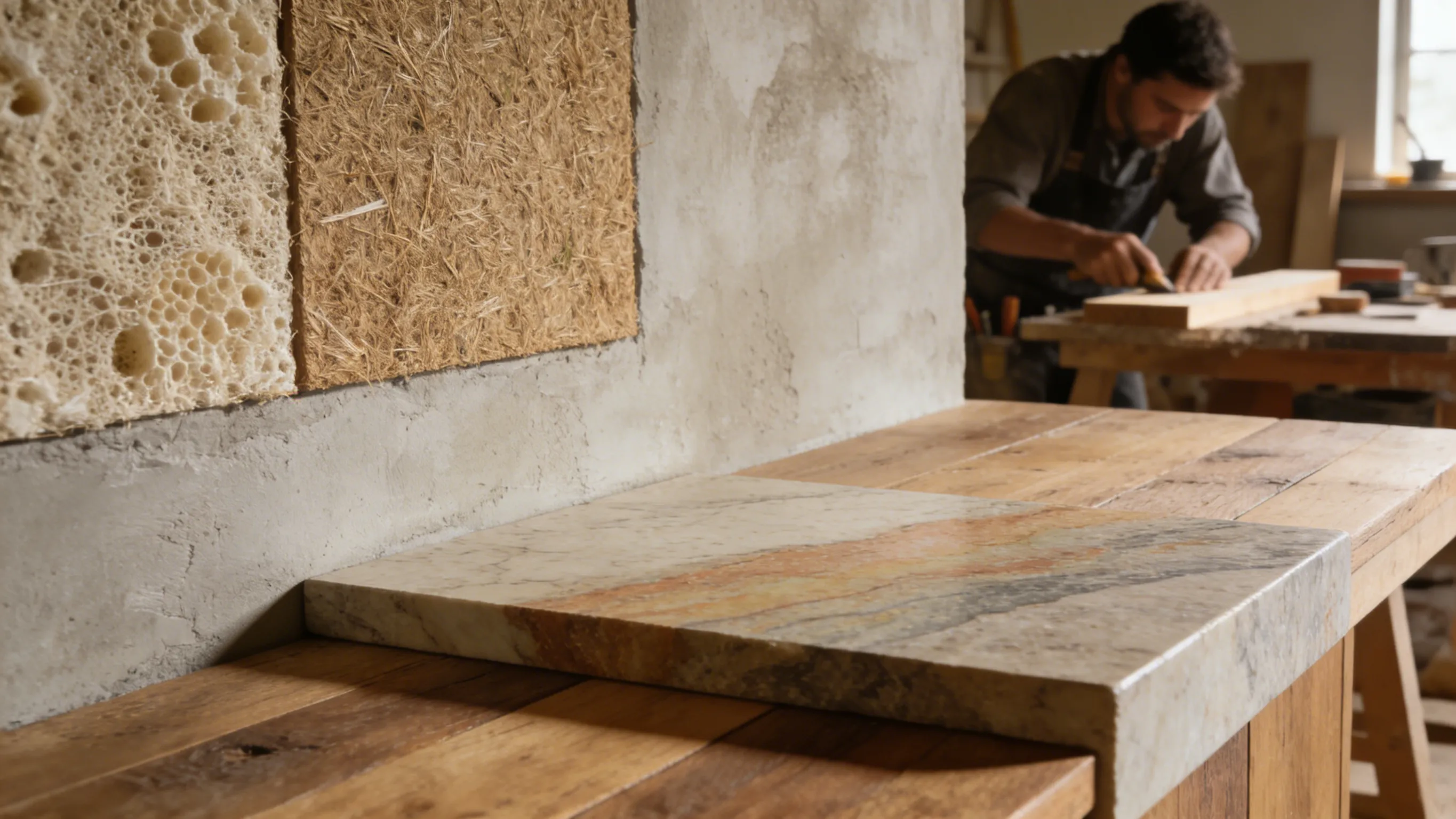
Before layering or accessorizing, one must become fluent in the material lexicon. High-end style often leans on natural fibers, not for snobbery, but for performance and evolution. Consider linen, a darling of interior designers for centuries. Its inherent slubs and irregularities aren’t flaws; they’re character. As Paige Morse, a noted Los Angeles-based designer, told Architectural Digest, “Linen gets better with age. It softens, it relaxes, it tells the story of a life lived.” This acceptance of patina—the gentle fading, the soft creasing—is antithetical to fast-fashion decor and central to cultivated style.
Cotton, particularly in dense weaves like canvas or sateen, offers durability and a crisp, tailored look ideal for structured upholstery or sharp-edged bedding. Wool, from sleek merino to chunky bouclé, provides unparalleled texture and innate climate regulation. Then there’s silk, the ultimate in decadent reflection and sensuality, often best used in moderation—a cushion, a trim, a small upholstered bench—to elevate without overwhelming.
The true magic, however, often happens in the blends. A cotton-linen union marries linen’s texture with cotton’s stability. A wool-silk blend adds a luminous depth to sturdy fabric. The key is to seek out natural fiber compositions. As a 2023 report from the Sustainable Furnishings Council highlighted, beyond environmental benefits, natural fibers generally offer superior breathability, moisture-wicking, and longevity compared to their synthetic counterparts, which can trap heat and degrade with UV exposure.
The Tactile Hierarchy: Layering for Depth
A monotextural room falls flat, regardless of color scheme. High-end styling is inherently cinematic, relying on contrast and depth to create visual interest. This is where layering comes in—not just piling things on, but creating a deliberate tactile hierarchy.
Start with your largest textile anchor: the rug. “A rug is the soul of a room,” declares designer Athena Calderone in her book Live Beautiful. It grounds the space. For a high-end feel, consider scale—dare to go larger than you think, allowing furniture to sit comfortably on it—and pile. A plush, high-pile wool rug invites bare feet, while a flat-weave jute or sisal adds organic, casual texture. On top of this, build your upholstery. Pair a smooth, aniline leather sofa with a nubby, woven throw. Contrast the cool, sleek feel of a cotton-sateen armchair with the warm, fuzzy embrace of a mohair cushion.
The next layer is in the drapery. Here, fullness is a secret weapon. Research from the interior design platform Modsy suggests that panels with a width 2 to 2.5 times the window’s measurement create luxurious, generous folds. The break—where the curtain meets the floor—is crucial. A slight “puddle” (an extra 2-3 inches pooling on the floor) reads as decadent and romantic, while a clean, half-inch “float” above the floor feels modern and tailored. The hardware matters, too; a substantial, matte black or brushed brass rod can act as jewelry for the window.
Finally, the accent layer: pillows and throws. This is where playfulness meets polish. Odd numbers (groups of three or five) work best. Mix sizes (24”, 20”, lumbar) and textures within a cohesive color story. Imagine a large, neutral Belgian linen pillow, a medium-sized velvet one in a tonal hue, and a small, intricate needlepoint or shearling lumbar for punch. The throw, casually draped over a sofa arm or the foot of a bed, should feel invitingly redundant—there for comfort, not just display.
The Color & Pattern Alchemy
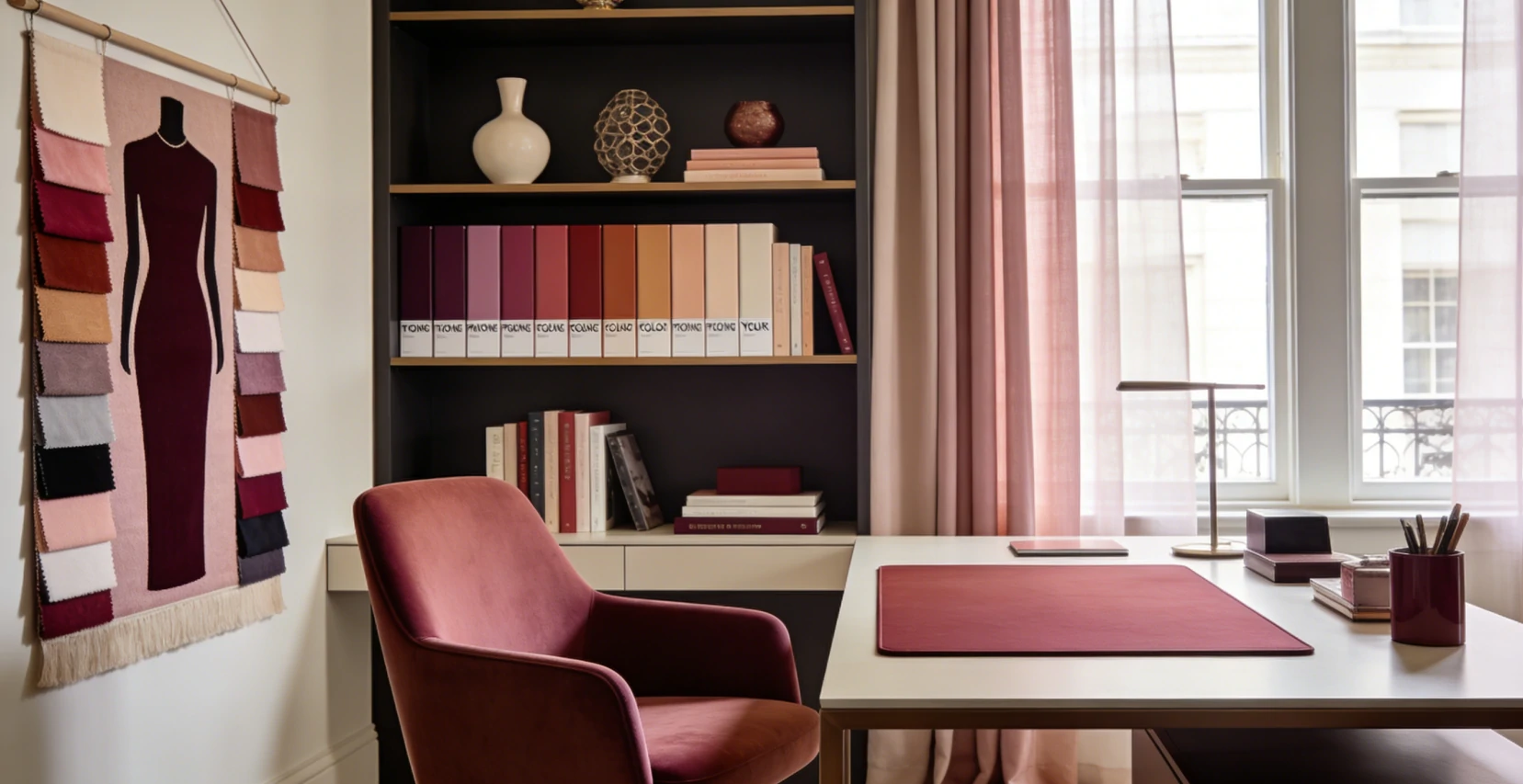
Color in fabrics is not merely hue; it’s saturation, weight, and emotion. High-end palettes often feel complex and restful. They embrace neutrals not as beiges and greys, but as a spectrum of earthy tones: ochres, clays, mossy greens, and smoky blues. These act as a calming canvas. Color psychologist Karen Haller has noted that these nature-derived hues promote a sense of stability and well-being in domestic spaces, which is perhaps why they feel inherently luxurious—they cater to our primal need for sanctuary.
Pattern, then, is the punctuation. The secret is scale and intentional clash. A large-scale, dramatic print on a single statement armchair or a set of curtains becomes a focal point. Pair it with a medium-scale stripe or a small, subtle geometric on adjacent pillows. The so-called “clash” is deliberate, guided by a shared color thread. Forget perfect matching; seek harmonious conversation. A traditional chintz can talk to a modern abstract if they share a base color. As design icon Miles Redd is often quoted, “I think the best rooms have something that’s a little bit wrong. It’s the thing that gives them life.” That “wrong” element is often a pattern that shouldn’t work but does, because it’s backed by confidence and a keen eye for color weight.
The Devil (and the Divine) in the Details
This is where true elevation occurs, in the details that whisper rather than shout. It’s the welt cord (piping) on a cushion, which can be done in a contrasting fabric or color to define its shape sharply. It’s the quality of the fringe on a throw or the weight of the tassel on a curtain tie-back. These are the equivalents of fine tailoring on a suit—the pick-stitching, the horn buttons.
Consider the humble seam. Inexpensive bedding often has narrow, single-stitched hems that pucker and pull. High-end linen or cotton sheets feature deep, double- or triple-stitched hems, sometimes with a discreet tonal embroidery of the brand’s logo. It’s a detail felt more than seen, signaling care in construction.
Another often-overlooked secret is the interlining of curtains. A layer of bump (a cotton flannel) or domette (a thicker, brushed cotton) sandwiched between the face fabric and the lining is a game-changer. It not only improves drape, creating those sumptuous folds, but also enhances thermal and acoustic insulation. As noted by fabric house Clarke & Clarke, interlined curtains are a hallmark of traditional British interior design, prized for their substantial, luxurious hand and performance. It’s an investment hidden in the walls, but one you feel in the quiet, darkened room and the perfect fall of fabric.
The Personal Archive: Beyond Trends
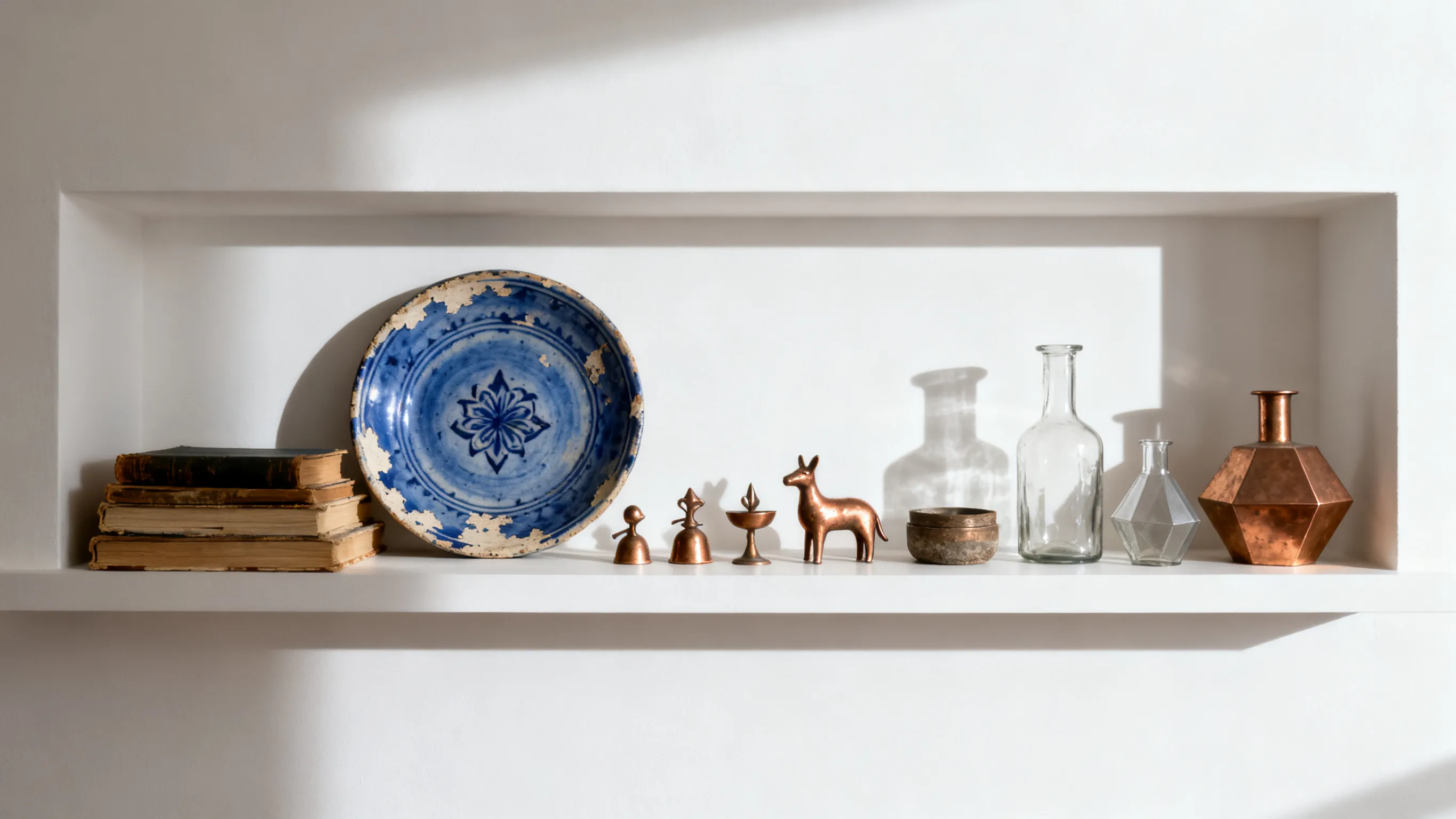
Perhaps the most potent secret to a high-end style is the deliberate move away from the transient and toward the personal. This means curating fabrics with history and meaning. It’s the inherited kilim rug, its dyes softened by decades of sun. It’s the fragment of a vintage Suzani embroidery framed as art. It’s re-upholstering a grandmother’s armchair in a bold, modern velvet, creating a dialogue between generations.
This approach builds what design scholar Dr. Emma Ferry calls a “material biography” of a home. Each textile becomes a chapter, telling stories of travel, heritage, or simply a moment of finding the perfect thing. A room furnished this way cannot be replicated by a catalog or an algorithm. It has soul. It feels collected over time, not delivered in a single box. This patience is, in our instant-gratification world, the ultimate luxury.
In the end, the secrets to high-end style with fabrics are less about rigid rules and more about developing a sensitive, tactile relationship with your environment. It’s choosing the wool that makes you want to run your fingers over it again and again. It’s layering the linen and the velvet because their contrast brings you joy. It’s in the confidence to let a fabric age, to tell its story alongside yours. When you begin to see textiles not as mere decor but as the emotional and sensory lining of your life, that is when true style—deep, personal, and undeniably high-end—takes root and flourishes.