Creative
Smart Lock: Keyless Entry, Enhanced Security
Author: James Whitfield

How Modern Technology Is Redefining Home Safety and Convenience
It’s a chilly November evening in 2025. Rain taps gently against your window as you fumble through your bag, searching for keys you can’t seem to find. Meanwhile, your neighbor simply raises their wrist, taps their smartwatch, and glides effortlessly through their front door. This isn’t a scene from a sci-fi movie—it’s the reality for millions of homeowners today. Smart locks, once a niche luxury, have quietly revolutionized how we interact with our homes.
The Shift from Traditional to Keyless Living
For decades, the metallic jingle of keys symbolized ownership and security. But as urban life grows more fast-paced, the limitations of physical keys have become impossible to ignore. Locksmiths report that nearly 30% of emergency calls involve lost or misplaced keys. “We’re witnessing a cultural shift,” says Dr. Lena Torres, a behavioral researcher at the Stanford Urban Living Lab. “People aren’t just adopting smart locks for convenience—they’re rethinking their relationship with security.”
Take the Schlage Encode Plus, for example. This Wi-Fi-enabled deadbolt doesn’t just replace keys; it integrates seamlessly into digital ecosystems. With support for Apple Home Key, it allows users to unlock doors with a tap of their iPhone or Apple Watch. One early adopter, Maria Gonzalez, shared how the lock eased anxieties during her family’s hectic mornings: “My kids no longer worry about forgetting keys. They just use their phones, and I get a notification when they’re home.”
How Smart Locks Balance Accessibility and Security
Critics often question whether keyless entry compromises safety. After all, if a device connects to the internet, could it be hacked? The answer, according to cybersecurity experts, is nuanced.
“No system is entirely foolproof,” admits Alex Rios, a lead engineer at Yale’s digital security division. “But modern smart locks employ bank-level encryption and multi-factor authentication.” Brands like August and Level Lock have incorporated features such as temporary access codes and biometric verification. A 2024 study by the IoT Security Foundation found that smart locks with regular firmware updates were significantly less vulnerable to breaches than traditional locks susceptible to picking or bumping.
Still, the human element remains crucial. Some users, for instance, neglect to update software or rely on weak passwords. “Technology can only do so much,” Rios adds. “Awareness is the final layer of defense.”
The Unseen Benefits: Integration and Intelligence
What sets today’s smart locks apart isn’t just keyless entry—it’s their role as a hub for broader home automation. Brands like Google Nest and Philips Hue have partnered with lock manufacturers to create synchronized experiences. Imagine your door unlocking as you approach, triggering lights to turn on and the thermostat to adjust. These small, interconnected actions form what industry insiders call “ambient intelligence.”
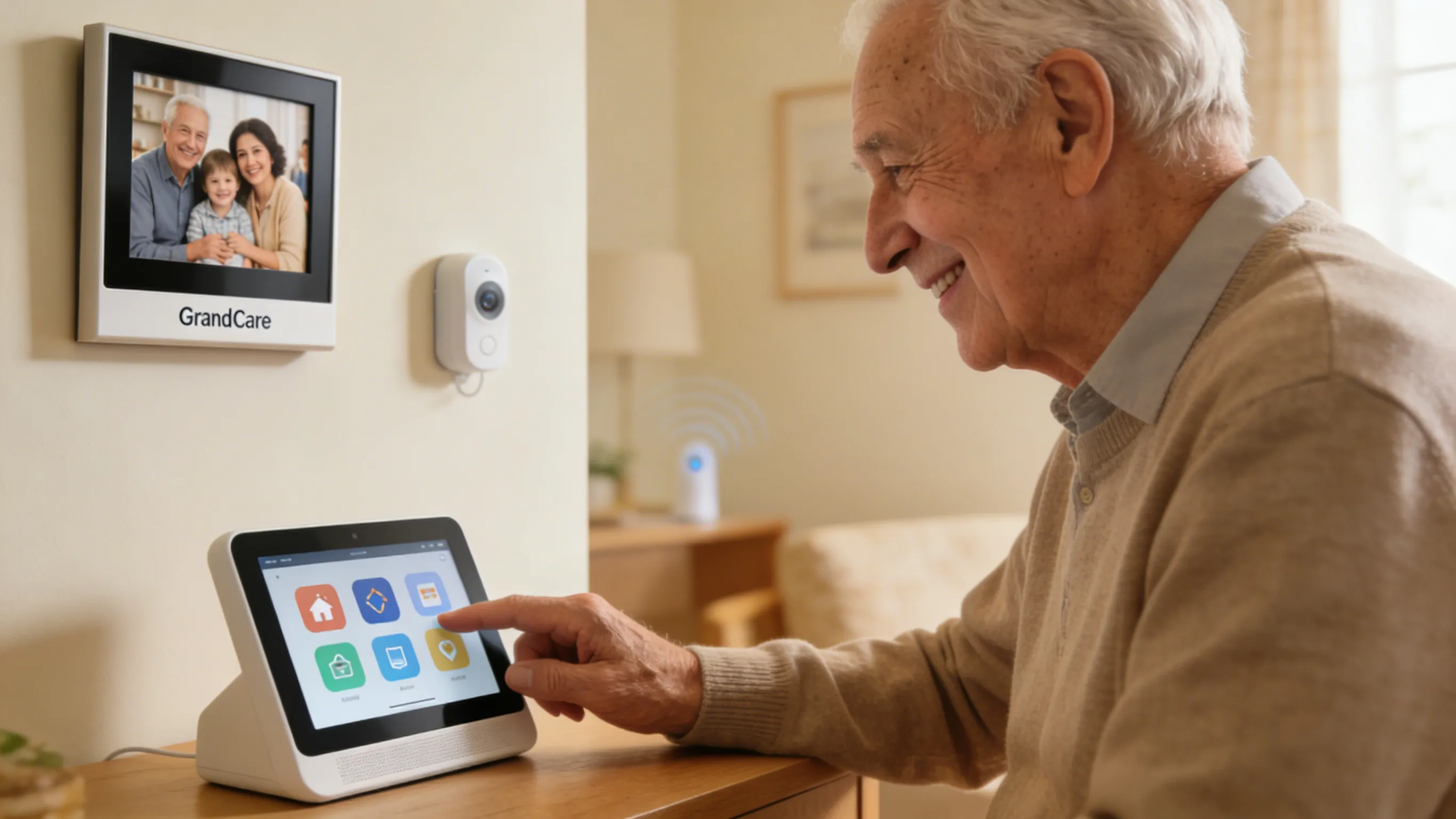
Samsung’s latest SmartThings-enabled lock, for instance, uses geofencing to detect your phone’s location. As you near home, it disarms the alarm and unlocks the door. Such features are particularly valuable for elderly or disabled individuals, offering independence without sacrificing safety.
Yet, this interconnectedness raises questions about data privacy. Some scholars argue that the trade-off between convenience and surveillance is still poorly understood. Dr. Hannah Lee, a tech ethicist at MIT, cautions, “We may be surrendering more data than we realize—from entry patterns to guest histories.”
Real-World Stories: When Smart Locks Made a Difference
Beyond specs and studies, it’s the everyday stories that reveal the true impact of this technology. James Miller, a freelance photographer from Austin, recalls a client meeting that ran late. His dog sitter, stranded outside with a confused golden retriever, needed immediate access. “I generated a one-time code from my phone and sent it via text. Problem solved in seconds,” he says.
Then there’s the case of Elaine Park, who rented her apartment on Airbnb. “With smart locks, I never had to coordinate key exchanges. Guests received unique codes valid only during their stay.” This frictionless experience, she notes, boosted her rental ratings and reduced administrative stress.
The Road Ahead: Challenges and Innovations
As of late 2025, the smart lock market is poised for further evolution. Biometric advancements—such as palm-vein scanning and facial recognition—are being tested by brands like Lockly and Ultraloq. These technologies promise even greater precision, though their affordability remains a hurdle.
Sustainability is another emerging focus. Companies are exploring solar-powered locks and biodegradable materials to reduce electronic waste. Meanwhile, legislation is catching up: the European Union’s recently passed Cybersecurity Resilience Act mandates stricter security protocols for IoT devices, including smart locks.
Conclusion: More Than a Lock, a Lifestyle
The smart lock is no longer a futuristic gadget—it’s a tangible upgrade to daily living. It embodies a world where technology doesn’t intrude but integrates, where security isn’t a burden but a seamless layer of life. Perhaps the most profound change is psychological: the quiet confidence of knowing your home is accessible yet protected, a sanctuary that adapts to you.
As smart homes evolve, the humble lock may well become the unsung hero of modern domesticity—a small device with a big promise: to make life simpler, safer, and strikingly human.