Creative
Simple Tricks to Prevent Drain Clogs Before They Start
Author: Lauren Hayes

There’s a certain dread that comes with watching water pool in your sink, refusing to drain. It’s a small inconvenience that can quickly escalate into a messy, costly problem. Yet, many of us wait until the water stops moving entirely before we take action. What if, instead, we focused on preventing clogs before they even begin?
The truth is, most drain blockages don’t happen overnight. They’re the result of daily habits—tiny, seemingly harmless actions that accumulate over time. From rinsing coffee grounds down the kitchen sink to letting hair swirl into the bathroom drain, we often unknowingly contribute to the problem. But with a few simple, intentional changes, it’s possible to keep drains flowing freely and avoid the frustration—and expense—of calling a plumber.
The Anatomy of a Clog
Before diving into prevention, it helps to understand what we’re up against. Drains aren’t designed to handle everything we send their way. According to plumbing experts like those at Roto-Rooter, the most common culprits of household clogs are:
- Grease and fats in kitchen sinks
- Hair and soap scum in bathroom drains
- Small objects and non-flushable items in toilets
These substances might seem harmless in small quantities, but over time, they cling to pipe walls, narrowing the passage until water can no longer pass through. As one plumber put it, “A drain is like an artery. Keep it clean, and it works perfectly. Let things build up, and you’re headed for trouble.”
Kitchen Sinks: Where Grease Is the Enemy
The kitchen sink often bears the brunt of our busiest moments. After cooking a hearty meal, it’s tempting to rinse everything down the drain. But that’s where trouble begins.
Watch What You Wash
Cooking oils, butter, and grease might be liquid when hot, but as they cool, they solidify into a sticky, stubborn mass inside your pipes. Instead of pouring them down the sink, try pouring cooled grease into a disposable container and tossing it in the trash.
One homeowner, Sarah, shared her “aha” moment after dealing with a stubborn kitchen clog. “I used to pour bacon grease down the drain without a second thought,” she said. “Then one day, the sink backed up, and the plumber pulled out what looked like a giant, greasy hairball. Never again.”
Use Strainers Religiously
A simple, inexpensive sink strainer can catch food particles, coffee grounds, and other debris before they enter your pipes. It’s a small tool that makes a big difference.
Flush with Hot Water
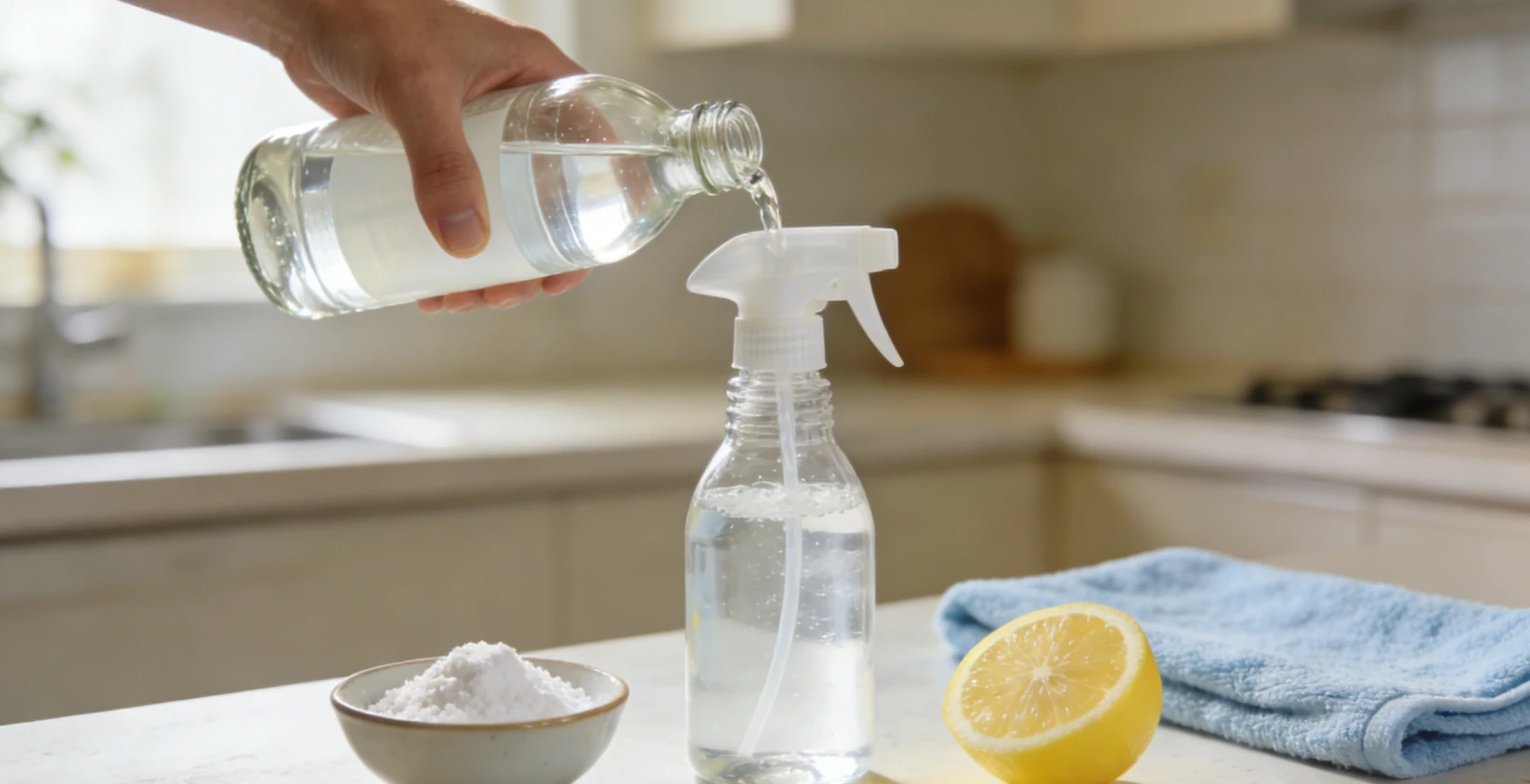
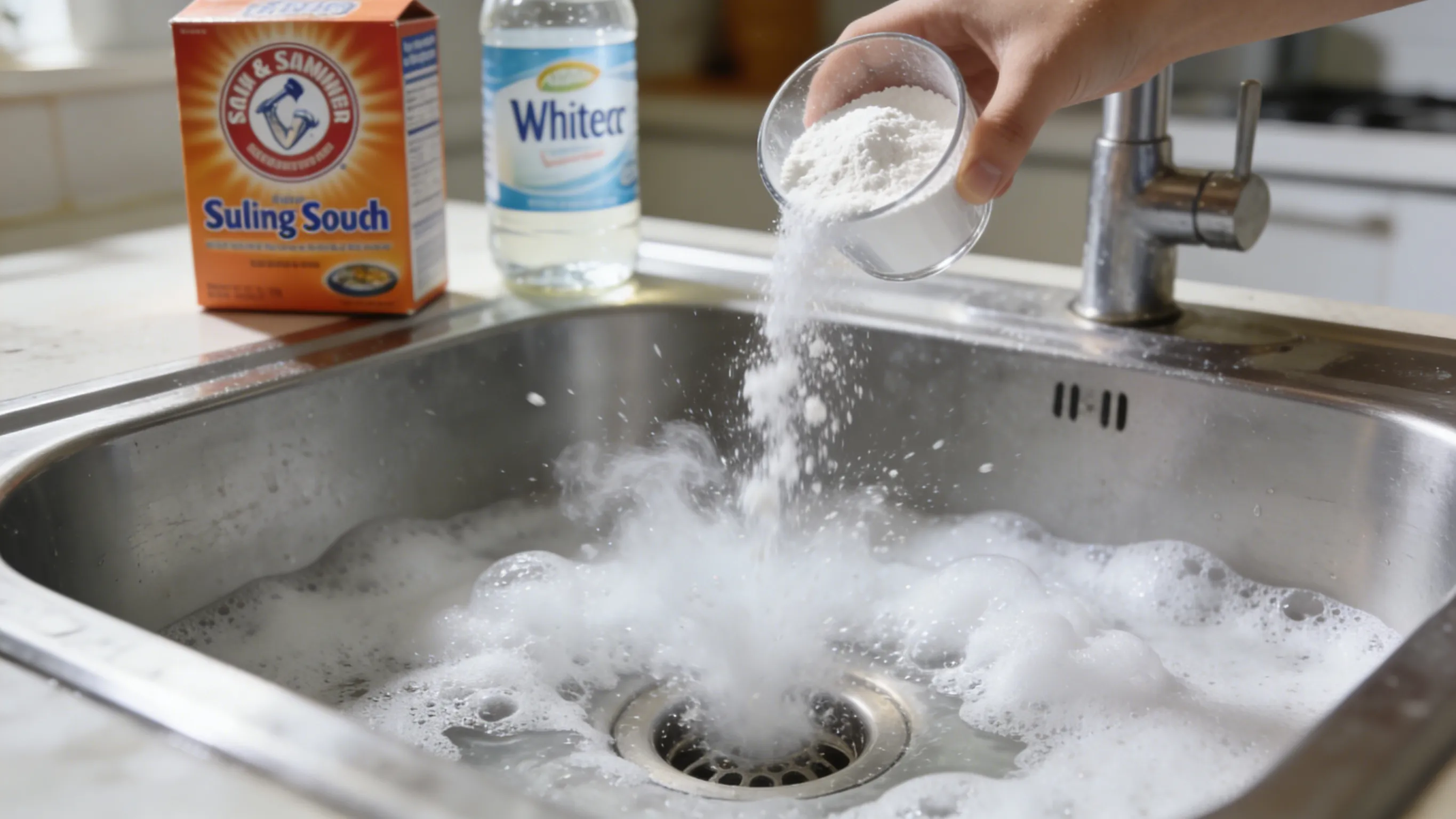
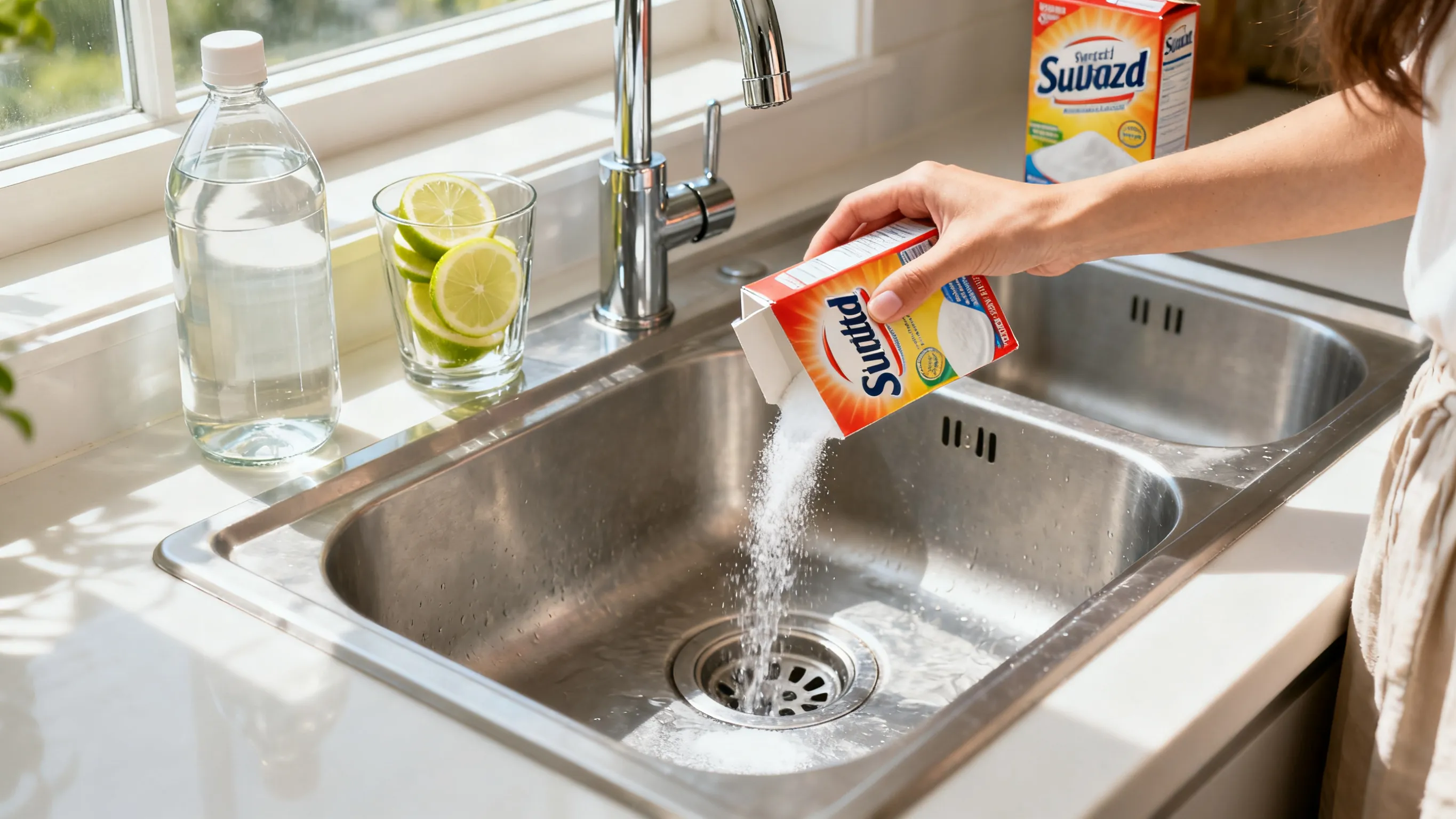
While it won’t dissolve grease entirely, running hot water down the drain after each use can help move small residues along before they settle. Some experts suggest doing this weekly with a mix of vinegar and baking soda to break down minor buildup.
Bathroom Drains: The Battle Against Hair and Soap
Bathroom drains face a different set of challenges. Hair, soap scum, and toothpaste residue are the usual suspects here.
Install a Hair Catcher
It might not be the most glamorous accessory, but a hair catcher is a drain’s best friend. These inexpensive mesh or silicone covers trap hair before it slips into the pipes, and they’re easy to clean after each shower.
Rinse with Care
Soap might seem harmless, but many traditional bar soaps contain fats that can contribute to clogs. Liquid soaps are generally less likely to cause issues, but regardless of your choice, rinsing the drain thoroughly with hot water after each use can help minimize residue.
A Monthly Maintenance Ritual
Pouring a pot of boiling water down the drain once a month can help dissolve soap scum and other organic materials. For a deeper clean, some plumbers recommend a mixture of baking soda and vinegar followed by hot water. As one DIY enthusiast noted, “It’s like giving your drains a mini spa day.”
Toilets: Only Flush the Essentials
Toilets are perhaps the most misunderstood drains in the house. It’s easy to treat them like trash cans, but they’re designed for very specific things—and almost nothing else.
The “Flushable” Myth
Despite what packaging might claim, products like wet wipes, cotton swabs, and even some types of toilet paper don’t break down easily. A study by the Water Environment Federation found that so-called “flushable” wipes are a leading cause of sewer blockages worldwide.
Stick to the Basics
When in doubt, remember the three P’s: pee, poop, and (toilet) paper. Everything else belongs in the trash.
The Power of Prevention
Preventing drain clogs isn’t about drastic measures. It’s about consistency and mindfulness. Small actions, like scraping plates into the trash before washing them or brushing your hair before showering, can make a world of difference.
As one plumbing professional noted, “The best clogs are the ones that never happen.”
When Prevention Isn’t Enough
Even with the best habits, occasional clogs can still occur. If you notice water draining slowly, don’t ignore it. Address it early with a plunger or a drain snake before it becomes a bigger issue.
For persistent problems, it might be worth calling a professional. As the old saying goes, “An ounce of prevention is worth a pound of cure.” In the case of drains, that cure can cost hundreds—or even thousands—of dollars.
Final Thoughts
Our drains work hard for us, day in and day out. By treating them with a little care and attention, we can extend their lifespan and save ourselves time, money, and stress. So the next time you’re about to rinse something questionable down the sink, pause for a second. Your pipes will thank you.
After all, a clear drain is one less thing to worry about in a busy life. And isn’t that what we all want?