Creative
Reupholstering 101: When and How to Give Your Furniture New Life
Author: Daniel Brooks

There’s something almost magical about a piece of furniture that has weathered years of life with you. That armchair where you nursed midnight cups of tea while finishing a novel, the sofa that hosted countless movie nights and heart-to-heart conversations—these items hold memories. Yet, time inevitably leaves its mark. Fading colors, worn-out fabric, and sagging cushions can make even the most beloved piece seem tired. But before you consider relegating it to the curb, pause. Perhaps what it needs isn’t replacement, but revival.
Reupholstering—the art of replacing the fabric and padding of furniture—is more than a craft; it’s a sustainable, deeply personal way to extend the life of your furnishings. In an era of fast furniture and disposable decor, this practice invites us to slow down, to invest in quality, and to reimagine the familiar. As designer and sustainability advocate Ilse Crawford once noted, “The things we live with, live with us. They shape our behavior and our emotions.” Giving an old piece new life isn’t just about aesthetics; it’s about honoring the stories embedded in its frame.
When to Consider Reupholstering
Not every piece of furniture is a candidate for reupholstering, and recognizing the right moment—and the right item—is the first step. Some signs are obvious: fabric that’s frayed, stained beyond cleaning, or faded by sunlight. Others are subtler, like cushions that no longer provide support or a frame that creaks with every shift in weight. But structural integrity is key. If the bones are good—the frame is solid, joints are tight, and the piece has stood the test of time—then it’s likely worth saving.
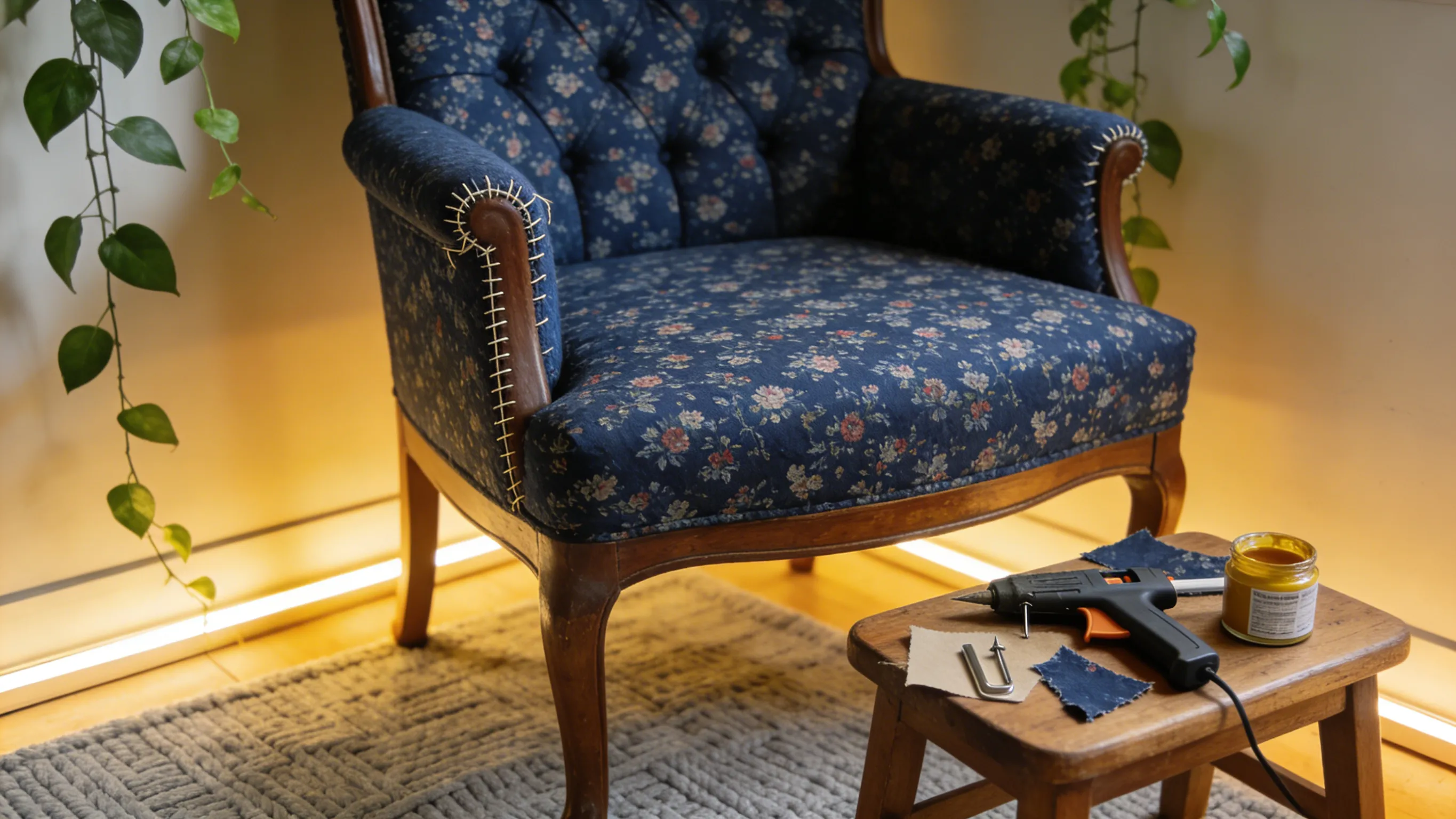
Take, for example, the story of a mid-century modern armchair I once encountered in a Brooklyn thrift store. Its original orange upholstery was threadbare, and one of the legs was slightly wobbly. Yet, beneath the wear, the chair’s walnut frame remained sturdy, its lines elegant. A local craftsman stabilized the leg, and with a rich, navy blue velvet fabric, the chair was transformed. It now sits in a sunlit corner of my study, a testament to the potential hidden beneath neglect.
Timing also matters. Research from the Furniture Care Institute suggests that well-made upholstered furniture can last decades with proper care, but after 10–15 years, fabric deterioration often accelerates. However, this isn’t a hard rule. Some materials, like leather, can develop a desirable patina over time, while others, like certain synthetic blends, may show wear sooner. The decision to reupholster often hinges on emotional value, too. That inherited sofa from your grandparents or the first armchair you bought after college—these pieces carry intangible worth that transcends their physical state.
The How: A Step-by-Step Guide to Reupholstering
Reupholstering can be a deeply rewarding DIY project for the hands-on individual, though complex pieces may require professional help. Here’s a practical roadmap to guide you through the process, whether you’re tackling it yourself or collaborating with an expert.
1. Assess the Piece
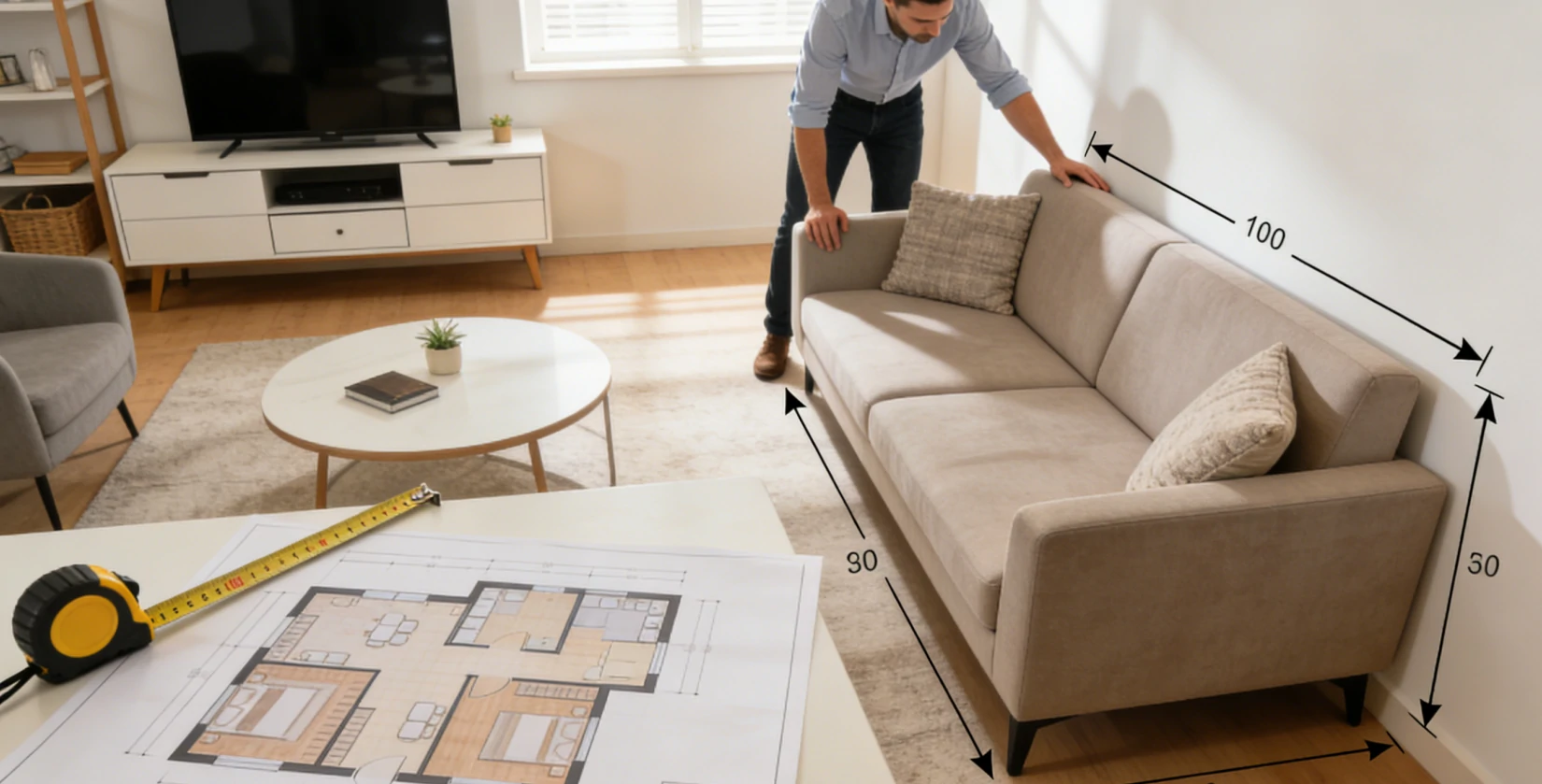
Begin by examining the furniture inside and out. Check the frame for stability—no amount of new fabric can fix a broken structure. Look at the webbing, springs, and padding. Are they intact, or do they need replacement? As one seasoned upholsterer in London told me, “The foundation is everything. A beautiful fabric on a weak base is like painting over rust.”
2. Choose Your Fabric
Fabric selection is where personality shines. Durability, texture, and color all play a role. For high-use items like sofas, consider performance fabrics rated for heavy wear. Natural fibers like cotton and linen offer breathability but may stain easily, while synthetics like microfiber are stain-resistant and durable. Don’t underestimate the power of texture—a nubby bouclé or sleek velvet can completely alter the piece’s character.
3. Document and Disassemble
If you’re DIY-ing, photograph the furniture from every angle before taking it apart. Remove the old fabric carefully, keeping pieces intact to use as patterns. Label each section—inside back, seat cushion, arm panels—to avoid confusion later. This stage is often where surprises emerge: hidden stamps from long-gone manufacturers, layers of outdated fabric, even occasional notes left by previous owners. It’s a tactile history lesson.
4. Repair and Replace
Address any structural issues now. Tighten loose joints, replace broken springs, and update worn-out padding. High-density foam is a popular choice for cushions, though some prefer down-filled inserts for a softer, more luxurious feel. This is also the time to consider ergonomic updates—adding more lumbar support to a chair back, for instance.
5. Cutting and Fitting
Lay the old fabric pieces on your new material, using them as templates. Cut with precision, adding a little extra for seam allowances. Fit the new fabric section by section, starting with the largest areas like the seat and back. A staple gun is your best friend here, but pull fabric taut—not tight—to avoid distortion.
6. Finishing Touches
Details like double-welt trim, nailhead accents, or tufted buttons can elevate the piece from renewed to remarkable. These elements require patience and a keen eye, but they’re often what separates a amateur job from a professional one. As one interior designer in Copenhagen remarked, “It’s the subtle details that make a piece feel intentional, not just recovered.”
Why Reupholstering Matters Today
In a world increasingly aware of environmental impact, reupholstering stands as a quiet act of rebellion against throwaway culture. The Environmental Protection Agency estimates that over 9 million tons of furniture end up in U.S. landfills annually. By choosing to reupholster, you’re not only preserving a piece of furniture but also reducing waste and conserving resources.
There’s an economic case, too. While reupholstering isn’t always cheaper than buying new, it often results in higher quality. Mass-produced furniture rarely matches the durability of a well-restored vintage piece. Moreover, reupholstering allows for customization—selecting a fabric that perfectly matches your decor, adjusting the firmness of cushions, even modifying the silhouette slightly.
Perhaps most importantly, reupholstering fosters a deeper connection to our surroundings. In the words of craftsman and author Bill Coperthwaite, “We have forgotten how to be good guests—how to walk lightly on the earth.” Restoring furniture is a small but meaningful way to re-engage with that ethos.
A Final Thought
Reupholstering is both practical and poetic. It bridges past and present, function and sentiment. That chair waiting in your basement, the one with the faded flowers and the slightly loose leg—it might just be holding its breath for a second chance. Perhaps it’s time to listen.