Creative
Simple DIY Projects to Customize Your Furniture

The chair in my study has a small, crescent-shaped indentation on its left armrest. It’s not a defect from the factory; it’s the precise spot where my elbow rests during long hours of writing. Over the years, the polished wood has worn down, accepting the shape of my habit. This tiny, personal modification—unplanned and accrued—transforms a mass-produced object into something uniquely mine. It speaks to a quiet truth about our living spaces: the furniture that truly resonates often bears the gentle scars of our lives. Yet, we don’t have to wait a decade for this patina to form. With intention, a few tools, and a weekend afternoon, we can actively sculpt our surroundings, moving from passive consumers to engaged creators of our domestic landscape. This isn't about grand renovations or expensive overhauls; it's about the profound impact of simple, personalized touches.
The modern furniture market, for all its variety, operates on a principle of sameness. A quick search for a "mid-century modern side table" yields thousands of nearly identical results. As design critic Alice Rawsthorn once noted in a Financial Times column, "We are drowning in a sea of homogenized design, where global supply chains prioritize efficiency over character." The result is a domestic environment that can feel curiously anonymous, a showroom rather than a sanctuary. The psychological weight of this is significant. Environmental psychologists point to a concept known as "place identity," the idea that our sense of self is intertwined with our physical surroundings. When those surroundings lack personal markers, a subtle disconnect can occur. A home furnished entirely by catalogue may be stylish, but it risks feeling like a hotel—polished, impersonal, and temporarily occupied.
This is where the philosophy of customization intervenes, not as a frivolous hobby, but as a meaningful act of reclaiming agency. The do-it-yourself approach to furniture modification is less about woodworking mastery and more about intentionality. It’s the difference between buying a picture and painting one. The value shifts from the monetary cost of the object to the invested time, thought, and creativity. The process itself becomes a meditative counterpoint to our fast-paced, digital lives. Sanding down a rough edge, carefully applying a coat of paint, or reupholstering a seat cushion requires a focus that pulls us into the present moment. The final product is not just a refreshed piece of furniture; it’s a testament to that focused time, a physical anchor for a mental state.
Let’s move from theory to the tactile joy of practice. The gateway project for many is the transformative power of paint and finish. A dated, dark wood dresser can be utterly reborn with chalk paint, a user-friendly option that requires minimal surface prep. The key here is layering and technique, not just a single coat. Consider the "distressed" look, achieved by lightly sanding edges and corners after painting to allow the original wood or a base coat to peek through. This doesn’t require an artisan’s hand. As DIY blogger and author Marianne Canada often demonstrates, "It’s about controlled imperfection. You’re not making a mistake; you’re adding history and depth." For a more modern twist, try color blocking: painting the drawers of a cabinet a bold, contrasting hue while leaving the frame a neutral tone. Research from home decor analytics firms like Modsy suggests that such two-tone treatments have seen a 70% increase in client requests over the past two years, pointing to a desire for dynamic, personalized color statements.
Hardware, the jewelry of furniture, offers perhaps the highest impact-to-effort ratio in the DIY canon. Swapping out standard knobs and pulls for something with unique character can redefine a piece’s entire personality. A plain Ikea Malm dresser sheds its ubiquitous identity with a set of ceramic pulls or leather tabs. The process is simple—usually just a screwdriver—but the effect is immediate and profound. It’s a lesson in proportion and style. Brushed brass pulls can inject warmth into a sterile kitchen cabinet, while sleek, tubular bar pulls can modernize a traditional wooden desk. The market for artisan hardware has exploded, with platforms like Etsy connecting makers with homeowners, a trend that Forbes recently attributed to the "micro-customization" movement within the larger home improvement sector.
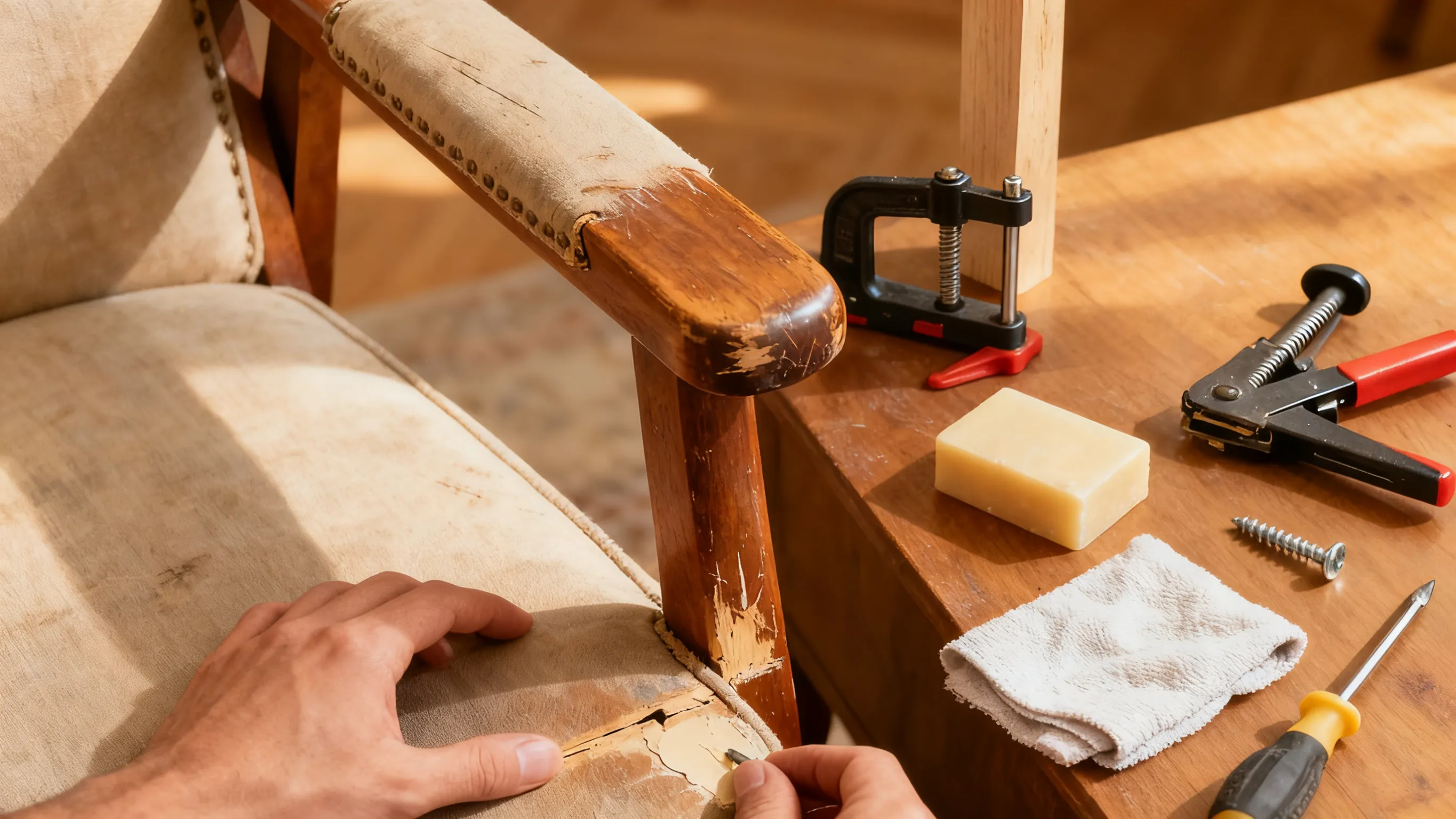
For those ready to engage more deeply with a piece’s structure, reupholstery presents a rewarding challenge. It doesn’t necessarily mean tackling a full sofa. A desk chair, a piano bench, or a simple dining chair seat is a perfect starting point. The process—removing old fabric, cutting new material to size, and stapling it taut—is deeply satisfying. It engages multiple senses: the sound of tearing old fabric, the feel of a new textile (a sturdy linen, a velvet with a rich nap), the visual satisfaction of a crisp, finished edge. Textile designer and upholstery instructor Liam Greene argues that "fabric is the soul of a piece. Changing it doesn’t just change the look; it changes the tactile relationship you have with the furniture every day." This project allows for dramatic personal expression, from using a vibrant, patterned Scandinavian print to a durable, neutral performance fabric for a family-friendly home.
Beyond surfaces and attachments, consider the potential of additive customization. This involves augmenting a piece’s form or function. A basic wooden bookshelf can be fitted with integrated LED strip lighting hidden under each shelf, creating a gallery-like ambiance for displayed objects. A nondescript coffee table can be given a new life with a "river table" epoxy pour in its center, embedding meaningful memorabilia—sea glass from a favorite beach, vintage coins, fallen leaves—in a glossy, preserved tableau. While epoxy work requires careful research and safety precautions, the principle of embedding narrative is powerful. Simpler additions include attaching hairpin legs to a vintage trunk to create a unique side table, or building a simple wooden frame to turn a large, beautiful textile into a wall-hanging headboard.
The tools required for this journey are reassuringly basic. A quality screwdriver set, a sanding block with various grits, a staple gun for upholstery, a set of paintbrushes, and a good tape measure form the core toolkit. The most important tool, however, is a mindset that embraces experimentation and accepts "happy accidents." Not every stroke of paint will be perfect; a cut line of fabric might be slightly off. These minor flaws are not failures; they are the very signatures of handmade work, the equivalents of the elbow-worn groove in my chair. They authenticate the object.
The implications of this practice extend beyond the aesthetic. In an era of environmental concern, customizing existing furniture is a potent act of sustainability. It diverts pieces from landfills, challenges the disposable culture of fast furniture, and honors the resources already expended in their creation. A 2023 report by the Ellen MacArthur Foundation emphasized that "lengthening the active life of furniture products is one of the most effective levers for reducing the carbon footprint of the home goods industry." When you refinish a table, you are not just saving money; you are participating in a circular economy.
Ultimately, customizing your furniture is a dialogue with your environment. It starts with looking at the pieces in your home not as fixed, final entities, but as possibilities. That bookshelf isn't just brown; it's a potential canvas for color. That armchair isn't just worn; it's awaiting a new skin that reflects your current taste. Each completed project builds confidence, not just in DIY skills, but in your own creative agency. The home becomes a living portfolio of your evolving style and capability, a space that doesn't just house you, but actively represents you. It shifts from being a place you buy things for, to a place you make things in. The final reward is the deep, quiet satisfaction of sitting in a room and being surrounded not by purchases, but by creations—each with a story that begins with your own two hands.