Creative
Quiet Luxury: The New Face of Modern Minimalism
Author: Sarah Mitchell

In the heart of Milan, a designer I once interviewed gestured toward a sleek, unadorned sofa in her studio. “This,” she said, her voice calm and assured, “is not about having less. It’s about having more of what truly matters.” That statement, simple yet profound, captures the essence of a design movement quietly reshaping our living spaces: Quiet Luxury. This isn't the stark, sometimes cold, minimalism of decades past. It’s a warmer, more nuanced philosophy—a new face for modern minimalism that prioritizes soulful substance over fleeting style, transforming our homes into sanctuaries of well-being.
For years, minimalism was synonymous with white walls, sparse furniture, and an almost austere rejection of ornament. It was a reaction to clutter, but for many, it felt more like a deprivation than a liberation. The human need for comfort, texture, and a sense of personal history was often left unmet. Now, a shift is occurring. Perhaps it’s a collective response to the noise of digital life and the turbulence of global events. We are, it seems, craving anchors—places that feel grounded, authentic, and deeply personal. This is where Quiet Luxury emerges, not as a trend, but as a thoughtful evolution.
The Philosophy: More Than Meets the Eye
At its core, Quiet Luxury is an antidote to the loud, logo-driven consumption that has dominated the luxury market. It rejects the need for external validation through branded goods. Instead, as design critic Anya Petrova notes in her recent essay for Architectural Digest, “It’s a cultivated, internal confidence. The value is intrinsic, found in the quality of the materials, the integrity of the craftsmanship, and the emotional resonance of the object.” It’s the difference between a mass-produced, ornately carved side table and a simple, hand-finished oak one where you can feel the wood grain. The latter doesn't shout; it whispers, and in doing so, commands a different kind of attention.
This philosophy aligns with what some economists are calling the "stealth wealth" movement, but it transcends mere finance. It’s about a mindset. A study from the University of California, Berkeley’s Greater Good Science Center pointed to a fascinating correlation: individuals who curated their environments with intention and meaning, rather than sheer volume, reported higher levels of daily contentment. Their spaces weren’t just visually calm; they were psychologically restorative. This isn’t about minimalism as an aesthetic dogma, but as a tool for crafting a more focused and serene life.
The Elements of a Quietly Luxurious Home
So, what does this look like in practice? Walking into a home imbued with this style, you might not immediately pinpoint a single “wow” factor. The impact is cumulative, felt in the atmosphere.
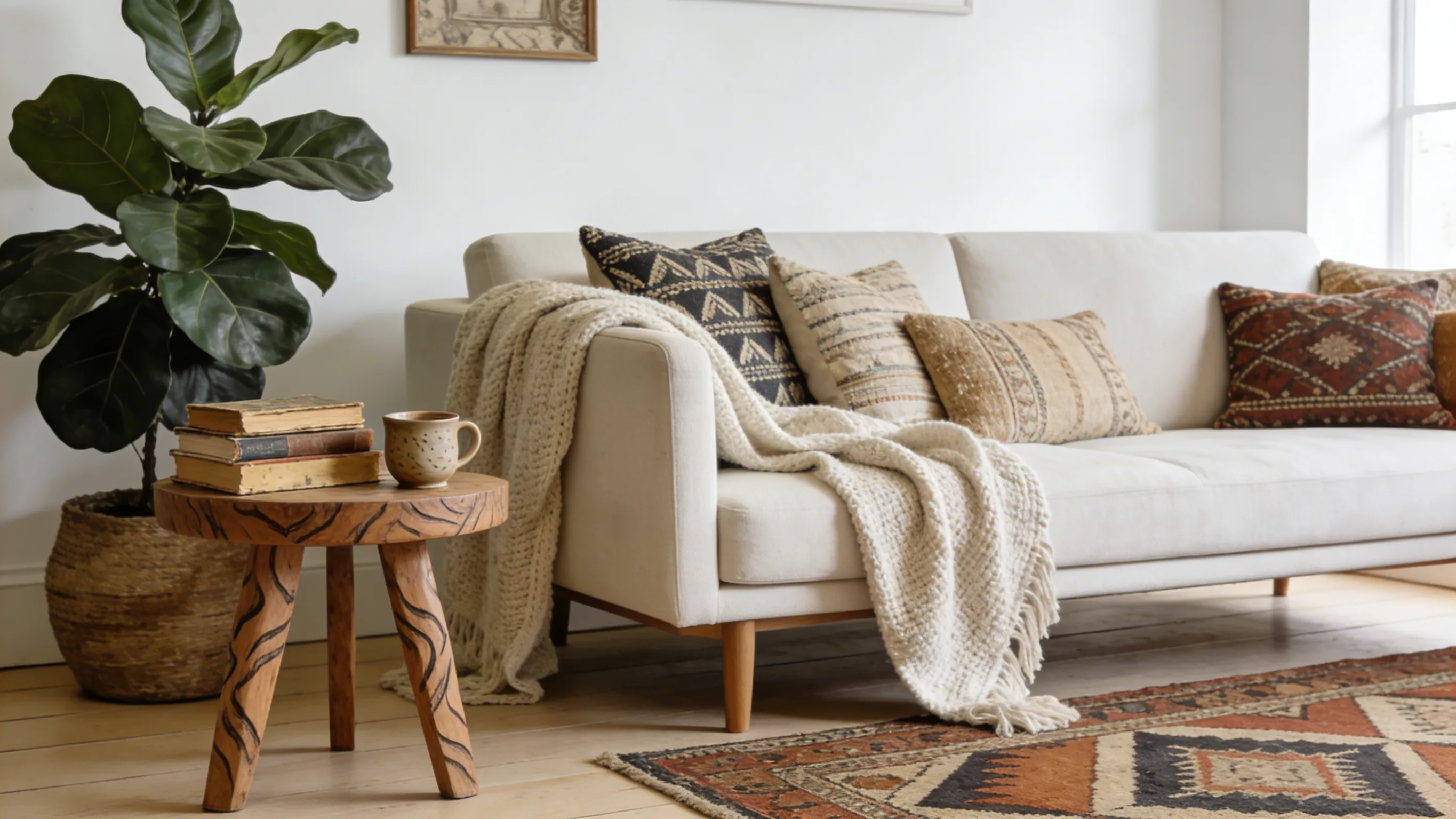
- A Muted, Tactile Palette: Forget sterile white. The color story here is one of nuanced neutrals—oatmeal, stone, misty grey, and earthy taupe. These colors form a calm canvas, but the magic is in the texture. A nubby, wool bouclé throw draped over a streamlined sofa. Smooth, cool marble next to the warm, rugged grain of reclaimed wood. A wall finished in softly pigmented lime wash that catches the light differently throughout the day. This layered texturality prevents the space from feeling flat or impersonal, inviting touch and creating visual depth.
- The Cult of Craftsmanship: Every object is chosen with deliberate care. This is where the "luxury" is invested. It might be a single, exquisitely comfortable armchair from a small, family-run atelier in Denmark, built to last generations, instead of a full matching set from a big-box store. It’s the knowledge that the ceramic vase on the mantel was coiled by hand, its slight imperfections being the very signature of its authenticity. As master furniture maker Carl Hansen famously stated, “The best designs are those that are felt, not just seen.” This approach naturally leads to owning fewer, but better, things.
- Curated, Not Cluttered: This style embraces emptiness as a positive element. Space is not something to be filled, but to be enjoyed. A single, powerful piece of art is given room to breathe on a wall. There are clear surfaces, but they aren’t barren; they might hold a small, sculptural object or a cherished family photograph in a simple frame. The editing process is continuous and thoughtful. I recall a client who, after adopting this approach, told me, “I finally got rid of the decorative items I felt I should have and kept only the ones I truly love. My home now feels like me.” This personal connection is paramount.
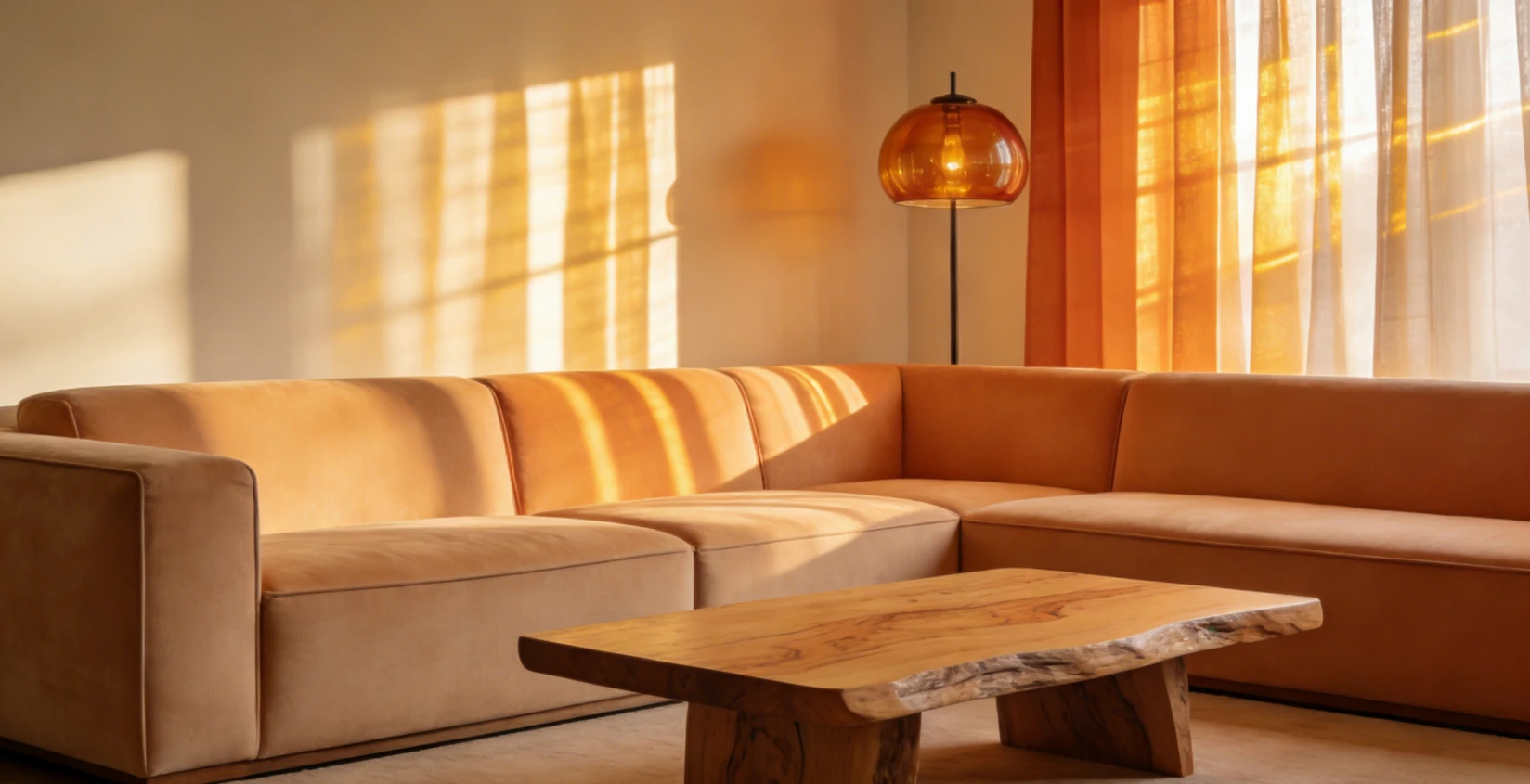
- Sensory Experience: Quiet Luxury engages all the senses, not just sight. It’s the subtle, earthy scent of a beeswax candle rather than an overpowering synthetic air freshener. It’s the way natural light is filtered through sheer, linen curtains to create a soft, diffused glow in the afternoon. It’s the profound silence achieved not just through the absence of noise, but through the presence of thick wool rugs and heavy curtains that absorb sound, making the space feel hushed and serene.
The Personal and Global Impact
Adopting this design ethos has ripple effects that extend far beyond our front doors. On a personal level, it fosters mindfulness. The act of carefully considering each purchase—asking "Do I truly love this? Will it last?"—cultivates a more intentional approach to consumption. It reduces the cognitive load of visual noise, allowing our overstimulated brains to rest. Some psychologists suggest that such environments can lower cortisol levels, making our homes true havens for mental recovery.
On a broader scale, this movement dovetails with a more conscious and sustainable way of living. By investing in quality over quantity, we inherently consume less and generate less waste. We support small-scale artisans and manufacturers who prioritize ethical practices over mass production. This isn’t a radical, all-or-nothing stance, but a gradual, considered shift in values. As sustainability advocate Li Wei Jie argues, “The most sustainable object is the one you already own, followed closely by the one you will keep for a lifetime.” Quiet Luxury is, in many ways, the aesthetic expression of this principle.
Of course, this approach is not without its challenges. Sourcing truly well-made, artisanal pieces often requires more time, research, and financial investment upfront. There is a learning curve involved in developing the confidence to embrace a less-is-more aesthetic in a world that often equates "more" with "success." And it requires a certain vigilance against the temptation of trends, which constantly beckon with their siren song of novelty.
Yet, the reward is a home that is not just a showcase, but a sanctuary. It’s a space that reflects a clear mind and a confident heart. It’s the feeling of closing the door on the chaotic world outside and entering an environment that is genuinely, deeply your own—calm, collected, and rich with unspoken meaning.
Quiet Luxury, then, is the new face of modern minimalism because it has remembered the heart. It has taken the clean lines and edited forms of its predecessor and infused them with warmth, soul, and a profound respect for the stories that objects can tell. It proves that true luxury isn’t about what you acquire, but what you curate. It’s not a destination, but a continuous, rewarding practice of bringing quiet intention into the heart of our daily lives.