Creative
Nest Labs: The Evolution of Smart Home Comfort
Author: James Whitfield

In the quiet hum of a modern home, where morning light filters through automated blinds and the thermostat adjusts itself before you even stir, lies a story of transformation. It’s a story not just of technology, but of comfort reimagined—one that Nest Labs has quietly, yet profoundly, shaped over the past decade. Founded by former Apple engineers Tony Fadell and Matt Rogers, Nest didn’t set out to merely sell gadgets; it sought to dissolve the boundaries between technology and daily living. Today, as smart homes evolve from luxury to necessity, Nest’s journey offers a blueprint for what it means to build a living space that is both intuitive and deeply personal.
The Genesis: More Than a Thermostat
When the first Nest Learning Thermostat debuted in 2011, it was easy to dismiss it as another sleek gadget. But its unassuming circular design hid a revolution. Unlike traditional thermostats, which demanded constant manual input, Nest learned. It observed patterns—when you woke up, when you left for work, when you returned—and adapted accordingly. As one early adopter noted, “It felt like the house was breathing with me.” This wasn’t just energy efficiency; it was a shift toward anticipatory comfort.
Research from the American Council for an Energy-Efficient Economy suggests that adaptive thermostats like Nest’s can reduce heating and cooling costs by up to 15%. But the real breakthrough was psychological: by removing the friction of daily adjustments, Nest gave users something invaluable—mental space. Perhaps that’s why, despite initial skepticism, the device quickly became a symbol of thoughtful innovation.
Expanding the Ecosystem: Cameras, Alarms, and a Unified Vision
Nest’s expansion into security cameras (Nest Cam) and smoke detectors (Nest Protect) seemed logical, yet it was fraught with challenges. Early iterations of Nest Protect, for instance, faced recalls due to faulty gesture controls—a reminder that even the most elegant designs can stumble. But Nest’s response was telling: transparent communication, swift rectification, and a renewed focus on reliability.
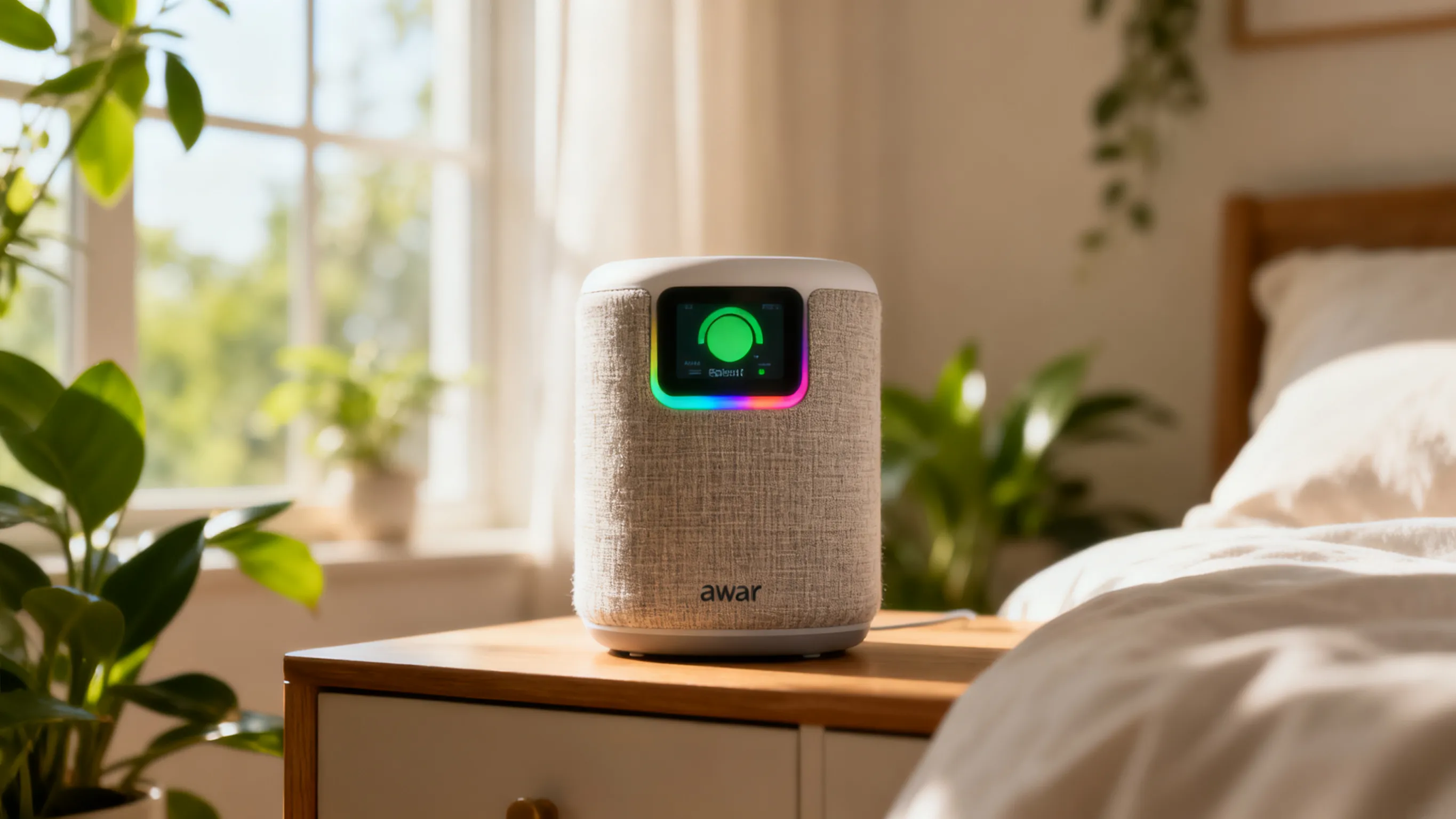
Today, the Nest Cam IQ Outdoor isn’t just a surveillance tool; it uses machine learning to distinguish between a passing car and a person lingering near your doorstep. According to a 2022 study by Parks Associates, homes integrated with smart security systems report a 50% higher sense of safety. Nest’s cameras, paired with its subscription-based Nest Aware service, create a seamless loop of awareness and action. One user, a single parent in Chicago, shared how the system alerted her to a package theft in real-time—a small incident, but one that underscored the value of vigilance without anxiety.
The Google Era: Integration and Identity
When Google acquired Nest in 2014, purists worried about dilution. Would Nest become another cog in the data-harvesting machine? Instead, the merger accelerated integration. Nest devices began speaking fluently with Google Assistant, and the Nest Hub emerged as a central command post for everything from calendars to recipes.
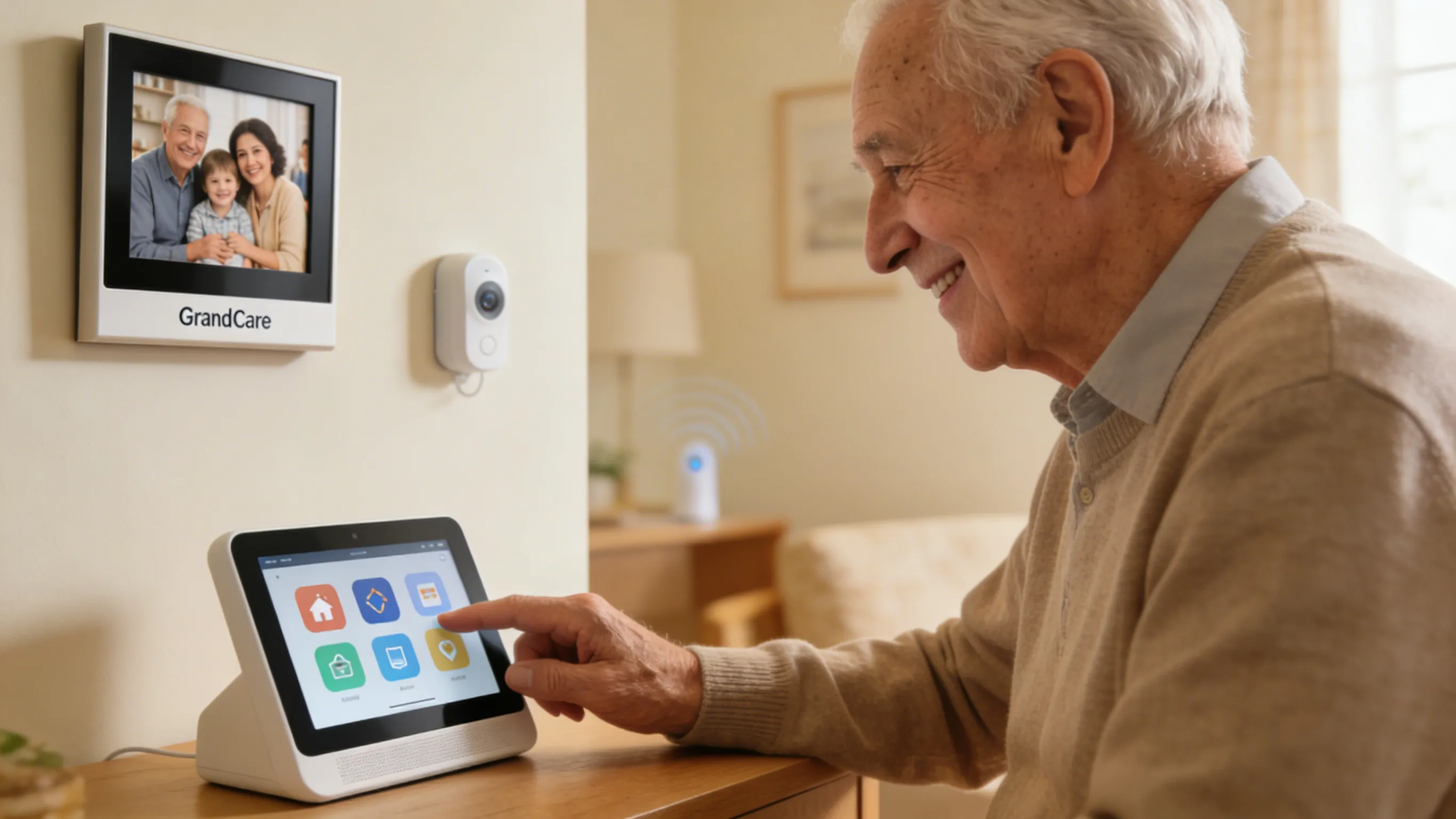
Yet, this phase also revealed tensions. In 2019, Google merged its smart home divisions, leading to concerns about Nest’s distinct identity. Some critics argued that the brand’s minimalist ethos was being overshadowed by Google’s broader ambitions. Still, others point to the practical benefits: voice-controlled thermostats, for example, are particularly valuable for elderly or disabled users who find physical interfaces challenging. As smart home analyst Carolina Milanesi observes, “The future isn’t about isolated devices; it’s about ecosystems that anticipate needs without asking.”
The Human Element: Stories Behind the Screens
Behind every Nest device are stories of quiet transformation. Take Maria, a teacher in Lisbon, who installed a Nest Thermostat to manage her aging parents’ home remotely. “It’s not about saving money,” she says. “It’s about knowing they’re warm enough at night without intruding.” Or James, a freelance designer in Tokyo, who uses Nest Cams to monitor his studio while traveling. “It’s my digital peace of mind,” he reflects.
These narratives highlight a subtle truth: smart home technology succeeds when it fades into the background. Nest’s emphasis on “practical, reliable, effortless” design isn’t a marketing slogan—it’s a philosophy. By prioritizing user experience over technological spectacle, Nest has built a loyal following among those who seek simplicity in complexity.
The Road Ahead: Sustainability and Ethical Considerations
As climate change intensifies, Nest’s role in energy conservation is gaining prominence. The company’s “Power Projects” demand-response programs, which adjust energy usage during peak hours, have helped prevent grid overloads in states like California. However, this raises questions about data privacy and autonomy. Should utilities have access to our thermostats? Scholars like Dr. Emily Tran from MIT argue that transparency is key: “Users must retain ultimate control, even when delegating decisions to algorithms.”
Meanwhile, competitors like Ecobee and Ring are pushing Nest to innovate further. Rumors of a solar-powered Nest Cam or a carbon-footprint tracker hint at a future where smart homes actively combat environmental decay. Whether these ideas materialize remains uncertain, but Nest’s trajectory suggests a continued focus on marrying sustainability with daily comfort.
Conclusion: The Unseen Companion
Nest Labs’ evolution mirrors a larger cultural shift—from seeing technology as a tool to embracing it as a partner in crafting a better life. Its products don’t shout; they listen. They don’t complicate; they simplify. In a world saturated with noise, Nest offers a rare gift: the quiet assurance of a home that cares for itself, so you can focus on what truly matters.
As we stand at the threshold of an increasingly connected future, one thing seems clear: the smart home isn’t defined by its intelligence, but by its empathy. And perhaps, in that subtle distinction, lies Nest’s enduring legacy.