Creative
Natural Drain Cleaners That Actually Work
Author: Lauren Hayes

There’s something universally frustrating about a slow-draining sink. That moment when water begins to pool around your ankles in the shower, or when you’re washing dishes and the murky water refuses to disappear, can feel like a domestic betrayal. For years, the go-to solution has been a bottle of chemical drain cleaner—a potent, often toxic concoction promising instant relief. Yet, as more households lean toward sustainable living, the appeal of natural alternatives has grown. But do they work?
Let’s be clear: not every homemade remedy will unclog a severely blocked pipe. But for routine maintenance and mild clogs, certain natural solutions can be surprisingly effective—and far gentler on your pipes and the planet.
The Science Behind Drain Blockages
Before diving into solutions, it helps to understand what we’re up against. Most household drain clogs fall into one of three categories:
- Grease and fat buildup, common in kitchen sinks.
- Hair and soap scum, typical in bathroom drains.
- Mineral deposits, often found in hard water areas.
Chemical drain cleaners work by generating heat or causing reactions that dissolve organic matter. But as research from the University of Illinois suggests, these reactions can also corrode pipes over time, particularly in older homes with metal plumbing.
Baking Soda and Vinegar: The Classic Combo
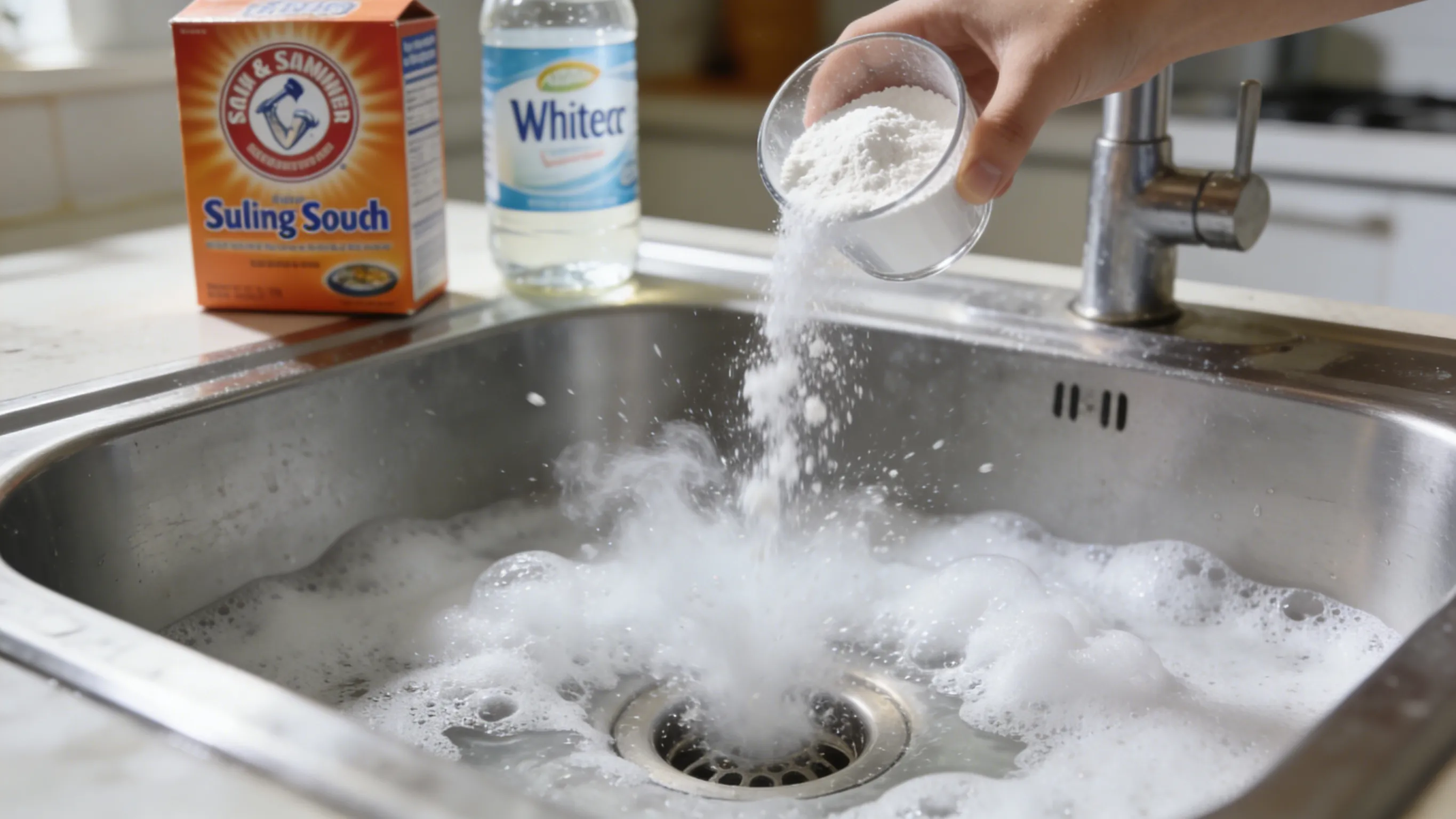
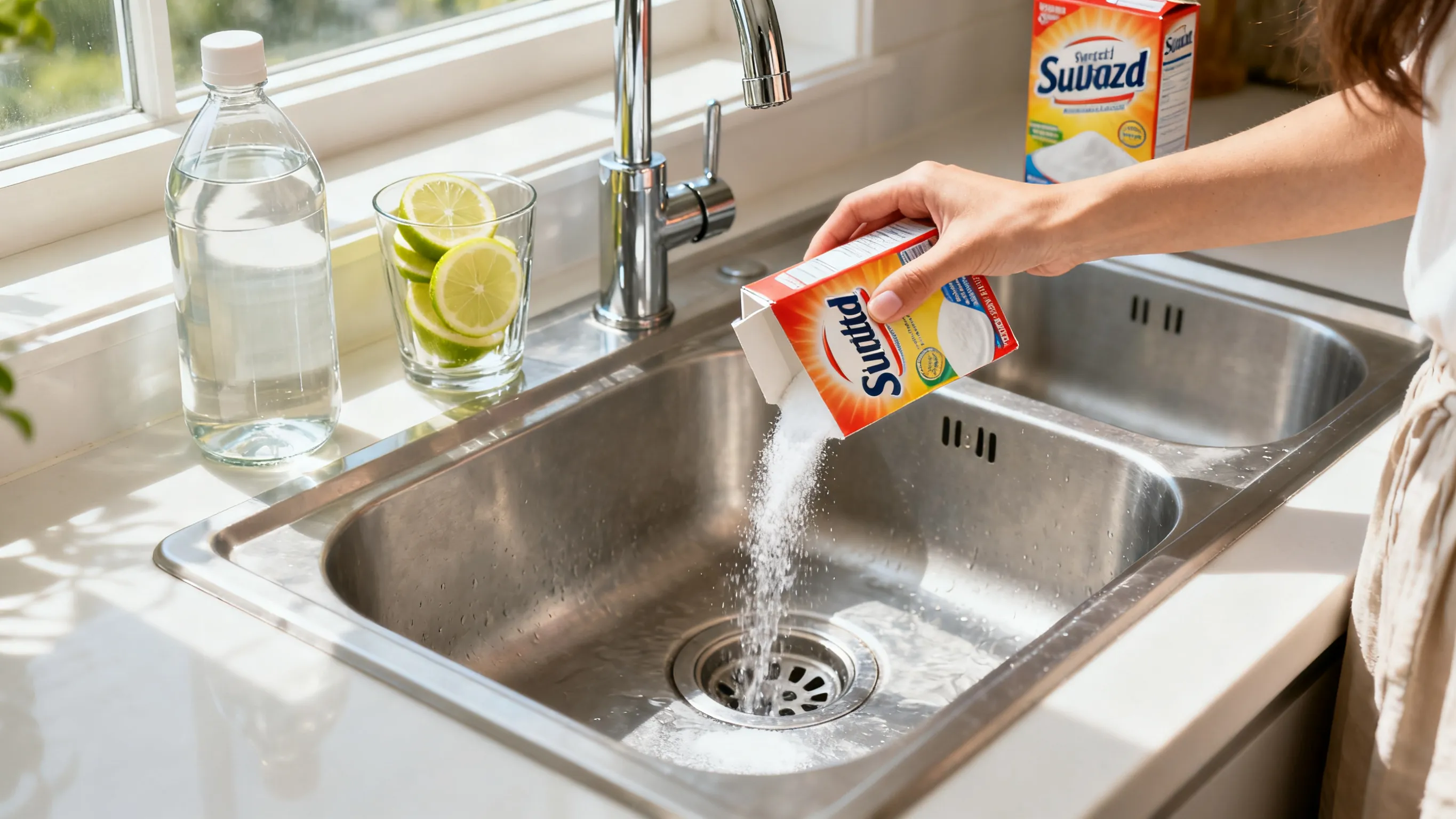
Perhaps the most well-known natural cleaner, this duo relies on a simple acid-base reaction. When baking soda (a base) mixes with vinegar (an acid), it fizzes, creating pressure that can help dislodge minor blockages.
Here’s how to use it effectively:
- Pour a pot of boiling water down the drain to loosen debris.
- Follow with half a cup of baking soda. Let it sit for a few minutes.
- Add one cup of vinegar and one cup of hot water. Cover the drain to contain the fizzing.
- Wait 15–20 minutes, then flush with another pot of boiling water.
Does it work every time? Not exactly. Plumbing experts like Bob Vila’s team note that this method is best for maintenance rather than severe clogs. Still, its abrasive yet non-corrosive nature makes it a favorite for those seeking preventative care.
Salt, Borax, and Lemon: The Unsung Heroes
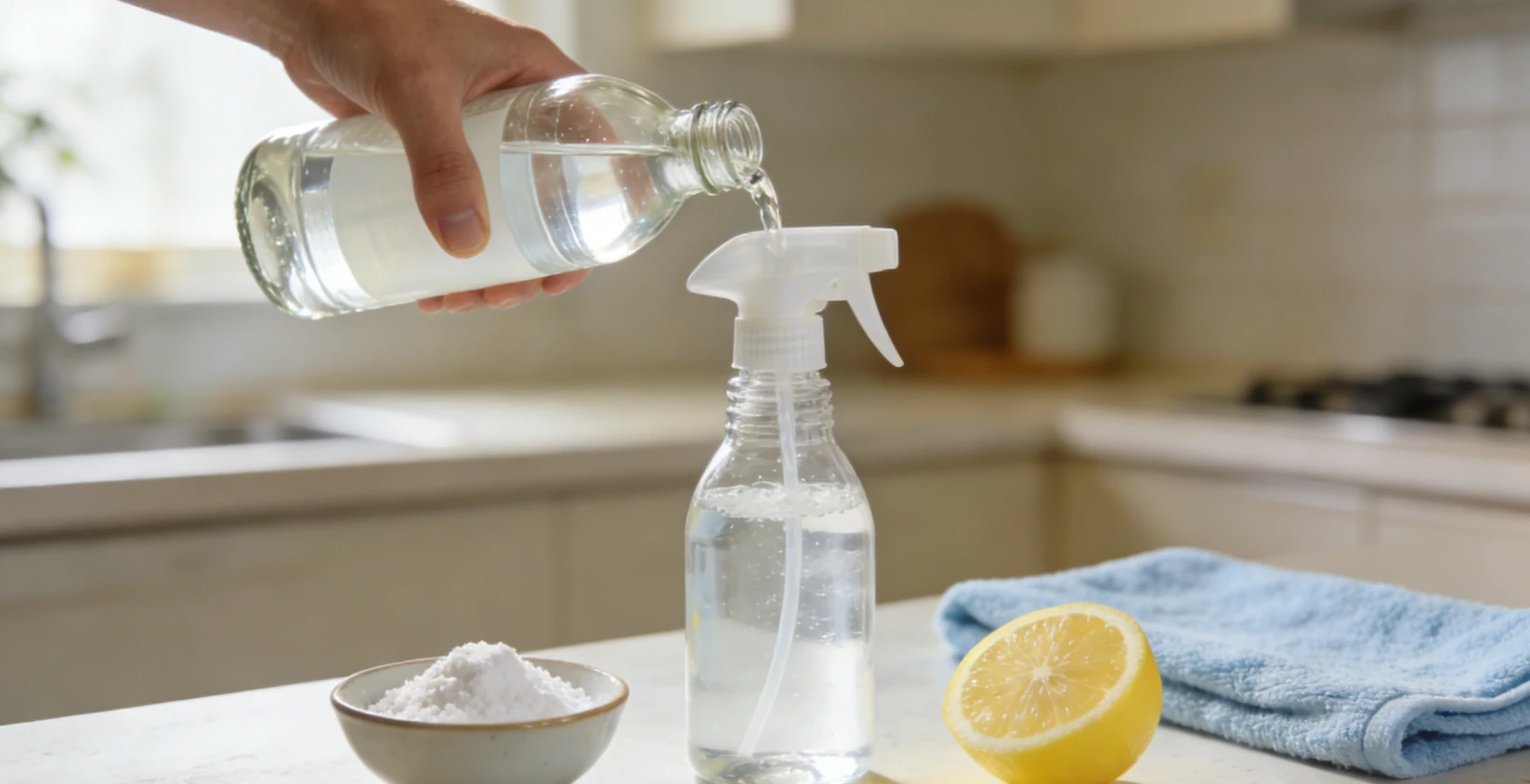
While less famous, salt and borax can be powerful allies. Salt acts as a mild abrasive, helping to scrub away grime, while borax—a naturally occurring mineral—breaks down organic matter.
One recipe gaining traction online combines:
- 1/4 cup salt
- 1/4 cup borax
- 1/2 cup vinegar
- A squeeze of lemon juice for scent and additional acidity
Mix these into a paste, pour it down the drain, let it sit for an hour, and flush with hot water. Some users swear by this method for tackling kitchen sink grease, though others caution that borax should be used sparingly to avoid environmental impact.
Enzyme Cleaners: Nature’s Digestive Aid
For those who prefer ready-made solutions, enzyme-based drain cleaners offer a compelling middle ground. These products use bacteria or enzymes to “eat” organic waste like hair, grease, and food particles.
I first learned about enzyme cleaners from a plumber in Portland, Oregon, who described them as “composting for your pipes.” Unlike chemicals, they work slowly—often taking hours or overnight—but are safe for all plumbing types and septic systems. Brands like Green Gobbler and Bio-Clean receive consistently high marks in reviews, though their effectiveness depends on the severity of the clog.
Boiling Water: Simplicity Itself
It sounds almost too simple, but boiling water can dissolve soap scum and minor grease clogs. The key is consistency: pouring a pot of boiling water down the drain weekly can prevent buildup. However, caution is necessary. If your pipes are PVC, excessively hot water could soften or damage them. As one Reddit user in a home renovation forum shared, “I learned the hard way that boiling water and PVC don’t always mix.”
The Limitations of Natural Cleaners
It’s important to acknowledge that not all clogs respond to natural remedies. Tree roots invading outdoor pipes, collapsed sewer lines, or decades of accumulated grime may require professional intervention. As one plumbing expert told Popular Mechanics, “Natural cleaners are like brushing your teeth—they’re great for maintenance, but they won’t fix a cavity.”
A Shift in Mindset
What’s driving the move toward natural drain cleaners? For many, it’s not just about effectiveness but also about redefining what “clean” means. Chemical solutions often prioritize speed and convenience, while natural methods encourage mindfulness—a small but meaningful shift in how we care for our homes.
My grandmother, who grew up in an era before chemical cleaners were ubiquitous, used to say, “A clean home shouldn’t smell like a laboratory.” Her favorite trick? A monthly treatment of baking soda and vinegar, followed by a handful of citrus peels ground in the garbage disposal. It’s a ritual I’ve adopted, not just for its practicality but for the connection it offers to a simpler, more intentional way of living.
Final Thoughts
Natural drain cleaners won’t solve every plumbing problem, but they offer a safer, more sustainable approach to routine maintenance. Whether you rely on baking soda and vinegar or invest in enzyme-based products, the goal is the same: a functional, eco-friendly home that feels as good as it looks.
So the next time your drain slows, consider reaching for the pantry before the poison. You might be surprised by what you can accomplish with a little patience and a handful of household staples.