Creative
Joybird: Retro Charm, Modern Customization
Author: James Whitfield

In a world where mass-produced furniture often lacks personality, Joybird emerges as a refreshing antidote. This brand, known for its mid-century modern aesthetics and bespoke customization options, has carved a niche by blending nostalgic design with contemporary functionality. But what makes Joybird more than just another furniture retailer? Perhaps it’s the way the brand invites customers to become co-creators of their living spaces—transforming houses into homes with pieces that tell stories.
The Allure of Retro Design
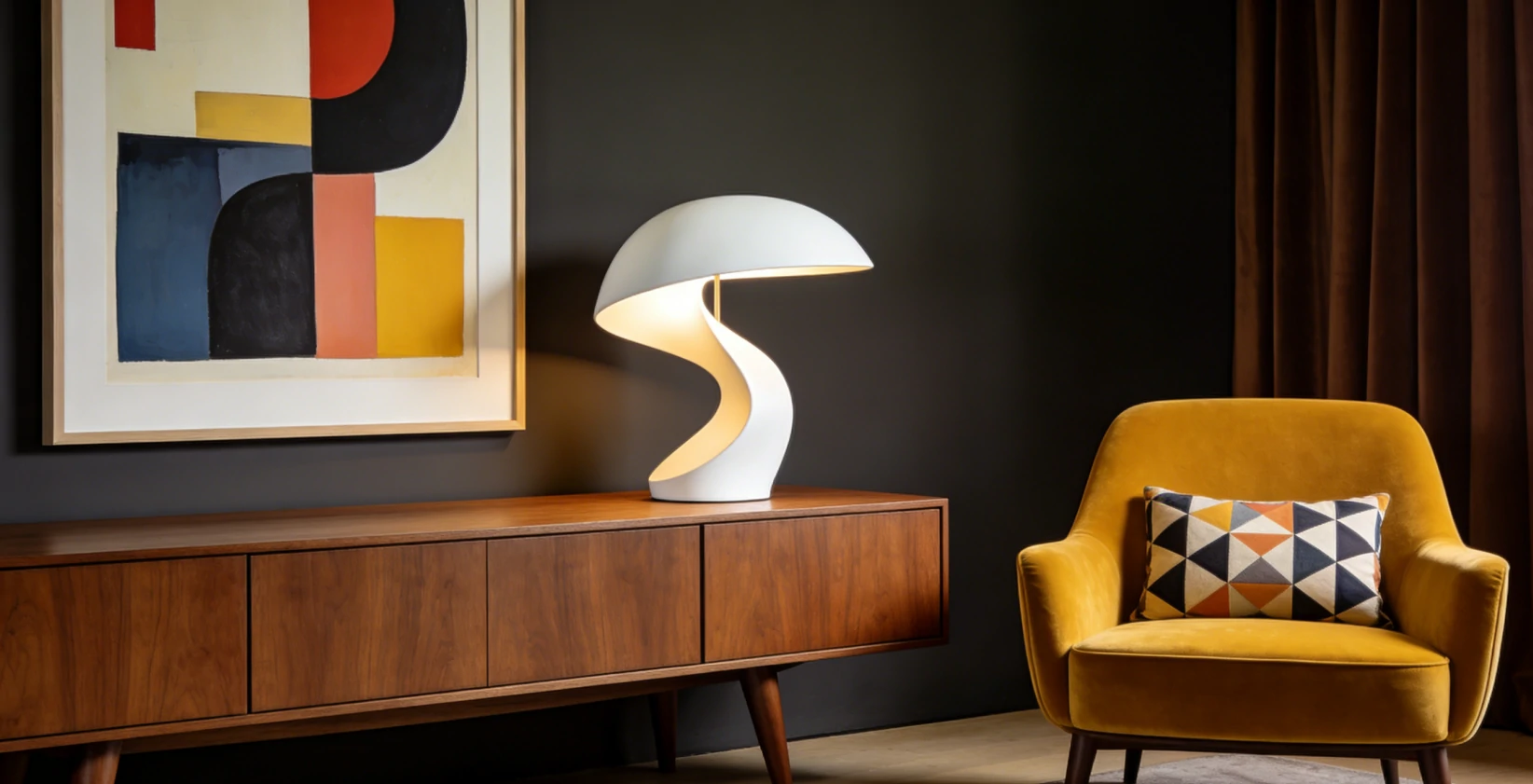
Walking into a room furnished with Joybird pieces feels like stepping into a carefully curated time capsule. Think clean lines, tapered legs, and warm wood tones reminiscent of the 1950s and 60s—a period celebrated for its emphasis on simplicity and functionality. Yet, Joybird’s designs aren’t mere replicas of vintage classics. As one interior designer noted, “They’ve managed to capture the soul of mid-century modernism while ensuring every piece fits seamlessly into today’s lifestyles.”
Take the Hughes Sofa, for instance. With its low-profile silhouette and tufted upholstery, it evokes the elegance of a bygone era. But beneath its retro exterior lies ergonomic support designed for modern comfort—a subtle nod to how Joybird balances form and function.
The Power of Customization
What truly sets Joybird apart is its commitment to personalization. From fabric swatches to finish options, customers can tailor every detail to match their vision. This isn’t just about choosing a color; it’s about creating furniture that reflects individual tastes and needs.
One customer, a freelance writer from Austin, shared how she customized a Briar Daybed to double as a workspace and guest bed for her compact apartment. “I needed something versatile yet stylish,” she explained. “With Joybird, I didn’t have to compromise.”
Research in consumer behavior suggests that personalized products foster deeper emotional connections. A study published in the Journal of Marketing found that customization enhances perceived value, making users feel more attached to their purchases. Joybird seems to understand this intuitively, turning furniture into heirlooms in the making.
Sustainability and Craftsmanship
In an era where fast furniture dominates, Joybird’s emphasis on durability and ethical production feels almost revolutionary. Each piece is built to order in their Los Angeles workshop, reducing waste and ensuring quality. According to their sustainability report, over 75% of materials used are sourced responsibly, including FSC-certified wood and low-VOC finishes.
Still, the brand acknowledges there’s room for growth. “We’re continuously exploring ways to minimize our environmental footprint,” a Joybird representative mentioned in an interview. This transparency resonates with eco-conscious consumers who prioritize longevity over trends.
Real-Life Stories: Beyond the Showroom
Furniture is more than decor; it’s part of daily life. Joybird’s pieces often become backdrops for milestone moments—a child’s first steps captured against the sturdy frame of a Sullivan Table, or friends gathered around a Ceni Sectional for movie nights.
One particularly touching story came from a retired teacher in Portland. After losing most of her belongings in a house fire, she slowly rebuilt her home with Joybird’s help. “Their team guided me through designing a living room that felt both familiar and new,” she recalled. “It wasn’t just furniture; it was a fresh start.”
Challenges and Nuances
No brand is without flaws. Some critics argue that Joybird’s pricing places it out of reach for budget-conscious shoppers. Others note that lead times—often 6–8 weeks for custom orders—require patience. Yet, as one industry analyst pointed out, “In a market saturated with instant gratification, Joybird’s model champions intentionality over immediacy.”
Moreover, the brand’s adherence to retro aesthetics may not appeal to everyone. While mid-century modern design has seen a resurgence, trends are fleeting. Joybird’s challenge lies in evolving without diluting its identity.
The Bigger Picture: Why Joybird Matters
At its core, Joybird represents a shift toward mindful consumption. In a culture obsessed with disposability, the brand encourages customers to invest in pieces meant to last—both in style and structure. As environmental advocate Jane Smith once remarked, “The most sustainable furniture is the kind you never want to throw away.”
Perhaps Joybird’s greatest achievement is making customization accessible without sacrificing artistry. By merging retro charm with modern needs, the brand offers a blueprint for how furniture can enrich everyday life.
Conclusion: A Personal Invitation
Exploring Joybird’s collections feels less like shopping and more like collaborating. Whether it’s a bold velvet armchair or a minimalist bookshelf, each piece invites you to imprint your personality. As the sun sets over a Joybird-furnished room, casting long shadows across a tailored sofa, it’s easy to see why this brand has cultivated a loyal following. After all, home isn’t just a place—it’s a feeling. And with Joybird, that feeling is uniquely yours.