Creative
Is Minimalism Over? What Designers Think About Stark Spaces
Author: Sarah Mitchell

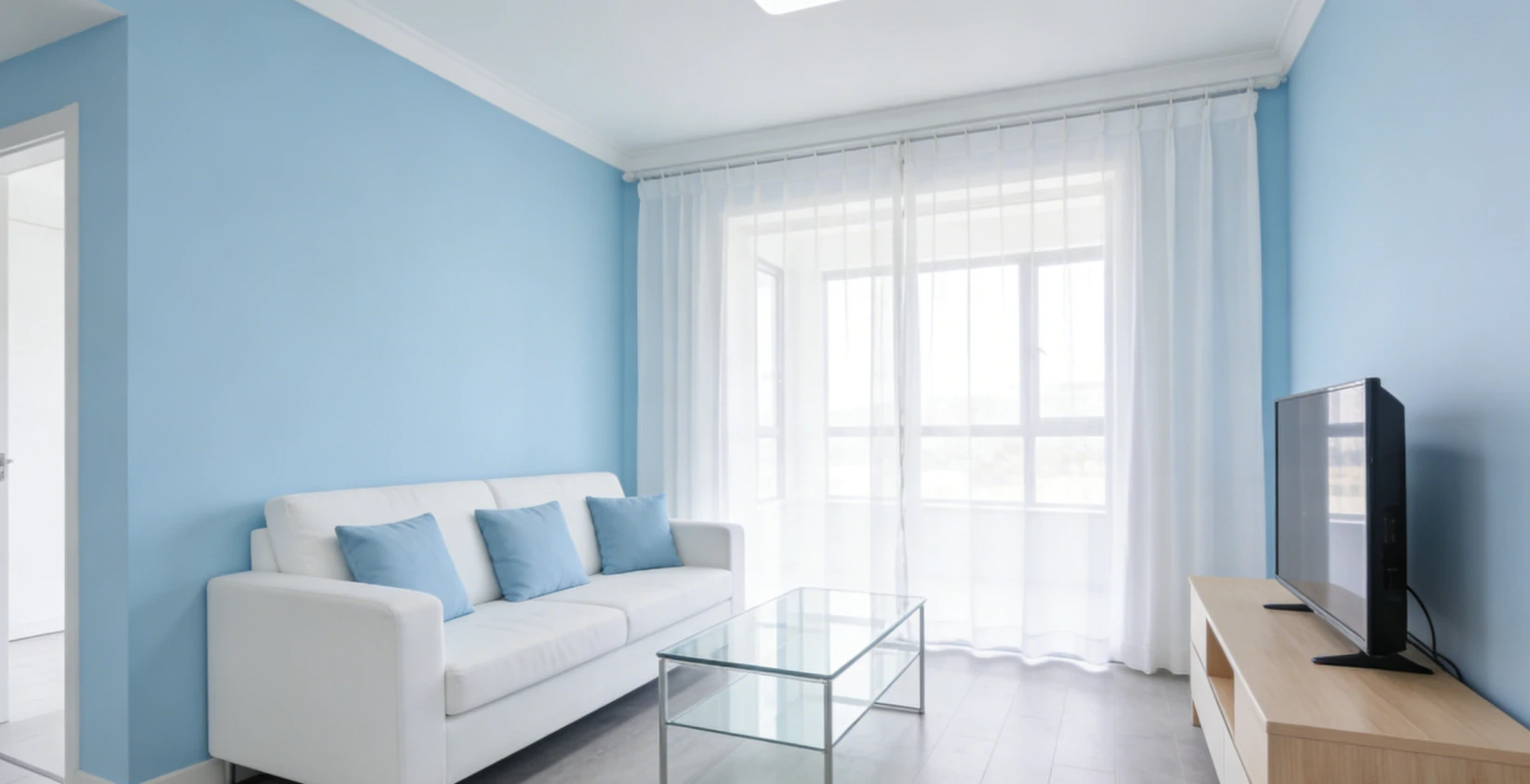
In the quiet of a Sunday morning, sunlight spills across a bare oak floor, illuminating a single ceramic vase on a floating shelf. For years, this image—clean, uncluttered, almost monastic in its simplicity—has been the aspirational ideal of interior design. Minimalism, with its mantra of "less is more," promised not just aesthetic elegance but a form of mental clarity, a life unburdened by excess. Yet, as I scroll through design feeds today, I notice something shifting. That once-dominant vision of stark, pared-back spaces is now punctuated by rich textures, personal artifacts, and a warmth that feels almost rebellious. It makes me wonder: are we witnessing the end of minimalism as we know it?
The Rise and Reign of Minimalism
To understand where we are, it helps to remember how we got here. Minimalism didn’t emerge in a vacuum. In the wake of mid-century modernism, figures like Ludwig Mies van der Rohe championed simplicity and functionality, arguing that ornamentation was superfluous. By the 1990s, minimalism had evolved into a cultural phenomenon, heavily influenced by Japanese wabi-sabi and Scandinavian design principles. It was a response to consumerism—a way to reclaim space, both physical and mental.
Designer John Pawson, often called the "high priest of minimalism," once described the style as "the perfection that an object achieves when it is no longer possible to improve it by subtraction." This philosophy resonated deeply in an era of digital overload and environmental concerns. Marie Kondo’s best-selling The Life-Changing Magic of Tidying Up further cemented the idea that letting go of clutter could lead to joy. For a time, minimalism wasn’t just a design trend; it was a lifestyle.
Yet, as with any movement, its dominance invited critique. Some began to question whether these stark spaces were truly livable—or if they had become sterile, impersonal, and even elitist. A 2021 study published in the Journal of Environmental Psychology suggested that overly sparse environments could evoke feelings of isolation for some individuals, particularly in home settings where comfort and personal identity are paramount.
The Pendulum Swings: Voices from the Design World
Today, designers are reevaluating minimalism’s role in our lives. Many aren’t rejecting it outright but are reinterpreting it through a more flexible, human-centric lens.
Emma Wilson, an interior architect based in London, notes, "Minimalism taught us discipline—to be intentional about what we bring into our homes. But there’s a growing appetite for spaces that tell a story. We’re seeing a shift toward ‘warm minimalism,’ where clean lines are softened with natural materials, curated collections, and tactile layers."
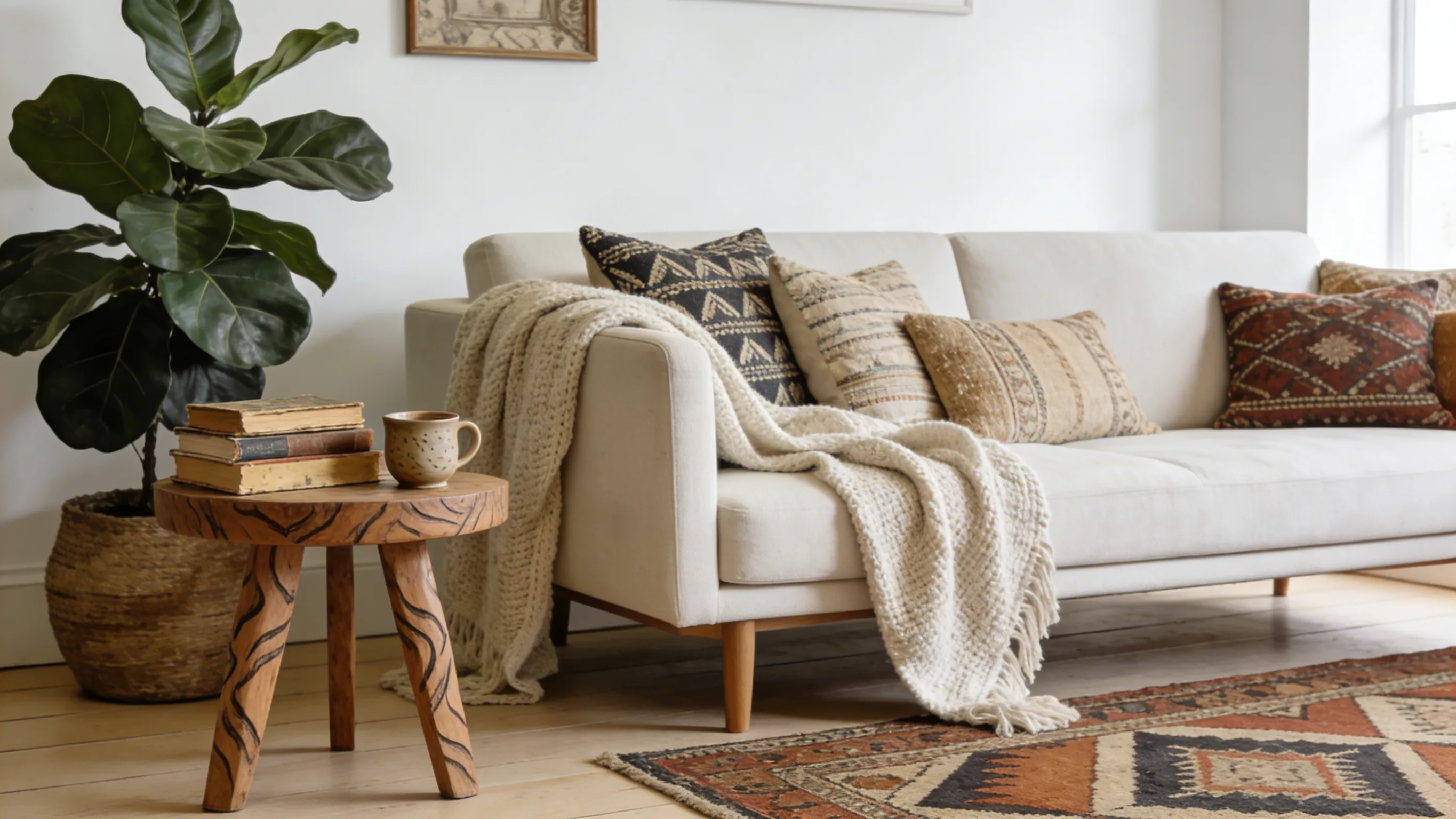
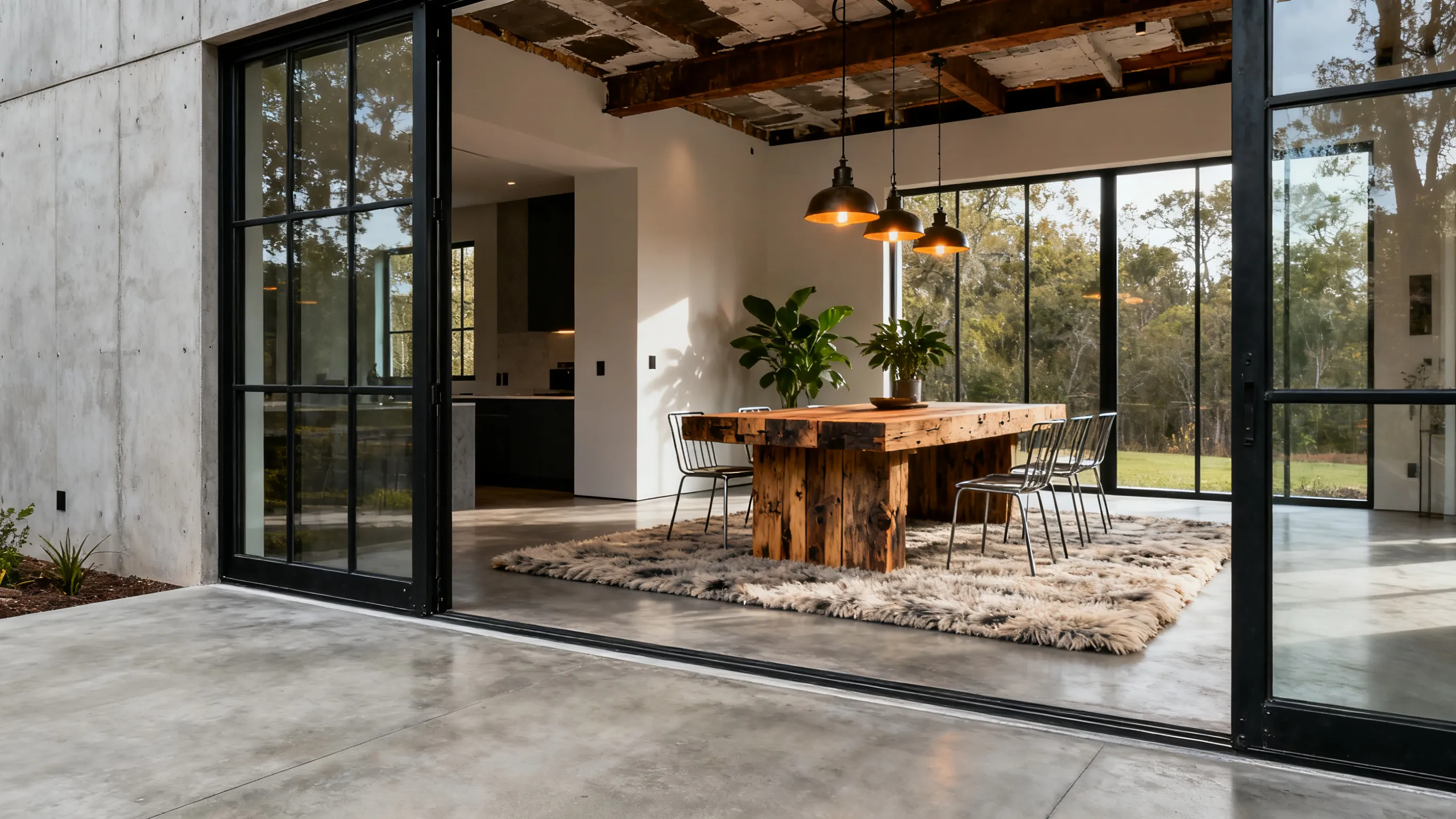
This "warm minimalism" embraces imperfections. Think of a sleek concrete countertop paired with a hand-thrown pottery bowl, or a minimalist sofa draped in a chunky, hand-knitted throw. It’s an approach that acknowledges the need for simplicity without sacrificing soul.
Others, like Marcus Lee, a sustainable design advocate from Copenhagen, argue that minimalism’s core principles remain relevant but require adaptation. "The focus shouldn’t be on emptiness," he explains, "but on sustainability and mindfulness. It’s about choosing fewer, better-made items that last—whether that’s a timeless chair or a piece of art that means something to you."
Not everyone is convinced, however. Lucia Fernandez, a trend forecaster for a global design firm, suggests that minimalism’s decline in mainstream popularity may be cyclical. "We’re in a moment of ‘maximalism nostalgia,’ where patterns, colors, and personal mementos are making a comeback. But these trends often exist in dialogue. What we’re really seeing is a rejection of dogma—the idea that there’s only one way to live well."
The New Hybrid: Blending Styles for Real Life
If minimalism isn’t entirely over, what’s replacing its stricter iterations? The answer lies in hybridization. Designers are increasingly blending minimalist foundations with elements from other styles—biophilic design, Japandi (a Japanese-Scandinavian fusion), and even postmodern accents.
Take, for example, the rising popularity of "cluttercore" among younger homeowners. Unlike minimalism, cluttercore celebrates collections, art, and memorabilia, arranging them in visually cohesive but densely layered displays. It’s a reaction against the austerity of stark spaces, though it often retains minimalist principles of organization and intentionality.
Similarly, biophilic design—integrating natural elements into interiors—has gained traction. A minimalist room might feature a single plant as an accent; today’s designs might include living walls, reclaimed wood finishes, and large windows framing outdoor views. As biophilia researcher Dr. Anika Patel observes, "Humans have an innate desire to connect with nature. Spaces that incorporate natural light, greenery, and organic textures tend to promote well-being, whether they’Is Minimalism Over? What Designers Think About Stark Spaces
In the heart of Milan, a city celebrated for its design heritage, I found myself standing in an apartment that seemed to defy the very principles that have governed interior aesthetics for the better part of a decade. White walls, yes, but they were punctuated by bursts of ochre and deep blue. A single, sculptural chair stood not in isolation but beside a cluster of thriving, leafy plants. The space felt alive, curated yet personal—far from the stark, almost monastic simplicity that minimalism often evokes. It made me wonder: are we witnessing the end of an era defined by “less is more”?
Minimalism, with its roots in Japanese wabi-sabi and Scandinavian functionalism, once promised a respite from the chaos of modern life. Its clean lines, neutral palettes, and emphasis on empty space became synonymous with sophistication and mindfulness. But as our lives have grown increasingly digital and fragmented, the appeal of stark, impersonal interiors may be waning. Designers and homeowners alike are asking whether minimalism has run its course—and what might come next.
The Rise and Reign of Minimalism
To understand where we’re headed, it helps to revisit how minimalism captured our collective imagination. Emerging prominently in the late 20th century, the movement was a reaction to consumerism and visual clutter. It championed the idea that by stripping away the non-essential, we could achieve clarity and calm. Think of the iconic Apple stores or the serene interiors featured in architectural digests—spaces where every object seemed to have a purpose and a place.
As design writer Sarah Jenkins notes in her book The Logic of Space, minimalism wasn’t just an aesthetic; it was a lifestyle. “The minimalist home became a symbol of control in an uncontrollable world,” she writes. “It promised order, efficiency, and even moral virtue.” And for a time, it delivered. Open-plan living, monochromatic schemes, and hidden storage solutions defined a generation of interiors.
Yet, as with any dominant trend, cracks began to show. For some, minimalism started to feel restrictive, even sterile. The very emptiness that once felt calming began to evoke a sense of isolation. “I’ve had clients confess that their all-white apartments felt more like art galleries than homes,” says interior designer Marco Silva. “They missed the warmth of personal artifacts—the small, ‘imperfect’ items that tell a story.”
The Shift Toward “Warm Minimalism” and Hybrid Styles
If pure minimalism is indeed receding, what is taking its place? Many designers point to the rise of “warm minimalism” or “soft minimalism”—a style that retains the simplicity and intentionality of its predecessor but introduces texture, color, and individuality.
Take, for example, the growing popularity of biophilic design. Incorporating natural elements like wood, stone, and plants into minimalist frameworks softens the severity of empty spaces. “We’re seeing a surge in demand for organic materials,” says Lena Kauffman, a sustainable design consultant. “People want spaces that feel grounded, not devoid of life.”
Then there’s the influence of cultural shifts. The pandemic, in particular, reshaped our relationship with home. As remote work blurred the lines between personal and professional spaces, the home became a sanctuary for self-expression rather than a showpiece for perfection. A study by the Global Home Trends Institute found that 68% of respondents now prioritize “emotional comfort” over “visual harmony” in their living spaces.
This doesn’t mean minimalism is disappearing entirely. Instead, it’s evolving. Designers like Kelly Wearstler and Axel Vervoordt have long advocated for a more nuanced approach—one that balances minimalism with maximalist touches, vintage finds, and artisanal crafts. “The future isn’t about choosing between minimalism and clutter,” Vervoordt remarked in a recent interview. “It’s about creating a dialogue between emptiness and abundance.”
Voices from the Design World
To dig deeper, I spoke with several designers who are redefining what minimalist principles mean today.
Anna Lee, a Seoul-based interior architect, believes minimalism is being “humanized.” “In Korea, we’ve embraced sobang—a concept that values empty space but also honors the beauty of aged objects,” she explains. “It’s minimalism with memory.” Lee’s projects often feature weathered woods, handmade ceramics, and subtle color gradients that invite touch and engagement.
Meanwhile, Thomas Reed, a New York designer known for commercial spaces, argues that minimalism remains relevant but must adapt. “In hospitality design, guests crave authenticity. A hotel lobby that feels too sterile can be off-putting. We’re introducing curated collections of books, local art, and custom lighting to add layers of interest without sacrificing clarity.”
Not everyone is ready to declare minimalism outdated, however. Some purists insist that the core principles—simplicity, functionality, and mindfulness—are timeless. “The problem isn’t minimalism; it’s the misinterpretation of it,” asserts architect John Pawson, a pioneer of the movement. “True minimalism is about essence, not emptiness.”
The Role of Sustainability and Technology
Another force reshaping minimalism is sustainability. As consumers become more conscious of their environmental footprint, the “buy less, choose well” mantra aligns neatly with minimalist values. Yet this new wave of minimalism is more forgiving. It embraces imperfection, reuse, and the stories behind objects.
Technology, too, plays a dual role. Smart homes allow for seamless integration of appliances and systems, reducing visual clutter. But as digital overload becomes a common stressor, the home is also becoming a place to unplug—a trend that both supports and challenges minimalist ideals. “We’re designing for balance,” says tech-integration specialist Maya Roberts. “Spaces that feel streamlined but not soulless.”
What Does This Mean for Your Home?
So, is minimalism over? The answer, it seems, is both yes and no. The rigid, stark minimalism of the past may be losing its appeal, but its spirit lives on in more flexible, personalized forms. Here’s how you can incorporate these insights into your own space:
- Start with intention. Instead of aiming for emptiness, focus on what brings you joy and purpose. Keep what you love, discard what you don’t—but don’t fear a little imperfection.
- Embrace texture and warmth. Introduce tactile elements like a wool throw, a clay vase, or a wooden bench. These small additions can make a space feel inviting without overwhelming it.
- Experiment with “slow decor”. Collect items over time rather than buying everything at once. Let your space tell a story.
- Play with light and shadow. Minimalism often prioritizes bright, uniform lighting. Try incorporating softer, layered lighting to create depth and mood.
Conclusion: The Evolution of Space
Walking through that Milan apartment, I realized that the conversation isn’t about abandoning minimalism but about expanding it. Our homes are living entities, shaped by our experiences, cultures, and desires. Perhaps the next chapter in design won’t be defined by a single style but by a thoughtful blend of simplicity and soul.
As the Dutch design collective Studio Drift once said, “The most powerful spaces are those that breathe with the people who inhabit them.” Whether through a carefully placed artwork, a cherished heirloom, or the gentle chaos of a well-loved bookshelf, the future of design lies not in starkness but in resonance.
And who knows? Maybe the best is yet to come.