Creative
Instant Home Refresh: 5-Minute DIY Upgrades That Make a Difference
Author: Emily Carter

There’s something quietly powerful about the spaces we inhabit. They cradle our routines, reflect our moods, and, in many ways, shape our days. Yet, the idea of a “home refresh” often conjures images of weekend-long projects, hefty budgets, and the kind of effort that leaves you more exhausted than exhilarated. But what if meaningful change didn’t require a total overhaul? What if, in just five minutes, you could transform a corner of your home into something that feels new, intentional, and deeply personal?
This isn’t about fleeting trends or superficial styling. It’s about small, thoughtful interventions that ripple through your daily life. As Marie Kondo, the celebrated organizing consultant, once noted, “The objective of cleaning is not just to clean, but to feel happiness living within that environment.” Perhaps the secret lies not in grand gestures, but in those tiny, almost effortless upgrades that rekindle our connection to home.
1. The Entryway Reset: First Impressions in Under Five Minutes
They say you never get a second chance to make a first impression—and that holds true for your home, too. The entryway is the threshold between the outside world and your personal sanctuary, a space that sets the tone for everything that follows. Yet, it’s often the most neglected. Shoes piled by the door, mail strewn across a console, jackets draped over chairs—it doesn’t take much for clutter to accumulate.
Here’s a five-minute revival: start with a single, stylish catch-all bowl. Research from The Home Edit emphasizes the psychological benefit of “a designated drop zone” for keys, wallets, and loose change. Choose something with weight and texture—a handmade ceramic piece or a woven seagrass bowl—to add tactile warmth. Next, introduce a small mirror. Not only does it create the illusion of space, but it also offers a moment of reflection (literally) before you step out. Finally, consider a low-maintenance plant like a snake plant or pothos. A study by NASA once highlighted the air-purifying qualities of certain houseplants, but even beyond science, there’s something undeniably life-affirming about a touch of green in a functional space.
I remember visiting a friend’s apartment last winter. Her entryway was narrow and poorly lit, yet she’d placed a single, framed print above a slim wooden bench and hung a eucalyptus wreath on the wall. “It’s the first thing I see when I come home,” she told me. “It reminds me to breathe.” That’s the magic—it’s not about perfection, but presence.
2. The Art of Shelf Styling: Curate, Don’t Clutter
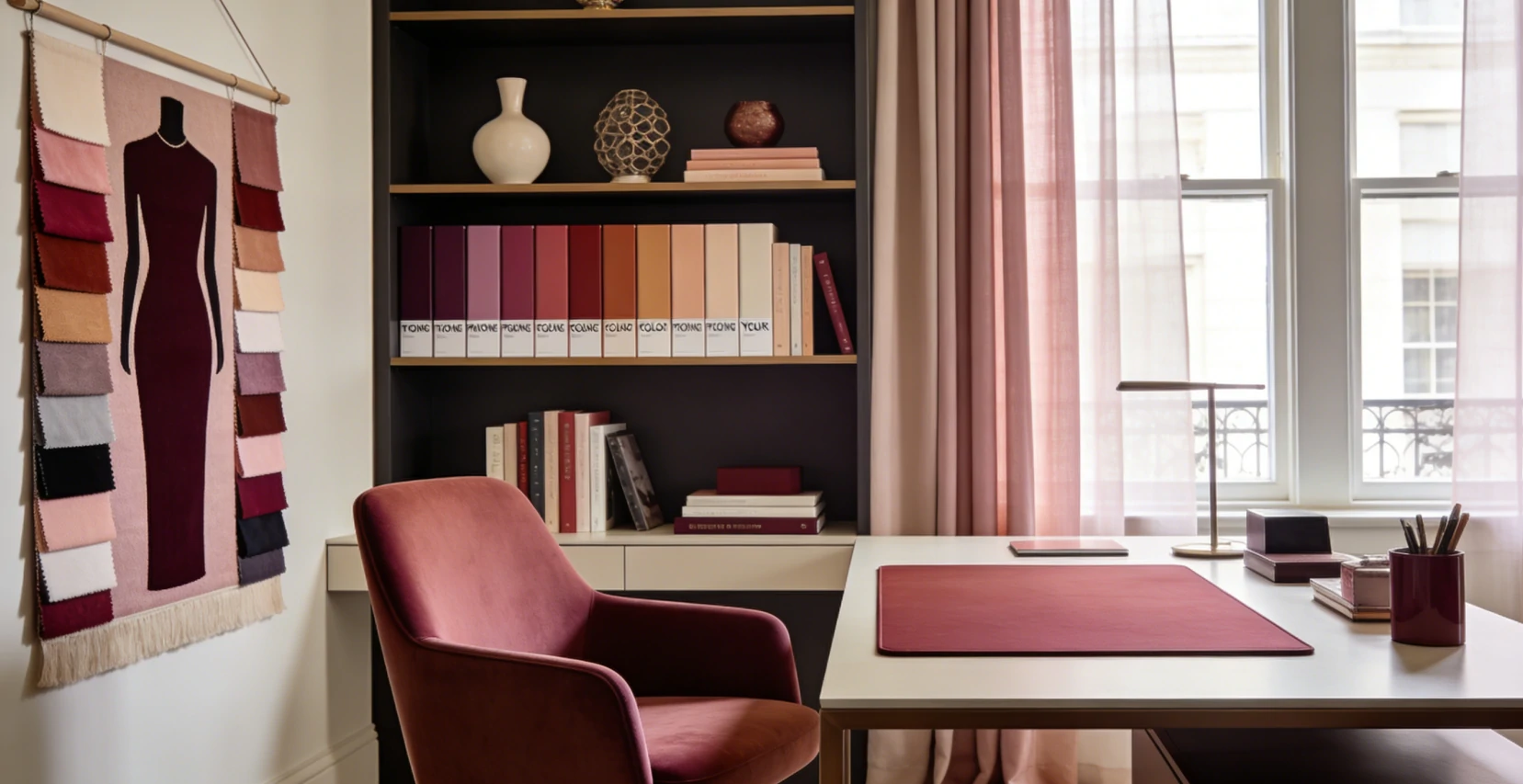
Open shelving in kitchens and living rooms can feel like a double-edged sword. On one hand, it offers a chance to display cherished items; on the other, it can quickly descend into visual noise. The key isn’t to fill every inch, but to curate with intention. Some designers argue for the “rule of thirds,” while others prefer a more organic, asymmetrical approach. There’s no single formula, but there is a rhythm to it.
Begin by clearing everything off. Then, reintroduce items in small groupings—a stack of books, a ceramic vase, a framed photo. Vary heights and textures to create visual interest. Incorporate something living, like a sprig of fresh eucalyptus or a small succulent. According to stylist Emily Henderson, “The goal is to tell a story, not to stage a show.” Leave breathing room between objects; negative space is as important as the items themselves.
I once spent an afternoon rearranging my bookshelves, not by color or genre, but by the memories attached to each book. A travel guide from Lisbon nestled beside a shell I’d picked up on a beach there; a cookbook stained with splatters of bolognese from a dinner with friends. The shelves became less about storage and more about narrative. It took minutes, but it shifted how I moved through the room.
3. Lighting Layers: Beyond the Overhead Glare
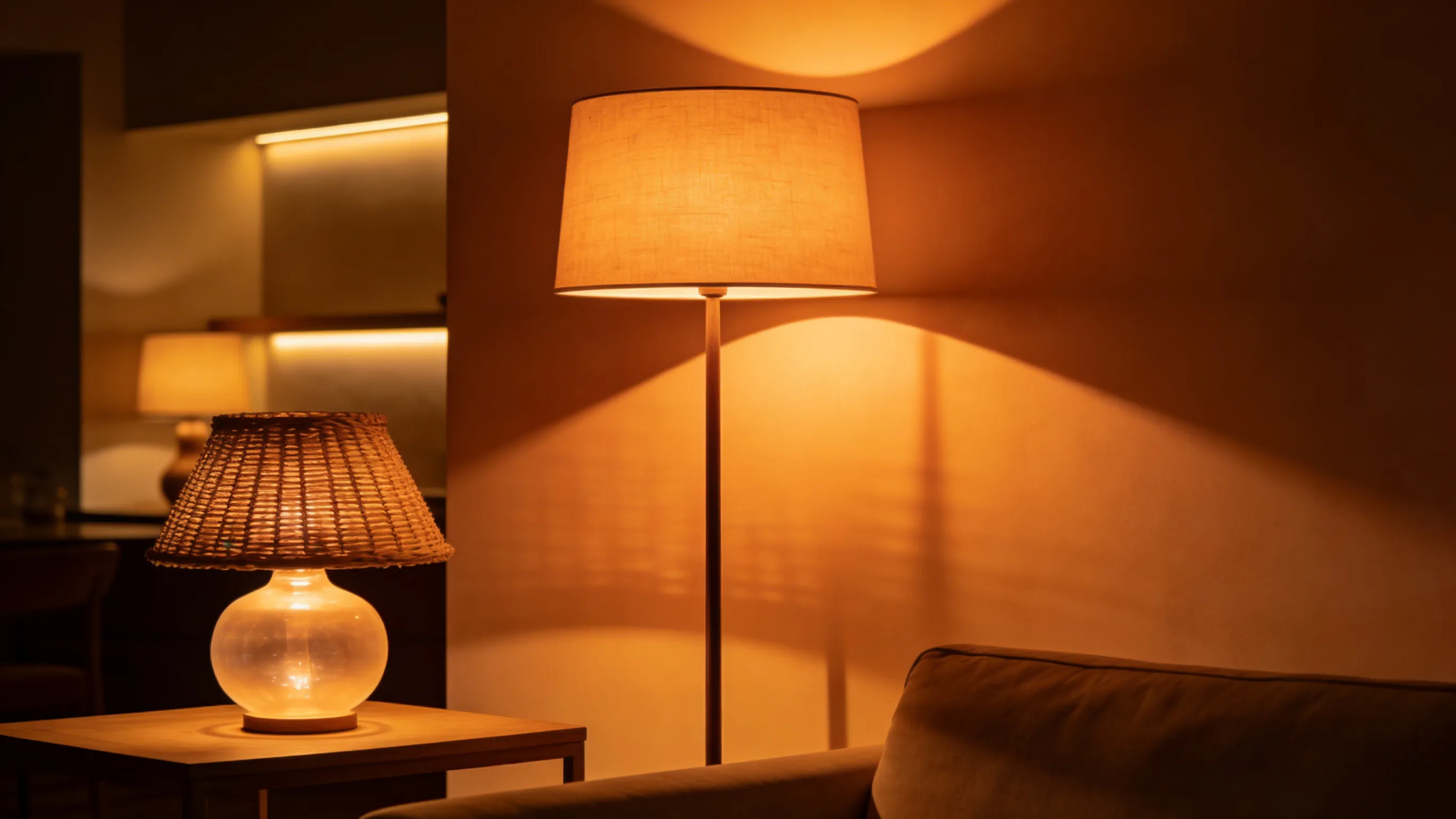
Lighting can make or break a room. Harsh, overhead lights may be practical, but they rarely nurture atmosphere. The concept of “layered lighting”—combining ambient, task, and accent sources—isn’t new, but its application in daily life is often overlooked. You don’t need to rewire your home to make a difference; sometimes, it’s as simple as swapping a bulb or repositioning a lamp.
Try replacing cool-toned bulbs with warmer ones in the 2700K range. Warmer light is softer, more inviting, and studies in environmental psychology suggest it can even influence mood and relaxation. Then, look at your lamp placement. A floor lamp angled toward a wall can bounce light softly into the room, reducing shadows and creating a cozy glow. If you have a dimmer, use it—it’s one of the most underutilized tools in home design.
In my own living room, I replaced a stark ceiling fixture with a plug-in pendant lamp hung from a command hook—no electrician required. The difference was immediate. The room felt intimate, layered, like a café at dusk. It’s a small change, but it taught me that light isn’t just functional; it’s emotional.
4. Textile Touch-Ups: The Power of Fabric and Form
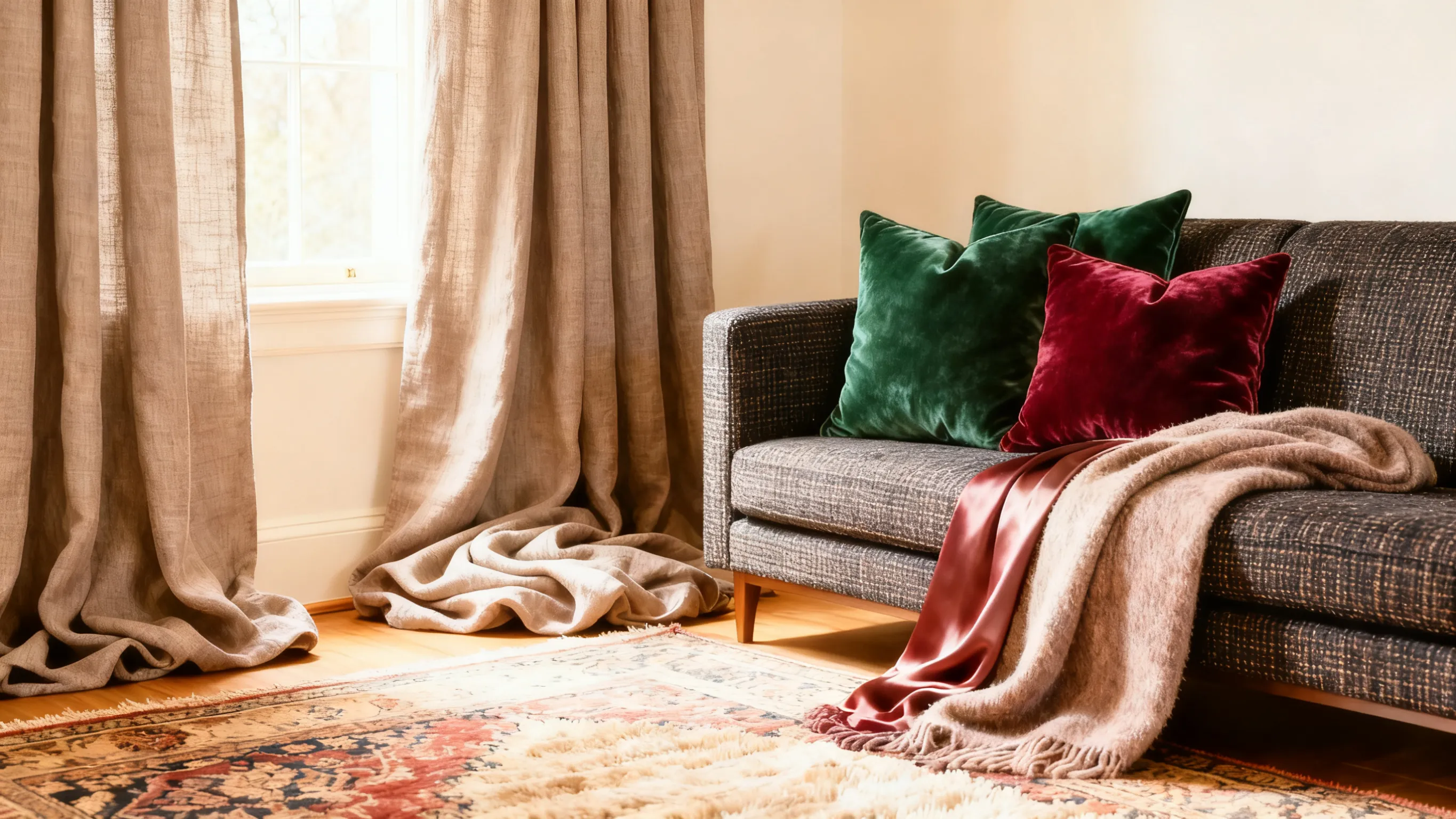
Textiles are the unsung heroes of home comfort. They absorb sound, add warmth, and introduce pattern and color without commitment. A throw blanket draped over a sofa, a new set of cushion covers, or even a washable rug can redefine a space in moments. The trick is in the mix—combining different materials like wool, linen, and cotton to create depth.
Consider the season. In warmer months, lightweight cotton or linen in pale hues can make a room feel airy; in winter, chunky knits and richer tones bring warmth. Some interior designers advocate for “texture mapping”—layering rough with smooth, matte with shiny—to engage the senses. And don’t underestimate the power of a well-placed throw. Drape it casually over an armchair or fold it neatly at the foot of the bed. It’s an invitation to pause, to rest.
A friend of mine, a freelance writer, once told me how she rotates her cushion covers with the seasons. “It’s my way of marking time,” she said. “When the linen covers come out, I know summer’s here.” It’s a ritual, simple and repeatable, that keeps her home feeling dynamic.
5. Scent Scaping: The Invisible Ambiance
Scent is deeply tied to memory and emotion, yet it’s often the last element we consider in home design. “Scent scaping”—using fragrance to define a space—is gaining traction, not as a luxury, but as a daily practice. The goal isn’t to overwhelm, but to subtly enhance. A diffuser with essential oils, a scented candle, or even a bundle of dried lavender can shift the energy of a room.
Lavender and chamomile are known for their calming properties, while citrus scents like orange or lemon can invigorate. But it’s not just about aroma; it’s about ritual. Lighting a candle in the evening signals transition from day to night. A spritz of linen spray before bed can improve sleep quality, some sleep researchers suggest. The key is consistency—associating certain scents with certain moments.
I recall walking into my grandmother’s house—always the scent of vanilla and cinnamon, no matter the time of year. It was a constant, a sensory anchor. Now, I keep a rosemary plant on my kitchen windowsill. Crushing a sprig between my fingers as I cook fills the room with an herbaceous freshness. It’s a small gesture, but it roots me in the moment.
Conclusion: The Cumulative Power of Small Shifts
Home isn’t a static entity—it’s a living, breathing extension of who we are and who we’re becoming. These five-minute upgrades aren’t about instant perfection; they’re about intentionality. They remind us that our surroundings are malleable, responsive to our touch. Perhaps the greatest takeaway is this: you don’t need endless time or resources to cultivate a home that feels like yours. Sometimes, all it takes is five minutes, a keen eye, and the willingness to see the familiar in a new light.
As architect and designer William Morris famously urged, “Have nothing in your house that you do not know to be useful, or believe to be beautiful.” In the end, it’s the small, beautiful useful things—the bowl by the door, the warm glow of a lamp, the scent of rosemary—that make all the difference. Start with one. See where it leads.