Creative
Industrial Style: When to Embrace It and When to Refresh
Author: Sarah Mitchell

In the heart of Brooklyn, a renovated warehouse stands as a testament to industrial design’s enduring appeal. Exposed brick walls, weathered steel beams, and reclaimed wood floors create a space that feels both raw and refined. For many urban dwellers, this aesthetic—born from factories and lofts—has become a symbol of authenticity in an increasingly polished world. Yet, as design trends evolve, the question arises: when does industrial style truly enhance our living spaces, and when does it risk feeling stagnant or overly harsh?
The Allure of Industrial Design
Industrial design emerged from the adaptive reuse of 19th and early 20th-century industrial buildings. Its core elements—raw materials, utilitarian objects, and a minimalist ethos—celebrate function over ornamentation. According to interior design historian Eleanor Vance, “The industrial movement was a rebellion against excessive decoration. It allowed people to reconnect with the honesty of materials like iron, concrete, and unfinished wood.”
For those living in compact city apartments, industrial style offers practical benefits. Open floor plans, high ceilings, and large windows—hallmarks of converted lofts—create an illusion of space and flood rooms with natural light. Metal shelving units and modular furniture maximize storage without sacrificing style. As one homeowner in Chicago’s West Loop noted, “My exposed ductwork isn’t just a design choice; it reminds me of the building’s history every day.”
When Industrial Style Shines
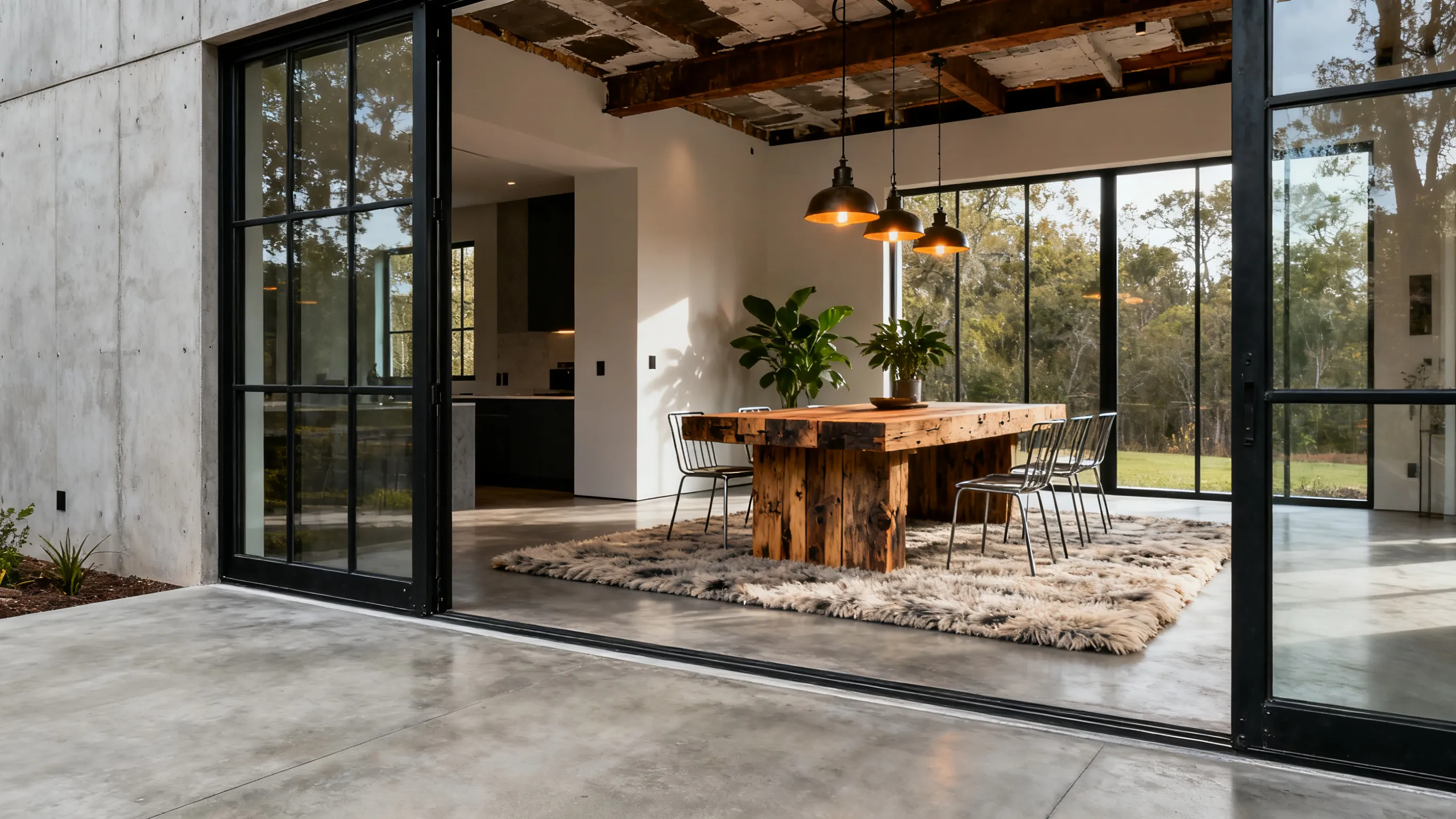
Industrial design thrives in spaces where authenticity and practicality intersect. Urban lofts, creative studios, and open-concept kitchens often benefit from its aesthetic. The key lies in balancing rugged elements with warmth. For example, pairing a concrete countertop with a custom live-edge wooden dining table softens the space while maintaining its edge.
Research from the Global Interior Design Association suggests that industrial spaces can foster creativity. A 2022 study observed that individuals working in environments with visible structural elements reported higher levels of inspiration, perhaps because these features evoke a sense of history and craftsmanship. Additionally, industrial design aligns with sustainable practices. Reclaimed materials—from barn wood to repurposed factory fixtures—reduce waste and carry unique narratives.
The Pitfalls: When Industrial Feels Cold or Dated
Despite its appeal, industrial design isn’t universally suitable. In smaller, windowless rooms, an overreliance on metallic finishes and concrete can feel claustrophobic. As design critic Liam Foster argues, “An all-gray palette with harsh lighting may evoke a sense of alienation rather than comfort.”
Moreover, the trend has faced criticism for its occasional lack of inclusivity. Some scholars point out that industrial spaces, with their sparse furnishings and cool tones, may not accommodate families with young children or individuals seeking cozy, intimate environments. There’s also the risk of the style becoming a cliché. What once felt rebellious can, over time, resemble a staged replica—especially when mass-produced “industrial-chic” items flood the market.
Refreshing the Industrial Aesthetic
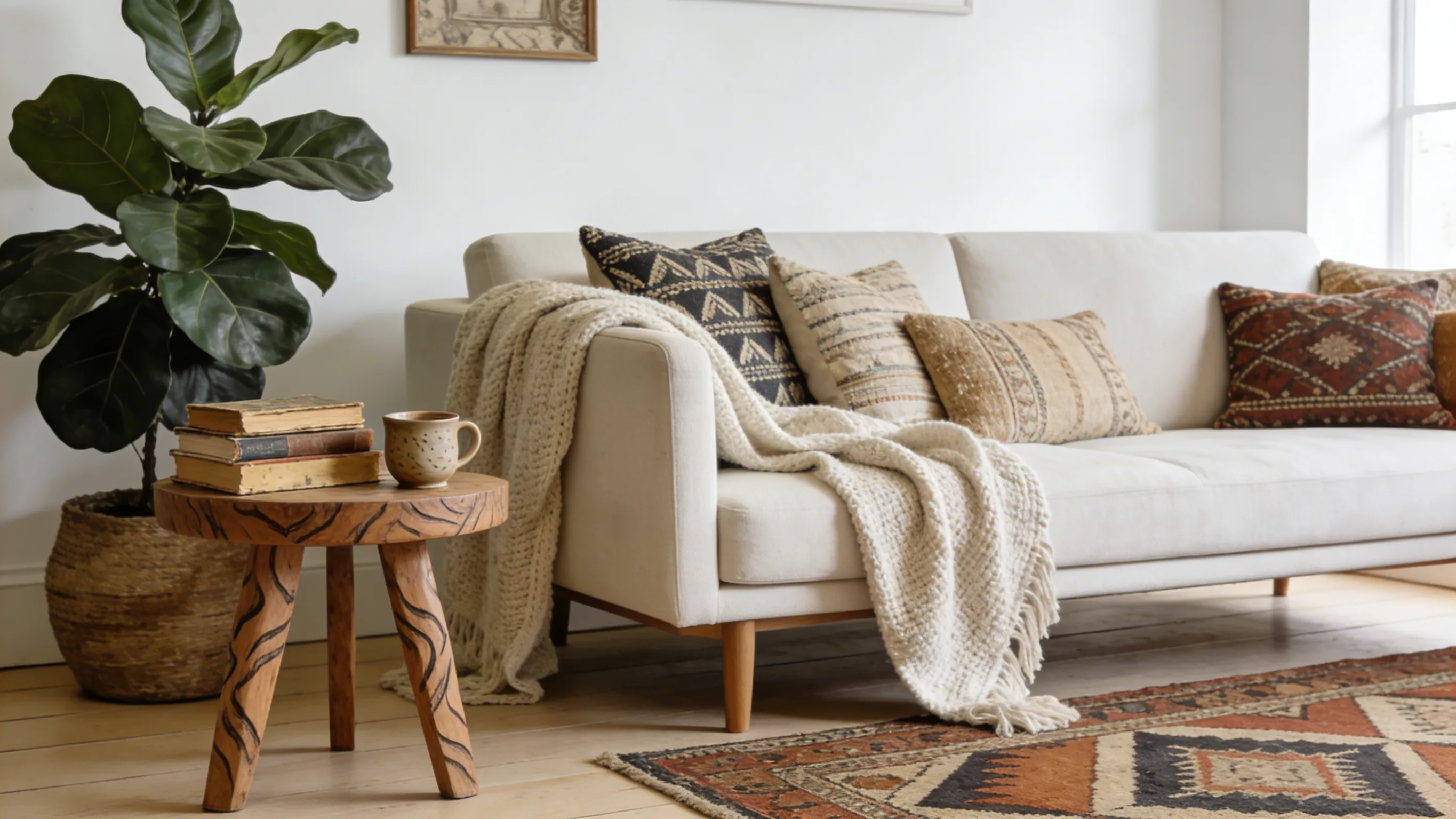
For those who love industrial foundations but seek renewal, blending styles offers a solution. Incorporating biophilic elements—such as hanging plants, natural textiles, or reclaimed wood accents—can soften stark interiors. A 2023 report by the Design Innovation Lab highlighted that integrating organic materials into industrial settings improved occupants’ mental well-being by 34%.
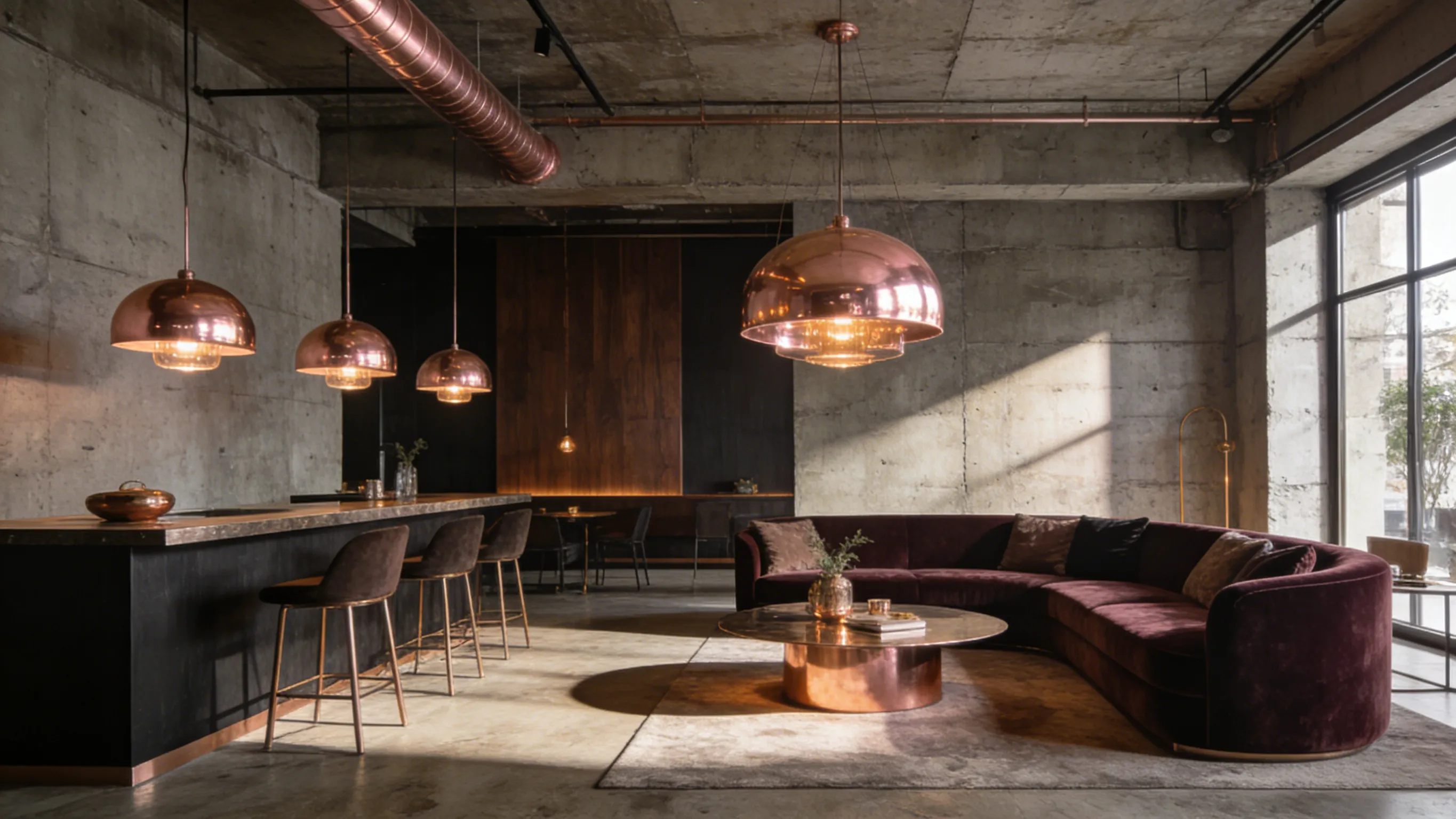
Color plays a pivotal role, too. While industrial palettes traditionally lean toward neutrals, introducing muted earthy tones or deep blues can add depth without sacrificing the aesthetic’s integrity. Lighting is another area for innovation. Instead of relying solely on factory-style pendant lights, layered lighting with warm LEDs and vintage lamps creates ambiance.
Personal artifacts also breathe life into industrial spaces. A weathered leather armchair passed down through generations or a gallery wall of family photos contrasts beautifully with minimalist backdrops, adding layers of storytelling.
Knowing When to Let Go
There are instances where a partial or full redesign is warranted. If an industrial-themed room no longer serves its purpose—say, a home office that feels sterile during long work-from-home hours—it might be time to pivot. Transitioning to a “warm industrial” or “industrial farmhouse” style, which incorporates softer textures and warmer colors, could strike a better balance.
Architectural digest contributor Maria Flores suggests, “The most successful interiors evolve with their inhabitants. Don’t hesitate to retire elements that no longer resonate with your lifestyle.”
Conclusion: A Living, Breathing Aesthetic
Industrial design, at its best, is more than a trend—it’s a narrative of adaptation and authenticity. Its raw beauty continues to captivate, but like any style, it requires thoughtful curation to remain relevant. By knowing when to embrace its boldness and when to infuse it with warmth or innovation, we can create spaces that are not only visually compelling but also deeply personal. After all, home should be a sanctuary—a place where history and humanity coexist.