Creative
How to Update Bohemian Decor Without Overdoing It
Author: Sarah Mitchell

Boho-chic. The term itself evokes a sense of wanderlust, a carefree spirit, and an eclectic mix of textures and colors. It’s a style born from the hearts of artists, travelers, and free-thinkers—a rebellion against the stark minimalism that has long dominated interior design. But as with any beloved trend, there comes a time when it needs a refresh. The challenge? How to infuse new life into your bohemian sanctuary without losing its soul, without tipping the scale from curated collection to chaotic clutter.
I remember walking into a friend’s apartment a few years back. Every surface told a story: a hand-woven Moroccan rug, embroidered cushions from India, macramé wall hangings, and plants spilling from every corner. It was beautiful, authentic, and deeply personal. Yet, when I visited recently, something felt off. The same elements were there, but they seemed tired, almost suffocating. It wasn’t that the style was outdated; it was that it had become static. The lesson was clear: bohemian decor, at its best, is a living, breathing entity. It should evolve as we do.
The Heart of Boho: It’s All About the Mix
At its core, bohemian style isn’t about adhering to a strict set of rules. It’s an attitude. As renowned interior designer Justina Blakeney, a leading voice in the "Jungalow" movement, once said, “The bohemian spirit is about creating a home that is an expression of you.” This means the foundation isn’t a particular color or item, but a feeling of collectedness over time. The goal of an update, then, isn’t to erase the past but to edit and layer with intention.
The biggest pitfall in modern boho spaces is what some experts call “fast-fashion decor”—the tendency to buy cheap, mass-produced items that mimic the aesthetic but lack the history and craftsmanship. Updating your space is the perfect opportunity to move away from this. Perhaps it’s time to retire that factory-printed “ethnic” tapestry and seek out a vintage kilim or a piece from a local artisan. The difference is palpable; one is a decoration, the other is a heirloom in the making.
The Art of the Edit: Less "More," More "Meaning"
The first, and often most therapeutic, step in revitalizing your boho decor is to subtract before you add.
Conduct a Ruthless Inventory. Take a weekend and look at every item in your living space. That gallery wall of thrift store frames? Maybe half of them don’t spark joy anymore. The pile of throw pillows on the sofa? Perhaps they’re creating visual noise rather than comfort. Research in environmental psychology suggests that clutter can significantly increase cortisol levels, the body’s primary stress hormone. A bohemian home should be a retreat, not a source of anxiety.
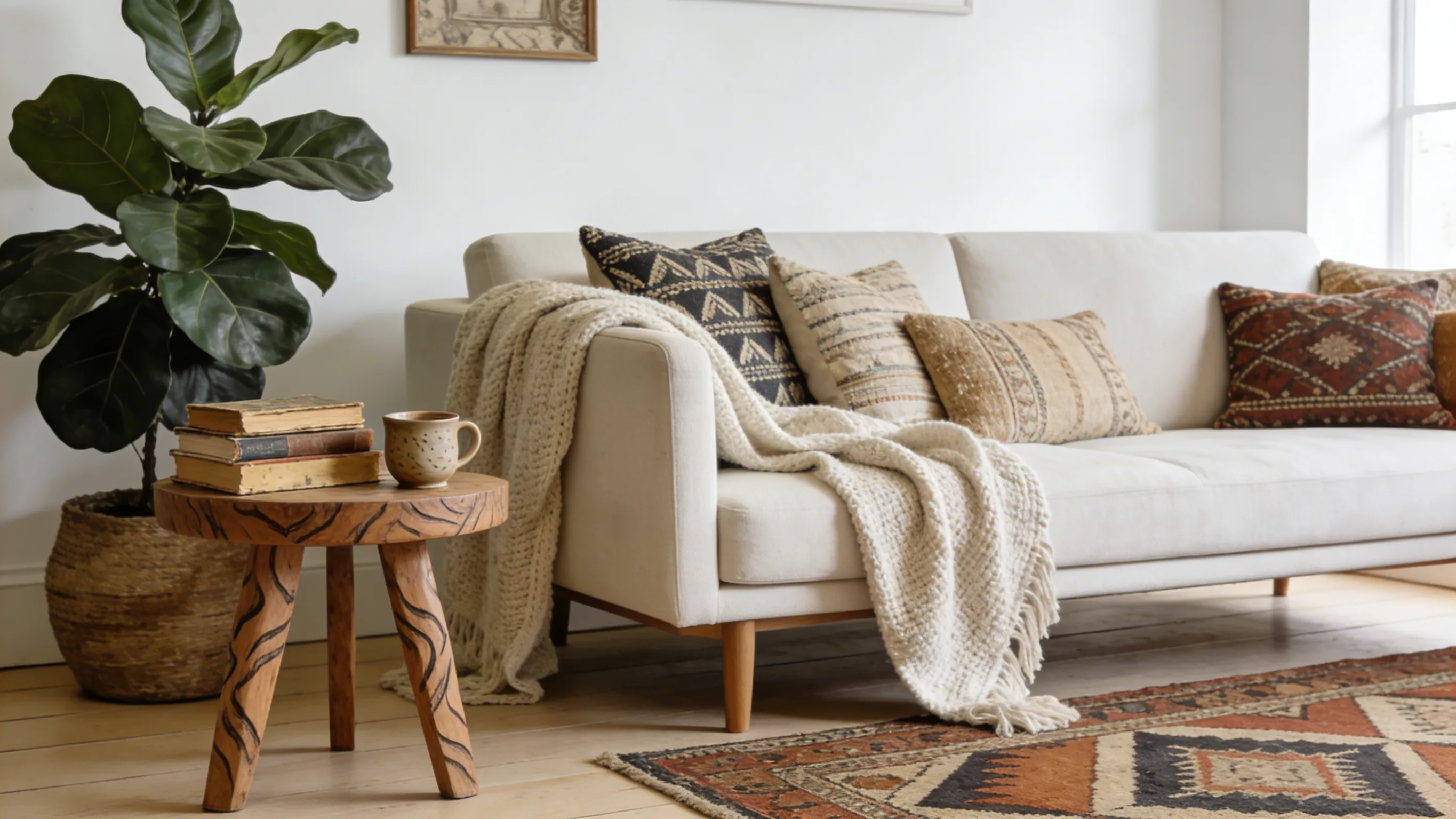
Be merciless. If an item doesn’t have a story, a beautiful texture, or a genuine emotional pull, thank it for its service and let it go. This process creates physical and mental space for new energy to flow in. You might discover that your favorite hand-carved wooden stool, once lost in a sea of stuff, becomes a standout focal point all on its own.
Layer with Light: The Unsung Hero
One of the most overlooked aspects of boho design is lighting. The classic look often relies on soft, warm, and uneven lighting to create its cozy, mysterious ambiance. Updating your lighting scheme is a powerful way to modernize the space without changing a single piece of furniture.
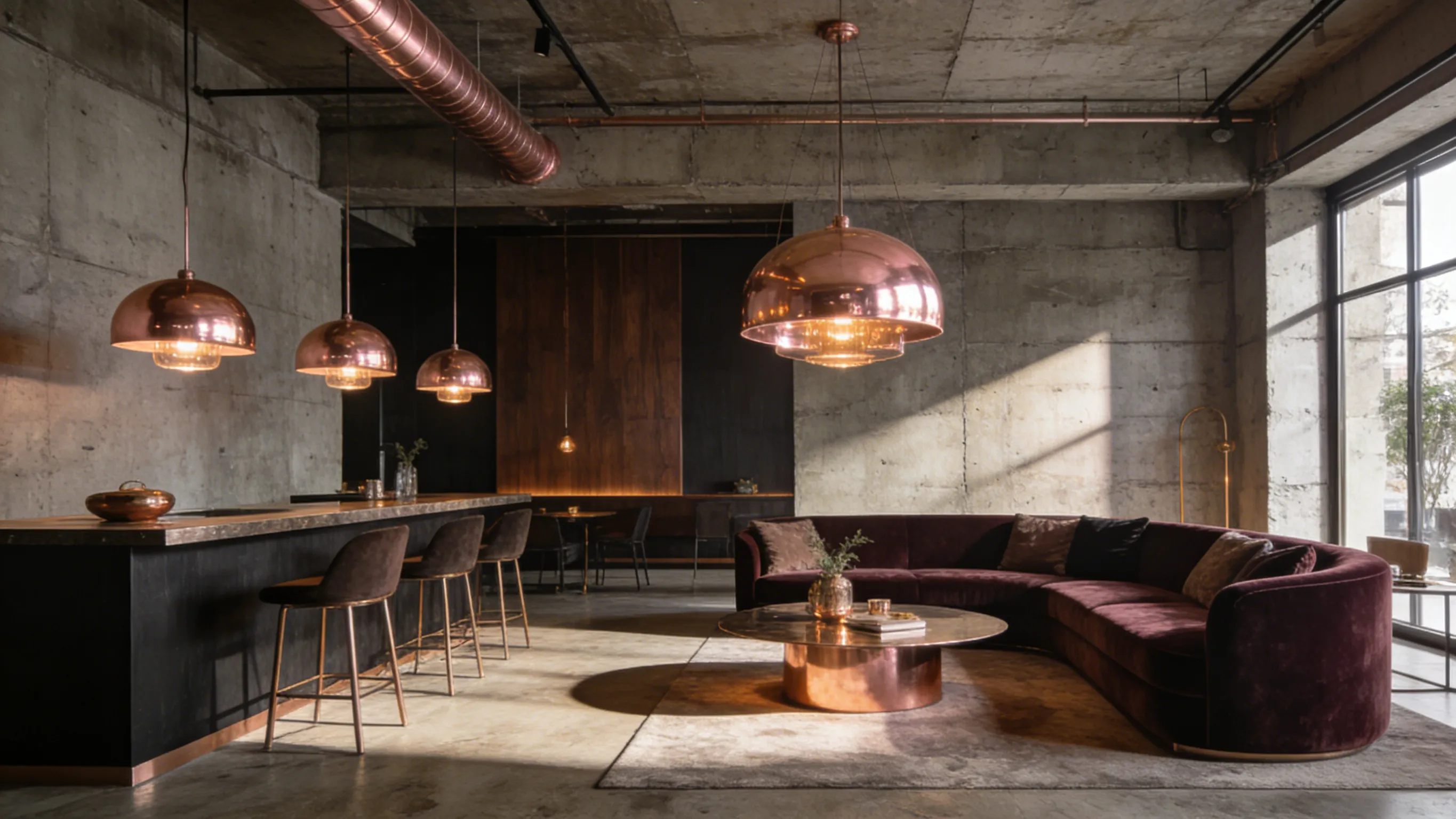
Swap out a single overhead light for a constellation of different sources. Think about incorporating a sleek, arc floor lamp to drape light over a reading nook. Add a pair of modern, minimalist sconces with warm-toned bulbs on either side of a large mirror. Don’t forget candles—real or high-quality LED—in a variety of holders: brass, ceramic, colored glass. This mix of lighting at different heights and intensities adds a dynamic, layered glow that can make even the most familiar room feel new and inviting as dusk falls.
The New Neutrals: Grounding the Chaos
Traditional boho palettes are rich with jewel tones—deep reds, emerald greens, and vibrant mustards. While these are gorgeous, a contemporary update often involves introducing more grounding, earthy neutrals. This doesn’t mean painting everything beige. Instead, think of colors found in nature: warm terracotta, soft olive green, dusty blush, and deep charcoal.
You can introduce these through larger, foundational pieces. Consider re-upholstering a single armchair in a textured, neutral fabric. Or, invest in a large, natural fiber rug made of jute or sisal to sit beneath your more colorful patterned rugs. This creates a visual “breathing room” that allows your more vibrant, patterned pieces to truly sing without competing for attention. Some designers argue that this balance between calm neutrals and energetic patterns is what defines the new, more sustainable boho aesthetic.
Sustainable Soul: The Modern Boho Ethos
The original bohemians were, in a way, early sustainability advocates—thrifting, repurposing, and valuing the handmade. Updating your decor is the perfect time to realign with these values. The conversation in interior design has shifted dramatically towards conscious consumerism.
Instead of buying new, look for vintage. A mid-century modern sideboard can provide a clean, architectural line that contrasts beautifully with softer boho elements. Support small makers on platforms like Etsy or at local craft fairs. A single, stunning ceramic vase from a potter whose story you know will hold more weight than a dozen generic ones. As environmental activist and design thinker Kate Fletcher notes, “The most radical and sustainable thing you can do is to keep and care for what you already have.” Maybe updating your decor simply means re-dyeing faded linen curtains or having a beloved but worn rug professionally cleaned.
The Personal Narrative: Your Story, Evolving
Finally, and most importantly, infuse the space with your current story. Bohemian decor is a biography of your life. If your walls are still telling the story of your post-college backpacking trip through Southeast Asia, but you’re now a decade into a career and have new passions, the decor will feel disconnected.
Did you recently develop a love for watercolors? Frame a few of your own pieces and mix them into the gallery wall. Have you gotten into vinyl? Make your record player and a curated selection of albums a decorative feature. These personal, evolving touches are what prevent a boho space from feeling like a museum exhibit. They are the elements that make guests say, “This is so you,” and that, ultimately, is the entire point.
Updating your bohemian decor isn’t a betrayal of the style; it’s a fulfillment of its very promise. It’s a commitment to a home that is alive, personal, and deeply resonant. It’s about moving beyond the stereotype of beaded curtains and dream catchers and into a space that is both a sanctuary for your spirit and a true reflection of your journey. So take a deep breath, start with one corner, and remember: the most beautiful boho homes aren’t bought; they are built, piece by meaningful piece, over a lifetime.