Creative
How to Unclog Drains Naturally with Baking Soda and Vinegar
Author: Lauren Hayes

There’s a certain dread that accompanies the slow, gurgling sound of a clogged drain. It’s a universal household annoyance, one that can disrupt the rhythm of daily life. For many, the immediate instinct is to reach for a commercial drain cleaner—a potent, chemical-laden solution promising quick results. But what if the answer to this common problem has been sitting in your pantry all along? A combination of baking soda and vinegar, two humble household staples, offers a natural, effective, and surprisingly powerful alternative. This method isn't just a folk remedy; it's a scientifically-grounded approach to maintaining your home’s plumbing while being kinder to the environment.
The Science Behind the Fizz
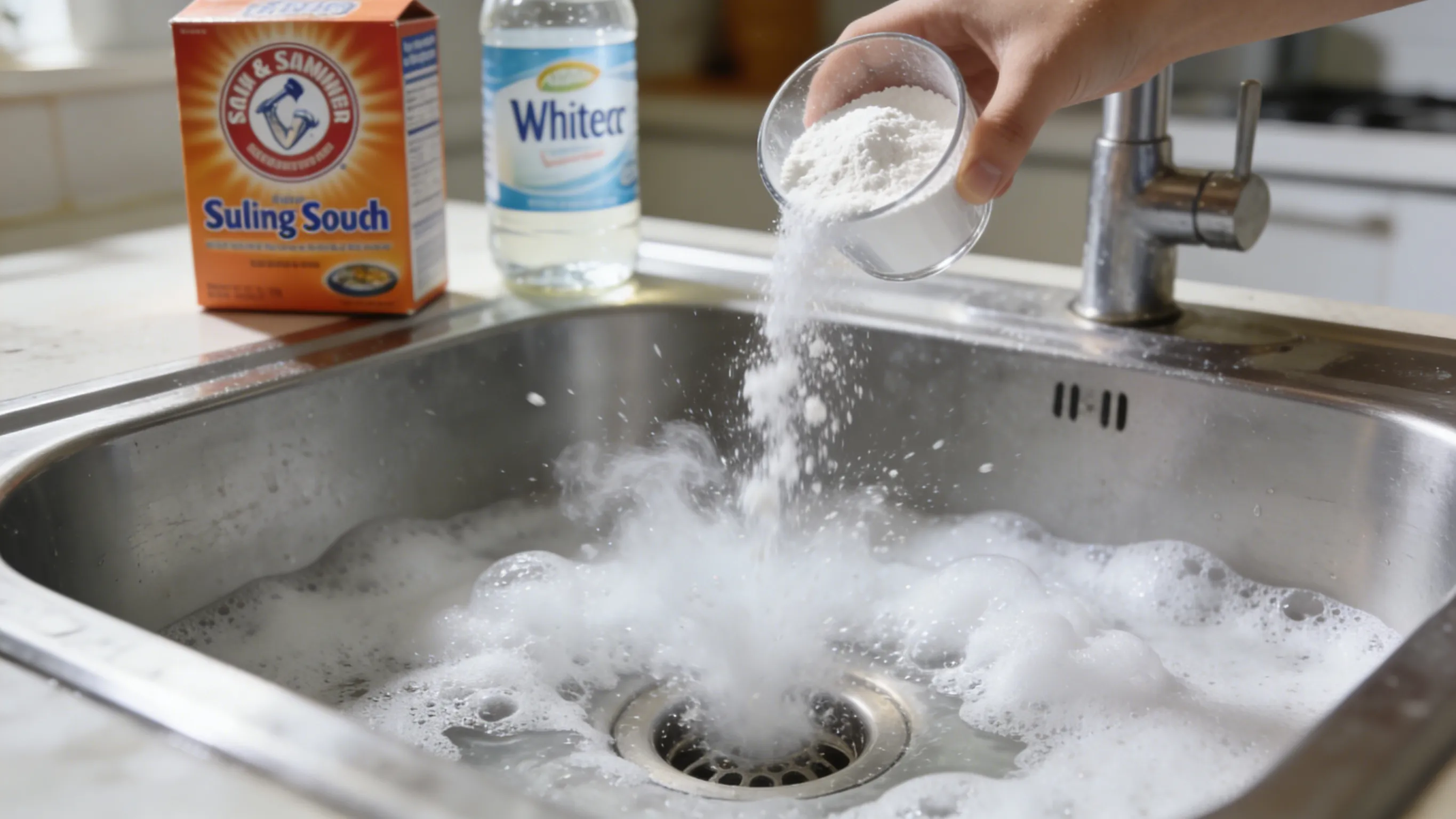
Before diving into the step-by-step process, it’s worth understanding why this combination works. Baking soda, or sodium bicarbonate, is a mild alkali, while vinegar, or acetic acid, is—as the name suggests—an acid. When combined, they undergo an acid-base reaction, producing carbon dioxide gas and water. The fizzing action isn’t just for show; it helps to agitate the gunk, grease, and debris clinging to the pipes. According to a study published in the Journal of Chemical Education, this reaction can generate enough mechanical force to dislodge minor blockages. Some plumbers, like Mike Wilson of ProFlow Plumbing in Austin, note that while it may not replace a professional auger for severe clogs, "the baking soda and vinegar method is excellent for maintenance and mild cases, largely because it’s abrasive enough to scrub away residue without corroding pipes."
A Step-by-Step Guide to Natural Drain Cleaning
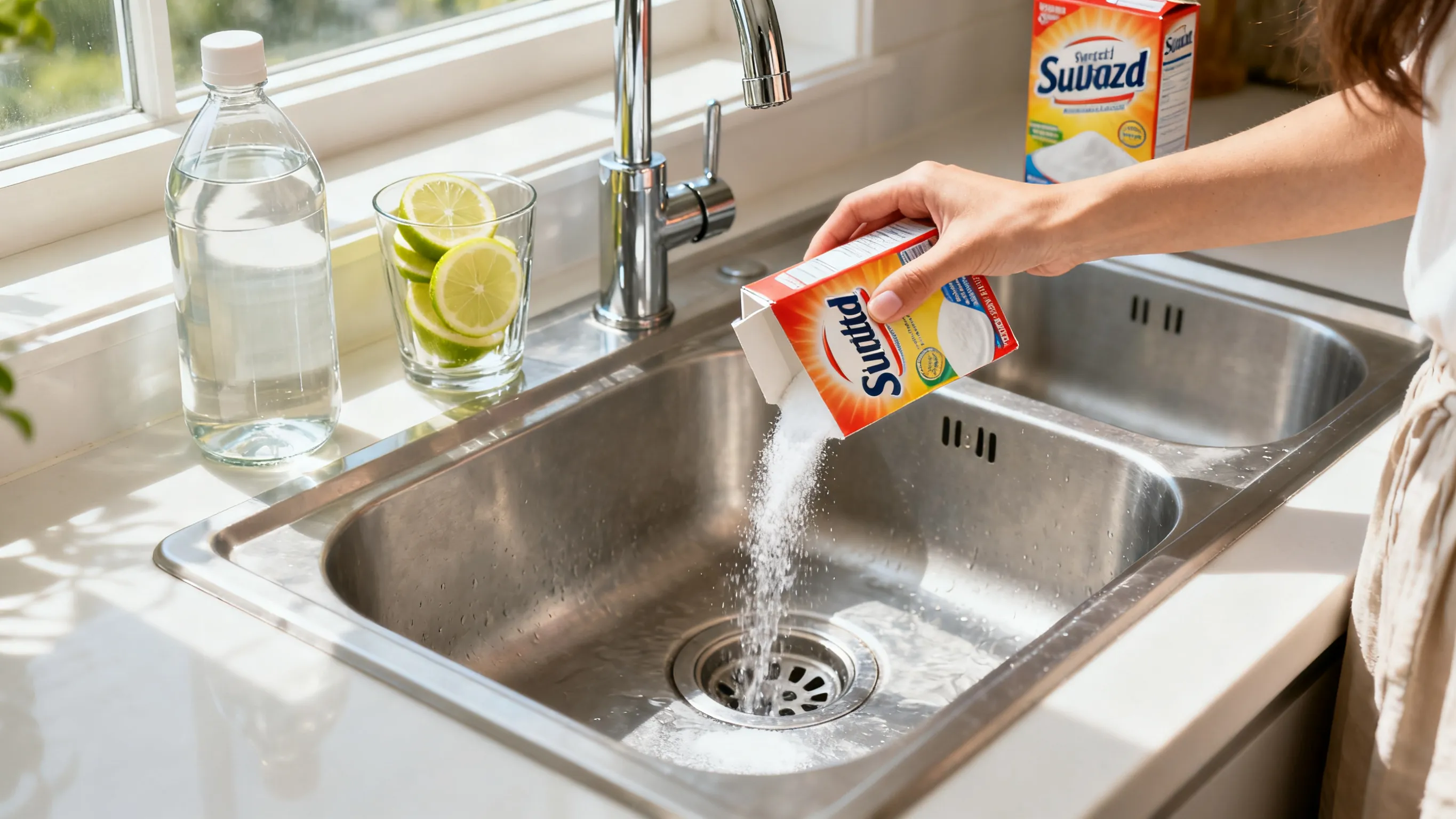
Here’s how to put this method into practice. You’ll need about half a cup of baking soda and an equal amount of white vinegar, along with a kettle of boiling water. Begin by pouring the baking soda directly down the drain. Follow it immediately with the vinegar. You’ll hear that satisfying fizz—a sign the reaction is working. Let the mixture sit for at least 30 minutes, though some experts suggest leaving it overnight for tougher clogs. Finally, flush the drain with boiling water to wash away the dislodged material.
But why does this work so well in practice? Part of the answer lies in the abrasive texture of baking soda, which acts as a gentle scouring agent. Meanwhile, vinegar’s acidity helps to break down organic matter like soap scum or food particles. It’s a one-two punch that’s both simple and remarkably efficient.
Real-Life Applications and Limitations
Of course, no solution is a cure-all. For older homes with galvanized steel pipes, for instance, this method might be less effective due to accumulated corrosion. Similarly, if the clog is caused by non-organic materials like hair or small objects, a mechanical tool like a drain snake may be necessary. Still, many homeowners swear by this approach for routine maintenance. Sarah Jenkins, a mother of two in Portland, shared her experience: "I’ve been using baking soda and vinegar monthly for years. It’s become a ritual—like giving my drains a deep cleanse. I haven’t had a serious clog since I started."
Environmental and Health Benefits
One of the most compelling reasons to adopt this method is its minimal environmental impact. Commercial drain cleaners often contain sodium hydroxide or sulfuric acid, which can harm aquatic life when they enter water systems. In contrast, baking soda and vinegar are biodegradable and non-toxic. Dr. Elena Rodriguez, an environmental scientist, points out that "while more research is needed to quantify the long-term benefits, reducing household chemical use is a small but meaningful step toward sustainability."
Incorporating This into Your Cleaning Routine
Making this a regular part of your home care doesn’t just keep drains clear—it fosters a mindset of mindful maintenance. Perhaps schedule it for the first weekend of the month, or pair it with other eco-friendly habits, like composting or switching to reusable cleaning cloths. The simplicity of the process is part of its appeal; it’s almost meditative, a small act of care for your living space.
Conclusion: Small Changes, Big Impact
Unclogging drains with baking soda and vinegar is more than a handy trick—it’s a testament to the power of simple, natural solutions in an era of complex chemicals. While it may not solve every plumbing issue, it offers a safe, affordable, and eco-conscious alternative for everyday maintenance. So the next time your sink starts to drain a little too slowly, consider turning to your pantry first. You might be surprised by what you can accomplish with ingredients you already own.