Creative
How to Soften a Minimalist Space Without Losing Style
Author: Sarah Mitchell

Minimalism has long been celebrated for its clean lines, uncluttered surfaces, and serene ambiance. Yet, for many, the aesthetic can feel stark, impersonal, or even cold. The challenge, then, lies in softening these spaces without sacrificing the very principles that make minimalism so appealing. How can one introduce warmth, texture, and a sense of lived-in comfort while maintaining the elegance of simplicity? The answer lies in a thoughtful blend of materials, colors, and personal touches—a delicate dance between restraint and expression.
The Paradox of Warm Minimalism
Minimalism, at its core, is about intentionality. It champions the idea that less is more, stripping away the non-essential to highlight what truly matters. But as design evolves, so too does our understanding of what “essential?means. For some, it’s not just about function but also about emotion. As acclaimed interior designer Axel Vervoordt once noted, “A home should be a sanctuary, not a showroom.?This sentiment resonates deeply in today’s design landscape, where the concept of “warm minimalism?is gaining traction.
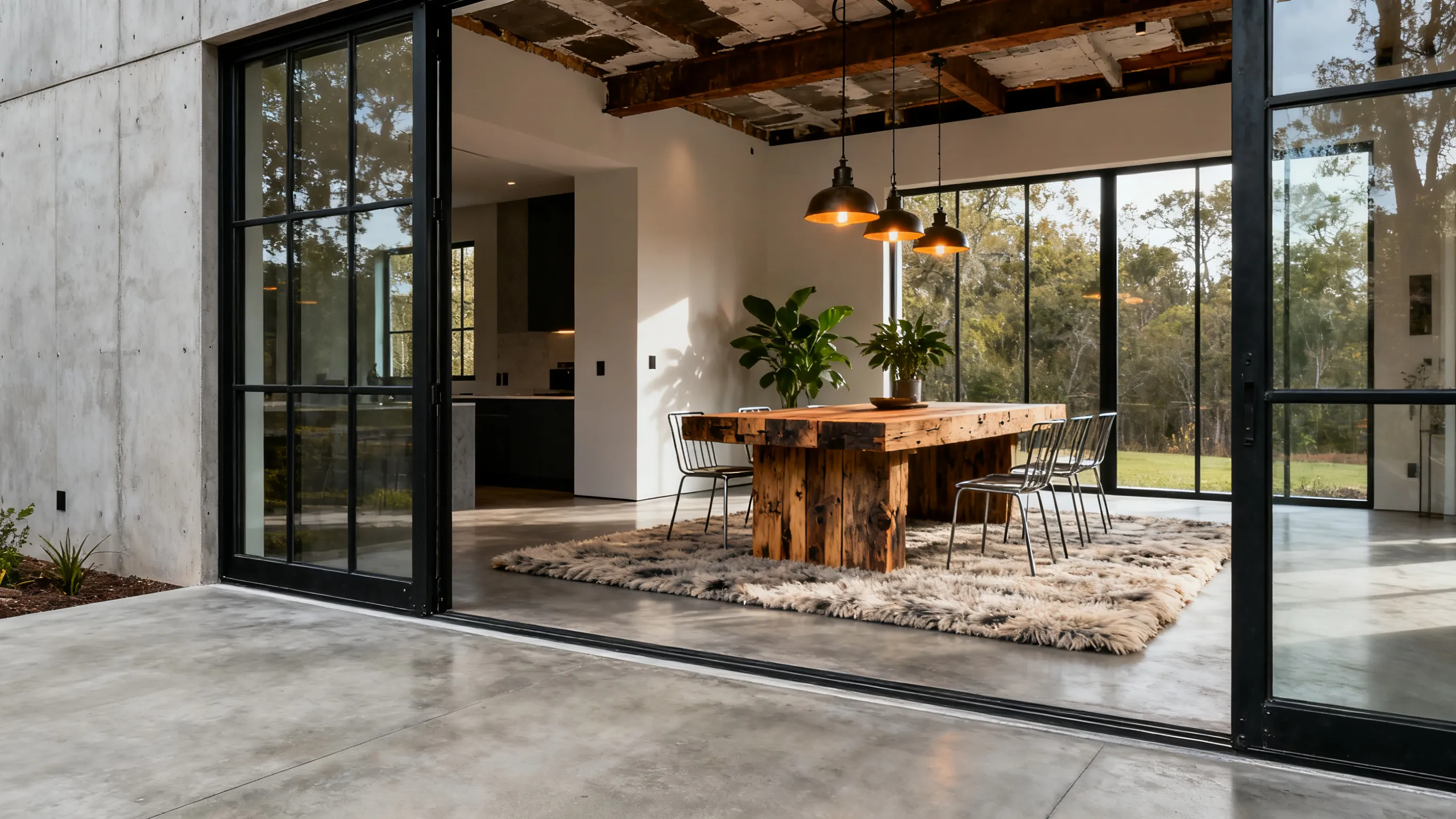
Warm minimalism isn’t an oxymoron; it’s an evolution. It retains the simplicity and clarity of traditional minimalism but infuses it with organic textures, soft lighting, and subtle imperfections. Think of it as the difference between a sterile gallery and a sunlit atelier—both are curated, but one feels inviting.
Texture: The Unsung Hero of Coziness
One of the most effective ways to soften a minimalist space is through texture. Smooth, monolithic surfaces—like polished concrete or lacquered cabinetry—can feel austere when overused. Introducing varied textures creates visual interest and tactile warmth without adding clutter.
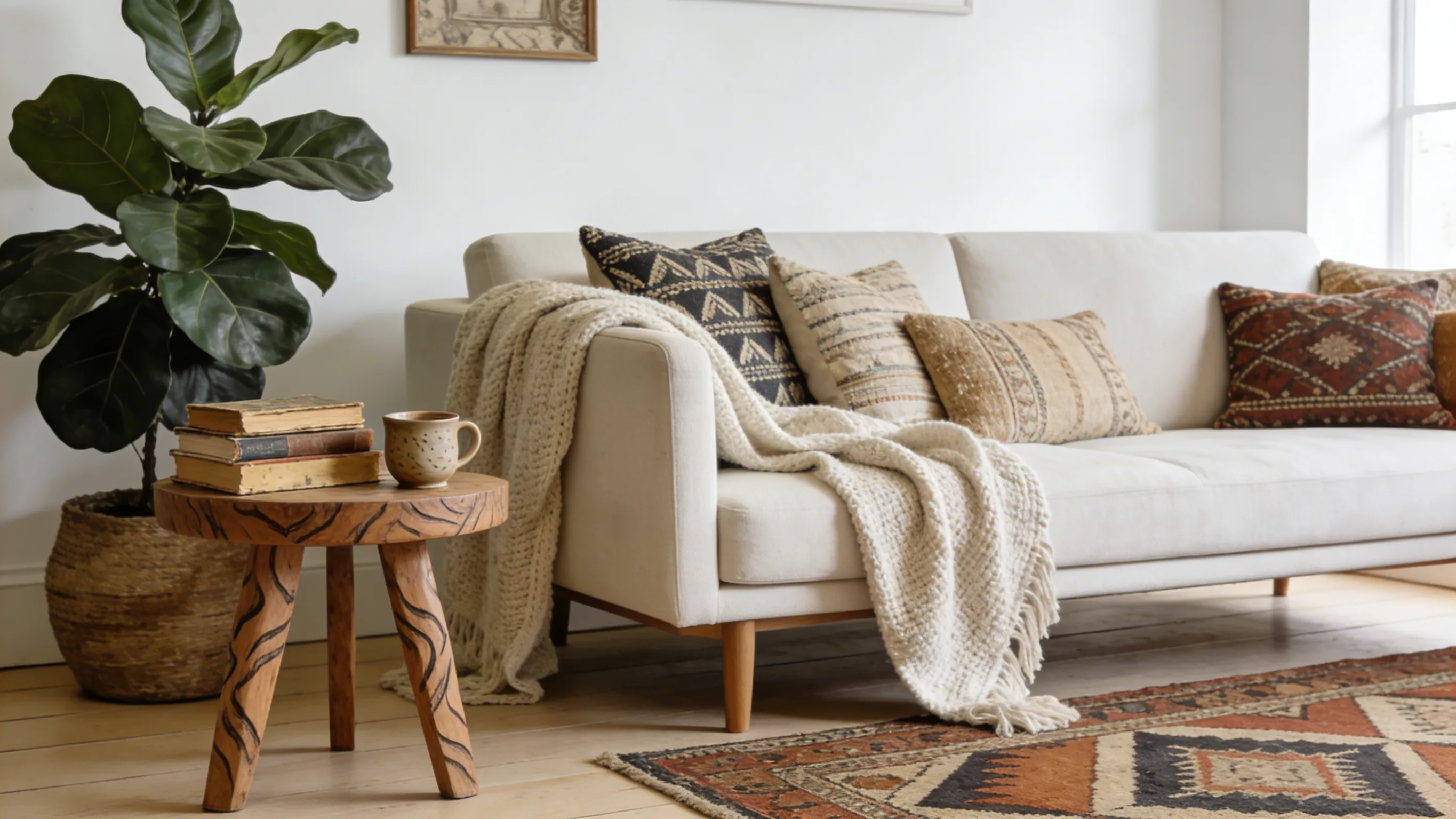
For instance, a wool throw draped over a streamlined sofa or a jute rug layered beneath a minimalist dining table can instantly make a room feel more inviting. Similarly, matte finishes on walls or furniture absorb light softly, reducing glare and contributing to a calmer atmosphere. As studies in environmental psychology suggest, tactile diversity can subconsciously evoke feelings of comfort and safety.
Consider the Japanese concept of wabi-sabi, which celebrates imperfection and transience. A hand-thrown ceramic vase with slight irregularities or a weathered wooden bench can introduce soulfulness into an otherwise pristine setting. These elements tell a story, grounding the space in humanity.
Color Beyond Neutrals
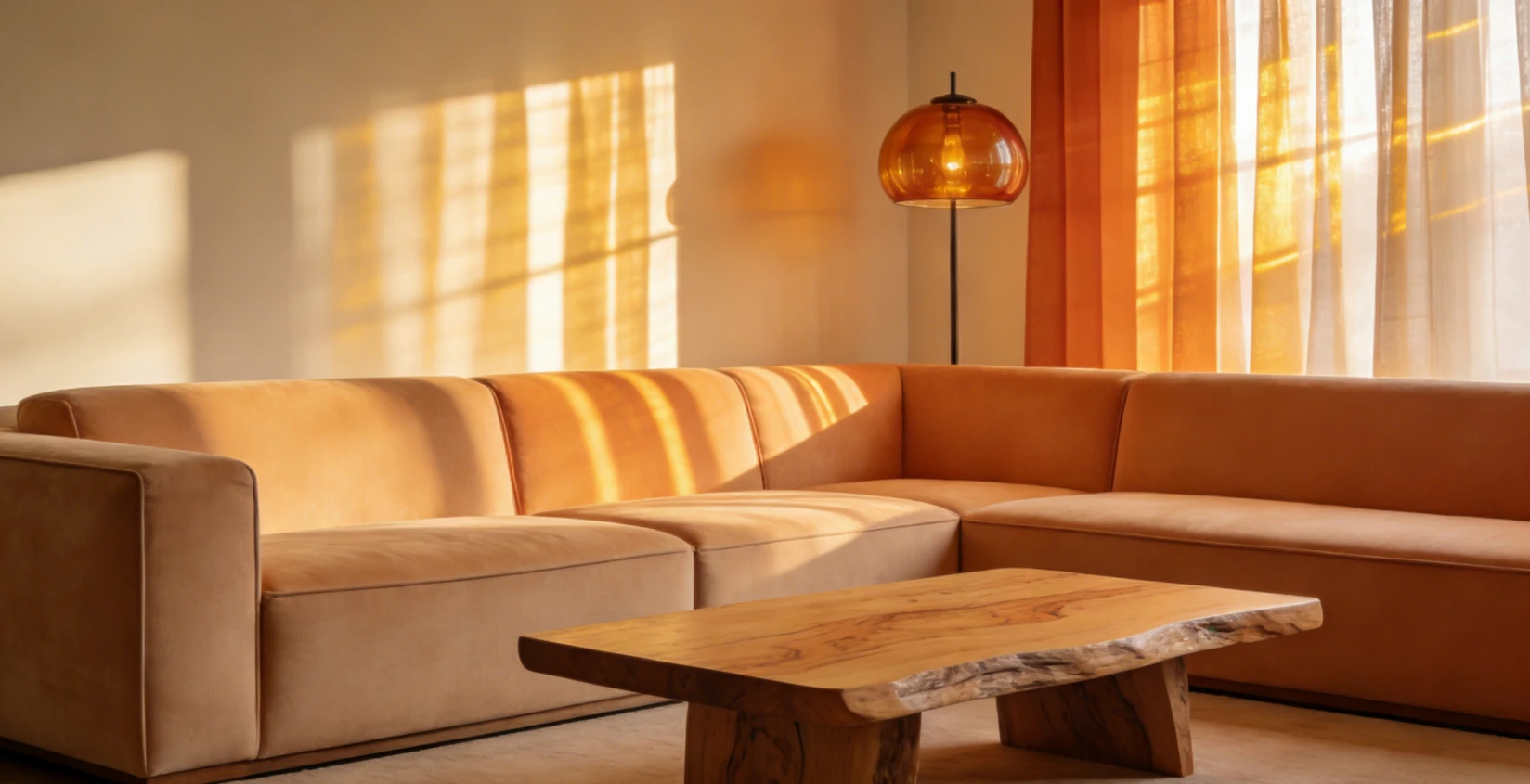
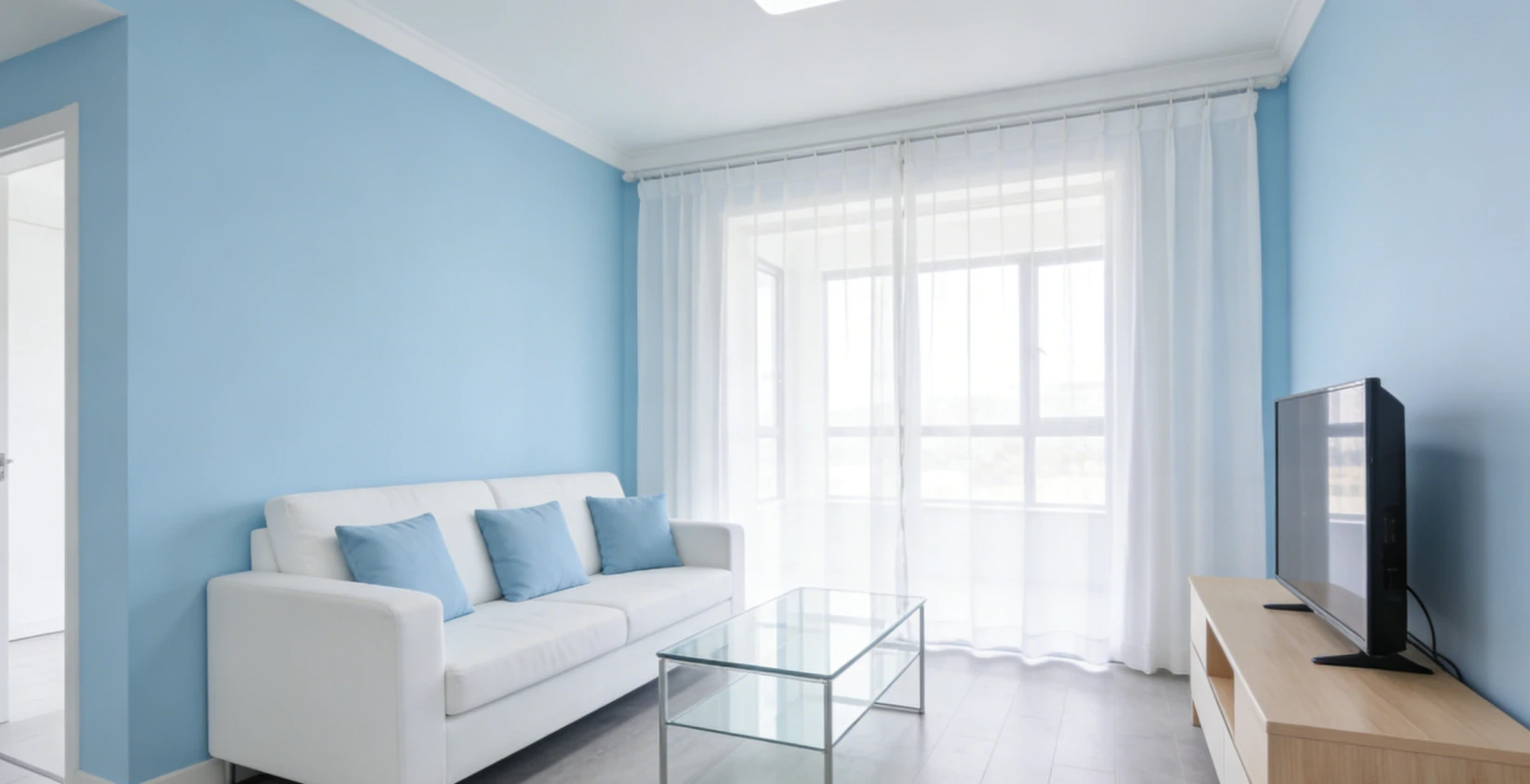
While neutral palettes are a hallmark of minimalism, they need not be limited to stark whites and grays. Soft, earthy tones—like warm beiges, muted terracottas, and dusty blues—can add depth and emotion without overwhelming the senses.
Color theorist Faber Birren once observed that warm neutrals promote a sense of well-being, making spaces feel more habitable. For example, painting a single wall in a pale ochre or using olive-green upholstery on a chair can create focal points that draw the eye without disrupting visual flow.
Moreover, incorporating natural materials like wood and stone introduces inherent color variation. The grain of oak flooring or the veining of marble countertops adds complexity in a way that feels organic rather than deliberate.
Lighting as an Emotional Tool
Lighting is often underestimated in minimalist design, where functionality tends to take precedence. Yet, it’s one of the most powerful tools for softening a space. Harsh, uniform lighting can amplify coldness, while layered, dynamic lighting can evoke warmth and intimacy.
A combination of ambient, task, and accent lighting allows for flexibility. Dimmable fixtures, for instance, enable adjustments to match the time of day or mood. Meanwhile, natural light remains irreplaceable—filtered through linen curtains or reflected off matte surfaces, it can transform a room into a tranquil retreat.
As architect Tadao Ando famously demonstrated in his work, light can sculpt space, highlighting textures and contours that might otherwise go unnoticed. In a minimalist home, this interplay of light and shadow can turn simplicity into poetry.
Curated Personalization
Minimalism often faces criticism for feeling impersonal, but it doesn’t have to be devoid of character. The key is curated personalization—selecting a few meaningful objects to display rather than crowding surfaces with knick-knacks.
A single piece of art, a small collection of books, or a family heirloom can serve as a narrative anchor. The goal is to ensure that every object has purpose or significance. As Marie Kondo, the tidying expert, advises, “Keep only what sparks joy.?This philosophy extends beyond decluttering to designing a space that reflects its inhabitants.
Biophilic Elements: Bridging Indoors and Out
Incorporating elements of nature is another way to soften minimalist interiors. Plants, for instance, introduce life, color, and organic shapes. A tall fiddle-leaf fig in a corner or a cascade of pothos on a shelf can break the rigidity of straight lines.
Beyond plants, materials like wood, stone, and clay reinforce a connection to the natural world. Large windows that frame outdoor views further blur the boundaries between inside and outside, creating a sense of expansiveness.
Research from the University of Exeter has shown that biophilic design can reduce stress and enhance creativity, making it not just an aesthetic choice but a wellbeing strategy.
Flexibility and Evolution
Finally, a softened minimalist space should feel dynamic, not static. Unlike the static perfection of a magazine spread, real homes evolve. Allowing for flexibility—modular furniture, interchangeable textiles, or seasonal decor—ensures the space adapts to changing needs and moods.
Perhaps the most humanizing touch of all is embracing a little imperfection. A slightly rumpled cushion, a stack of well-loved books, or the patina on a well-used dining table—these are the details that make a house a home.
Conclusion: The Art of Balance
Softening a minimalist space is an exercise in balance. It requires a keen eye for detail, an appreciation for nuance, and a willingness to prioritize emotion over dogma. By integrating texture, warm colors, layered lighting, and personal touches, it’s possible to create a space that is both serene and soulful—a testament to the idea that minimalism and warmth are not mutually exclusive but beautifully complementary.
In the words of designer Ilse Crawford, “We all need room to breathe, but we also need room to feel.?In the end, the most successful minimalist spaces are those that don’t just look good but feel like home.