Creative
How to Repurpose Old Furniture into Something New and Useful
Author: Daniel Brooks

In a world increasingly conscious of sustainability and personal expression, the art of repurposing old furniture has emerged as more than just a trend—it’s a movement. Whether it’s that worn-out dresser in the attic or a dated coffee table gathering dust, these pieces hold untapped potential. As design expert Emma Richardson notes, “Furniture tells stories. Repurposing allows us to rewrite them.?This article explores how to breathe new life into forgotten items, blending creativity with practicality to elevate everyday living.
The Allure of the Old: Why Repurposing Matters
Before diving into techniques, it’s worth asking: why repurpose at all? For many, the appeal lies in sustainability. The Environmental Protection Agency estimates that furniture and furnishings accounted for over 9 million tons of municipal solid waste in 2018 alone. By repurposing, we divert items from landfills and reduce the demand for new resources. But there’s also an emotional dimension. A 2021 study in the Journal of Environmental Psychology found that individuals who engage in DIY projects, including furniture repurposing, report higher levels of satisfaction and a stronger connection to their living spaces.
Take Sarah, a teacher from Portland, who transformed her grandmother’s rickety sewing table into a vibrant plant stand. “It wasn’t just about saving money,?she explains. “It was about preserving a piece of family history.?Stories like Sarah’s underscore how repurposing merges nostalgia with functionality, turning relics into relevant additions to modern homes.
Getting Started: Assessing Your Furniture’s Potential
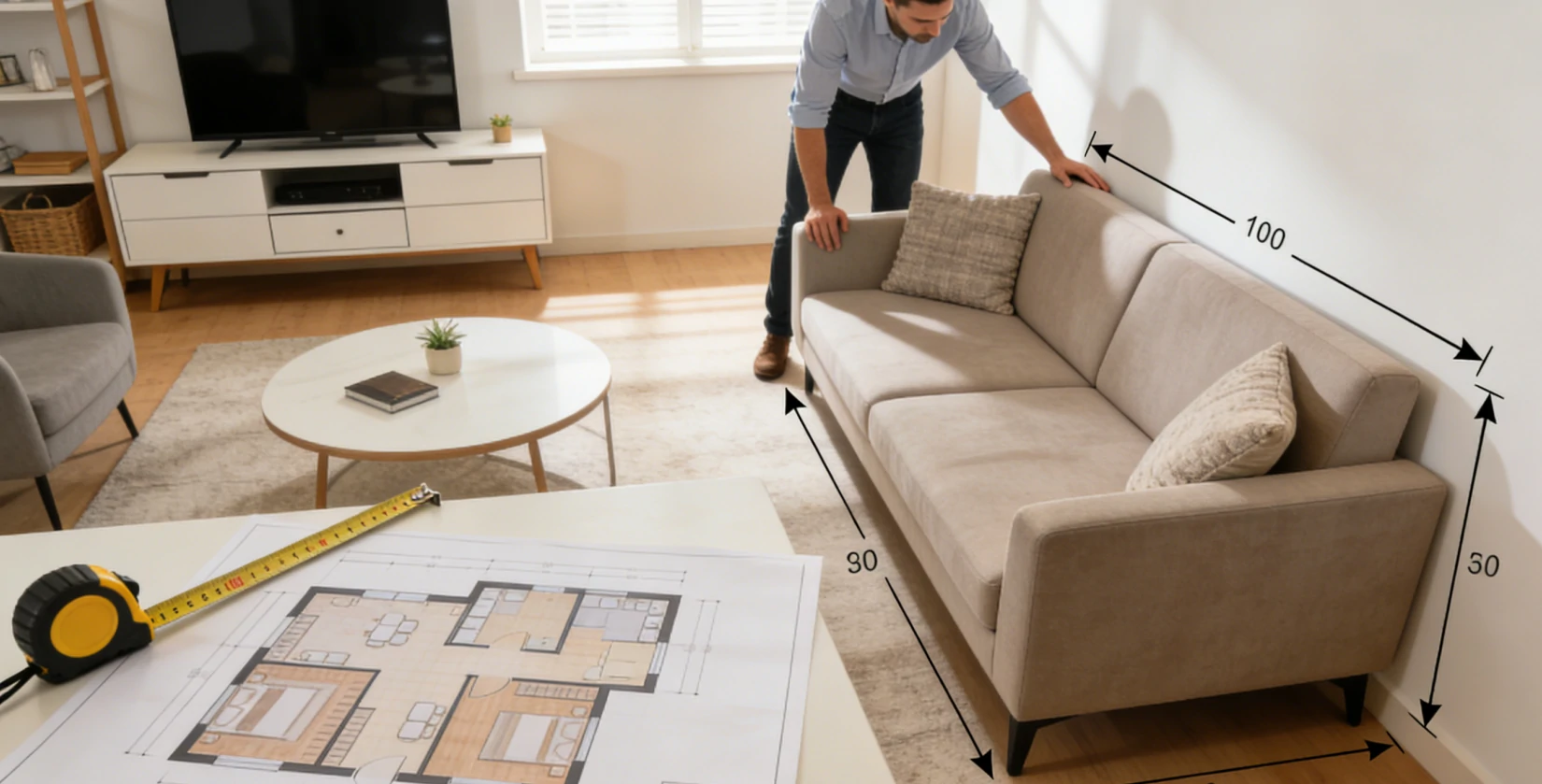
Not every piece of furniture is a candidate for repurposing, but many are. Begin by examining the item’s structure. Solid wood pieces, for instance, often withstand transformations better than particleboard, which may have limited durability. Look for sturdy joints, intact surfaces, and minimal damage from pests or moisture. A chair with a broken leg might seem hopeless, but perhaps its ornate backrest could become a wall-mounted rack for keys and mail.
Next, consider the piece’s “hidden?qualities. Drawers from an old desk, for example, can be reconfigured as floating shelves. Table legs might serve as bases for side tables or even lamp stands. The key is to see beyond the original function. As one interior designer quipped, “Furniture is like clay—it’s moldable if you have the vision.?/p>
Techniques and Transformations: From Basic to Bold
Repurposing can range from simple updates to complete overhauls. Below are some approaches, illustrated with real-world examples.
1. The Paint and Refresh Method
Sometimes, a fresh coat of paint is all it takes. Chalk paint, known for its matte finish and adhesion to most surfaces without priming, has revolutionized DIY projects. A dated wooden cabinet, for instance, can be painted in muted sage green or bold navy to align with contemporary color palettes. For added character, techniques like distressing or stenciling introduce texture and personality.
Case Study: Mark, a graphic designer from Austin, turned a dull, mid-century dresser into a statement piece for his entryway. Using a combination of milk paint and hand-painted botanical motifs, he created a focal point that guests often mistake for a custom-made design.
2. Functional Shifts: Changing a Piece’s Purpose
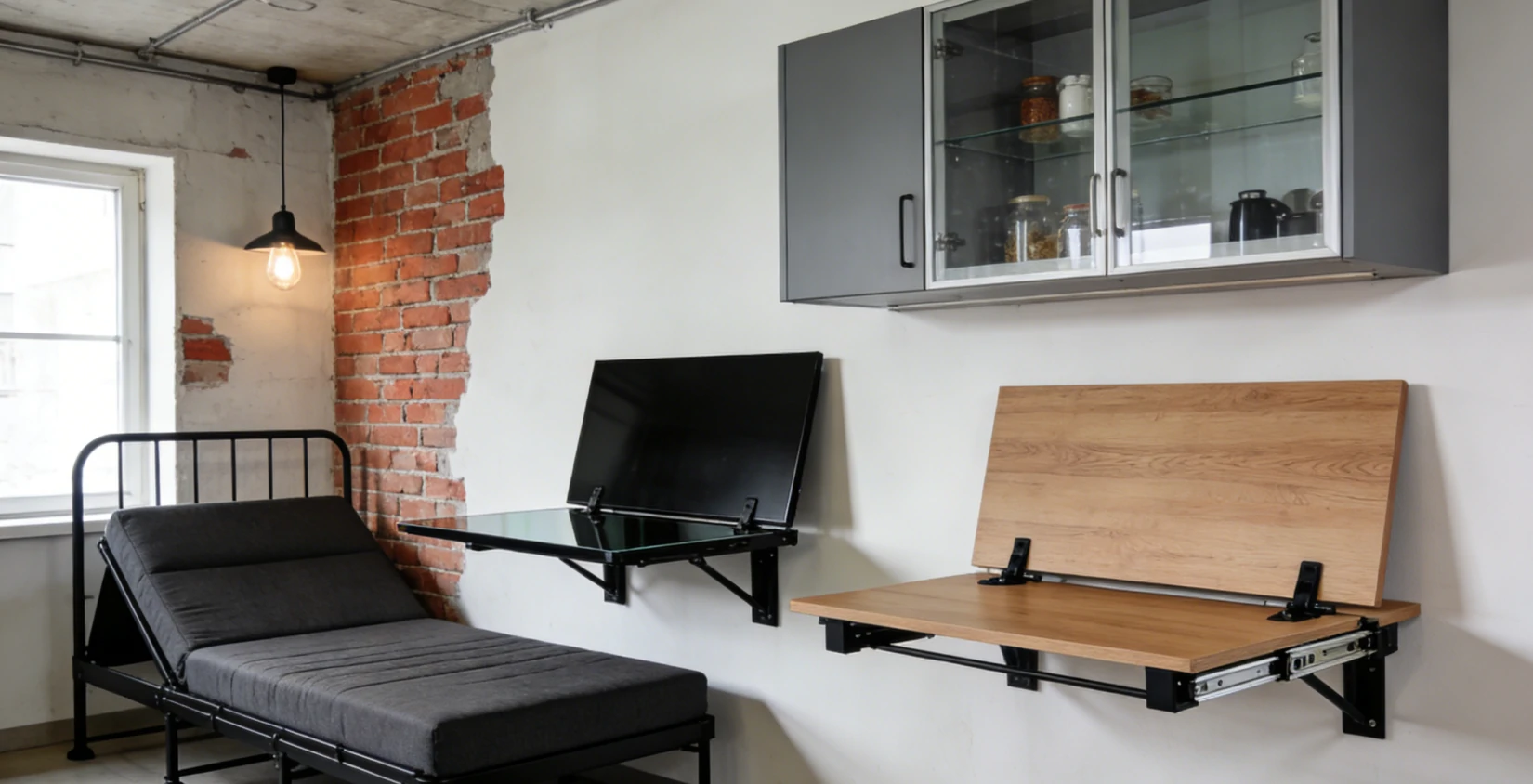
This approach involves reimagining an item’s use entirely. An old ladder, for instance, can be cleaned, sanded, and hung horizontally as a rustic bookshelf. A wooden door might become a headboard, or a set of drawers could be stacked and secured to form a unique pet bed nook.
Research from the Home Innovation Lab suggests that multi-functional furniture is increasingly prized in smaller living spaces. One of their reports highlights that “adaptable pieces not only maximize utility but also foster creativity in home organization.?/p>
3. Deconstruction and Reconstruction
For the more adventurous, deconstructing furniture opens up endless possibilities. A wooden bed frame might yield planks for a floating desk, while chair seats can be repurposed as trays or wall art. This method requires basic tools—a saw, drill, and sander—but the results are often one-of-a-kind.
Example: Lucy, a carpenter from Brighton, dismantled a 1970s stereo cabinet and used its panels to build a tiered indoor herb garden. “It was about honoring the wood’s history while giving it a new life,?she says.
4. Incorporating Mixed Materials
Combining furniture with other elements can yield striking results. Adding hairpin legs to a vintage suitcase creates a quirky side table. Marrying glass tops to wooden bases from different eras fosters an eclectic, curated look. Some designers argue that this fusion of old and new embodies the very spirit of modern interior design—a balance between tradition and innovation.
Navigating Challenges: Common Pitfalls and Solutions
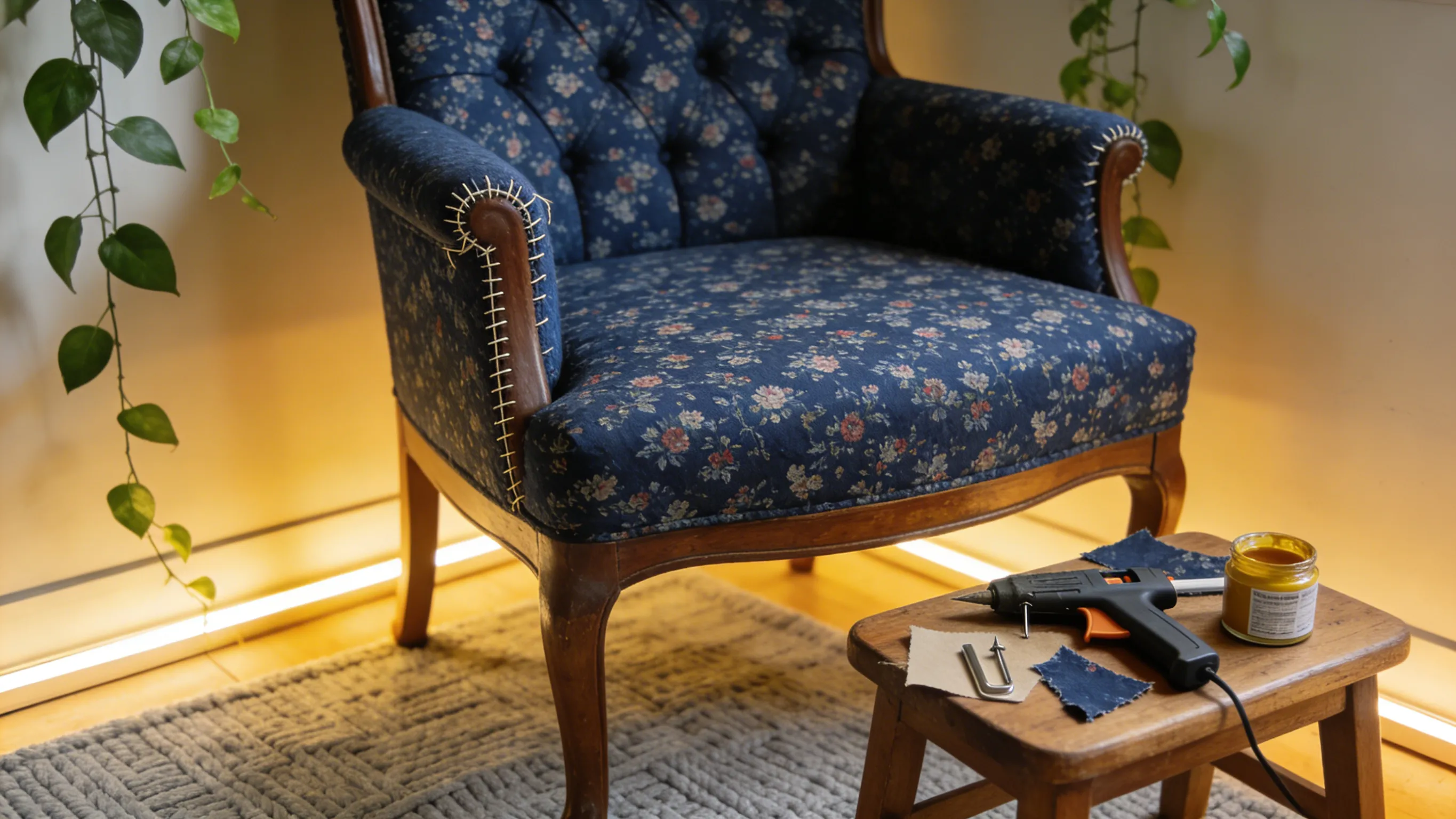
Repurposing isn’t without its hurdles. Peeling paint, unstable joints, or outdated hardware can deter even the most enthusiastic DIYer. However, these issues are often manageable. For paint removal, eco-friendly soy-based gel strippers are effective and less toxic than traditional alternatives. Loose joints can be reinforced with wood glue and clamps, while hardware swaps—like replacing brass handles with matte black pulls—can modernize a piece instantly.
It’s also wise to start small. A novice might begin with a simple sanding and staining project before advancing to complex reconstructions. Online platforms like Pinterest and YouTube host countless tutorials, but as one seasoned restorer cautions, “Not every technique works for every piece. Experiment, but know when to seek professional advice.?/p>
The Bigger Picture: Repurposing as a Mindset
Beyond the practical benefits, repurposing furniture encourages a shift in perspective. It challenges the disposable culture promoted by fast furniture retailers and invites us to value craftsmanship and history. Sociologists point out that engaging in hands-on projects can foster mindfulness, providing a respite from screen-dominated routines.
Perhaps this is why the movement has gained such traction. In an age of mass production, personalized, meaningful items stand out. They tell stories of ingenuity and care—qualities that no store-bought piece can replicate.
Conclusion: Your Home, Your Narrative
Repurposing old furniture is more than a hobby; it’s a way to curate a home that reflects individuality and values. From simple paint jobs to ambitious reconstructions, each project offers a chance to create something both new and deeply rooted. As the saying goes, “The best things in life are repurposed.?Or perhaps it should be. Whether you’re a seasoned DIYer or a curious beginner, there’s no better time to look at that forgotten piece in the corner and ask, “What could it become??/p>