Creative
How to Remove Grease Build-Up in Kitchen Sinks Naturally
Author: Lauren Hayes

There’s something quietly unsettling about a kitchen sink that’s lost its gleam. You know the one—the dull, sticky film clinging stubbornly to the basin, the faint, lingering odor of old cooking oil, the way water no longer sheets off the surface but pools in greasy patches. For many of us, the kitchen sink is the heart of the home, a place of daily rituals. Yet, it’s also where grease, food particles, and soap scum conspire to create a stubborn, grimy buildup.
While chemical cleaners promise quick fixes, they often come with their own baggage: harsh fumes, potential damage to pipes, and environmental concerns. Increasingly, homeowners are seeking gentler, more sustainable alternatives. As one plumbing expert noted in a recent Home Maintenance Digest interview, “We’re seeing a shift toward natural cleaning methods—not just for environmental reasons, but because they often work better in the long run.?/p>
So, what if you could restore your sink’s sparkle using ingredients you probably already have in your pantry? This isn’t about a single magic solution but a combination of methods tailored to different situations. Let’s explore how to tackle grease naturally, effectively, and with a touch of kitchen science.
Understanding the Enemy: Why Grease Is So Stubborn
Grease, in scientific terms, is largely composed of triglycerides—molecules that resist mixing with water. When washed down the sink, these fats cool, solidify, and cling to surfaces. Over time, they trap food debris, bacteria, and minerals from hard water, creating a layered gunk that’s tough to dislodge.
Interestingly, not all grease is the same. Animal fats, like bacon grease, solidify at higher temperatures than plant-based oils, making them particularly tenacious. As Dr. Elena Martinez, an environmental chemist, explains, “The molecular structure of fats determines how they interact with cleaning agents. Alkaline substances, for example, can break them down effectively by saponification—turning fats into soap.?/p>
This is where natural cleaners shine. Many household staples, like baking soda and vinegar, work by altering the pH or creating mechanical friction to lift grease without corroding surfaces.
The Power of Pantry Staples: A Step-by-Step Guide
1. The Baking Soda and Vinegar Duo
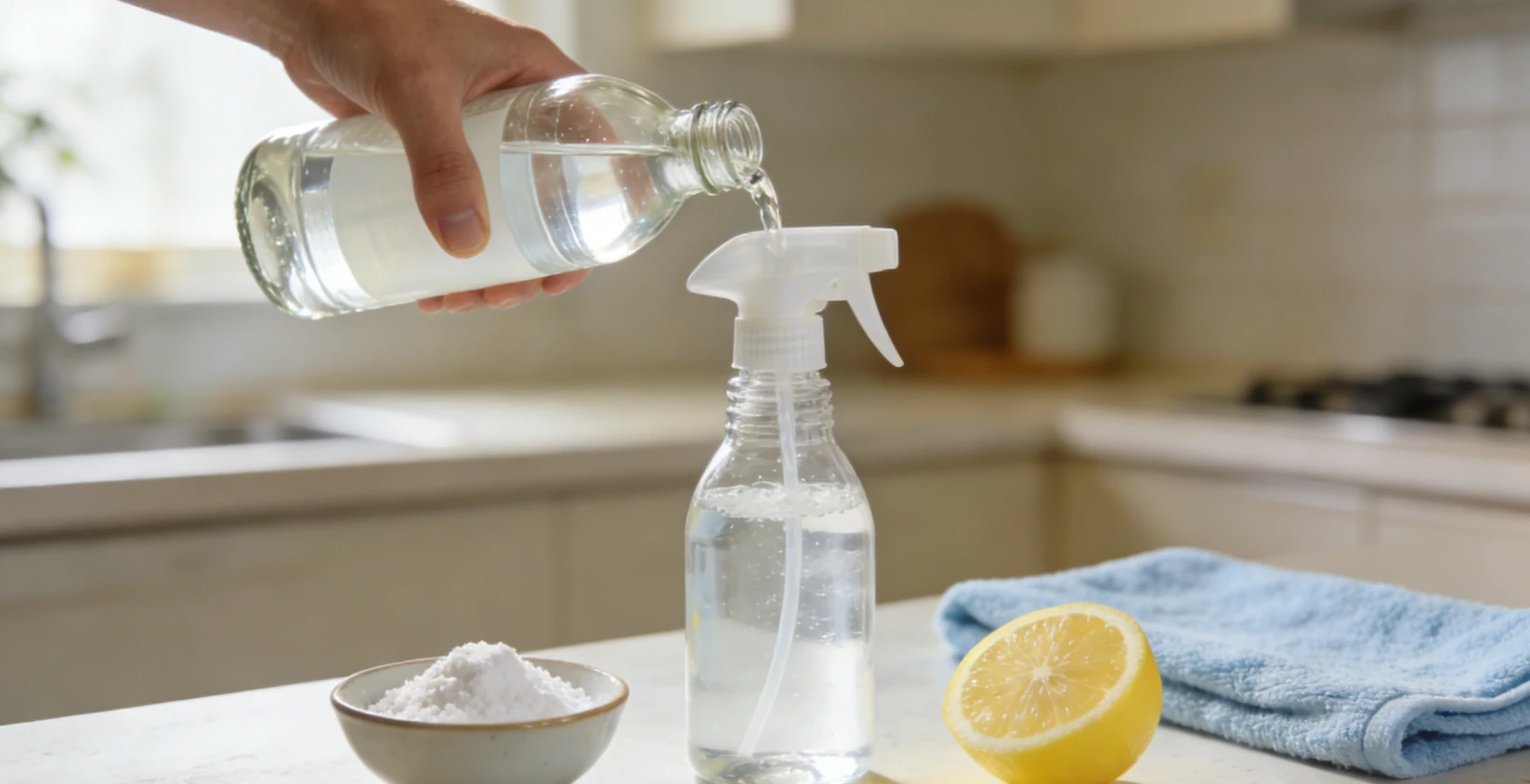
This classic combination isn’t just for school science projects. Baking soda (sodium bicarbonate) is mildly abrasive and alkaline, helping to dissolve grease, while vinegar (acetic acid) cuts through residue and deodorizes.
Method:
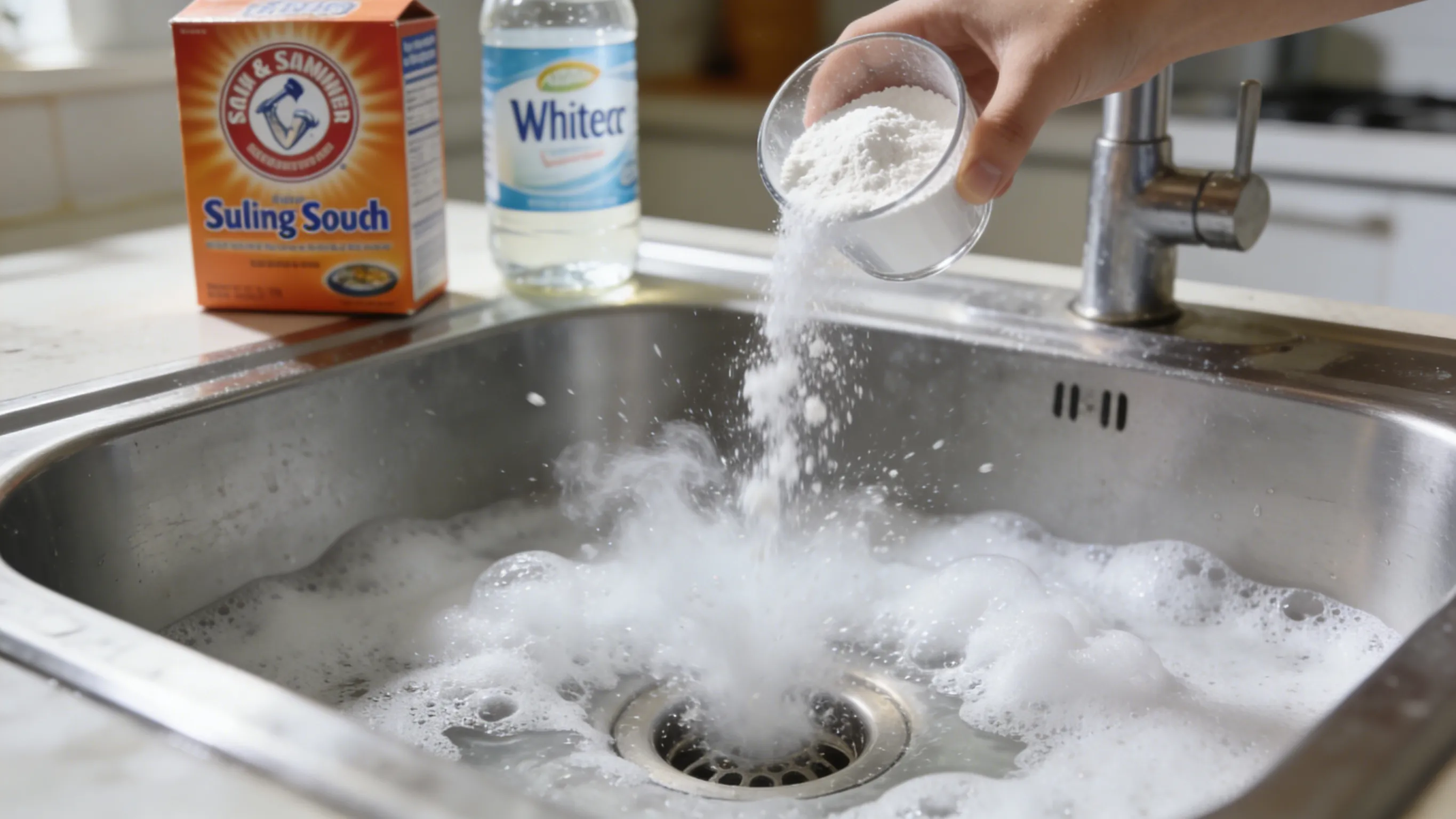
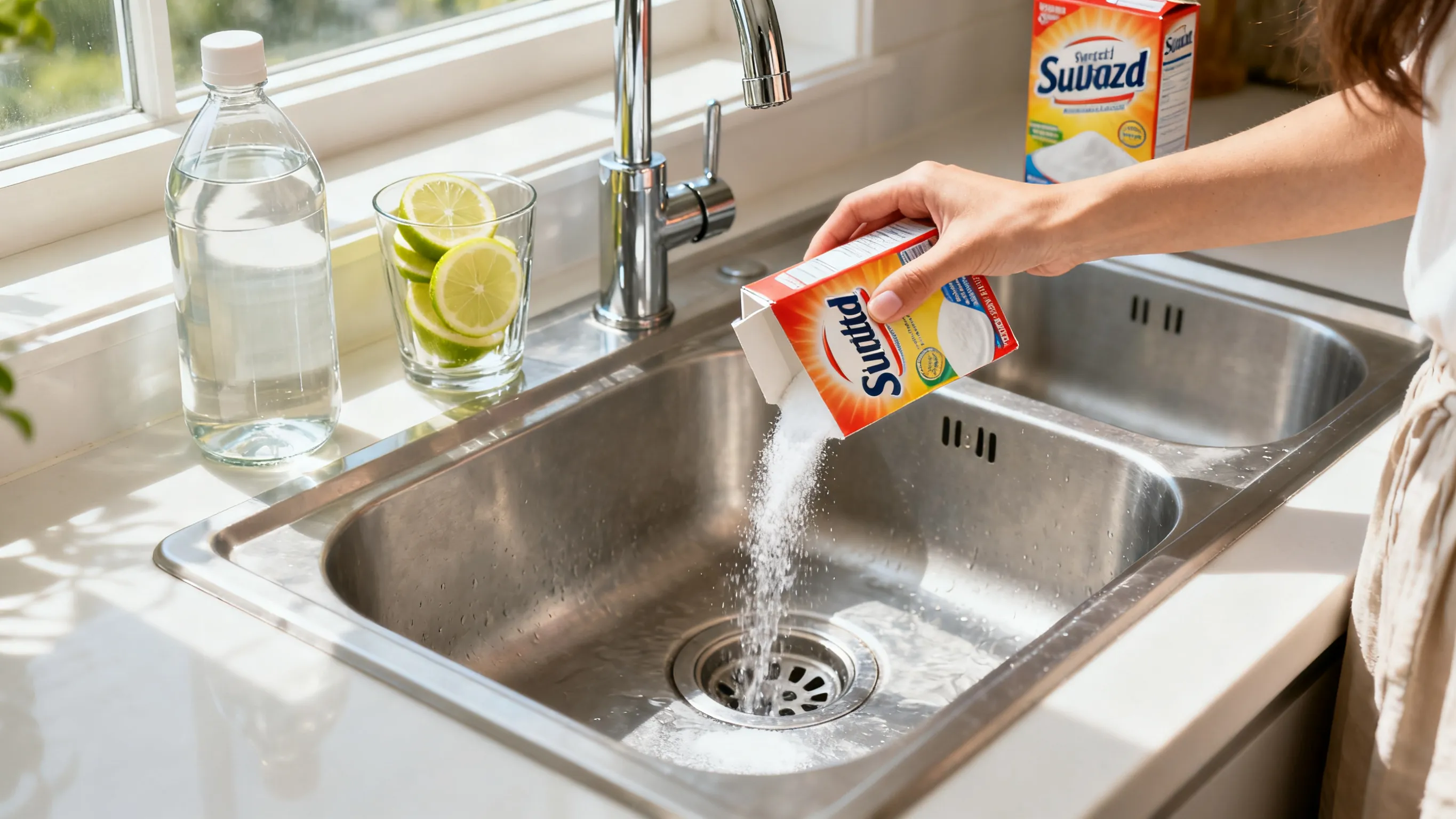
- Start by sprinkling a generous amount of baking soda across the sink surface, focusing on greasy areas.
- Slowly pour white vinegar over the baking soda. The fizzing action helps loosen grime.
- Let the mixture sit for 10?5 minutes.
- Scrub with a soft-bristled brush or sponge, paying attention to corners and drains.
- Rinse thoroughly with hot water.
One homeowner, Sarah, shared her experience: “I’d tried everything for the greasy film in my stainless steel sink, but the baking soda and vinegar method was the first thing that worked without scratching.?/p>
2. Salt and Lemon Scrub
For lighter grease or weekly maintenance, coarse salt and lemon juice make an effective scrub. Salt acts as a gentle abrasive, while lemon juice contains citric acid, which breaks down grease and leaves a fresh scent.
Method:
- Cut a lemon in half and dip it in coarse salt.
- Scrub the sink in circular motions, squeezing lightly to release juice.
- Let it sit for 5?0 minutes before rinsing.
3. Boiling Water and Dish Soap
Sometimes, simplicity is key. A mixture of hot water and a few drops of dish soap can emulsify grease, making it easier to wipe away. This method is particularly useful for preventing buildup in drains.
Method:
- Boil a kettle of water.
- Squirt a small amount of liquid dish soap into the drain.
- Carefully pour the boiling water down the drain to flush away grease.
When to Escalate: Tackling Stubborn Buildup
For sinks with heavy, caked-on grease, a more intensive approach may be needed. One method involves creating a paste with baking soda and hydrogen peroxide. Hydrogen peroxide acts as a bleaching and disinfecting agent, while baking soda lifts grime.
Method:
- Mix baking soda and hydrogen peroxide to form a thick paste.
- Apply the paste to greasy areas and let it sit for 30 minutes.
- Scrub with a nylon brush and rinse.
Some experts caution against using hydrogen peroxide on colored or delicate surfaces, as it may cause discoloration. As one home improvement blog noted, “It’s always wise to test a small, inconspicuous area first.?/p>
Prevention: The Unsung Hero of Sink Maintenance
While removing grease is important, preventing its accumulation is even better. Here are a few habits to adopt:
- Wipe Grease Before Washing: Use a paper towel to wipe excess grease from pots and pans before rinsing them.
- Use a Sink Strainer: Catch food particles before they enter the drain.
- Weekly Maintenance: A quick scrub with baking soda or salt once a week can keep grease from building up.
The Science Behind the Shine
Why do these natural methods work so well? It’s all about chemistry. Baking soda’s alkalinity helps break down fatty acids, while vinegar’s acidity neutralizes odors and dissolves mineral deposits. Lemon juice, with its citric acid, not only cuts through grease but also acts as a natural antibacterial agent.
Studies, such as one published in the Journal of Surfactants and Detergents, have shown that plant-based acids can be as effective as synthetic cleaners for certain types of grime. However, the efficacy often depends on the type of grease and the surface being cleaned.
A Personal Touch: Stories from the Kitchen
I remember visiting my grandmother’s house as a child. Her sink, though decades old, always gleamed. She never used fancy cleaners—just baking soda, vinegar, and a bit of elbow grease. “Why buy what you already have??she’d say, scrubbing with a vigor that belied her age. Her sink wasn’t just clean; it felt cared for, a testament to the pride she took in her home.
It’s a sentiment many of us share. The kitchen sink is more than a utilitarian fixture—it’s where we rinse fresh vegetables, wash coffee mugs, and sometimes just lean against, lost in thought. Keeping it clean isn’t just about hygiene; it’s about honoring the space where so much of life happens.
Conclusion: A Return to Simplicity
In a world saturated with specialized products, it’s easy to overlook the power of simplicity. Natural cleaning methods may require a bit more effort, but they offer a gentler, more sustainable approach to maintaining our homes. As one sustainability advocate put it, “Cleaning naturally isn’t about reverting to the past; it’s about making smarter choices for the future.?/p>
So the next time you notice that greasy film in your sink, reach for the baking soda or lemon. You might find that the simplest solutions are also the most effective.