Creative
How to Make Guests Feel Valued (and Helpful!) During the Holidays
Author: Rachel Nguyen

The holiday season is often painted as a picture-perfect tableau: a roaring fire, laughter echoing through the house, and a table groaning with lovingly prepared foodHow to Make Guests Feel Valued (and Helpful!) During the Holidays
The holidays are often described as a season of joy, but for hosts, they can feel more like a marathon of planning, cooking, and cleaning. Amid the chaos, it’s easy to overlook the subtle art of making guests feel genuinely appreciated—not just as recipients of hospitality, but as contributors to the shared experience. As one etiquette expert, Myka Meier, once noted, “True hosting isn’t about perfection; it’s about connection.?This year, perhaps it’s time to rethink the traditional host-guest dynamic. What if, instead of treating guests as passive attendees, we invited them into the fold, transforming the holidays into a collaborative celebration?
The Hidden Stress of “Effortless?Hosting
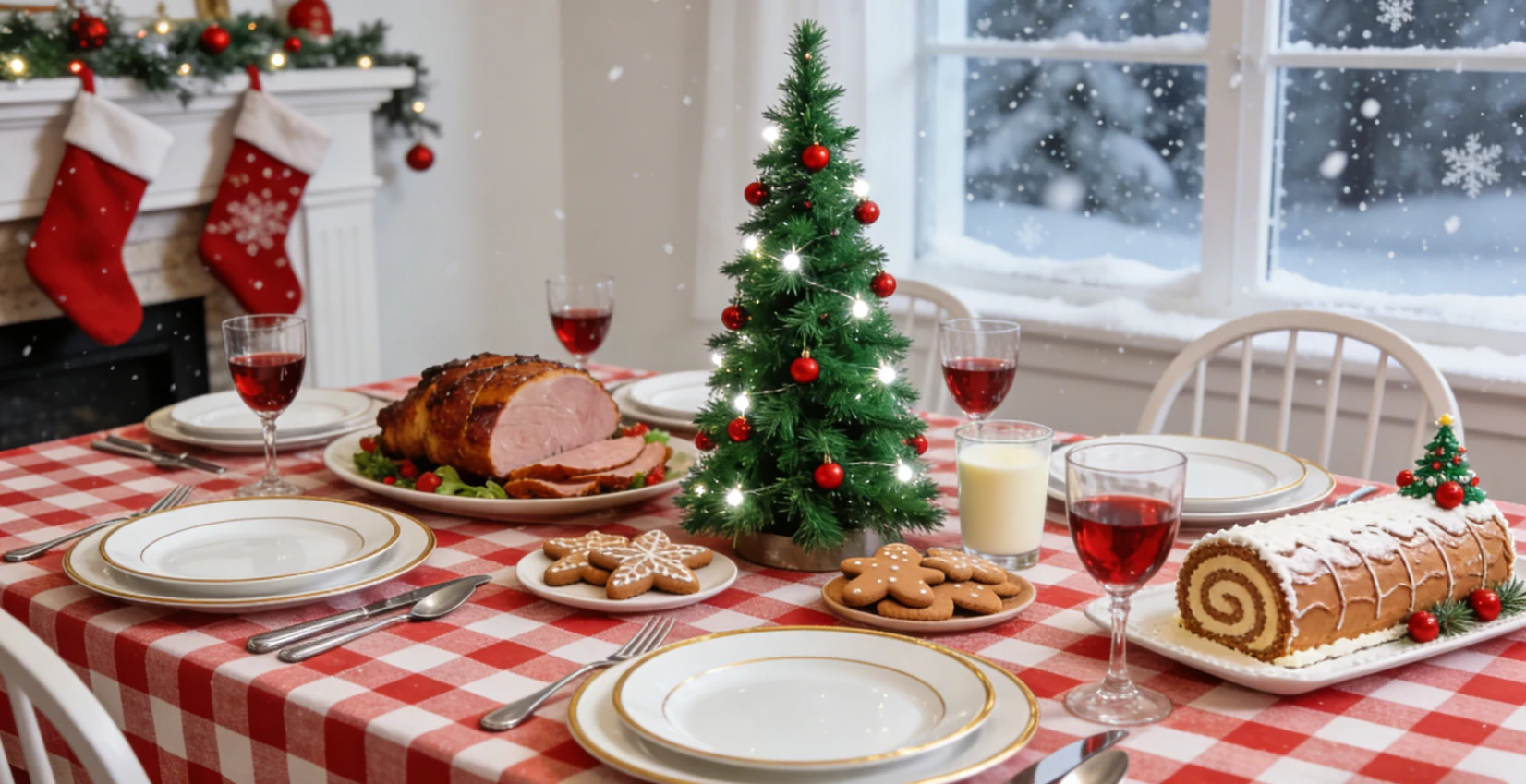
Picture this: You’ve spent days preparing the perfect holiday feast. The table is impeccably set, the turkey glistens under the soft glow of pendant lights, and the scent of cinnamon and pine fills the air. Yet, as guests arrive, you find yourself darting between the kitchen and the living room, barely pausing to exchange more than a hurried greeting. Sound familiar? Many hosts fall into the trap of believing that flawless execution equals successful hosting. But research in social psychology suggests otherwise. A study published in the Journal of Experimental Social Psychology found that people feel closer to others when they engage in shared tasks—even small ones—compared to simply being passive recipients of generosity.
The pressure to create a “Pinterest-perfect?holiday, amplified by social media, often leaves hosts exhausted and guests feeling like spectators. In an interview with The Atlantic, sociologist Dr. Jessica Green noted, “The performance of hosting can unintentionally create emotional distance. Guests may feel like they’re intruding on a carefully staged production.?So how do we bridge this gap? The answer lies in redefining what it means to be a good host—and a good guest.
Small Gestures, Big Impact
Making guests feel valued starts long before they walk through the door. Consider sending a personalized note or message ahead of the gathering. Mention how much you’re looking forward to catching up or how their famous dessert was the talk of last year’s party. This simple act signals that you see them as individuals, not just part of a crowd.
Upon arrival, instead of ushering them straight to the couch, involve them in a low-stakes activity. For example, ask for their opinion on the music playlist or enlist their help garnishing a dish. These tasks may seem trivial, but they serve as subtle invitations to participate. As lifestyle blogger and host of the “Gather with Purpose?podcast, Lena Kim, shared, “Guests often want to feel useful but don’t want to overstep. Giving them a specific, manageable role breaks the ice and makes them feel like part of the team.?/p>
Another often-overlooked detail is acknowledging their contributions—both tangible and intangible. Did they bring a side dish? Take a moment to highlight it during the meal. Did they travel hours to be there? Mention it in your toast. These acknowledgments reinforce that their presence and efforts are noticed and appreciated.
The Power of Collaborative Traditions
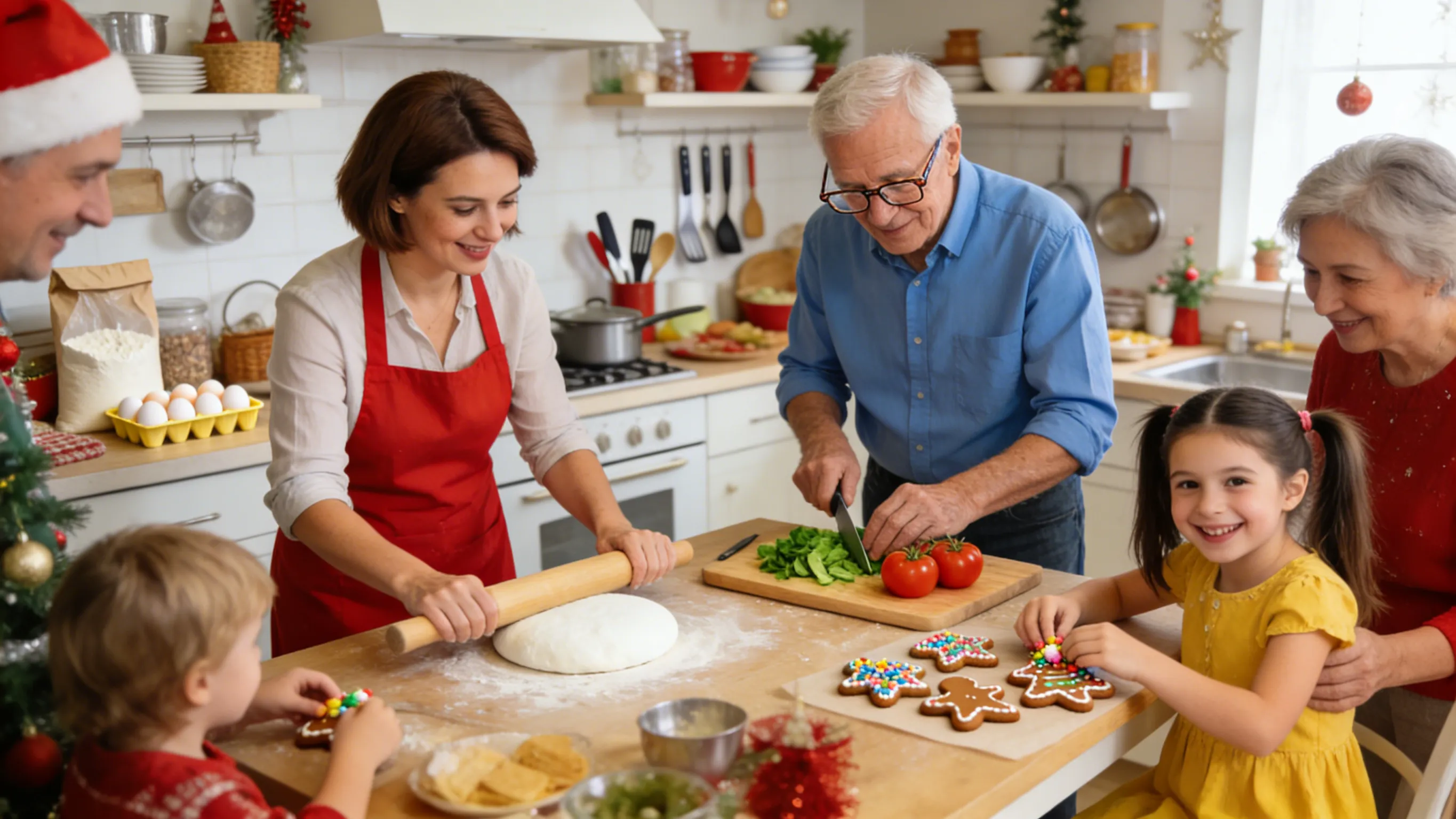
While some hosts worry that delegating tasks might come across as impersonal, the opposite is often true. Inviting guests to participate in rituals—whether it’s assembling a gingerbread house, mixing cocktails, or sharing stories during a gratitude circle—fosters a sense of belonging. Anthropologist Kelsey Miller, in her research on holiday rituals, observed that collaborative activities strengthen social bonds by creating shared memories. “It’s not about the activity itself,?she explained, “but the collective engagement that makes people feel connected.?/p>
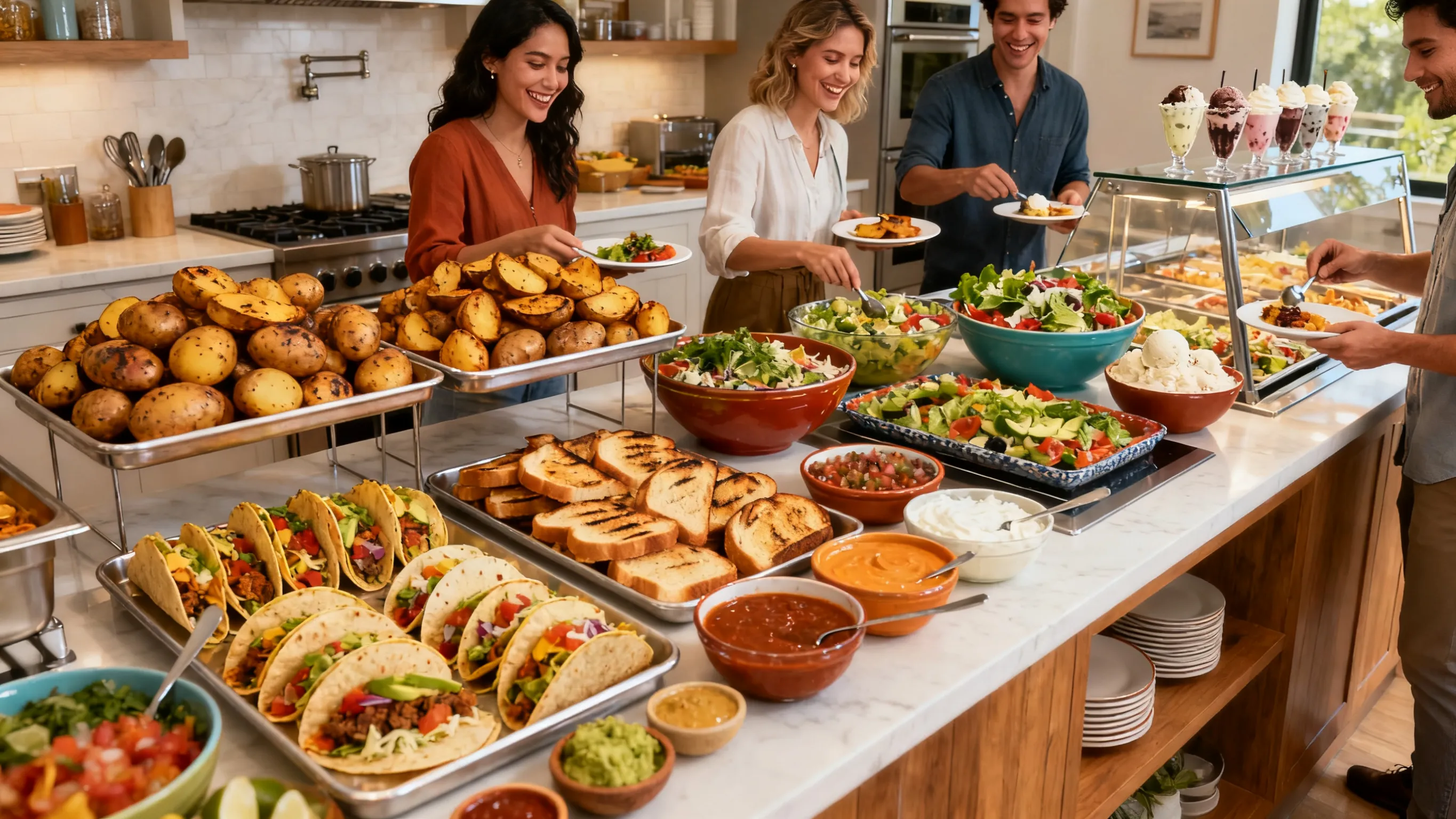
Take, for instance, the Swedish tradition of “luffarsnus,?where guests are encouraged to contribute a small item to a communal snack board. Or the Filipino “salo-salo,?a feast where everyone brings a dish, symbolizing unity and shared responsibility. Integrating elements of these traditions into your own celebrations can make guests feel like co-creators of the experience rather than mere attendees.
Of course, not every guest will want to chop vegetables or rearrange furniture. The key is to offer choices. Create a “helping menu?with options like “stir the gravy,?“set the table,?or “entertain the kids.?This approach respects individual preferences while still encouraging participation.
When Help Isn’t Helpful: Navigating Awkward Moments
Even with the best intentions, missteps can happen. Perhaps a guest insists on using an unconventional method to carve the turkey, or another rearranges your carefully planned seating chart. In these moments, flexibility is crucial. As Meier pointed out, “Hospitality is as much about gracious receiving as it is about giving.?/p>
If a guest’s “help?creates more work, gently steer them toward another task. For example, you might say, “Thank you so much for offering to tidy up! Would you mind instead taking charge of the wine pours? You’ve always had a knack for pairing.?This redirects their enthusiasm without diminishing their willingness to contribute.
It’s also worth remembering that some guests show care in quieter ways—through conversation, laughter, or simply being present. Not every contribution needs to be tangible. As poet and essayist Maggie Smith once wrote, “The gift of attention is a rare and beautiful thing.?/p>
The Ripple Effects of Inclusive Hosting
When guests feel genuinely valued, the benefits extend far beyond a single holiday gathering. They’re more likely to reciprocate, strengthening relationships and creating a cycle of generosity. Moreover, inclusive hosting can alleviate the mental load on hosts, transforming a stressful solo endeavor into a shared joy.
In a survey conducted by the hospitality platform Gatherly, 82% of respondents said they felt more connected to hosts who involved them in preparations, and 76% reported higher satisfaction with gatherings where they had a role to play. These findings align with the broader concept of “psychological ownership,?where people feel more invested in experiences they help shape.
So this holiday season, consider letting go of the need for perfection. Embrace the messiness of collaboration, the laughter that comes with spilled wine, and the stories shared over a slightly lopsided pie. After all, the most memorable holidays aren’t the ones where everything went according to plan—they’re the ones where everyone felt they belonged.
A Final Thought
Hosting will always require effort, but it doesn’t have to be a solitary one. By inviting guests to share in the preparation, celebration, and even the cleanup, we honor them as active participants in our lives. As the author Priya Parker writes in The Art of Gathering, “Gatherings crackle and flourish when real thought goes into them, when (often invisible) structure is baked into them, and when a host has the curiosity, willingness, and generosity of spirit to try.?Perhaps the greatest gift we can give—and receive—this holiday season is the simple, profound act of making room for one another.