Creative
How to Maintain Your Kitchen Sink for Optimal Cleanliness

The kitchen sink. It’s the workhorse of the domestic sphere, a silent witness to our daily rituals of nourishment and cleanup. We pour coffee grounds down its drain, rinse vibrant pigments from beet-stained hands, and watch as greasy dinner plates surrender their residue to the swirling water. Yet, for all its constant service, how often do we truly see it? Not just as a utilitarian basin, but as a critical component of our home’s hygiene and, arguably, our peace of mind. Maintaining it isn’t merely about preventing clogs or banishing spots; it’s a practice in cultivating a space of clarity and care. This guide moves beyond the quick wipe-down, delving into the professional, nuanced art of keeping your kitchen sink—whether stainless steel, porcelain, or composite—in a state of optimal cleanliness.
The Unseen Ecosystem: More Than Just a Hole in the Counter
Before we scrub, we must understand. Your sink and its plumbing are a miniature ecosystem. According to a 2023 study published in the journal Applied and Environmental Microbiology, kitchen sinks often harbor a more diverse microbial community than toilet flush handles. This isn’t necessarily a call to panic—many microbes are benign—but it underscores the sink’s role as a nexus of organic matter. Food particles, fats, oils, and greases (FOG) create a biofilm, a slimy matrix on pipe walls that traps debris and fosters bacterial growth. Dr. Elaine Larson, an epidemiologist and infection control expert, has noted in public health advisories that “consistent, mechanical removal of this biofilm is more effective than sporadic chemical assaults.?In other words, daily attention trumps weekly deep cleans that rely solely on harsh chemicals.
This understanding shifts our perspective. Optimal cleanliness isn’t a sterile, lifeless state, but a managed, resilient environment where water flows freely, surfaces are inert and non-porous, and nutrients for microbial growth are swiftly eliminated. It’s about flow, both of water and of habit.
The Daily Ritual: Defense is the Best Offense
The most powerful maintenance happens in the minute after use. This is where the battle for a pristine sink is won or lost.
1. The Immediate Rinse: After preparing food or washing dishes, give the entire basin a thorough rinse with hot water. This simple act flushes away loose particles and dilutes acids or sugars from citrus fruits, tomatoes, or sodas that can etch certain surfaces. I recall visiting a chef friend whose decade-old stainless steel sink looked factory-new. His secret? “I treat it like my best knife,?he said, rinsing and wiping it dry after every single use. “It’s about respect for the tool.?/p>
2. The Dry Wipe: Perhaps the most underrated step. Using a soft, clean cloth or a microfiber towel, wipe the sink dry. This prevents hard water spots on stainless steel and porcelain, denies minerals the chance to deposit and build up, and leaves the surface gleaming. It takes less than thirty seconds but imparts a finished, cared-for look that psychologically elevates the entire kitchen.
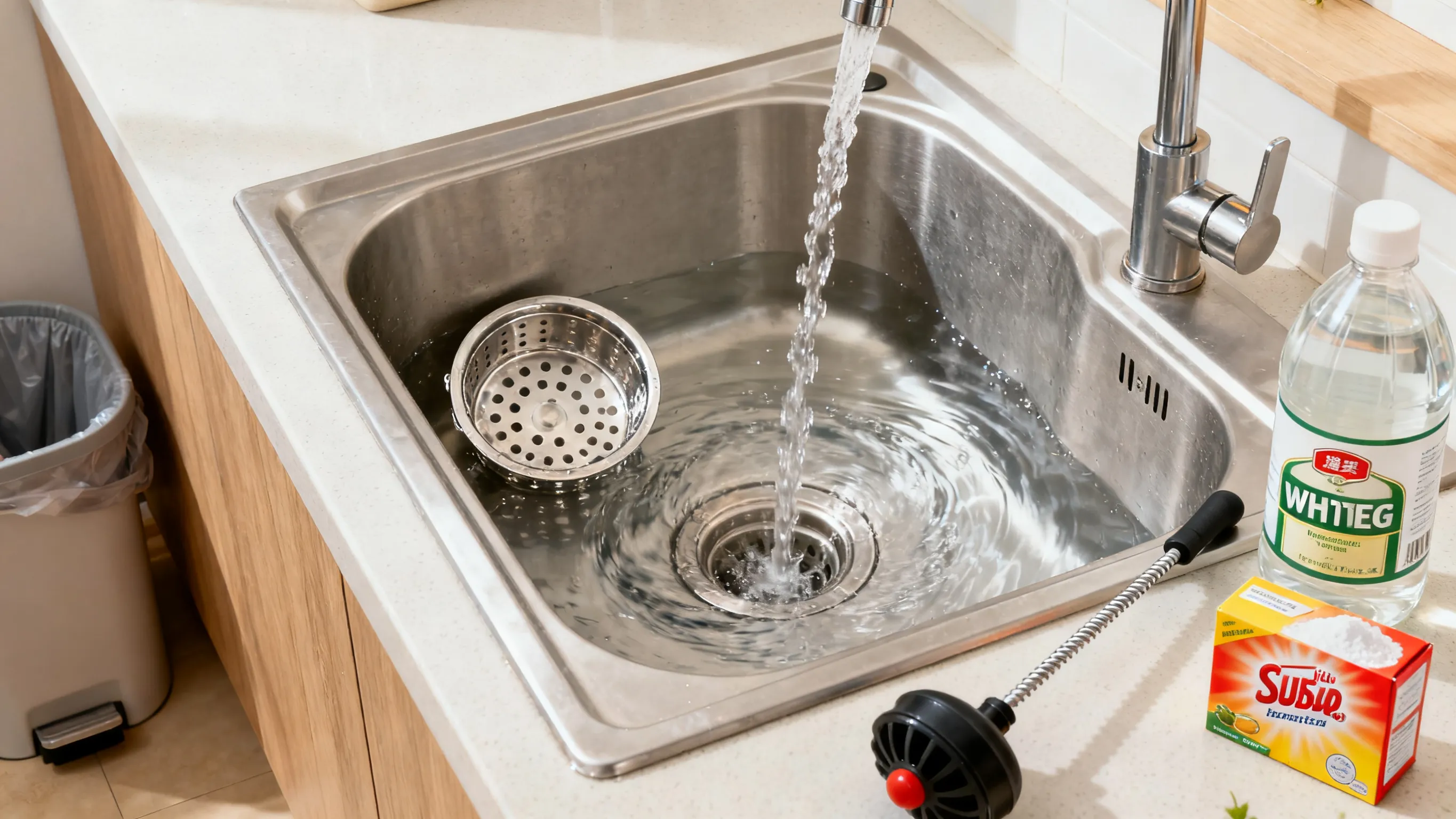
3. The Drain Guard’s Role: That little strainer is your first line of defense. Empty it after each use. Composting food scraps? The guard is your ally, catching what shouldn’t go down the drain. As one veteran plumber from Boston, Mike O’Leary, told me, “I’d be out of a job if everyone used their strainer properly. Ninety percent of my kitchen calls start with ‘I didn’t think that little bit of rice would hurt.’?/p>
The Weekly Deep Clean: Tailored Approaches
Once a week, dedicate ten minutes to a more thorough cleanse. The method depends on your sink’s material.
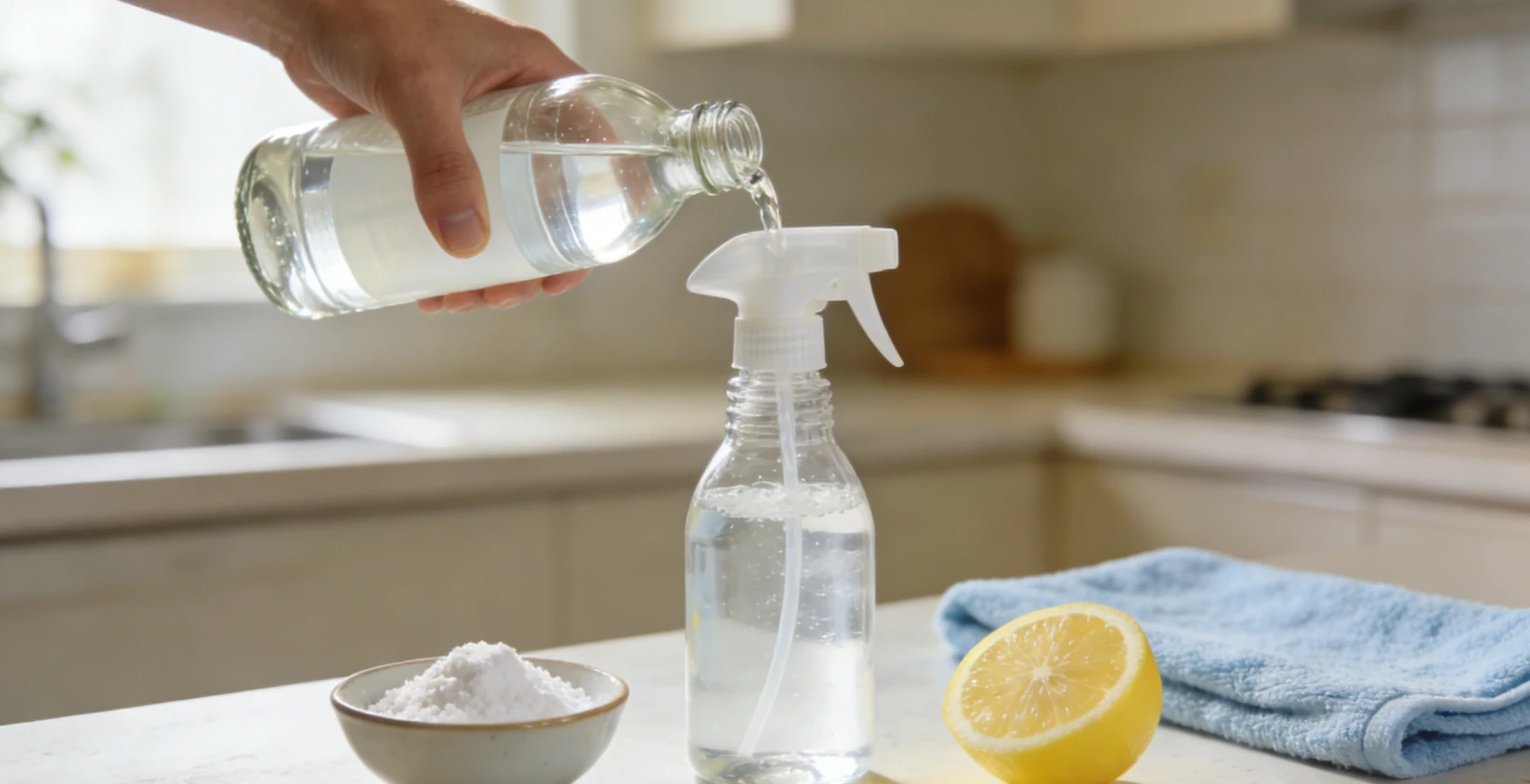
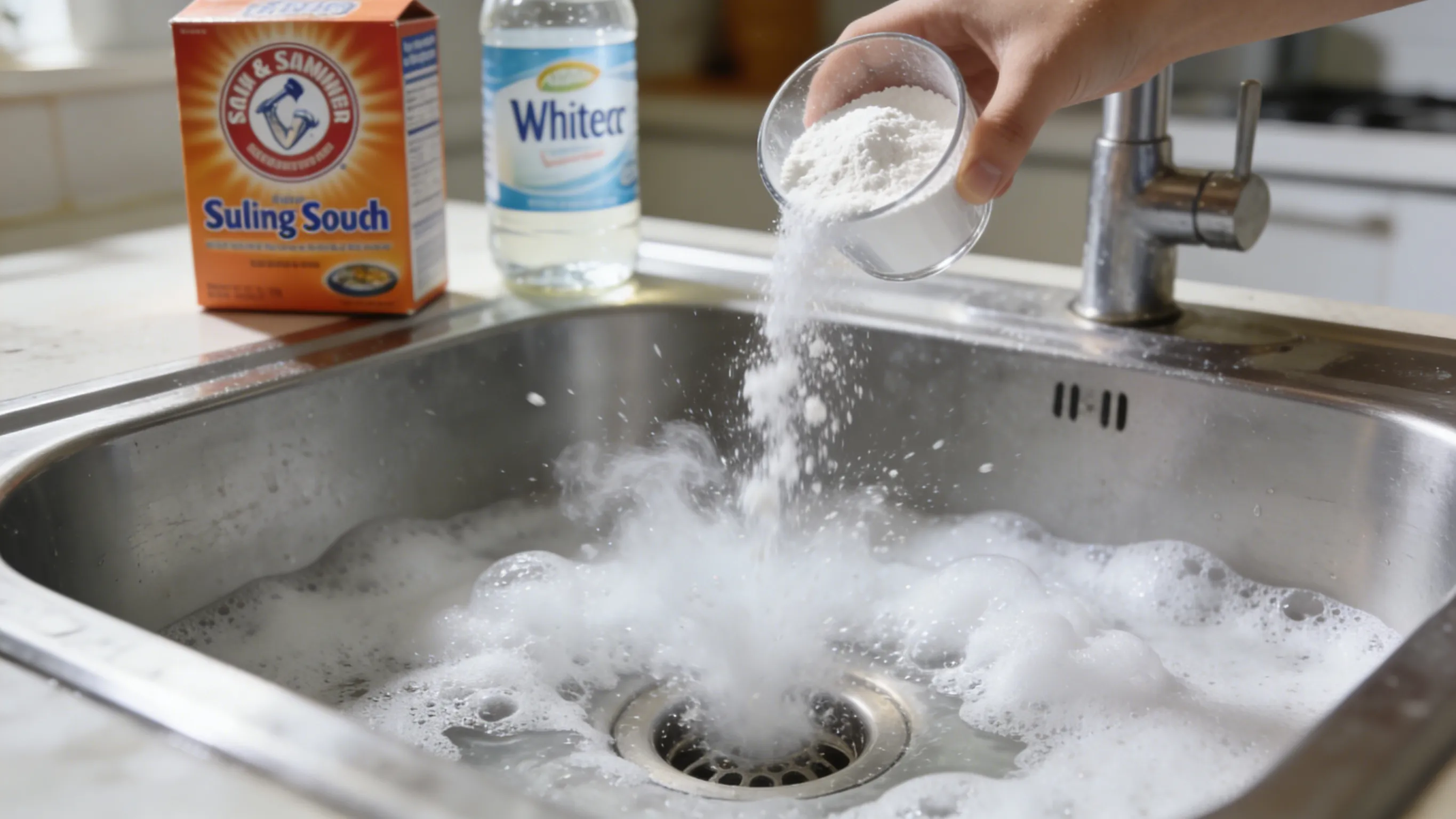
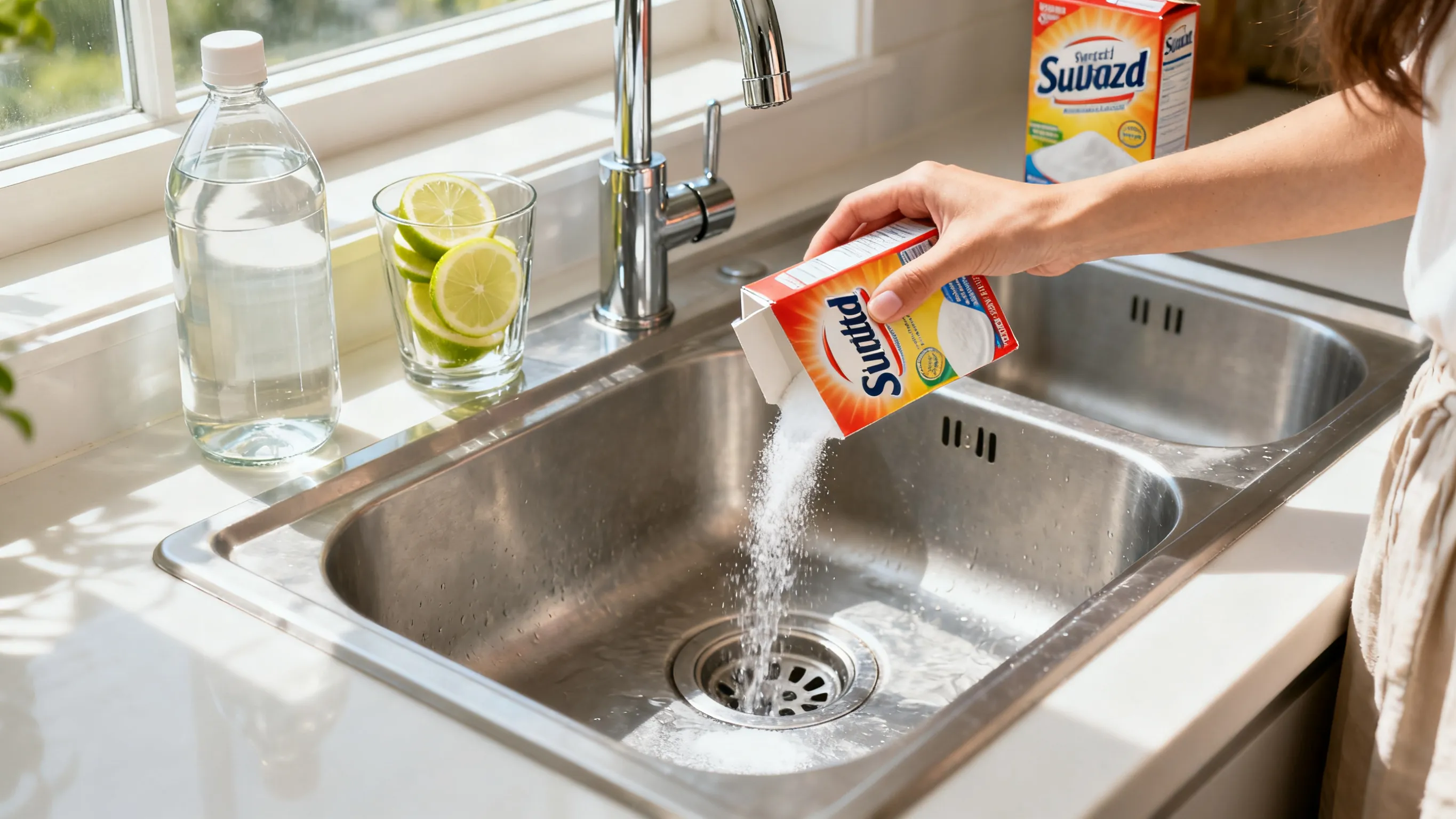
For Stainless Steel: Avoid abrasive scouring pads that create microscopic scratches, which become traps for grime and bacteria. Instead, create a paste with baking soda and a few drops of dish soap. Gently scrub the entire surface, including the faucet and handles, following the direction of the grain (those faint brush lines). Rinse with hot water. For disinfecting and achieving a brilliant shine, some experts recommend a final wipe with a 50/50 solution of white vinegar and water, though others caution that frequent use of acids can dull the finish over time—a classic example of how maintenance advice can contain nuanced debates. A 2022 review in Home Appliance Science suggested that for most households, the baking soda scrub followed by a hydrogen peroxide spray (left for 1-2 minutes before rinsing) effectively manages microbes without corrosion risks.
For Porcelain/Enameled Cast Iron: These surfaces are hard but can chip and stain. Harsh abrasives are forbidden. Instead, use a soft brush or cloth with a non-abrasive cleaner. A paste of baking soda and water works wonders on stains. For rust rings from cans or pots, a dab of cream of tartar mixed with hydrogen peroxide, applied as a paste, can be gently rubbed on the spot. The key is patience; let the paste sit for a few minutes to do its work.
For Composite/Quartz: Known for durability and stain resistance, these sinks still benefit from care. Use a soft cloth and mild dish soap or a manufacturer-recommended cleaner. Avoid bleach-based cleaners, as some composites can discolor. A magic eraser (melamine foam) can tackle tough stains without scratching, but test in an inconspicuous area first.
The Drain and Disposal: This is critical. Pour a pot of boiling water down the drain weekly to melt accumulated fats. For garbage disposals, grind a handful of ice cubes with a few lemon or orange peels to sharpen the blades and deodorize. Never use drain cleaners as a preventative measure; they are corrosive and can damage pipes and disposal mechanisms. The Environmental Protection Agency’s (EPA) Safer Choice program explicitly warns against the routine use of chemical drain openers for maintenance, citing both pipe damage and environmental toxicity.
The Monthly Check-Up: Beyond the Surface
Once a month, go deeper.
1. Clean the Aerator: Unscrew the faucet aerator (the mesh screen at the tip). Soak it in vinegar to dissolve mineral deposits, then rinse and reattach. You’ll be amazed at the improved water pressure and flow.
2. Inspect and Clean the Overflow Drain: That small hole near the rim of your sink prevents flooding but collects gunk. Use an old toothbrush or a pipe cleaner dipped in soapy water to clean it out.
3. De-grease the P-Trap: For the adventurous, placing a bucket under the P-trap (the U-shaped pipe under the sink) and loosening the slip nuts allows you to clean out any accumulated sludge. It’s a messy but profoundly satisfying task that ensures long-term drainage health.
Confronting Common Challenges
- Hard Water Stains: These white, chalky deposits are a battle of chemistry. For light stains, vinegar is effective. For heavier buildup, commercial lime scale removers work, but ensure they are safe for your sink material. Prevention through regular drying is simpler.
- Odors: Persistent smells often originate in the drain or disposal. The boiling water and citrus peel method is a good start. If odors linger, it may be biofilm in the pipes. A biological drain cleaner, which uses enzymes to digest organic matter, can be a gentler, more effective solution than caustic chemicals.
- Scratches and Chips: For minor scratches in stainless steel, a very fine-grit sandpaper (600+ grit) rubbed gently with the grain can sometimes lessen their appearance. For chipped porcelain, epoxy-based touch-up kits are available, though they are cosmetic fixes.
The Philosophy of the Clean Sink
Ultimately, maintaining your kitchen sink is a small, repetitive act of domestic sovereignty. It’s a refusal to let chaos—in the form of grime, clutter, and obstruction—gain a foothold. There’s a reason many people find solace in washing the dishes or wiping down counters at the end of a long day; it’s a tangible, completable task that offers immediate visual and tactile feedback. A clean, well-maintained sink is a blank canvas. It invites culinary creativity rather than dreading the cleanup. It speaks of a home that is tended to, not just inhabited.
As the writer and homemaker Marguerite G. once observed, “The state of the kitchen sink at bedtime is a reliable barometer for the mind.?A clear, dry, sparkling sink is a quiet promise to tomorrow’s self. It’s a foundation of order from which the beautiful, messy business of life can confidently flow again. In attending to this humble basin with knowledge and consistency, we don’t just fight germs and stains; we cultivate a small, daily practice of care that radiates outward, making the heart of the home truly beat with cleanliness and calm.