Creative
How to Keep Your Garbage Disposal Clean and Odor-Free
Author: Lauren Hayes

It’s a familiar scene: you walk into your kitchen, ready to start the day, only to be met with a faint but unmistakable odor wafting from the sink. The culprit? Your garbage disposal. Often overlooked until it becomes a problem, this kitchen workhorse quietly grinds away food scraps, making cleanup easier—until it doesn’t. A neglected disposal can develop stubborn odors, slow drainage, or even mechanical issues. But maintaining it doesn’t have to be a chore. With a few simple habits and the right techniques, you can keep your disposal clean, fresh, and fully functional.
The Science Behind the Stench
Before diving into solutions, it helps to understand why disposals develop odors in the first place. Food particles, particularly those high in protein or fat, can cling to the shredder ring and other components. Over time, bacteria break down these remnants, releasing sulfurous gases that mimic the smell of rotten eggs. As Dr. Elaine Schmidt, a microbiologist, notes, “The environment inside a disposal is damp, dark, and nutrient-rich—ideal for bacterial growth.?This isn’t just about aesthetics; a dirty disposal can harbor mold or even attract pests.
Interestingly, not all food waste is created equal. Starchy foods like pasta or potato peels can create a glue-like residue, while fibrous vegetables such as celery or onion skins may wrap around the blades, impeding function. Even coffee grounds, though often touted as a natural deodorizer, can accumulate and contribute to clogs. So, what’s the best way to tackle these issues without resorting to harsh chemicals?
Daily Habits for Long-Term Freshness
The key to an odor-free disposal lies in consistency. Small, mindful practices can prevent bigger problems down the line. For starters, always run cold water when using the disposal. Cold water solidifies grease, allowing it to be chopped up and flushed away, whereas hot water can melt fats, causing them to cling to pipes. Let the water run for at least 30 seconds after turning off the disposal to ensure all particles are thoroughly washed down.
Another simple trick? Grinding citrus peels. Lemon, lime, or orange rinds not only leave a fresh scent but also contain natural acids that help break down grime. Toss in a handful of ice cubes once a week—this helps scour the blades and walls without damaging them. Some homeowners swear by a mix of ice and rock salt for a deeper clean, though others caution against abrasive materials. As one plumbing expert, James Rivera, puts it, “The goal is to clean, not to corrode.?/p>
Avoid overloading the disposal. It’s designed for small scraps, not large quantities of waste. And never pour grease or oil down the drain; instead, collect it in a jar for disposal in the trash. These small adjustments, when practiced regularly, can significantly extend the life of your unit.
Deep Cleaning: When Maintenance Isn’t Enough
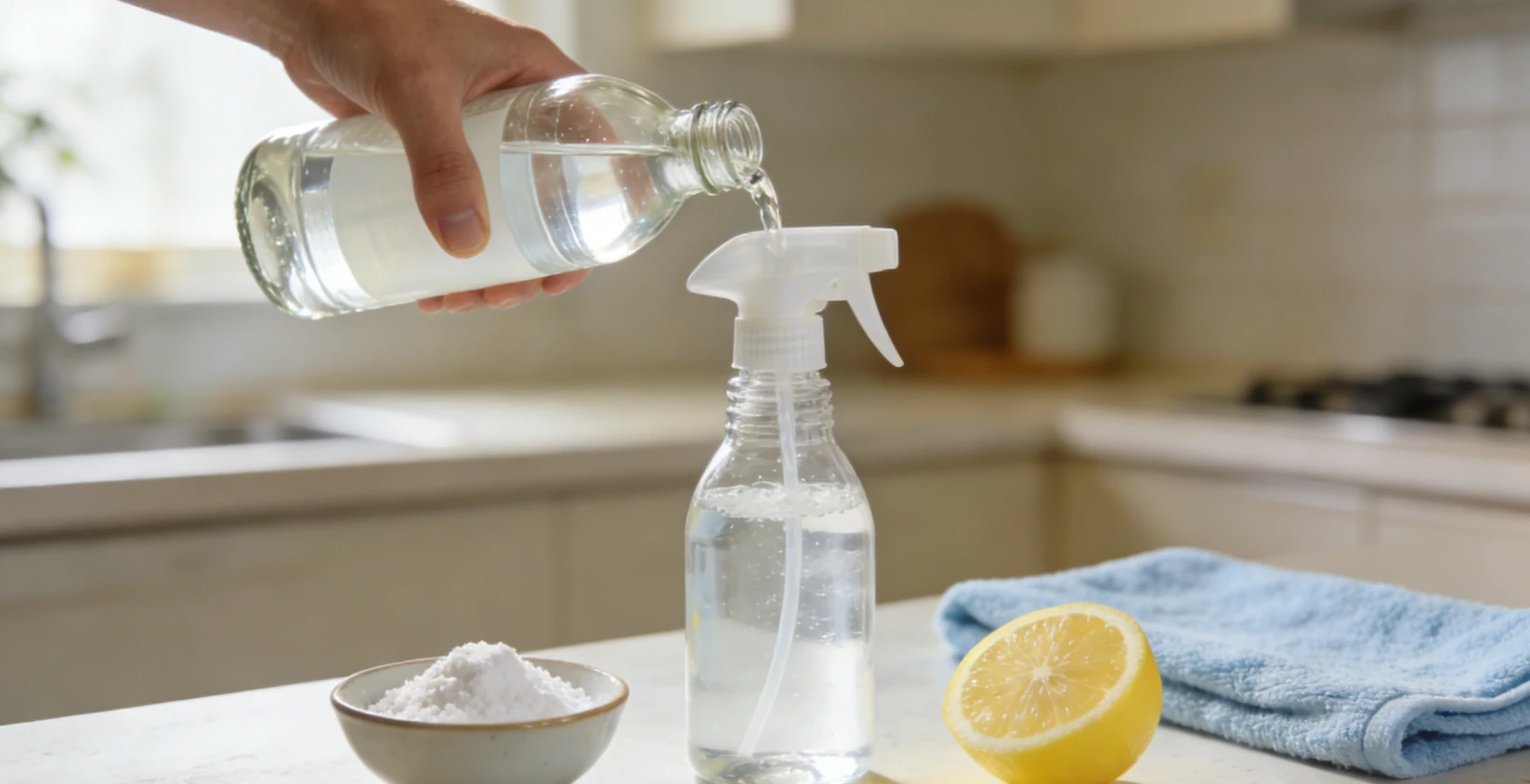
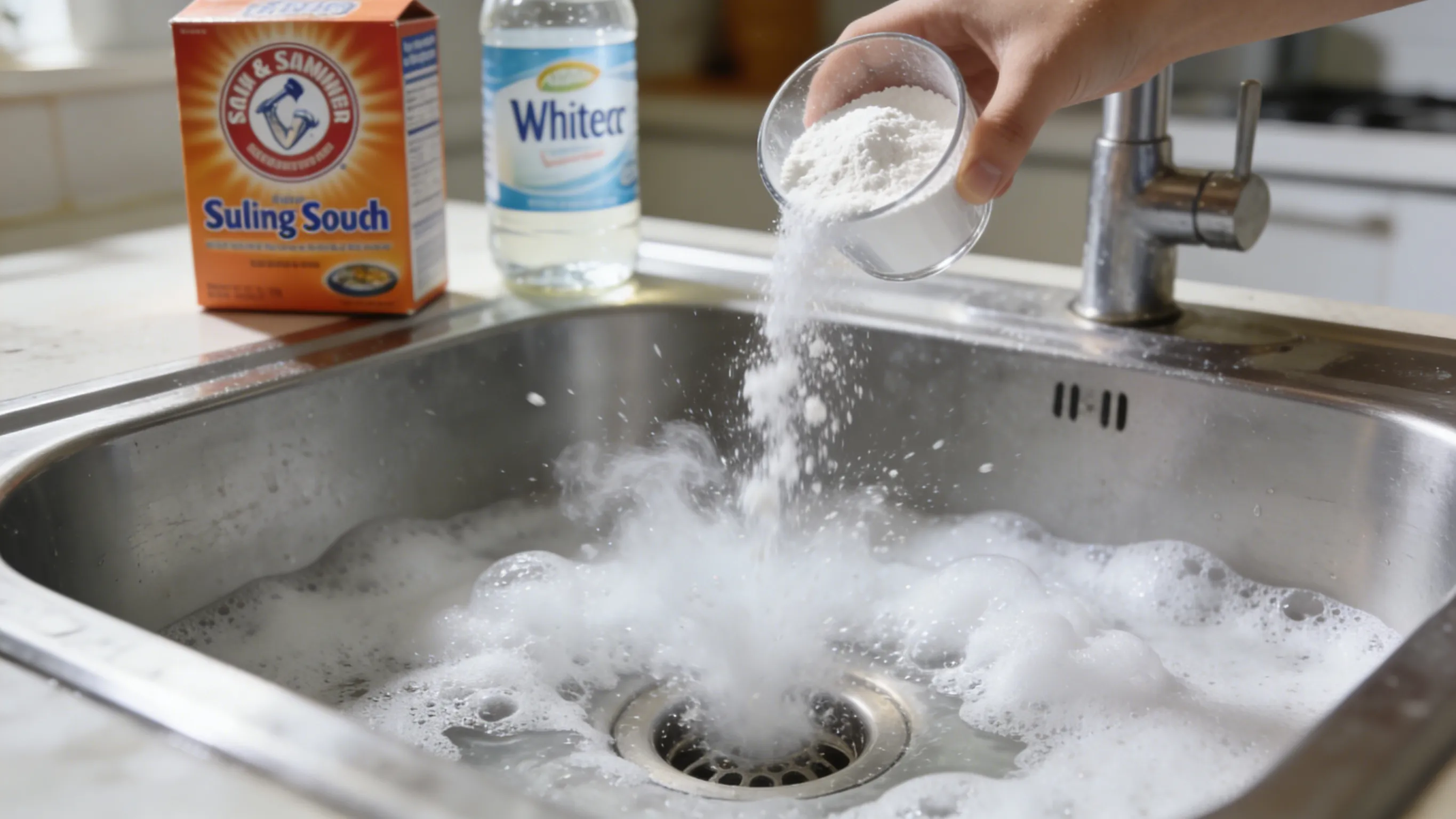
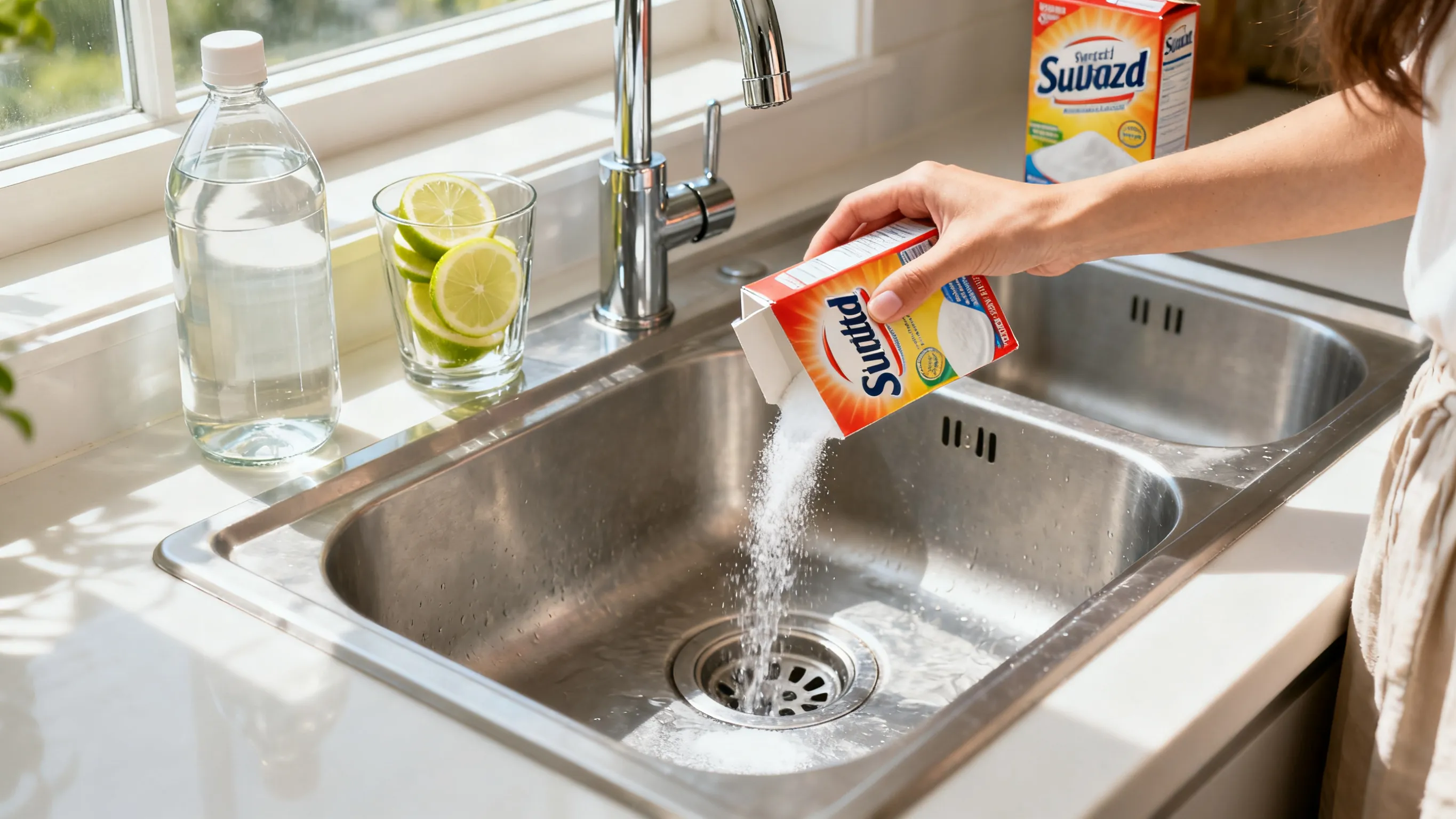
Even with the best habits, occasional deep cleaning may be necessary. If you notice persistent odors or sluggish performance, it might be time for a more thorough approach. A popular method involves using baking soda and vinegar—a combination praised for its non-toxic, effervescent action. Start by sprinkling half a cup of baking soda into the disposal, followed by one cup of white vinegar. The fizzing reaction helps dislodge debris and neutralize odors. Let it sit for 10?5 minutes, then flush with hot water.
For tougher grime, some turn to enzymatic cleaners, which use bacteria to break down organic matter. These products, available at most hardware stores, are designed to be safe for pipes and the environment. However, their effectiveness can vary. A 2022 study in the Journal of Environmental Health found that enzymatic treatments reduced bacterial counts by up to 80% in laboratory settings, though real-world results may differ.
If you’re dealing with a particularly stubborn smell, consider manually cleaning the rubber splash guard—the flap that prevents food from flying back up. Over time, grime builds up here, contributing to odors. Gently pull it back and scrub with a brush and soapy water. Just remember to unplug the disposal first for safety.
What Not to Do: Common Missteps
It’s easy to fall for quick fixes, but some methods can do more harm than good. Harsh chemical drain cleaners, for instance, may seem effective, but they can corrode metal components and damage pipes. As plumbing technician Maria Gonzalez warns, “These chemicals might clear a clog temporarily, but they often lead to costlier repairs later.?/p>
Similarly, avoid putting non-food items or hard materials like bones, fruit pits, or eggshells into the disposal. While some sources claim eggshells sharpen blades, most experts disagree, noting that the membrane can wrap around the impellers. And despite what you might read online, pouring bleach down the disposal is ill-advised—it can harm the unit’s mechanical parts and isn’t effective against grease.
The Bigger Picture: Sustainability and Disposal Care
Keeping your disposal clean isn’t just about avoiding nasty smells; it’s also an opportunity to adopt more sustainable habits. Composting appropriate scraps, for example, reduces the load on your disposal and landfill waste. Vegetable peels, coffee grounds, and eggshells can enrich your garden soil instead of lingering in your pipes.
Moreover, a well-maintained disposal contributes to overall kitchen hygiene. Research from the National Sanitation Foundation highlights that kitchens with clean sinks and disposals have lower levels of cross-contamination. So, by taking care of this humble appliance, you’re also investing in your household’s health.
A Fresh Start
In the end, maintaining a clean, odor-free garbage disposal boils down to mindfulness and routine. By integrating small practices into your daily life—running cold water, using citrus peels, and avoiding harmful foods—you can prevent most issues before they start. And when deeper cleaning is needed, gentle, natural solutions often work best.
Perhaps the real secret lies in shifting our perspective: the garbage disposal isn’t a magical black hole for waste, but a tool that thrives on care. So the next time you finish washing dishes, take a moment to show it some love. Your nose—and your kitchen—will thank you.