Creative
How to Flush Your Drains for Long-Term Cleanliness
Author: Lauren Hayes

There’s a quiet satisfaction in a smoothly running household—the kind where sinks drain without hesitation, showers leave no standing water, and the faint, unpleasant odors of stagnation never materialize. Yet, for many, drains remain an afterthought, noticed only when trouble arises. Clogs, slow drainage, and mysterious smells often serve as unwelcome reminders of neglect. But what if the key to long-term cleanliness lies not in reactive fixes but in proactive habits?
The Unseen World Beneath Your Sink
Drains are the unsung heroes of domestic hygiene, whisking away water, soap residue, food particles, and other debris with quiet efficiency. Yet, over time, these conduits accumulate grime. Soap scum, grease, hair, and mineral deposits cling to pipe walls, narrowing the passage and creating a breeding ground for bacteria. The result? Slow drainage, blockages, and odors that can permeate your living space.
While chemical drain cleaners promise quick fixes, they often come with hidden costs. Harsh chemicals can corrode pipes, harm the environment, and pose health risks. As plumbing expert James Carter notes, “Repeated use of chemical cleaners can weaken older pipes, leading to leaks and costly repairs down the line.?Instead, a gentler, more sustainable approach—regular flushing—can preserve your plumbing and maintain a cleaner home.
The Art of the Drain Flush
Flushing your drains isn’t about waiting for a problem to emerge. It’s a preventative ritual, akin to changing the oil in your car or dusting the blades of a ceiling fan. The goal is to clear minor buildup before it escalates into a major issue. Here’s how to do it right:
1. The Boiling Water Method
Simple yet effective, boiling water can dissolve grease and soap scum in kitchen and bathroom drains. Pour a kettle of boiling water down the drain once a week, allowing it to work for 10?5 minutes before running cold water. This method is particularly useful for metal pipes, though some experts caution against using it on PVC pipes, as extreme heat can soften the material over time.
2. Baking Soda and Vinegar: A Dynamic Duo
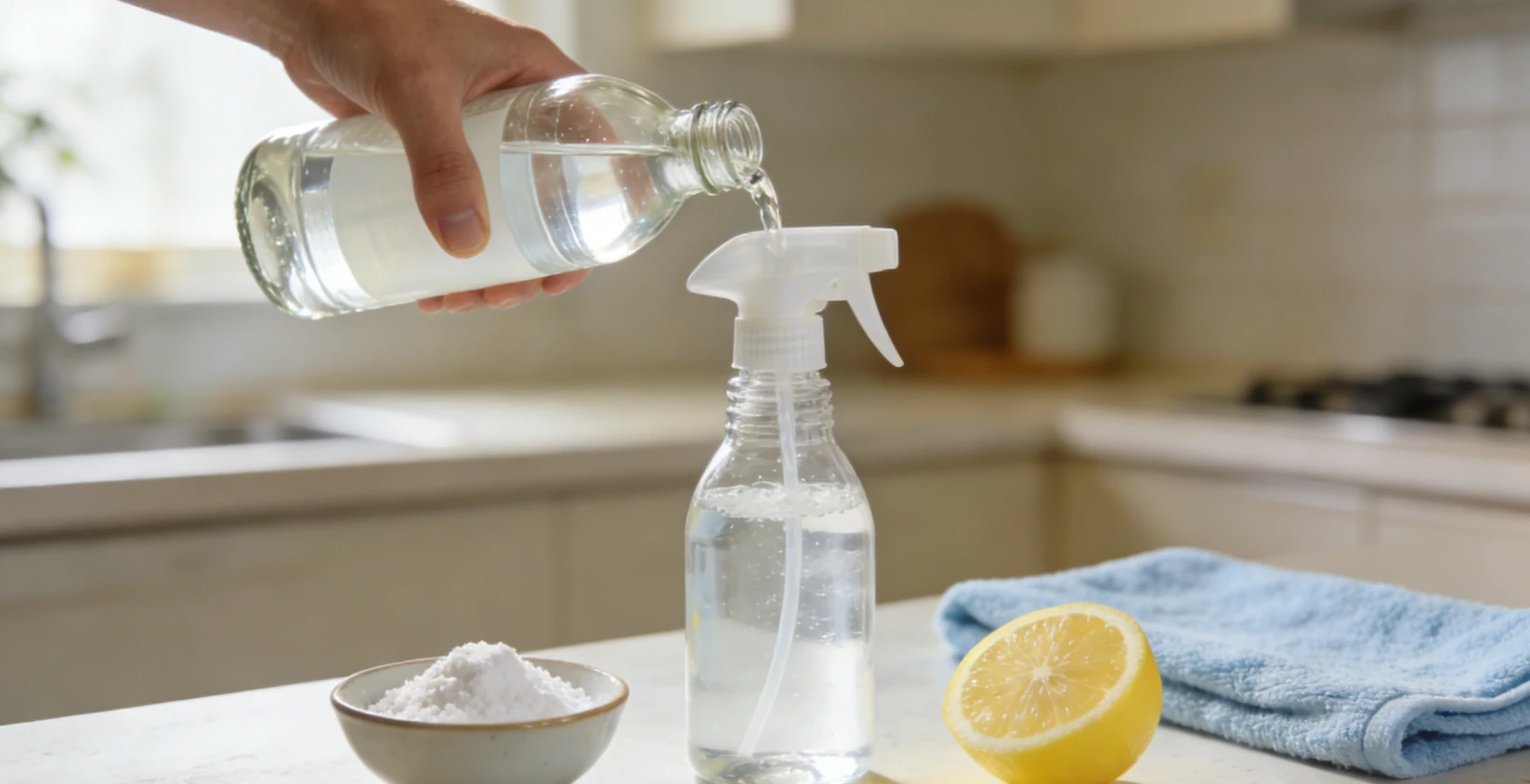
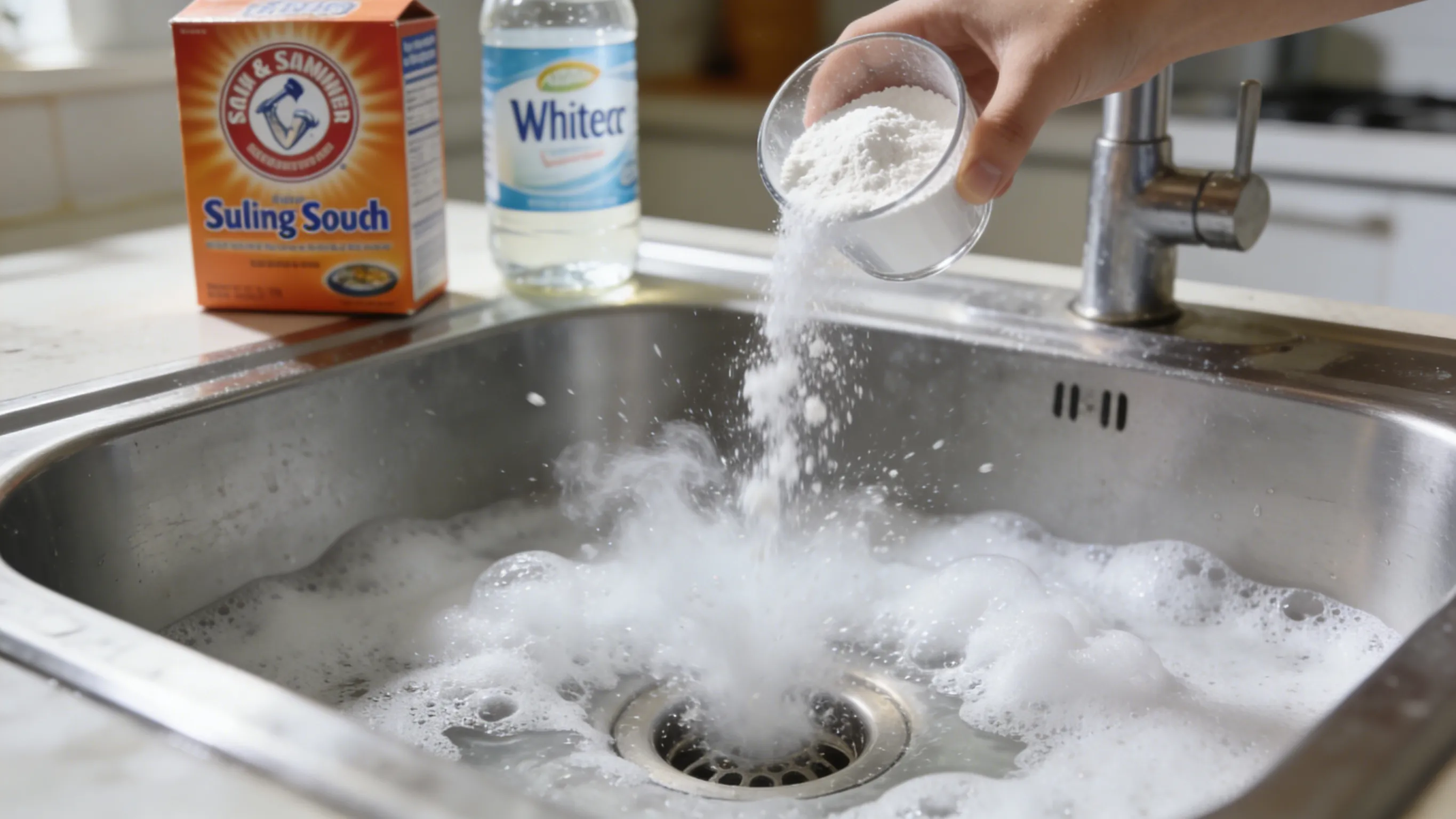
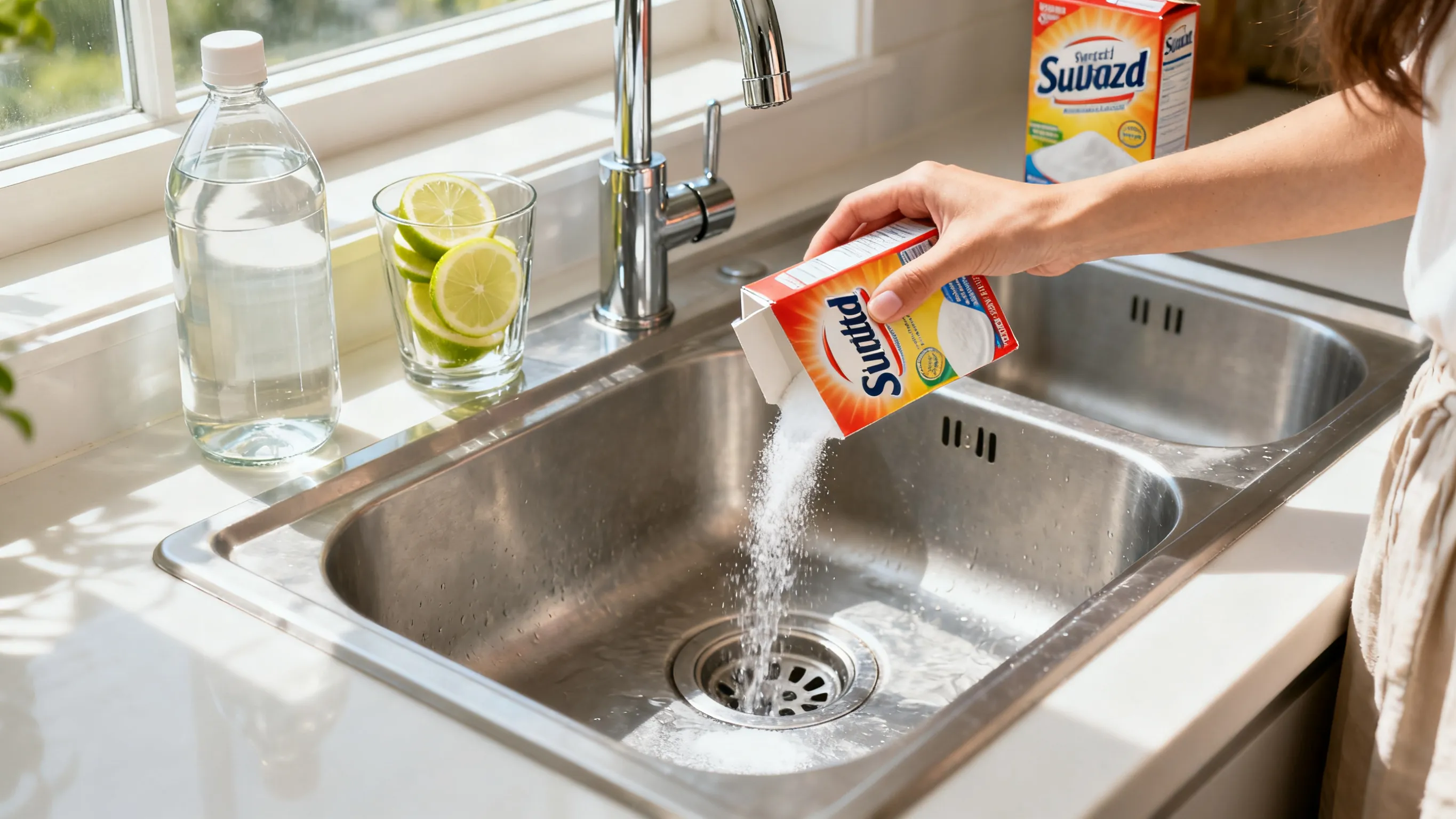
This classic combination leverages a chemical reaction to break down organic matter. Start by pouring half a cup of baking soda into the drain, followed by an equal amount of white vinegar. The fizzing action helps dislodge debris and neutralize odors. Let the mixture sit for 30 minutes, then flush with hot water. For stubborn buildup, some homeowners swear by adding a tablespoon of salt to the mix for extra abrasiveness.
3. Enzyme Cleaners: Nature’s Solution
For those seeking an eco-friendly alternative, enzyme-based drain cleaners use bacteria to digest organic waste. These products are non-toxic, safe for pipes, and ideal for maintaining long-term drain health. As one study published in the Journal of Environmental Health noted, “Enzymatic cleaners reduce biofilm formation by up to 80%, making them a viable option for households with septic systems.?/p>
4. Mechanical Maintenance
Sometimes, physical intervention is necessary. Tools like drain snakes or plungers can address minor clogs, while periodic professional inspections can identify deeper issues. My own experience underscores this: after months of ignoring a slow-draining shower, I discovered a tangled mass of hair and soap that a simple snake could have prevented.
Small Habits, Big Impact
Beyond periodic flushing, daily habits play a crucial role in drain health. Use sink strainers to catch food scraps and hair. Avoid pouring grease or oil down the kitchen sink—instead, let it solidify and dispose of it in the trash. And don’t underestimate the power of cold water: running it for a minute after using the garbage disposal can help solidify fats, allowing them to flow smoothly through pipes.
The Ripple Effect of Drain Care
Caring for your drains isn’t just about avoiding clogs. It’s about creating a healthier home environment. Stagnant water in pipes can harbor bacteria like E. coli and Salmonella, posing risks to your family’s health. Moreover, well-maintained drains reduce the likelihood of emergency plumbing calls, saving time, money, and stress.
As author and home organization consultant Marie Kondo once remarked, “The places we care for are the places that care for us in return.?Perhaps the same is true for our drains—those hidden, often-forgotten pathways that keep our homes functioning smoothly.
A Final Thought
Drain maintenance may lack the glamour of a kitchen renovation or the immediacy of a deep clean, but its impact is profound. By incorporating these simple practices into your routine, you can ensure that your drains remain clear, odor-free, and efficient for years to come. After all, a clean home begins with the details—even the ones you can’t see.