Creative
How to Clean Bathroom Drains with Common Kitchen Supplies
Author: Lauren Hayes

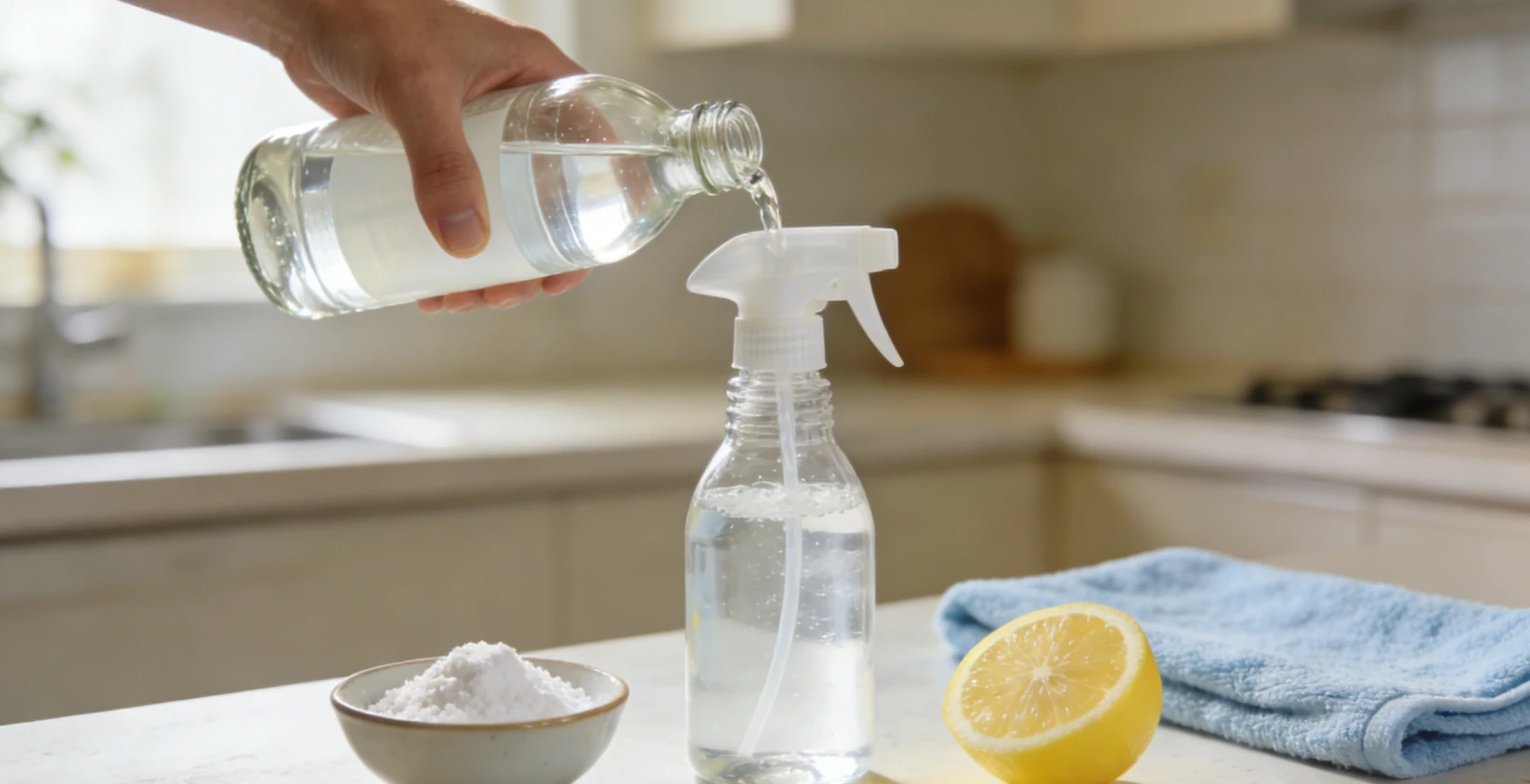
There’s a certain dread that comes with a slow-draining bathroom sink or tub. The sluggish swirl of water, the faint, musty odor creeping into the air—it’s a universal household annoyance. While chemical drain cleaners promise quick fixes, their harsh formulas can damage pipes over time and pose risks to health and the environment. But what if the solution was already in your kitchen?
The Unlikely Heroes: Baking Soda and Vinegar
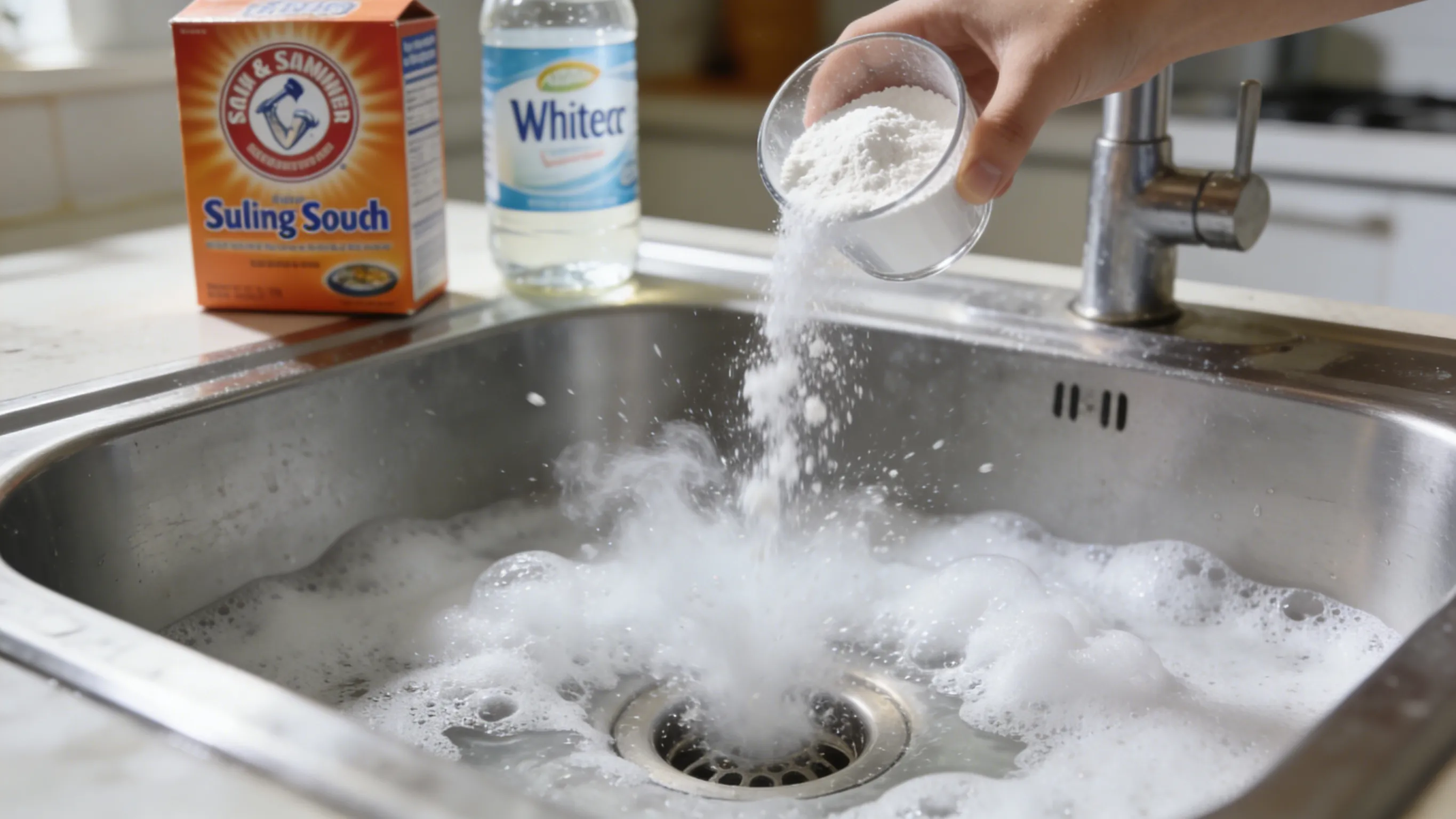
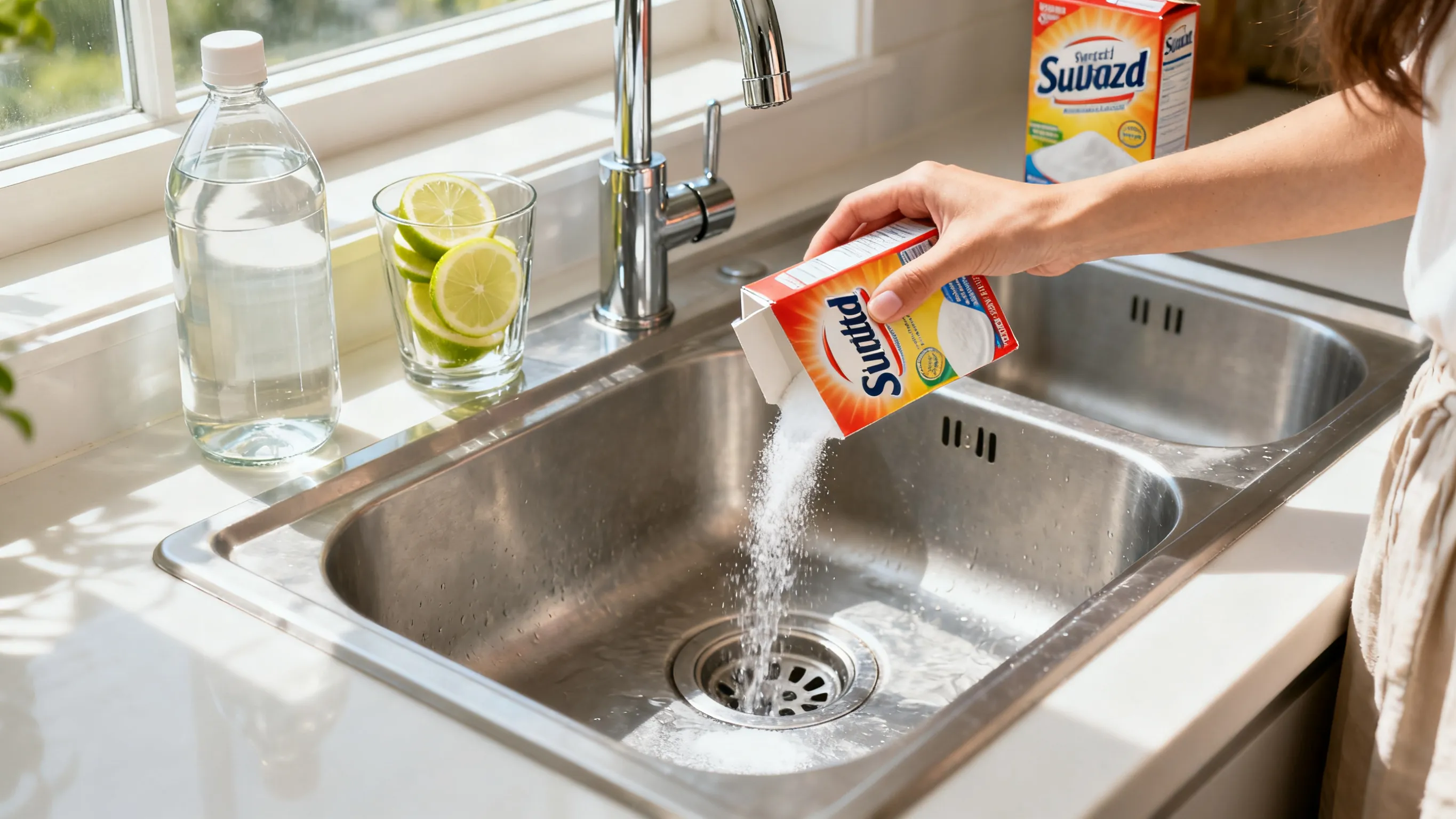
Baking soda and vinegar have long been hailed as a dynamic duo for household cleaning, and their effectiveness in clearing drains is no exception. The science behind this combination is straightforward yet fascinating. Baking soda (sodium bicarbonate) acts as a mild abrasive and deodorizer, while vinegar (acetic acid) breaks down greasy residues and organic matter. When combined, they create a fizzing reaction that helps dislodge debris clinging to pipe walls.
Start by pouring half a cup of baking soda directly into the drain. Follow it with one cup of vinegar, and immediately cover the drain with a plug or cloth to contain the fizzing action. Let the mixture work its magic for 30 minutes, then flush the drain with hot water. For stubborn clogs, some experts recommend repeating the process or using a plunger to help loosen the blockage.
Salt and Boiling Water: A Simple yet Effective Combo
Another kitchen staple, salt, can enhance your drain-cleaning efforts. Mixed with baking soda, it creates a gritty texture that scrubs away grime. Try combining half a cup of salt with half a cup of baking soda, then pour the mixture down the drain. Let it sit for several hours or overnight, and finish by flushing the drain with boiling water. The heat helps dissolve fats and soap scum, while the abrasive action of salt and baking soda clears accumulated debris.
It’s worth noting, however, that boiling water should be used with caution, particularly in older homes with PVC pipes, as extreme heat can sometimes cause damage. As one plumbing expert noted, “While boiling water is effective for minor clogs, it’s not a one-size-fits-all solution. Homeowners should assess their pipe materials before proceeding.?/p>
Lemon Juice: Nature’s Deodorizer
Beyond unclogging, drains often carry unpleasant odors caused by bacteria and decomposing organic matter. Here, lemon juice proves invaluable. Its high acidity not only cuts through grease but also leaves behind a fresh, citrus scent. After using baking soda and vinegar, squeeze the juice of one or two lemons down the drain, let it sit for 10?5 minutes, and rinse with cold water.
This method is particularly useful for kitchen drains, where food particles and oils accumulate, but it works just as well in bathrooms. As one homeowner shared, “I started using lemon juice weekly, and it’s made a noticeable difference. The bathroom smells cleaner, and the drain flows more freely.?/p>
The Power of Prevention
While these kitchen-supply solutions are effective for minor clogs, preventing blockages in the first place is even better. Simple habits, like using drain screens to catch hair and soap fragments, can significantly reduce the likelihood of clogs. Additionally, monthly maintenance with baking soda and vinegar can keep drains flowing smoothly.
Some studies suggest that chemical drain cleaners may contribute to pipe corrosion over time, making natural alternatives not only safer but also more sustainable. As one environmental researcher pointed out, “Every time we choose a natural cleaning method, we’re reducing the chemical load on our water systems.?/p>
A Word of Caution
While these kitchen-based methods are excellent for routine maintenance, they may not suffice for severe blockages caused by foreign objects or deep-rooted pipe issues. In such cases, it’s best to consult a professional. Still, for everyday upkeep, these simple, affordable solutions can save time, money, and the environment.
Conclusion: Small Changes, Big Impact
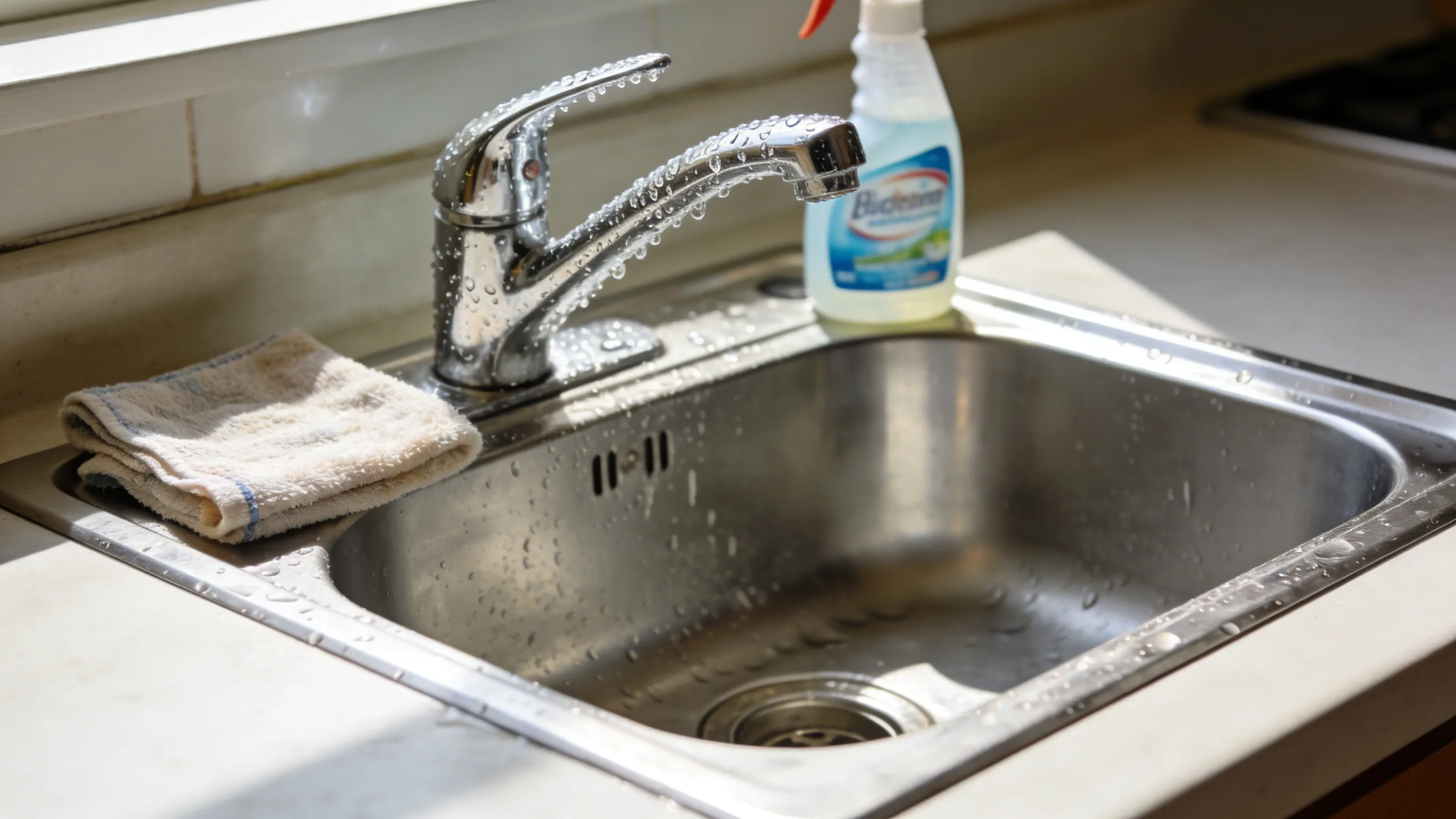
Cleaning bathroom drains with kitchen supplies is more than a handy life hack—it’s a step toward mindful, sustainable living. By repurposing everyday items like baking soda, vinegar, and lemon juice, we not only solve immediate problems but also cultivate a deeper awareness of our household habits. Perhaps it’s in these small, intentional actions that we truly elevate our daily lives.
So the next time your bathroom drain begins to grumble, don’t rush to the store. Take a look in your kitchen instead. You might be surprised by the power of what you already have.