Creative
Holiday Prep: Involving Guests for a Communal Feast
Author: Rachel Nguyen

The holidays are upon us, and with them comes the promise of warmth, laughter, and shared meals. Yet,
for many, the season also brings a familiar undercurrent of stress. The pressure to create a flawless
feast, to host the perfect gathering, can overshadow the very joy these occasions are meant to
celebrate. Perhaps it’s time to rethink our approach. What if the secret to a truly memorable holiday
isn’t solitary perfection, but shared imperfection? The art of the communal feast—a meal built not by
one, but by many—offers a path to a richer, more connected, and undeniably more enjoyable celebration.
The concept is simple, yet profound. Instead of the host bearing the entire burden of menu planning,
shopping, and cooking, the event becomes a collaborative project. This isn't about delegating tasks out
of necessity; it's about crafting an experience together, from inception to the final toast. The result
is not just a meal, but a tapestry woven from the diverse threads of your guests' personalities,
cultures, and culinary skills.
The Psychology of Shared Creation
Why does this approach resonate so deeply? Research in social psychology consistently points to the
benefits of collaborative activities. A study published in the
Journal of Personality and Social Psychology found that working cooperatively toward a common
goal significantly enhances group bonding and fosters a sense of "shared reality." When guests
contribute to a meal, they are investing more than just a dish; they are investing a piece of themselves
into the collective experience. This transforms them from passive attendees into active co-creators of
the event's memory.
Furthermore, as noted by sociologist Dr. Eleanor Vance in her work on modern social rituals, "The act of
preparing food together can dismantle social barriers more effectively than any formal icebreaker. It
creates a natural, task-oriented environment where conversations flow more freely and connections are
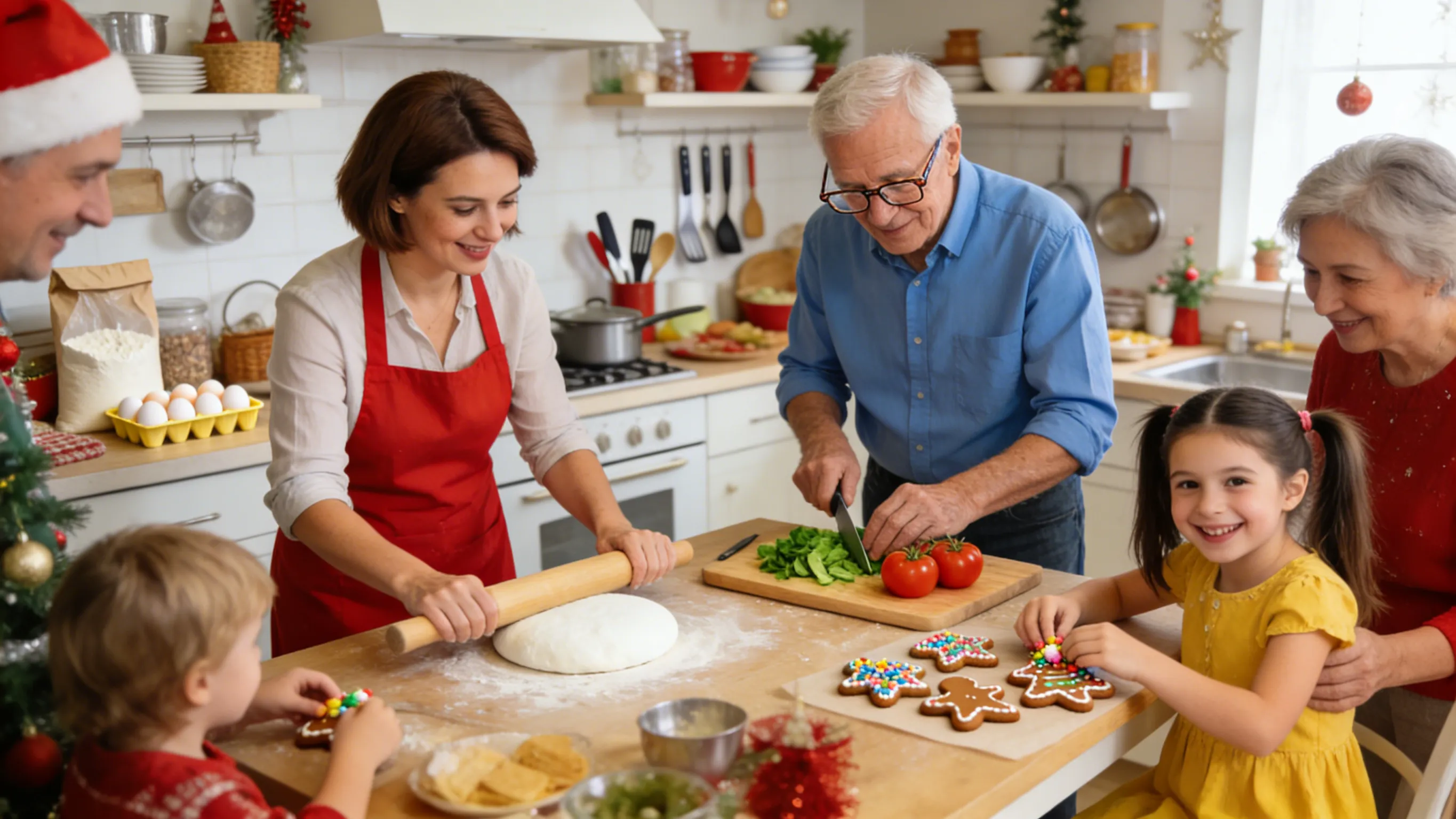
forged over chopped vegetables and simmering pots." The kitchen, or the space where food is assembled,
ceases to be the host's solitary domain and becomes the heart of the party, pulsating with collective
energy long before the first course is served.
Crafting the Collaborative Invitation: The First Ingredient is Communication
The success of a communal feast hinges on the initial invitation. This is where you set the tone. A
simple "Potluck" can work, but for a truly cohesive experience, a more thoughtful approach is required.
-
Theme as a Guiding Star: Instead of leaving the menu to chance, propose a loose
theme. It provides creative boundaries that inspire rather than restrict. "A Winter Harvest
Celebration," "A Coastal Mediterranean Evening," or "Family Recipes from Our Heritage" gives guests a
direction while allowing for immense personal expression. One host I spoke with, Maria from Seattle,
shared how her "Global Dumpling Night" became an annual tradition. "We had Polish pierogi, Chinese
jiaozi, Italian ravioli, and even an adventurous attempt at Ethiopian sambusas. The stories that came
with each dish were as filling as the food itself."
-
The "Contribution Menu": In your digital invitation, create a shared document or
board where guests can sign up for categories. Go beyond the standard "appetizer, main, dessert."
Think of the flow of the meal:
-
The Welcoming Bite: Someone to bring a signature cocktail, a mocktail, or a simple but
elegant appetizer to greet arrivals.
-
The Supporting Cast: Roles for sides, salads, and breads. This is where dietary preferences
can be gracefully accommodated.
-
The Centerpiece (Optional): The host might still choose to provide the main protein—a roast,
a glazed ham, or a stunning vegetarian Wellington—to anchor the meal.
-
The Sweet Finale: A call for desserts and after-dinner coffees or teas.
-
The Unsung Heroes: Don't forget to list "Logistics" �?someone to bring extra ice, a playlist
curator, or a designated "photographer" to capture the candid moments of collaboration.
This method manages expectations and prevents a table laden with seven pasta salads and nothing else. It
introduces an element of anticipation and coordination that feels more like planning a friendly,
low-stakes production than a chore.
The Day Of: Curating Chaos into Celebration
On the day of the gathering, the host's role shifts from chief cook to orchestrator and facilitator.
Your home is the stage, and you are ensuring every actor knows their cues and feels supported.
Embrace the beautiful, controlled chaos that ensues. As guests arrive with their contributions, the
kitchen will naturally become a hub. This is a feature, not a bug. Laughter erupts as someone tries to
find oven space, advice is exchanged over tasting spoons, and stories are shared as dishes are
garnished. These are the moments that a solitary host, sweating alone in the kitchen, misses entirely.
Set up "assembly stations" around your living space. A dessert table in one corner, a drinks station in
another, and a main staging area for hot food. This encourages movement and mingling. The meal becomes a
progressive journey through your home. Perhaps you could even arrange a small, pre-dinner activity, like
a collective gratitude jar where guests write down a highlight of their year, to be read aloud later.
The Feast and Its Aftermath: More Than a Meal
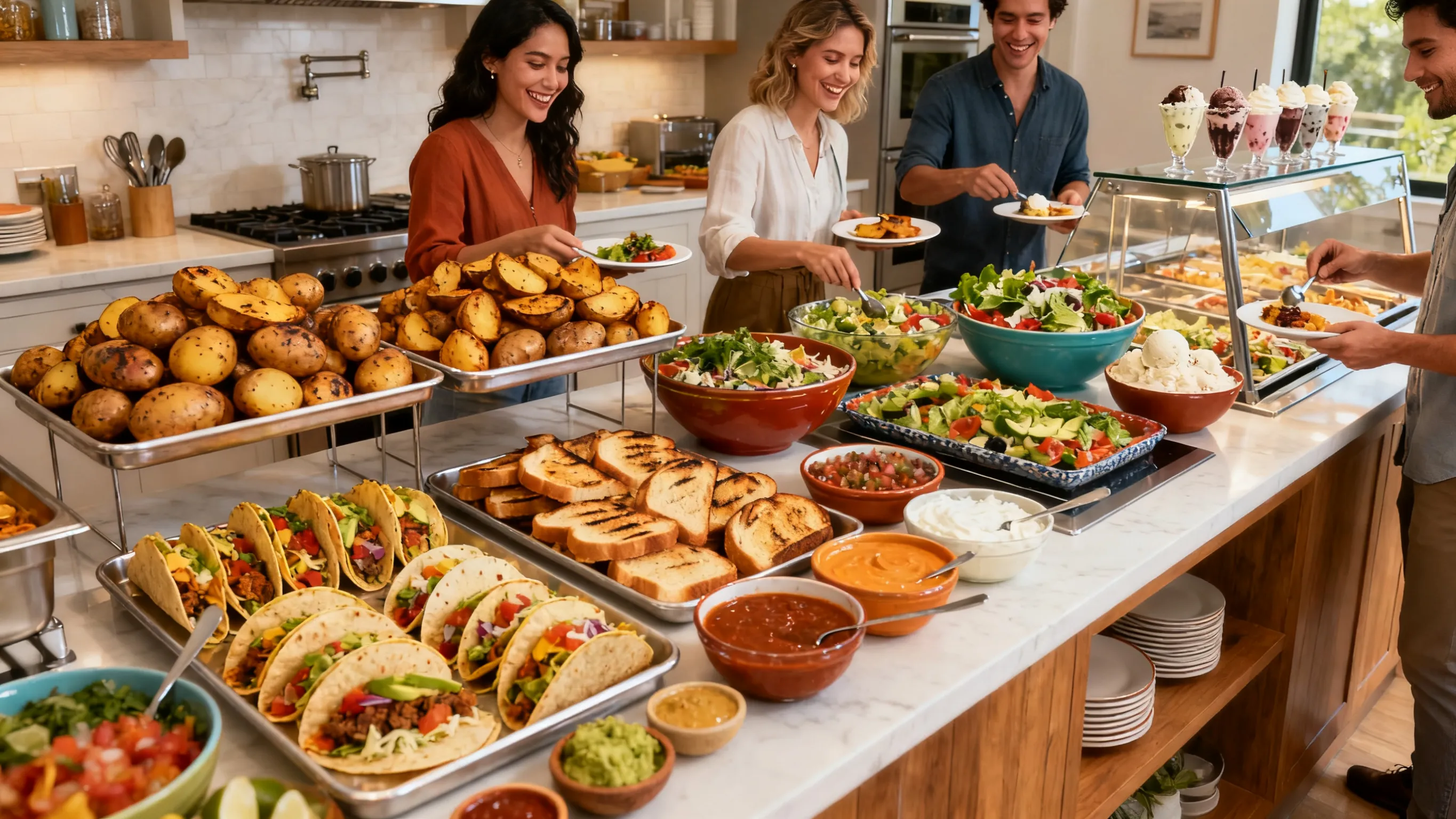
When it's time to eat, the act of serving itself is transformative. Unlike a formally plated dinner, a
buffet-style service of collaboratively created food is inherently interactive. Guests explain their
dishes, recount the family history behind a recipe, or laugh about a near-cooking disaster. The
conversation starters are built-in.
This shared ownership extends seamlessly to the cleanup. The mountain of post-feast dishes, often a
host's solitary dread, becomes a communal task. Washing, drying, and putting away becomes an extension
of the party—a quieter, reflective time to debrief on the evening, often where the most genuine
conversations happen.
Of course, this model requires a degree of flexibility. Not every dish will be a culinary masterpiece,
and that's perfectly fine. In fact, it's part of the charm. The slightly burnt edges on the pie, the
over-salted soup—these become part of the lore, the inside jokes that will be recalled with affection at
future gatherings. The goal is connection, not Michelin stars.
A Tapestry Woven Together
In the end, a communal feast is a powerful antidote to the isolation and performance anxiety that can
sometimes accompany modern hosting. It returns the holidays to their roots: people coming together,
sharing what they have, and finding warmth in each other's company. The meal is no longer just a display
of the host's effort, but a living, breathing expression of the entire group's collective spirit.
As the French gastronome Jean Anthelme Brillat-Savarin famously wrote, "The discovery of a new dish
confers more happiness on humanity than the discovery of a new star." Perhaps, then, the collective
discovery of a new way to feast—a way built on shared contribution and joyful collaboration—confers the
greatest happiness of all. It’s a reminder that the most nourishing ingredient on any holiday table
isn't the turkey or the trifle, but the unmistakable, deeply human flavor of togetherness.