Creative
Holiday Hosting Hacks: Lessons Learned from My Mom’s Brilliant Strategy
Author: Rachel Nguyen

The scent of cinnamon and roasted chestnuts still transports me back to my childhood home during the
holidays. I remember peeking into the kitchen, watching my mother move with an almost choreographed
grace—stirring sauces, adjusting oven temperatures, and arranging platters with an artist’s eye. To an
outsider, it might have looked like effortless magic. But as I grew older, I realized it was something
far more profound: a carefully crafted strategy born of intuition, experience, and a deep understanding
of what truly makes a gathering memorable.
My mom never called it a “strategy,�?of course. To her, it was simply how things were done. Yet, as I’ve
navigated my own journey as a host—sometimes stumbling, sometimes succeeding—I’ve come to appreciate the
quiet genius behind her methods. In an era where hosting advice often revolves around Pinterest-perfect
tablescapes or viral TikTok hacks, her approach feels refreshingly human, grounded in warmth and
practicality rather than perfection. And as research from the
Journal of Positive Psychology suggests, the emotional resonance of shared experiences often
outweighs the pursuit of flawlessness in fostering genuine connections.
The Unspoken Blueprint: Preparation with Purpose
Long before the first guest arrived, my mom’s strategy was already in motion. She didn’t just clean; she
curated the space. Furniture was rearranged to encourage conversation, soft lighting replaced
harsh overhead bulbs, and a carefully selected playlist hummed in the background—a mix of classic
holiday tunes and instrumental jazz that felt both festive and calming. These weren’t arbitrary choices.
As interior design experts at Architectural Digest have noted, environmental psychology plays a
crucial role in shaping social dynamics. A well-arranged room, for instance, can subconsciously guide
interactions, making guests feel more at ease.
But her preparation went beyond aesthetics. She practiced what some organizational psychologists call
“anticipatory hospitality”—thinking two steps ahead to minimize stress in the moment. A basket of spare
phone chargers tucked beside the sofa, extra rolls of toiletries placed discreetly in the bathroom, and
a designated “kids�?corner�?with quiet activities to keep little ones engaged. These small, often
overlooked details created a seamless experience for everyone. I recall one particularly chaotic
Christmas Eve when a sudden snowstorm left half our guests stranded for hours. While others might have
panicked, my mom simply retrieved blankets, brewed a fresh pot of spiced cider, and turned the delay
into an impromptu storytelling session. It’s a lesson in adaptability that many event planners now
emphasize: the best hosts aren’t those who avoid surprises, but those who embrace them.
The Art of the Menu: Balancing Tradition and Practicality
Food, in my mom’s world, was more than sustenance—it was a love language. Yet, her culinary approach was
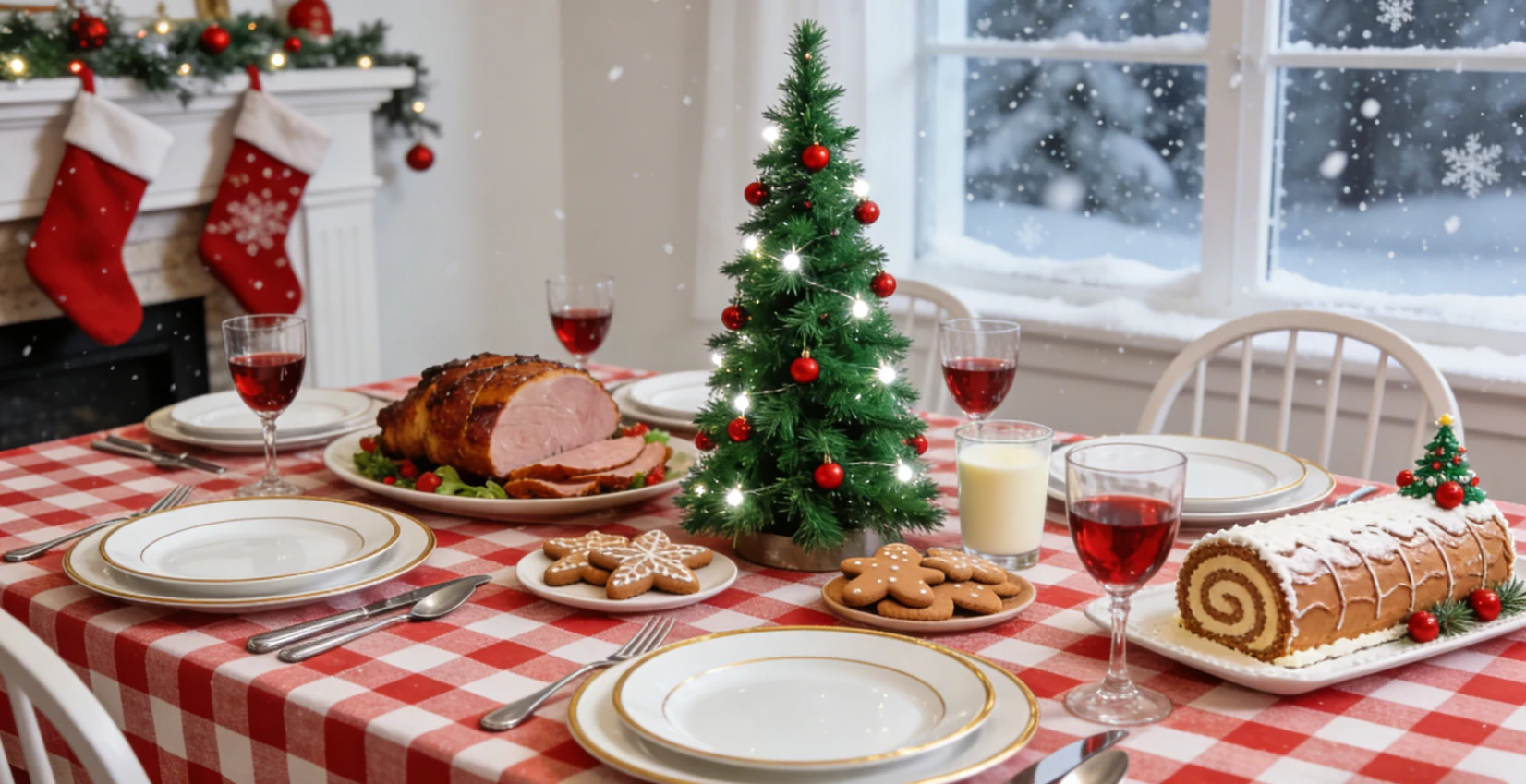
strikingly pragmatic. She mastered what she called the “anchor dish”—a show-stopping centerpiece, like
her herb-crusted prime rib or spiced honey-glazed ham—while keeping the sides simple, make-ahead, and
scalable. According to culinary historian Dr. Anna Fields, this balance of effort and ease reflects a
broader trend in modern entertaining. “There’s a growing recognition,�?she observes, “that hosts who
overextend themselves in the kitchen often have less energy to engage with their guests.�?/p>
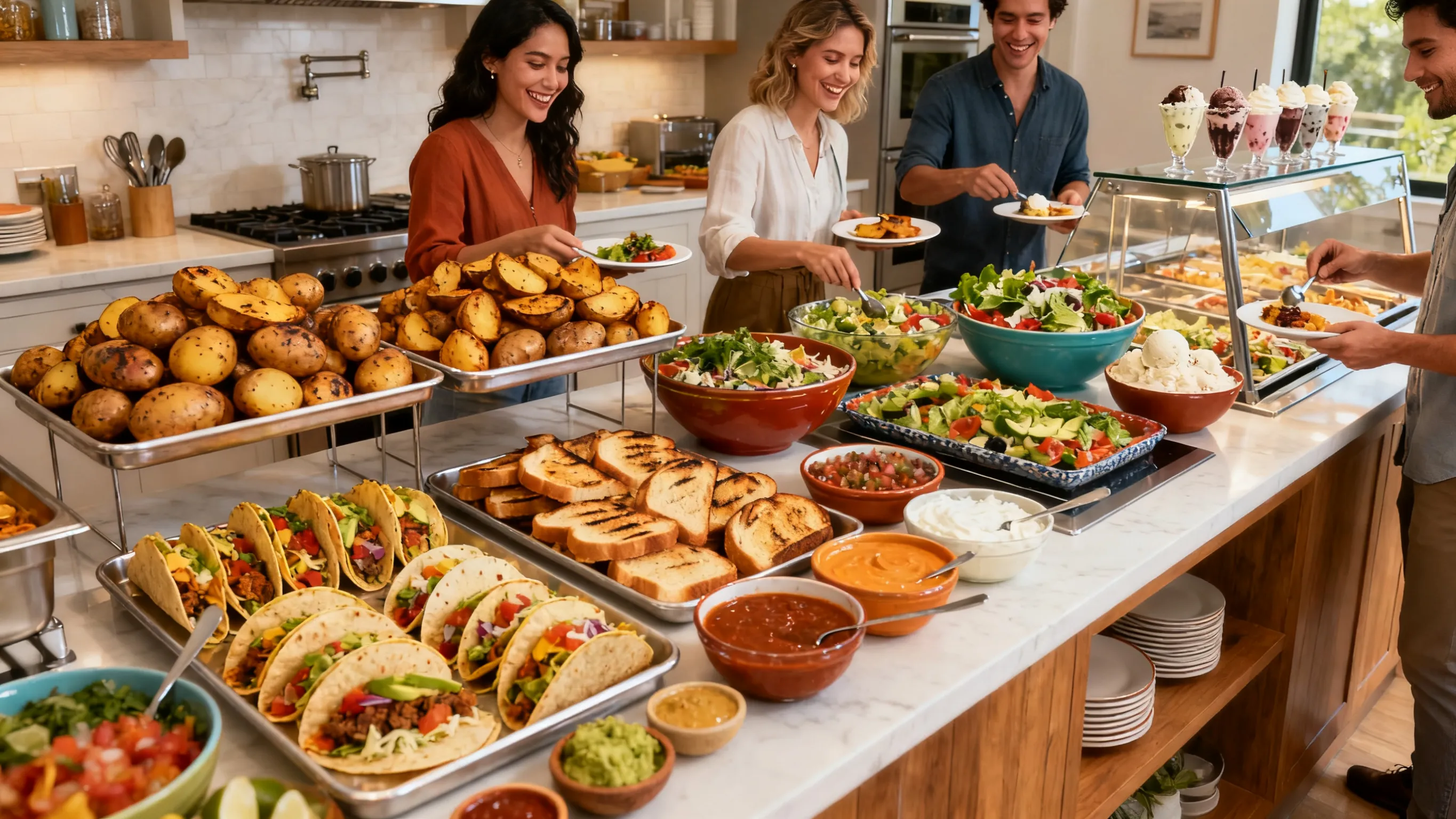
One of her most brilliant hacks was what I’ve dubbed the “modular menu.�?Instead of preparing one
massive, monolithic feast, she created a series of smaller, interchangeable components. A DIY crostini
bar with an array of toppings, a build-your-own hot chocolate station with flavored syrups and whipped
cream, or a dessert platter that combined homemade favorites with thoughtfully selected store-bought
items. This not only accommodated diverse dietary preferences—a growing concern, as studies show nearly
30% of Americans now identify with some form of dietary restriction—but also invited participation,
turning meal preparation into a collaborative experience.
Perhaps her most memorable innovation was the “leftover strategy.�?Long before sustainability became a
buzzword, she repurposed remnants into entirely new meals: turkey became pot pies, mashed potatoes
transformed into savory pancakes, and stale bread found new life as a rich bread pudding. It was a
subtle lesson in resourcefulness—one that aligns with contemporary movements like the “zero-waste
kitchen,�?which advocates for creative reuse to reduce food waste.
The Rhythm of Gathering: Orchestrating Moments, Not Just Meals
What set my mom’s hosting apart was her innate sense of rhythm. She understood that a successful
gathering isn’t a monolithic event but a series of moments, each with its own emotional tone. The
initial welcome, for example, was always warm but brief—a quick hug, a directed path to coats and
drinks, and then space to let guests settle in. She avoided what some social psychologists term “host
hovering,�?which can inadvertently create pressure rather than comfort.
As the evening progressed, she introduced subtle “connectors”—activities designed to foster interaction
without feeling forced. A simple game of “holiday trivia�?slipped casually into conversation, a shared
photo album passed around, or a collective toast that felt spontaneous but was timed perfectly. These
moments, according to Dr. Liam Carter, a sociologist specializing in group dynamics, help break down
social barriers by providing shared focal points. “When people engage in low-stakes, collaborative
activities,�?he explains, “conversation flows more naturally.�?/p>
Even the cleanup was part of her strategy. Rather than banishing everyone from the kitchen, she welcomed
help—assigning small, manageable tasks that felt more like socializing than chores. Washing dishes
side-by-side, she’d often share stories or ask about a guest’s upcoming plans, turning a mundane
activity into an opportunity for deeper connection. It’s a practice that organizational behavior experts
now champion as a way to strengthen bonds through shared, purposeful action.
Embracing Imperfection: The Gift of Authenticity
Perhaps the most enduring lesson from my mom’s strategy was her embrace of imperfection. I’ll never
forget the year the turkey emerged from the oven slightly overdone, its skin more bronze than golden.
Where another host might have apologized profusely, she simply shrugged, carved it with a smile, and
declared, “Well, it’s extra crispy this year—a new tradition!�?Her laughter was infectious, and what
could have been a moment of embarrassment became a running family joke.
This willingness to be vulnerable—to let guests see the small, human flaws in an otherwise polished
event—is something that resonates deeply with contemporary hosting philosophies. As lifestyle blogger
and author Elena Martinez writes, “Perfection is isolating; authenticity is inviting.�?When hosts
relinquish the need to control every detail, they create space for genuine connection, for the
unscripted moments that often become the most cherished memories.
A Legacy of Connection
Years later, as I host my own gatherings, I find myself channeling my mom’s strategy—not as a rigid
blueprint, but as a flexible philosophy. I’ve learned that the best hosting hacks aren’t about shortcuts
or spectacle; they’re about intentionality. It’s in the way we arrange a room to encourage conversation,
design a menu that delights without overwhelming, and curate moments that feel both structured and
spontaneous.
Some experts argue that the art of hosting is evolving, shaped by technology, sustainability concerns,
and changing social norms. Yet, at its heart, it remains what it has always been: an act of generosity,
a gesture of welcome, a way of saying, “I’m glad you’re here.�?And in a world that often feels
increasingly fragmented, that simple message—delivered with warmth, foresight, and a touch of
brilliance—may be the most valuable hack of all.
So this holiday season, as you dust off the serving platters and test the oven temperature, remember
that the goal isn’t perfection. It’s connection. And sometimes, the most brilliant strategy is the one
that feels like home.