Creative
GrandCare Systems: Smart Tech for Aging in Place

The scent of freshly brewed coffee, the soft morning light filtering through the kitchen window, the
familiar creak of the third stair—these are the textures of home. For millions of older adults, this
environment represents more than just a physical space; it is a repository of memories, a fortress of
independence, and the preferred setting for their later years. This desire, known as "aging in place,"
is a powerful, almost universal aspiration. Yet, the practicalities of safety, health management, and
social connection can cast long shadows over this dream. Enter GrandCare Systems, a name that has
quietly evolved over nearly two decades from a niche concept into a cornerstone of the proactive
aging-in-place technology landscape. This isn't about replacing human touch with cold circuitry; it's
about weaving a subtle, intelligent safety net into the very fabric of daily life, allowing that morning
coffee ritual to continue, securely and joyfully, for years to come.
The Philosophy: From Reactive Alarms to Proactive Care
The traditional model of elder care technology has often been starkly reactive. A fall happens, and a
pendant is pressed. A door opens at an unusual hour, and an alarm sounds at a call center. While
lifesaving, this approach exists in the tense space after a potential crisis. GrandCare
Systems, according to industry analysts who have tracked its development, pioneered a shift toward
proactive and preventive care. Their philosophy centers on creating a "digital
dashboard" of daily life—not to surveil, but to understand patterns and gently intervene before small
issues become emergencies.
Imagine a system that learns that Mrs. Johnson typically makes her first cup of tea between 7:00 and
7:30 AM. The motion sensor in her kitchen communicates this pattern to the system. One morning, no
activity is detected by 8:30 AM. Instead of blaring an alarm, the system might first send a gentle,
automated check-in message to her touchscreen: "Good morning! Everything okay?" If there's no response,
it can then escalate a discreet alert to her daughter, who can call. This nuanced response addresses
potential concerns—be it a forgotten routine, a late sleep-in, or something more serious—with respect
for autonomy and minimal anxiety.
This proactive ethos is embedded in their hardware-agnostic platform. Unlike closed ecosystems,
GrandCare integrates with a wide array of third-party devices: Bluetooth-enabled pill dispensers from
Hero, weight and blood pressure scales from iHealth or
Withings, sleep monitors, and even smart home devices like
Philips Hue lights or Nest thermostats. This transforms a collection
of gadgets into a cohesive care ecosystem. A study published in the
Journal of Medical Internet Research (JMIR) Aging noted that such integrated systems, which
facilitate remote health monitoring and social engagement, show "promising results in improving
medication adherence and reducing feelings of isolation among older adults living alone."
The Core Experience: More Than a Touchscreen
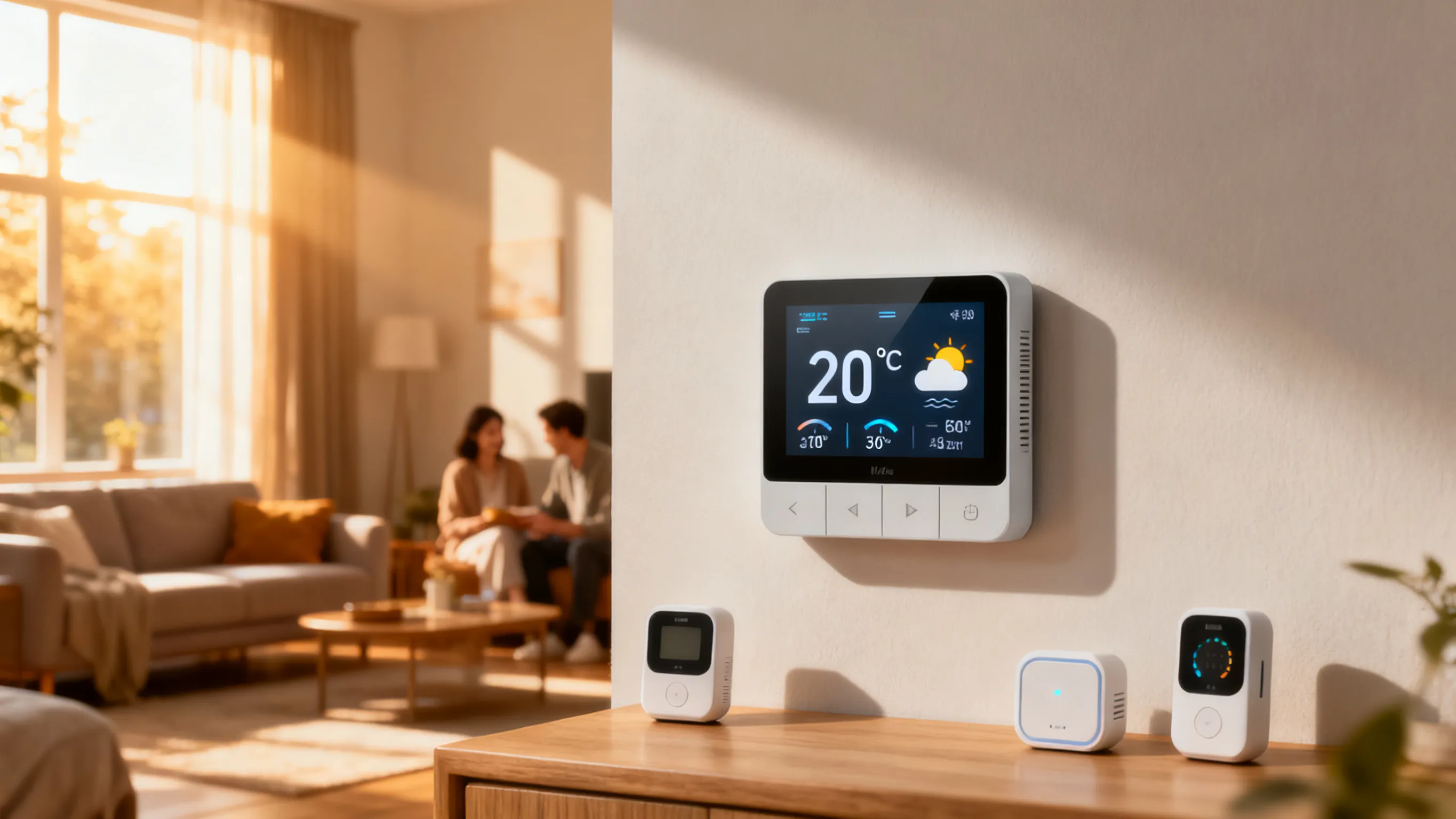
At the heart of the GrandCare experience is the dedicated touchscreen unit, a device deliberately
designed for simplicity. Its interface features large, high-contrast icons and minimal text, bypassing
the complexity of tablets or smartphones. But to view it merely as a screen is to miss its role as the
central nervous system of a connected home.
Health & Wellness Integration: This is where GrandCare moves beyond convenience
into the realm of vital health management. When a user steps on a connected scale or takes their blood
pressure with a paired cuff, the data is transmitted seamlessly to the GrandCare system. It’s displayed
clearly on the touchscreen for the user and logged in a secure portal for remote family members or care
coordinators. Trends are easily visualized—a gradual weight change or creeping blood pressure readings
become visible, allowing for early conversations with healthcare providers. As Dr. Sarah Jones, a
geriatrician at the University of Michigan, observes, "The power of these platforms isn't just in
collecting data, but in making it actionable for both the individual and their care circle. It shifts
the focus from episodic clinic visits to continuous, home-based management."
Social Connection Combating Isolation: Perhaps the most profound impact is on emotional
well-being. Loneliness, as the U.S. Surgeon General has highlighted, poses a health risk as severe as
smoking. GrandCare tackles this directly. Family and friends can send photos, messages, and video emails
directly to the touchscreen, creating a digital picture frame that updates with loved ones' lives. One
user, an 82-year-old retired teacher named Arthur, told me his screen is his "window to the grandkids."
He doesn't need to navigate a computer; their soccer game photos and silly videos just appear, prompting
him to record a quick video reply with a tap. Scheduled video calls are simplified into one-touch
events. This frictionless connectivity, some sociologists argue, may be as critical to aging in place as
grab bars and ramps, preserving the social fabric that gives life meaning.
Safety and Activity Monitoring: Discreet wireless sensors placed on doors, refrigerator
lids, or in main living areas provide a passive, privacy-conscious layer of safety. They don't record
video or audio; they simply report activity (or lack thereof). The system builds a personalized
"activity pattern" for the individual. A deviation—like no movement from the bedroom past a usual
wake-up time, or the front door opening at 2 AM—can trigger customized alerts. This provides peace of
mind for distant family members without the feeling of constant check-ins. "It allows my mother to keep
her independence, and it allows me to sleep at night," shared one caregiver daughter in an online forum
dedicated to aging parents. "It’s the balance we needed."
The Human Element: Care Coordination and Customization
Technology alone is inert. GrandCare’s true differentiation lies in its focus on the
care network. The system provides secure, role-based access to a web portal and mobile
app. An adult child might have "family" access to see wellness trends and message. A professional care
manager might have "coordinator" access to view detailed reports and configure alerts. This creates a
shared, transparent information hub, reducing miscommunication and ensuring everyone is aligned.
A home care aide, for instance, can log visits directly on the touchscreen, noting tasks completed or
observations about mood and appetite. This log becomes an invaluable record for family and doctors,
painting a more complete picture than sporadic phone calls. The system can also display personalized
reminders—not just for medications, but for appointments, hydration, or even to call a friend. This
external cognitive support can be empowering for those experiencing mild memory changes.
The customization is key. The system is not a one-size-fits-all product; it is configured to the
individual’s life. Alert thresholds, connected devices, and daily schedules are all tailored. This
flexibility means it can serve someone who is largely independent but has a specific health concern, as
well as someone with more advanced needs requiring broader oversight.
Considerations and the Path Forward
Adopting a comprehensive system like GrandCare requires thoughtful consideration. The initial cost,
which includes hardware and setup, is a significant investment, though some long-term care insurance
policies or Veterans Affairs benefits may offer partial coverage. The ongoing monthly service fee covers
platform access, data storage, and technical support. The value proposition hinges on its potential to
delay or avoid the far greater cost of assisted living or nursing home care, while preserving quality of
life.
Privacy is a paramount concern. GrandCare addresses this by being a
HIPAA-compliant platform, treating health data with stringent security protocols. Data
is encrypted, and users control who has access. The passive sensor system is also designed to maximize
privacy, monitoring activity patterns without intrusive surveillance.
The future of GrandCare and similar systems is likely tied to deeper
integration with mainstream healthcare. The holy grail, as some health tech innovators
suggest, is bidirectional data flow: not only sharing home-collected data with a care team but also
receiving personalized care plans or medication adjustments from a provider directly into the system.
Partnerships with health systems and insurance providers are slowly making this a reality, positioning
the home as a legitimate node in the healthcare continuum.
Conclusion: Weaving Technology into the Tapestry of Home
GrandCare Systems represents a mature, human-centric approach to a profound societal challenge. It
reframes smart technology not as a futuristic novelty for the young, but as a practical, dignified tool
for supporting longevity and independence. It acknowledges that aging in place is not just about staying
put; it’s about staying connected, engaged, and safe.
It does not replace the essential human acts of care—the visit, the phone call, the hand to hold.
Instead, it amplifies their effectiveness and fills the gaps between them. It turns a house back into a
true home: a place where patterns are understood, health is actively managed, and the voices of loved
ones are never more than a touch away. In the quiet hum of its connected ecosystem, GrandCare offers a
compelling answer to a deeply human question: how to grow older not in an institution, but in the
comforting, familiar embrace of one’s own life, supported by an invisible thread of care woven
seamlessly into every day.