Creative
Fresh Ways to Layer Midcentury Modern Pieces
Author:
Sarah Mitchell

Midcentury modern design—often abbreviated as MCM—has long transcended its mid-20th-century origins to
become a timeless aesthetic. Yet, as we navigate contemporary living, the challenge lies not in
replicating the past but in reimagining it. How can we layer these iconic pieces in ways that feel
fresh, personal, and relevant to today’s lifestyles?
Perhaps the answer begins with breaking a few rules.
The Soul of Midcentury Modern: A Brief Reflection
Midcentury modern design, as historian and design critic Alice Rawsthorn once noted, was born from a
“postwar optimism that fused functionality with organic forms.�?Think of the Eames lounge chair, the
Noguchi table, or George Nelson’s bubble lamps—objects that married simplicity with warmth. Their appeal
lies in a balance of clean lines, natural materials, and subtle experimentation.
But here’s the catch: when every interior magazine features the same curated MCM staples, the style
risks feeling like a museum exhibit rather than a living, breathing space.
Layering as Narrative: Introducing the Unexpected
Layering, in design terms, isn’t just about placing one object next to another. It’s about weaving
stories. Start with an MCM foundation—a teak sideboard, a sleek sofa—and then disrupt the expected.
For instance, try pairing a classic Saarinen “Tulip�?table with vibrant, mismatched chairs from
different eras. Or hang a minimalist MCM-inspired bookshelf alongside bold, contemporary artwork. The
goal is contrast, not chaos. As designer Kelly Wearstler once remarked, “The most interesting rooms are
those that balance discipline with spontaneity.�?/p>
Texture: The Unsung Hero of Modern Layering
Midcentury design often champions smooth, polished surfaces—think rosewood, molded plastic, and chrome.
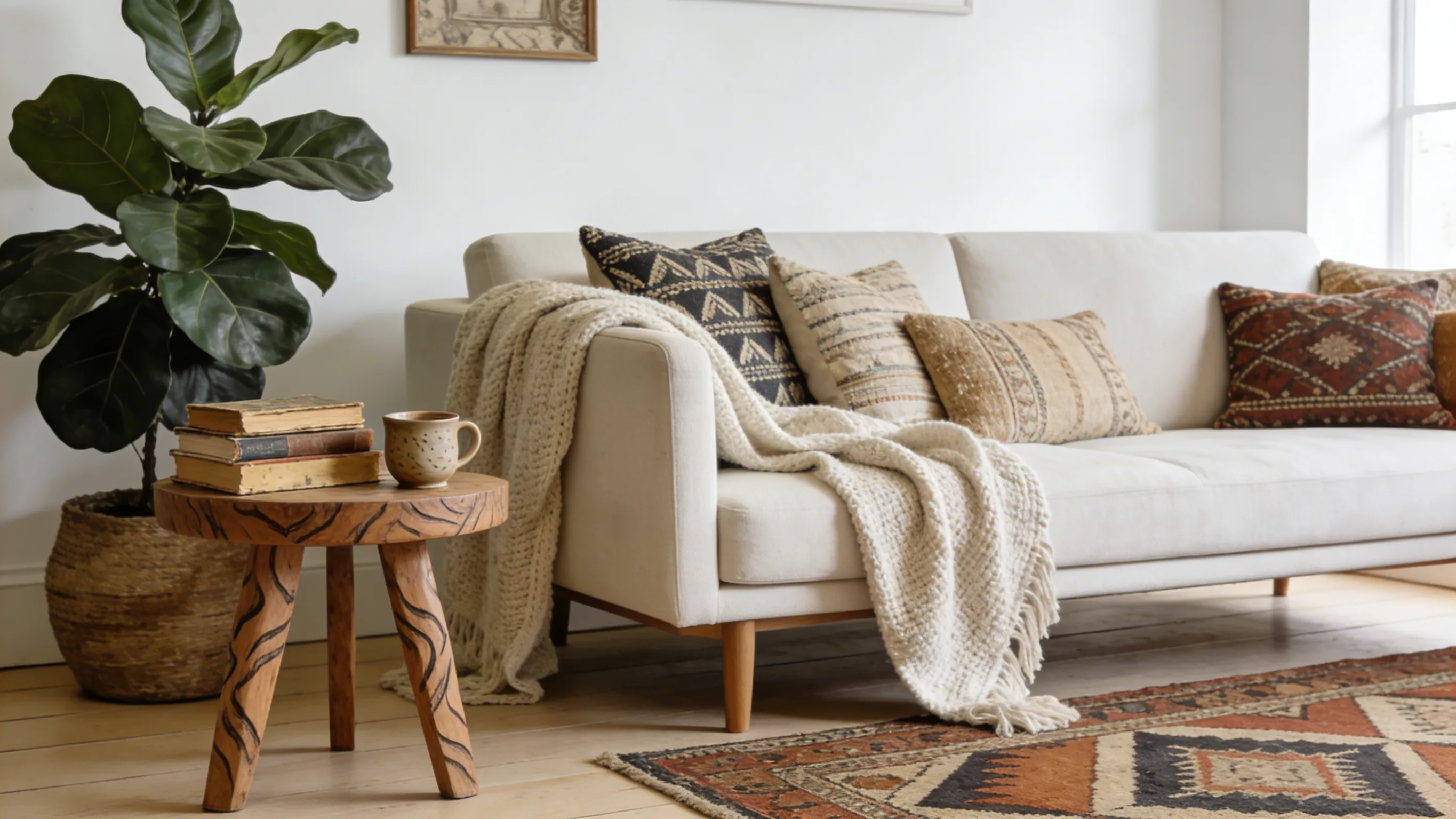
To soften these hard edges, introduce textiles with rich textures. A chunky, handwoven throw draped over
a Ludwig Mies van der Rohe “Barcelona�?chair, for example, adds warmth and dimension. Similarly,
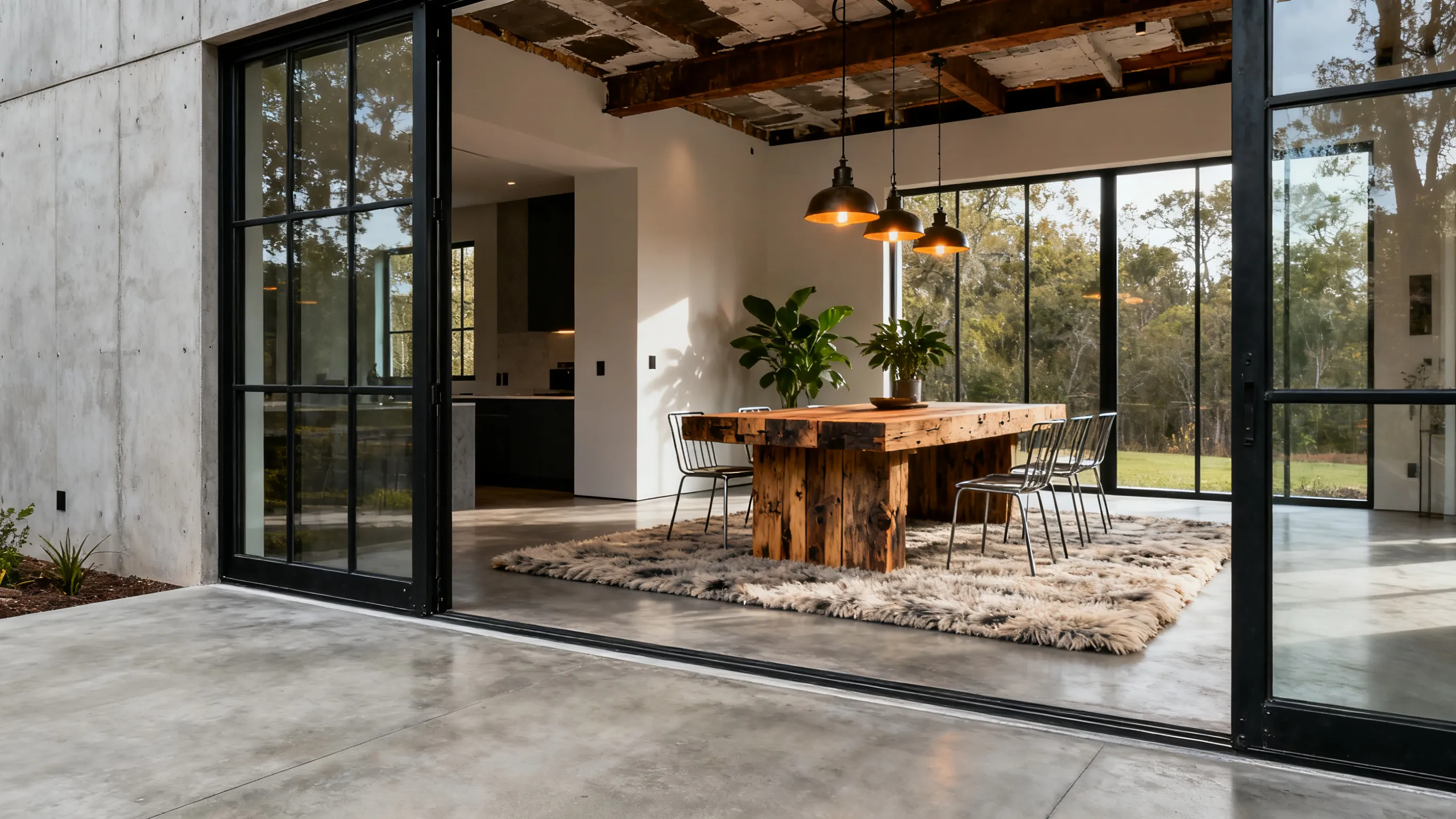
layering a shag rug or a kilim over a sleek hardwood floor can create visual depth while honoring the
MCM ethos of bringing the outdoors in.
Studies in environmental psychology suggest that varied textures can evoke comfort and stimulate sensory
engagement—key for transforming a static room into an inviting sanctuary.
Color Beyond Mustard and Avocado
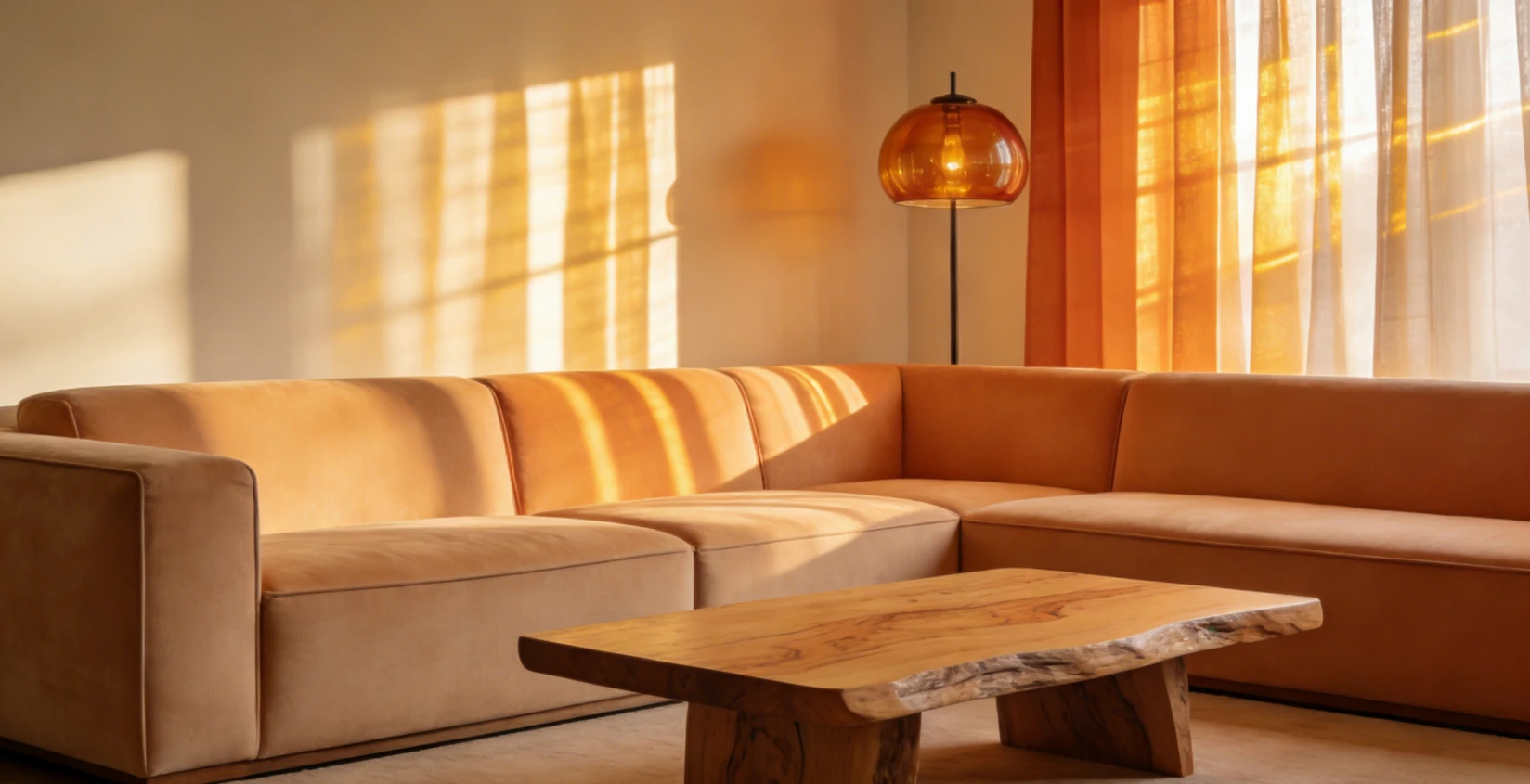
While earthy tones like olive, mustard, and burnt orange are MCM staples, today’s interpretations
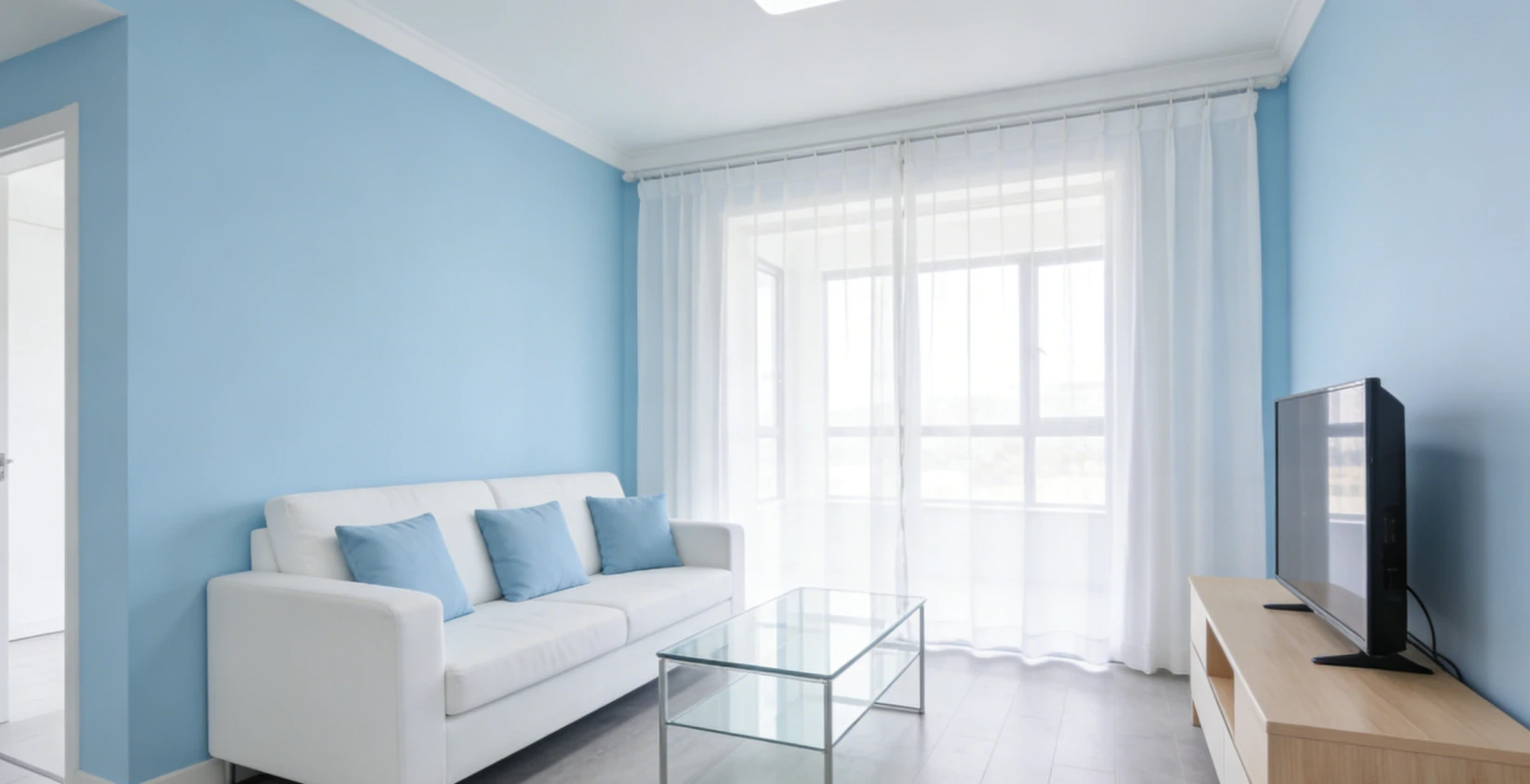
embrace a broader palette. Consider dusty blues, muted pinks, or deep charcoal as accents. Paint a
single wall in a moody hue to offset light-toned MCM furniture, or incorporate colorful ceramic vases
and abstract sculptures.
Some design historians argue that the midcentury palette was far more expansive than we remember.
Research from institutions like the Vitra Design Museum highlights how designers like Alexander Girard
experimented wildly with color and pattern, often overshadowed by the more minimalist counterparts of
the era.
Biophilic Elements: Merging Past and Present
Midcentury modernism has always celebrated nature—whether through organic shapes, large windows, or
indoor plants. Today, the biophilic design movement amplifies this connection. Layer your MCM pieces
with cascading pothos, a fiddle-leaf fig, or a minimalist terrarium. The juxtaposition of living
greenery against structured furniture creates a dynamic, evolving tableau.
As author and biologist Robin Wall Kimmerer writes, “In some Native languages, the term for
‘plants�?translates to ‘those who take care of us.’�?Integrating plants into MCM spaces bridges the
style’s human-centric philosophy with modern wellness trends.
Personal Artifacts and Global Influences
One pitfall of period-specific design is its potential to feel impersonal. Counter this by layering MCM
furniture with objects that tell your story: travel souvenirs, family heirlooms, or handmade ceramics. A
vintage Moroccan rug paired with a clean-lined MCM sofa, for example, adds history and warmth.
Global influences were always part of midcentury modernism—think of the Japanese-inspired joinery in
George Nakashima’s work or the Scandinavian simplicity in Hans Wegner’s “Wishbone Chair.�?Embracing this
eclectic spirit allows the style to feel both curated and alive.
Lighting: Sculptural and Soft
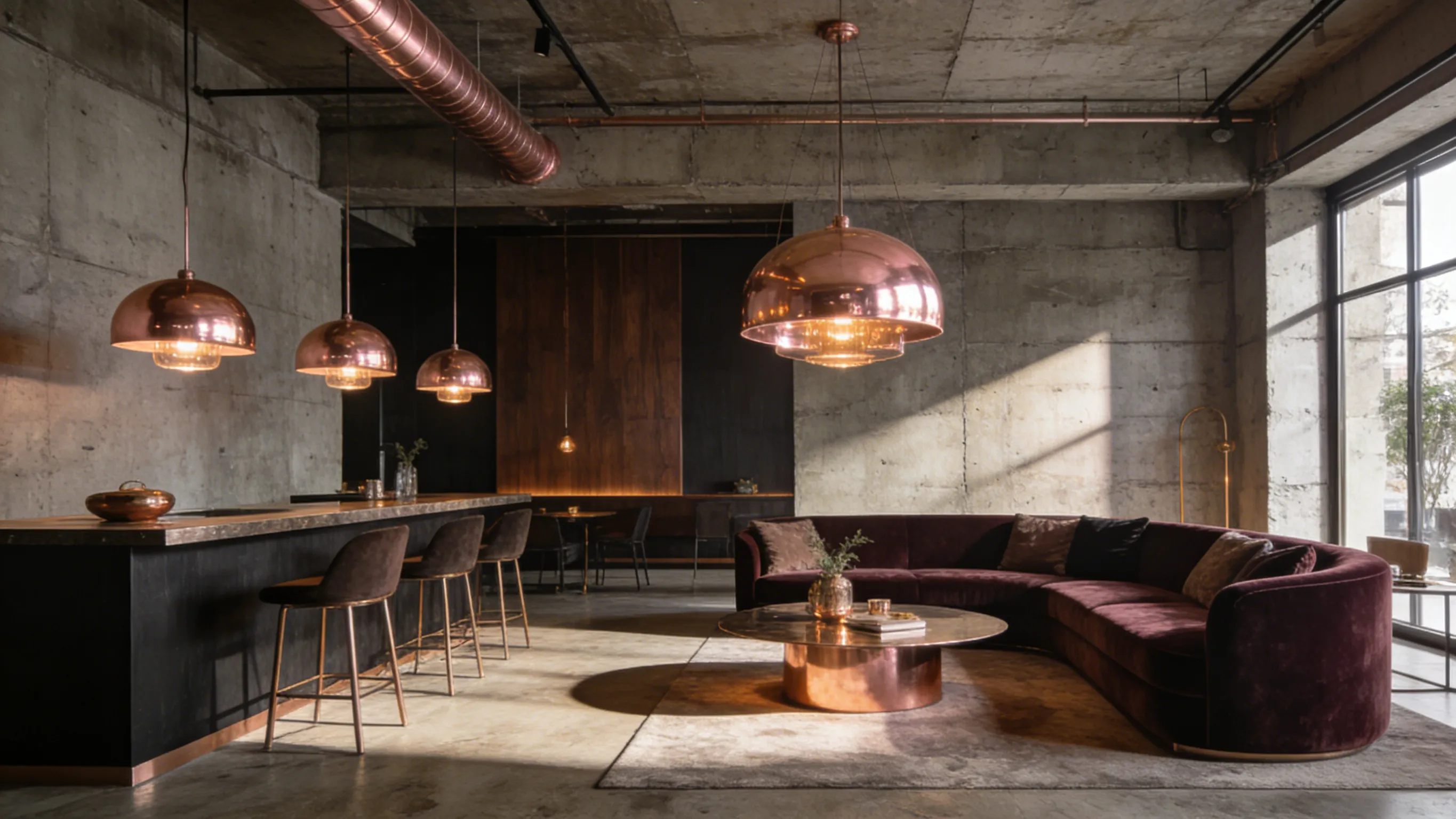
Lighting in MCM spaces often leaned toward sculptural statements—Arco lamps, Sputnik chandeliers, and
tripod floor lamps. To avoid a stark, overly staged look, layer lighting sources. Combine a statement
pendant with softer, indirect lighting like wall sconces or concealed LED strips. The interplay of
shadows and highlights can make even the most angular furniture feel inviting.
As the light changes throughout the day, so does the room’s atmosphere—a subtle reminder that good
design is never static.
The Imperfect Harmony
Finally, embrace imperfection. A scratch on a vintage credenza, a faded upholstery fabric—these
“flaws�?add character. In the words of Japanese aesthete Soetsu Yanagi, “Beauty lies in the
incomplete.�?/p>
Perhaps the freshest way to layer midcentury modern pieces is to treat them not as relics but as
collaborators in crafting a home that reflects both past and present.
Conclusion: A Living Legacy
Midcentury modern design endures not because it is frozen in time, but because it invites
reinterpretation. By layering textures, colors, and personal artifacts, we honor its legacy while making
it our own. The result? Spaces that are not only beautiful but deeply human.
So go ahead—mix that Eames chair with a quirky, contemporary side table. Let your bookshelves hold both
design classics and dog-eared novels. After all, the best interiors, like the best stories, are those
that evolve.