Creative
Farmhouse Style Fatigue? Designers Suggest a New Approach
Author: Sarah Mitchell

In the quiet corners of suburban homes and bustling city lofts, a familiar aesthetic has long reigned supreme: the farmhouse style. With its shiplap walls, rustic barn doors, and mason jar centerpieces, this design trend promised warmth, simplicity, and a nostalgic connection to simpler times. But as I recently wandered through a local home décor expo, I couldn’t help but notice a subtle shift. A designer I spoke to, her hands gesturing toward a minimalist display, remarked, “We’re seeing a collective sigh—a longing for something less curated, more personal.�?Perhaps it’s time to ask: Is farmhouse style losing its charm?
For years, the farmhouse aesthetic dominated Pinterest boards and renovation shows, championed by influencers and designers alike. Its appeal lay in its accessibility; it felt cozy, unpretentious, and effortlessly timeless. Yet, as with any trend that saturates the market, fatigue inevitably sets in. Research from the Global Interior Design Association notes that 68% of surveyed homeowners expressed a desire to move away from “overly thematic�?designs in favor of more hybrid, individualized spaces. So, what comes next?
The Rise and Saturation of Farmhouse Chic
It’s hard to pinpoint exactly when the farmhouse trend took root, but its proliferation can be traced to the early 2010s, fueled by a cultural fascination with rustic authenticity. Think reclaimed wood, galvanized metal accents, and neutral palettes—a style that whispered of pastoral idylls. For many, it was a comforting antidote to the sleek, impersonal vibes of modern minimalism. Yet, as the trend trickled into mass-market retailers and DIY tutorials, its once-unique charm began to feel ubiquitous. “There’s only so much distressed wood one can live with before it starts to feel like a theme park,�?quips interior designer Marcus Thorne, whose clients increasingly seek alternatives.
Part of the issue lies in the style’s rigidity. Farmhouse décor often adheres to a strict set of visual rules—white-on-white color schemes, vintage-inspired signage, and an abundance of woven textures. While these elements create cohesion, they can also stifle individuality. As one homeowner lamented in a recent Home & Garden feature, “I loved my farmhouse kitchen at first, but now it feels like I’m living in a catalog. I want my home to tell my story, not Joanna Gaines�?�?/p>
A New Direction: Blended Aesthetics and Intentional Imperfection
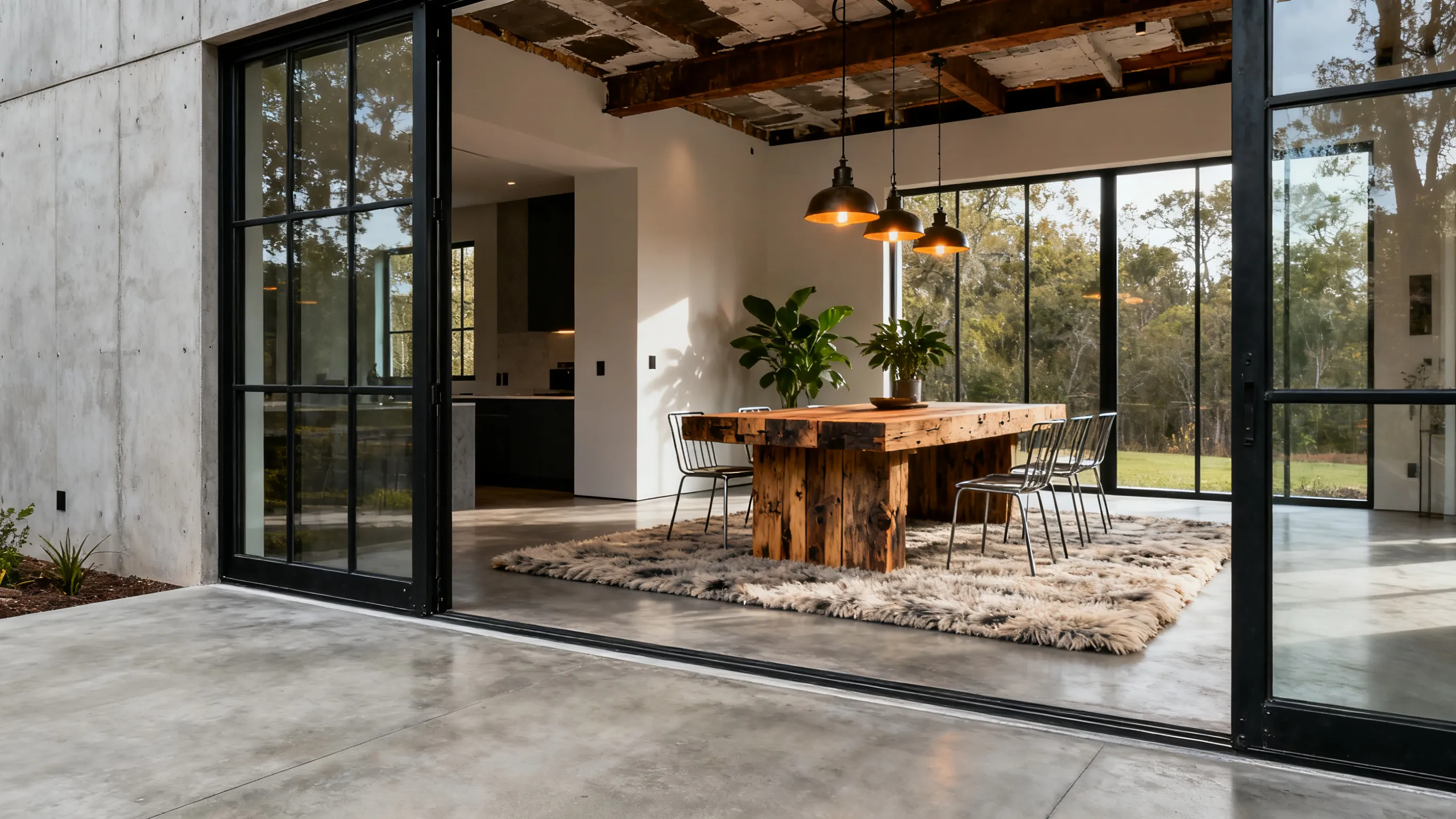
So, where do we go from here? Designers are advocating for a more nuanced approach—one that borrows the warmth of farmhouse style but infuses it with global influences, personal history, and a touch of the unexpected. This isn’t about discarding the past but recontextualizing it. For instance, Los Angeles-based designer Elena Rossi suggests pairing a rustic farmhouse table with sleek, Italian-made chairs or incorporating artisanal ceramics from Morocco. “The magic happens in the juxtaposition,�?she says. “It’s about creating layers that reflect how we actually live—eclectically and evolving.�?/p>
This philosophy aligns with what some scholars term “wabi-sabi lite”—a Western interpretation of the Japanese concept embracing imperfection and transience. Instead of perfectly distressed furniture, think of a hand-thrown vase with slight irregularities or a vintage rug faded by sun and time. These elements introduce authenticity without veering into cliché. As Rossi notes, “Perfection is exhausting. A home should breathe.�?/p>
Personalization Through Storytelling
Another key shift is the move toward narrative-driven design. Rather than adhering to a single aesthetic, homeowners are encouraged to curate spaces that reflect their journeys, passions, and memories. I recall a project by designer Samira Khan, who transformed a client’s cookie-cutter farmhouse living room by integrating textiles collected from travels to India and family heirlooms like a great-grandmother’s embroidered shawl. “The room didn’t just look different; it felt different,�?Khan explains. “It had soul.�?/p>
This approach resonates with findings from the Institute of Environmental Psychology, which highlights that personalized spaces can enhance emotional well-being. A study published last year observed that participants in highly curated, story-rich environments reported 30% higher levels of contentment compared to those in stylistically uniform homes.
Sustainability as a Guiding Principle
Beyond aesthetics, the next wave of home design is deeply intertwined with sustainability. The farmhouse trend, for all its charm, often relied on new reproductions of vintage items—a practice at odds with growing environmental consciousness. Today, designers are championing upcycling, local sourcing, and energy-efficient integrations. For example, reclaimed barn wood might be repurposed as shelving in a home office, while solar panels discreetly blend into roofing.
According to environmental designer Leo Chen, “The future of home décor isn’t about buying ‘rustic-looking�?pieces; it’s about investing in items that have history or a lower carbon footprint.�?This shift isn’t just ethical—it’s practical. A 2022 report by Sustainable Home Trends Magazine found that 74% of millennials prioritize eco-friendly materials when renovating.
Practical Steps to Refresh Your Space
If you’re feeling the farmhouse fatigue, here are a few actionable ideas, inspired by leading designers:
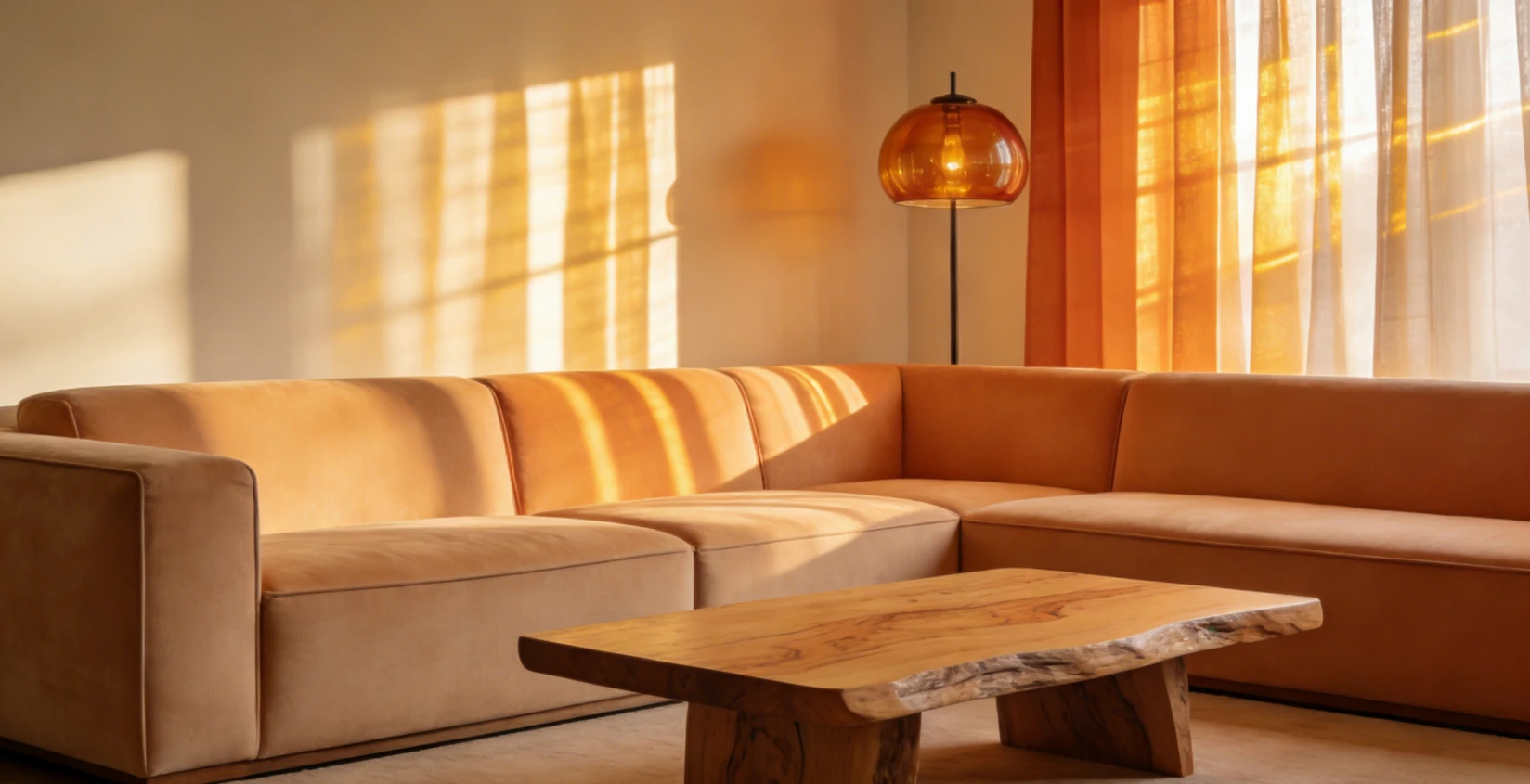
- Mix Textures and Periods: Combine a sleek, contemporary sofa with a handcrafted wooden coffee table. The contrast feels dynamic and lived-in.
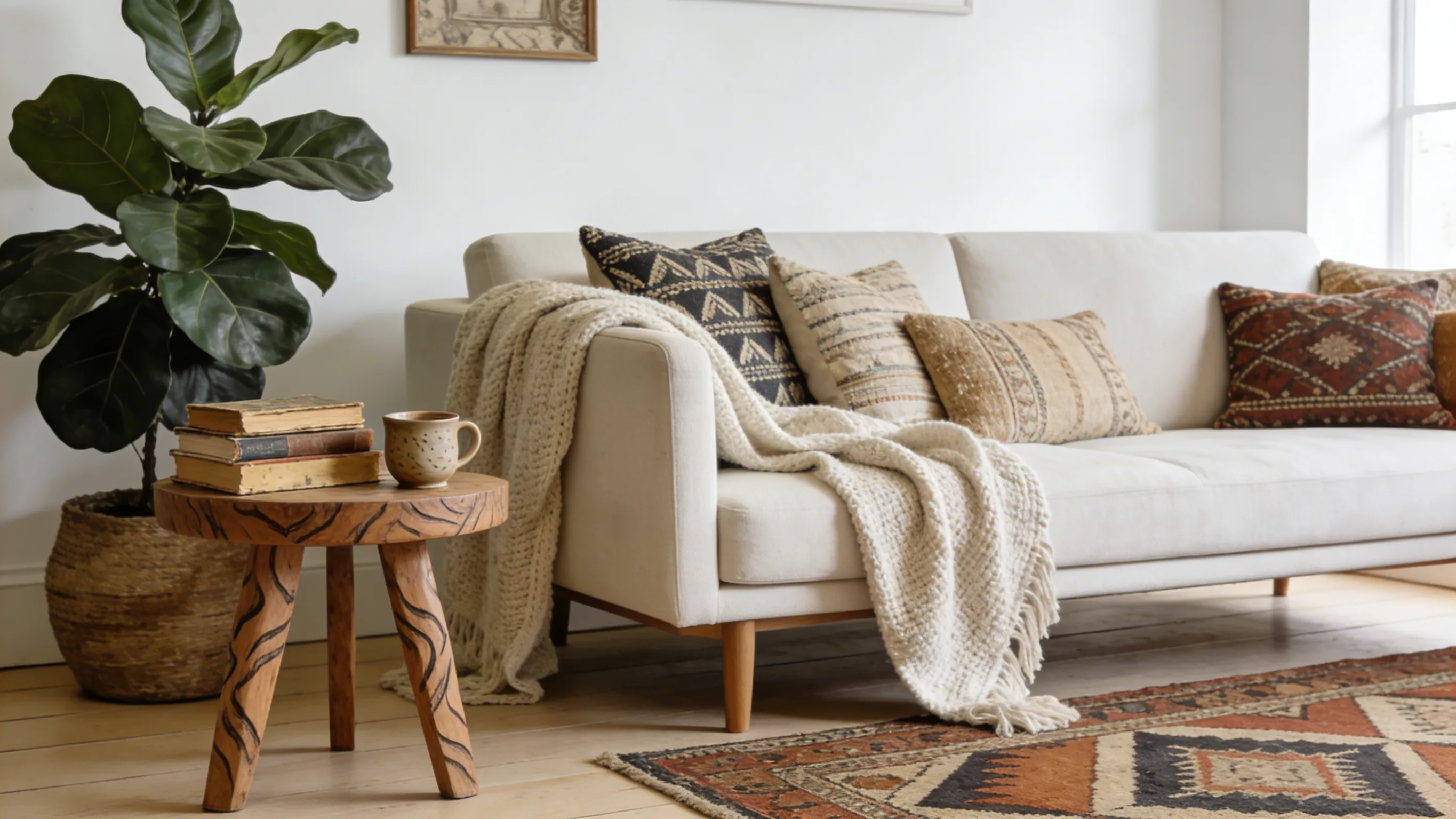
- Incorporate Global Elements: Introduce textiles, art, or pottery from cultures that resonate with you. Not only does this add visual interest, but it also makes your space uniquely yours.
- Embrace “Good Enough�?/strong>: Let go of the pressure for everything to match. A chipped enamel pitcher or a slightly off-center gallery wall can add character.
- Prioritize Function and Flow: Consider how each room serves your daily life. Maybe that means swapping a bulky farmhouse island for a modular kitchen setup or turning a formal dining area into a cozy reading nook.
The Emotional Resonance of Change
At its core, this evolution in design reflects a broader cultural moment—one that values authenticity over aesthetics, sustainability over trends, and individuality over conformity. As I left the expo, I overheard a couple discussing their plans to blend mid-century modern pieces with rustic accents they’d collected over years of hiking trips. Their excitement was palpable. They weren’t following a trend; they were crafting a home.
Perhaps the real takeaway isn’t that farmhouse style is “over,�?but that our relationship with it is maturing. We’re learning to borrow what we love—the warmth, the simplicity—and weave it into a richer, more personal tapestry. After all, as the ancient architect Vitruvius might have said if he were alive today, a home should possess not only commodity and firmness but also delight—a delight that comes from it being unmistakably, imperfectly, ours.