Creative
Elevate Your Living Room: A Guide to Today’s Must-Have Sofa Styles
Author: Emily Carter

The Heart of the Home
There’s something almost magical about a sofa. It’s where we collapse after a long day, where friends
gather for late-night conversations, and where Sunday afternoons dissolve into lazy naps. Yet, for
years, sofas were treated as mere functional objects—durable, yes, but rarely inspiring. Today, that’s
changing. As interior design trends evolve, sofas have emerged as statement pieces, blending aesthetics,
comfort, and sustainability in ways that redefine our living spaces.
According to a 2025 report by the Global Home Furnishings Association, nearly 68% of homeowners now
prioritize sofas that reflect their personal style over purely utilitarian designs. “The sofa is no
longer just a place to sit,�?notes renowned designer Elena Rossi. “It’s an expression of identity, a
centerpiece that sets the tone for the entire room.�?/p>
But with so many styles, materials, and innovations flooding the market, how do you choose the right
one? Let’s dive into the must-have sofa styles of 2025—a year where tradition meets innovation, and
comfort reigns supreme.
1. The Modular Revolution: Flexibility as a Lifestyle
Gone are the days of rigid, immovable sectionals. In 2025, modular sofas dominate, offering unparalleled
adaptability for modern living. Whether you’re hosting a movie night or rearranging your space for a
spontaneous gathering, modular designs like L-shaped configurations or customizable chaise lounges cater
to dynamic lifestyles.
Take, for example, the “NovaFlex�?series by Scandinavian brand Forma Living. Its interlocking modules
allow users to reconfigure the sofa in minutes—a feature that resonated with urban dwellers in small
apartments. “Modular sofas aren’t just furniture; they’re solutions,�?says Forma’s lead designer, Liam
Chen. “They grow with your needs, whether you’re moving to a new home or simply craving a fresh
layout.�?/p>
But it’s not just about practicality. Modular designs often incorporate plush, high-resilience foam and
sustainable materials like recycled polyester filling. As one study from the Sustainable Furnishings
Council highlights, 55% of consumers now actively seek eco-friendly options, driving brands to
prioritize both form and conscience.
2. Curved Silhouettes: Softening Modern Minimalism
Sharp angles and boxy frames are making way for gentle curves and organic shapes. Inspired by
mid-century design and a longing for softer aesthetics, curved sofas bring warmth to minimalist
interiors. Their flowing lines create an inviting atmosphere, encouraging relaxation and conversation.
I recall visiting a friend’s loft last month, where a crescent-shaped velvet sofa in emerald green
served as the room’s focal point. “It feels like a hug,�?she laughed, and she wasn’t wrong. Curved
designs, such as the “Arc�?collection by Italian brand Salvatori, often feature tapered legs and
sumptuous upholstery, blending retro charm with contemporary elegance.
However, some designers caution against overstatement. “Curved sofas work best in spacious
rooms,�?advises interior stylist Maria Lopez. “In tighter spaces, a semi-circular loveseat might offer
the same effect without overwhelming the area.�?It’s a reminder that trends should always serve the
space—not the other way around.
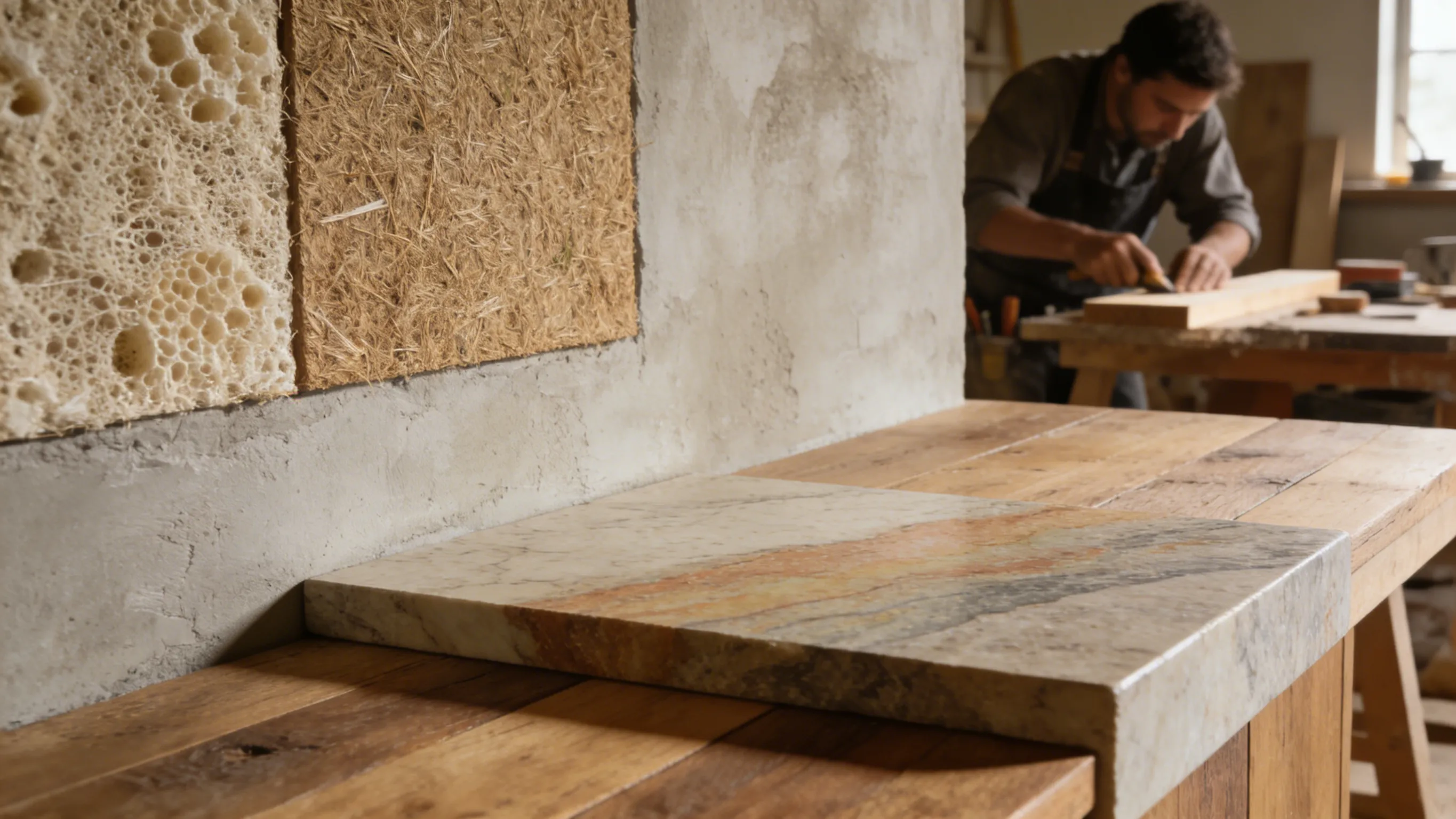
3. Sustainable Craftsmanship: Beauty with a Conscience
Sustainability isn’t a buzzword; it’s a non-negotiable. In 2025, eco-conscious sofas are celebrated for
their craftsmanship and ethical sourcing. Brands like Sabai and Medley lead the charge, using materials
such as FSC-certified wood, natural latex, and organic cotton.
One standout example is the “Earthly�?sofa by Medley, which boasts a frame made from reclaimed ash and
cushions stuffed with organic kapok fiber. “We’re seeing a shift toward ‘slow furniture,’�?explains
Medley’s founder, Rebecca Hayes. “People want pieces that tell a story—where every material has a
traceable origin.�?/p>
But sustainability extends beyond materials. Modular designs reduce waste by allowing parts to be
replaced individually, and companies like IKEA now offer sofa leasing programs to promote circularity.
As research from the Ellen MacArthur Foundation suggests, the circular economy could reduce furniture
waste by up to 30% by 2030.
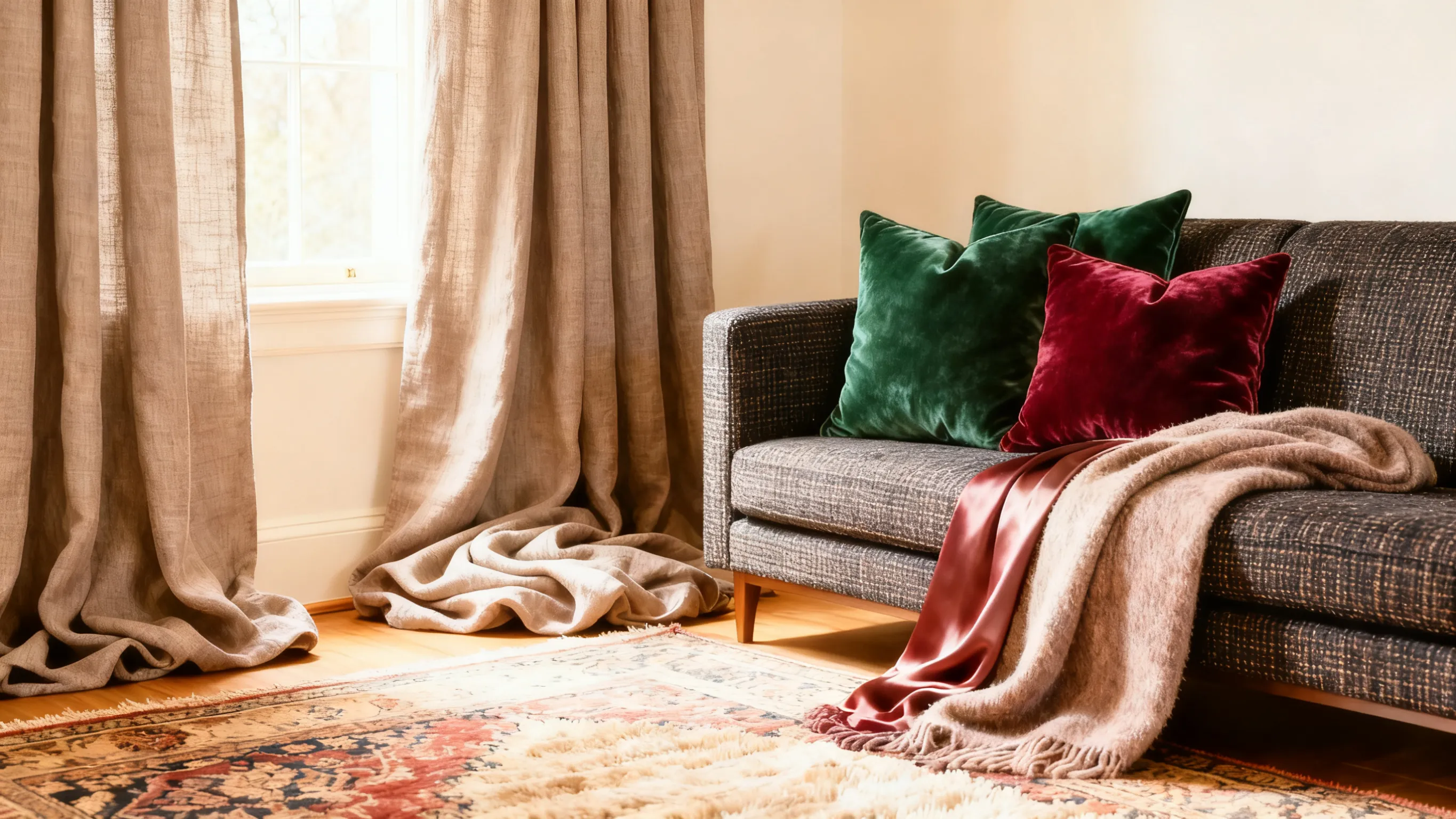
4. Bold Colors and Textures: Making a Statement
Neutral tones will always have their place, but 2025 invites risk-taking. Deep jewel tones—sapphire
blue, ruby red, and forest green—are trending, often paired with textured fabrics like bouclé, chenille,
or performance velvet. These materials aren’t just visually striking; they’re built to withstand daily
wear.
Performance fabrics, in particular, have revolutionized sofa design. Nanotechnology treatments repel
stains and moisture, making bold colors practical for families with children or pets. Brands like
Interior Define report a 40% increase in demand for customizable color options since 2023, reflecting a
growing desire for personalization.
Yet, as color psychologist Dr. Anika Patel notes, “Color choices are deeply personal. While bold hues
can energize a room, they should resonate with the occupant’s emotional needs.�?Perhaps that’s why many
designers recommend starting with a neutral base and introducing color through accessories or reversible
cushions.
5. Tech-Integrated Comfort: The Smart Sofa Era
Imagine adjusting your sofa’s firmness via an app or charging your devices wirelessly while you relax.
Tech-integrated sofas, once a novelty, are now mainstream. Features like built-in USB ports, adjustable
lumbar support, and even massage functions cater to our increasingly connected lives.
The “Zenith�?smart sofa by German brand Walter Knoll, for instance, includes sensors that monitor
posture and suggest adjustments to reduce back strain. While some critics argue that technology
complicates simplicity, proponents see it as a natural evolution. “Smart sofas bridge the gap between
furniture and wellness,�?says tech analyst Jordan Lee. “They’re designed to enhance daily living, not
distract from it.�?/p>
Still, it’s worth noting that not all innovations are universally embraced. A survey by Home Tech
Insights found that 32% of consumers prefer “unplugged�?furniture, valuing tactile experiences over
digital interfaces. The key, it seems, is balance.
6. Vintage Revival: Nostalgia Meets Modernity
Nostalgia is a powerful force in design, and 2025 sees a resurgence of vintage-inspired sofas. Think
reimagined Chesterfields with slimmer profiles, or �?0s-inspired modular pit sofas updated with
sustainable materials. These pieces blend historical charm with contemporary comfort, appealing to those
who crave character in their spaces.
I recently spoke with a couple in Brooklyn who restored a 1960s Danish sofa, reupholstering it with hemp
blend fabric. “It’s like giving new life to a piece of history,�?they shared. Vintage revival isn’t just
about aesthetics; it’s a rejection of disposable culture.
However, sourcing authentic vintage pieces requires patience and expertise. For those seeking a simpler
route, brands like Article and Joybird offer collections inspired by iconic designs, ensuring
accessibility without compromising style.
Conclusion: Your Sofa, Your Sanctuary
Choosing a sofa in 2025 is about more than filling a space—it’s about curating an experience. Whether
you’re drawn to the flexibility of modular designs, the elegance of curved silhouettes, or the
conscience of sustainable craftsmanship, today’s options empower you to create a living room that truly
reflects your values and lifestyle.
As we navigate an era of rapid change, perhaps the sofa remains a constant: a sanctuary where we pause,
connect, and recharge. So, take your time exploring these styles. Sit on them, imagine your life
unfolding around them, and remember—the best sofa isn’t just a trend; it’s the one that feels like home.