Creative
Easy DIY Drain Cleaning Hacks for a Fresh-Smelling Home
Author: Lauren Hayes

There’s something uniquely satisfying about a home that smells clean and fresh—a subtle, almost
invisible layer of comfort that greets you at the door. Yet, for many of us, that ideal is often
disrupted by an unwelcome guest: the faint, lingering odor from a clogged or sluggish drain. It’s not
just about inconvenience; it’s about the subtle erosion of daily comfort.
I remember one afternoon, after a long day, walking into my kitchen only to be met by a vague, sour
scent wafting from the sink. It wasn’t overpowering, but it was persistent—a quiet reminder of neglected
maintenance. That moment sparked a journey into the world of DIY drain cleaning, a realm where simple,
natural solutions can restore both flow and freshness.
Why Your Drain Smells—And Why It Matters
Before diving into solutions, it helps to understand what’s happening inside your pipes. Over time, food
particles, grease, soap scum, and hair accumulate, creating a breeding ground for bacteria. As organic
matter decomposes, it releases hydrogen sulfide gas—the culprit behind that unmistakable rotten-egg
smell. According to plumbing expert Maria Torres of HomeCare Solutions, “Slow drains aren’t just
annoying; they can indicate buildup that, left untreated, may lead to more serious blockages or even
pipe damage.�?/p>
Interestingly, not all clogs are created equal. Kitchen sinks often struggle with grease and food
debris, while bathroom drains battle soap and hair. Garbage disposals, meanwhile, can harbor food
remnants that decompose rapidly. Recognizing the source of the problem is the first step toward
addressing it effectively.
The Power of Prevention: Small Habits, Big Impact
Prevention, as the old adage goes, is better than cure. Simple daily practices can significantly reduce
the likelihood of drain issues. For instance, using a sink strainer to catch food scraps or hair can
make a world of difference. Avoid pouring fats or oils down the kitchen drain—instead, let them cool and
solidify before disposing of them in the trash.
Some experts, like those at the Global Home Maintenance Institute, suggest running hot water through
drains weekly to help dissolve minor grease buildup. It’s a small ritual, but one that pays dividends in
long-term drain health.
DIY Solutions: Harnessing Household Staples
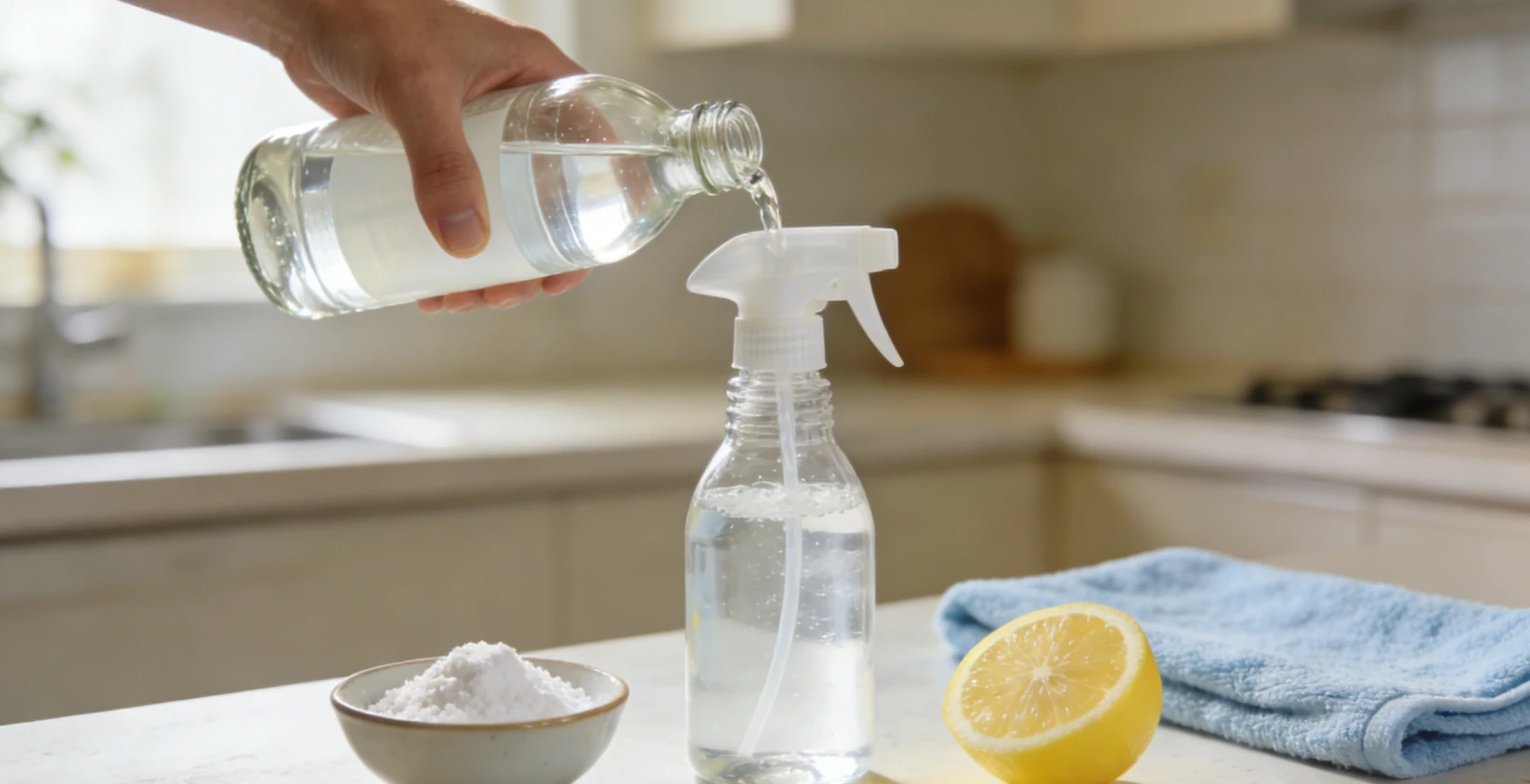
What makes DIY methods so appealing is their accessibility. Most require ingredients already in your
pantry, and they’re kinder to both your pipes and the environment compared to harsh chemical cleaners.
Below are a few tried-and-tested approaches, each with its own strengths.
1. The Classic Baking Soda and Vinegar Combo
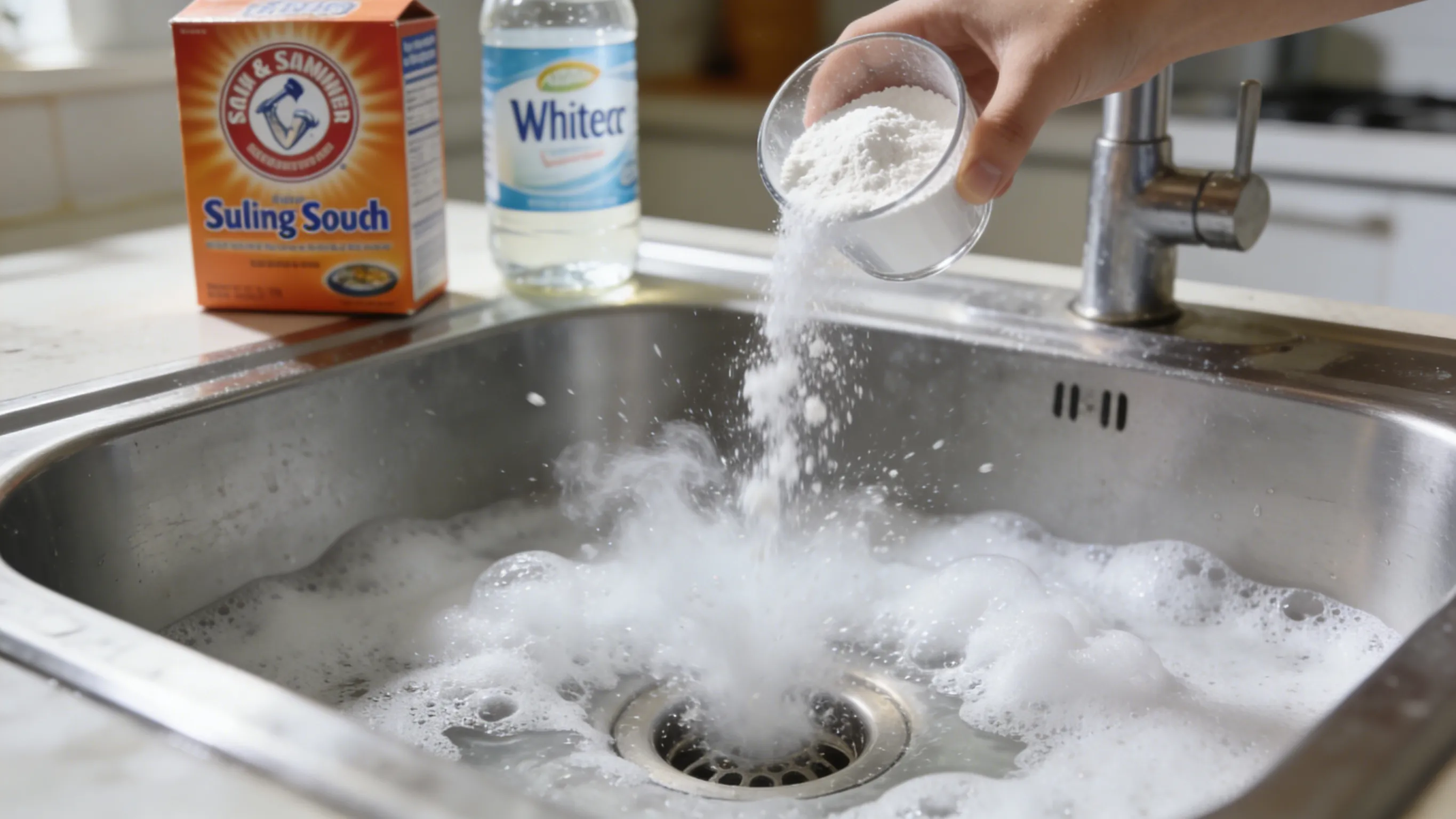
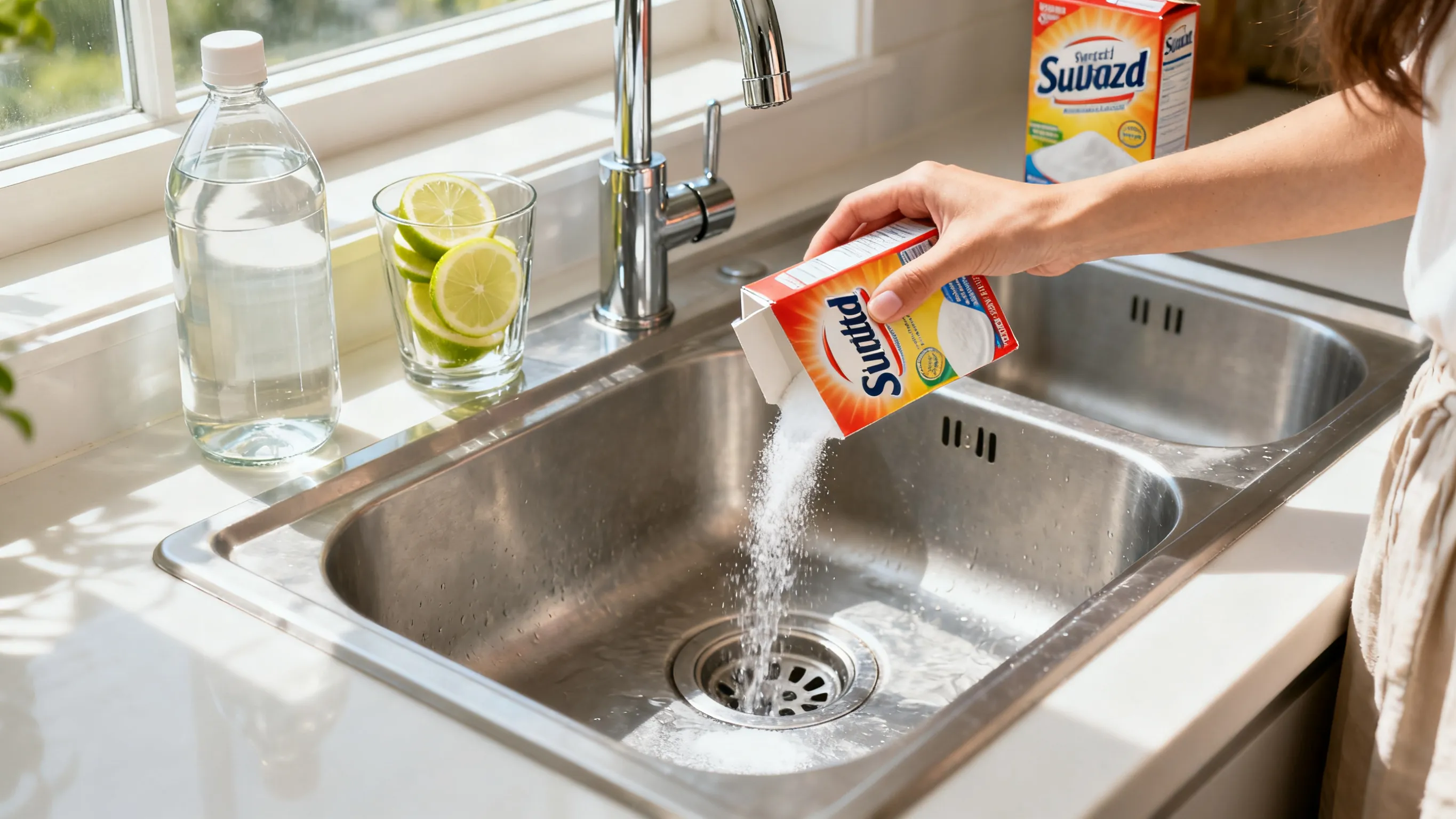
This dynamic duo has earned its reputation for a reason. Start by pouring half a cup of baking soda down
the drain, followed by an equal amount of white vinegar. The fizzing reaction helps break down grime and
dislodge minor clogs. Let it sit for 30 minutes, then flush with hot water.
For tougher cases, some homeowners swear by adding a half-cup of salt to the mixture, which may enhance
its abrasive properties. As one DIY enthusiast noted in a recent home care forum, “It’s like a science
experiment in your sink—and it works.�?/p>
2. Salt, Borax, and Vinegar for Stubborn Buildup
If baking soda alone doesn’t cut it, consider this stronger alternative. Mix a quarter-cup each of salt,
borax, and vinegar into a paste, then pour it down the drain. Let it sit for an hour before rinsing
thoroughly with boiling water. Borax, a natural mineral, has mild antibacterial properties that can help
neutralize odors.
That said, borax should be used sparingly and kept away from children and pets. As research from the
Eco-Friendly Cleaning Alliance highlights, “While effective, borax requires careful handling to ensure
safety.�?/p>
3. The Boiling Water Flush
Sometimes, the simplest solutions are the most effective. Boiling water can dissolve grease and flush
away loose debris, particularly in kitchen sinks. Pour a full kettle down the drain once a week as a
maintenance measure. Be cautious with PVC pipes, though—excessive heat can sometimes cause damage. When
in doubt, opt for very hot tap water instead.
4. Lemon and Ice for Garbage Disposals
For garbage disposals, freshness is key. Tossing a handful of ice cubes and a few lemon peels into the
disposal while running it can help sharpen the blades and eliminate odors. The citrus oils from the
peels leave a subtle, clean scent, while the ice dislodges stuck-on grime. It’s a quick, refreshing
trick that takes less than a minute.
When to Call a Professional
While DIY methods are excellent for maintenance and minor issues, there are times when professional help
is warranted. If you’ve tried multiple approaches without success, or if you notice water backing up in
multiple drains, it might be time to call a plumber. Persistent odors could also indicate a more serious
problem, such as a broken or misaligned pipe.
As John Keller, a master plumber with 20 years of experience, explains, “Home remedies are great for
surface-level issues, but deeper blockages often require specialized tools like drain snakes or
hydro-jetters.�?/p>
The Bigger Picture: Eco-Friendly Drain Care
Increasingly, homeowners are thinking beyond immediate fixes to the broader environmental impact of
their choices. Harsh chemical cleaners, for example, can corrode pipes over time and introduce toxins
into water systems. In contrast, DIY methods tend to be gentler and more sustainable.
Studies from the Green Home Institute suggest that regular use of natural cleaners may extend the
lifespan of plumbing systems while reducing chemical runoff. It’s a small but meaningful way to
contribute to a healthier home—and planet.
A Personal Reflection
I’ll admit, my initial foray into drain cleaning felt like a chore. But over time, it became something
more—a ritual of care for the space I inhabit. There’s a quiet satisfaction in knowing that the simple
act of pouring baking soda down a drain can restore not just flow, but peace of mind.
Perhaps that’s the real secret: a fresh-smelling home isn’t just about eliminating odors. It’s about
creating an environment where small acts of maintenance add up to a larger sense of well-being. And in a
world that often feels chaotic, that’s a comfort worth cultivating.
Final Thoughts
Drain maintenance may not be the most glamorous topic, but its impact on daily life is undeniable. With
a handful of household ingredients and a bit of know-how, you can tackle common issues before they
escalate. Remember, the goal isn’t perfection—it’s progress. Whether you’re dealing with a slow-draining
sink or simply aiming to keep your home smelling its best, these DIY hacks offer a practical, affordable
starting point.
So the next time you catch a whiff of something off near your sink, don’t reach for the chemical
cleaners just yet. Try one of these gentle, effective methods instead. Your nose—and your pipes—will
thank you.