Creative
Curated Spaces: How to Master the Art of Displaying Collectibles
Author: Emily Carter

The morning light slants through my kitchen window, catching the edge of a single, chipped turquoise plate. It’s not part of a set. It was found, years ago, in a dusty corner of a Marrakech souk, its price haggled over with gestures and broken French. For a long time, it lived in a cupboard. Now, it sits alone on a floating shelf, a daily reminder of a specific heat, a specific smell of spices, a specific moment of discovery. This, I’ve come to understand, is the quiet power of the curated space: it’s not about filling shelves, but about orchestrating memory, narrative, and personal history into the very fabric of our daily lives.
We are, by nature, collectors. From childhood rocks and shells to adult pursuits of mid-century modern ceramics or first-edition novels, we gather objects that speak to us. Yet, the transition from accumulation to curation is where true style—and soul—resides. The contemporary home is shifting away from the sterile, showroom-perfect aesthetic of the past decade. As design psychologist Dr. Sally Augustin notes in her research on person-centered design, “Our surroundings directly impact our cognitive and emotional states. Objects with personal meaning aren’t just decor; they are anchors of identity and well-being.�?The trend is no longer toward minimalism for its own sake, but toward meaningful maximalism—a deliberate, thoughtful composition of the things we love.
So, how does one master this art? It begins with a fundamental rethinking of the display itself.
The Philosophy of "Why": Intentionality Over Inventory
Before placing a single item, pause. Ask the core question: Why does this object deserve a place in my visual field? Is it purely aesthetic—the perfect curve of a 1970s Italian glass vase? Is it sentimental—your grandfather’s weathered drafting tools? Or is it intellectual—a collection of geodes that narrates the earth’s history? Perhaps, like my Moroccan plate, it’s all three. The goal is not a museum archive but a personal gallery where every piece earns its spot. This intentionality is the first step away from clutter and toward curation. As renowned interior stylist Hans Blomquist often emphasizes, “A collected home feels layered and lived-in because it tells a story slowly, piece by piece, not all at once in a shout.�?/p>
Principles of Visual Harmony: The Unseen Framework
With your “why�?established, the “how�?relies on timeless principles of design, applied with a curator’s eye.
1. The Power of Grouping: Creating Visual Cohorts A single seashell can look lost. Twelve, arranged by size, color, or type, become a statement. Grouping is the most potent tool in the curator’s kit. It creates impact and order. Consider thematic grouping—all your black-and-white photography together. Or material grouping—a shelf dedicated to the warm patinas of brass and copper. Color grouping is particularly effective for creating bold, gallery-like moments. Imagine a bookshelf where one section is populated solely by objects in varying shades of cobalt blue: a vintage bottle, a ceramic bowl, the spine of a specific book. The collective effect is far greater than the sum of its parts.
2. The Dynamic of Scale and Height A flat landscape is boring to the eye. So is a shelf where every object is the same height. Play with scale. Anchor a grouping with one large, substantial item—a hefty art book, a substantial sculpture. Then, layer in medium and small pieces. Use stands, risers, or even a stack of books to give a smaller item presence. This creates rhythm and movement, guiding the viewer’s gaze on a mini-journey across the display. Don’t underestimate negative space—the empty canvas around your objects. It provides breath, allows each piece to be seen, and is, as many architects argue, as important as the objects themselves.
3. The Dialogue of Contrast Curating is about creating compelling conversations between objects. Pair the rough with the smooth: a jagged piece of driftwood next to a sleek, glazed pot. Juxtapose the old and the new: a contemporary abstract painting leaning against a centuries-old wooden chest. This tension is what makes a display feel alive and considered, not staged. It reflects the complexity of our own tastes and histories.
4. The Thoughtful Container: Shelves, Cabinets, and Walls Your display surfaces are the stage. Open shelving, in a kitchen or living area, turns everyday items into sculptural displays. But beware—it requires discipline. Glass-front cabinets offer a perfect middle ground, protecting delicate items from dust while keeping them visible. Picture ledges allow for easy, changeable arrangements of art, plates, or small objects. Shadow boxes or deep-set frames are ideal for precious, smaller collections like medals, insects, or typographic prints, giving them a dedicated, protected universe.
Curating Different Types of Collections: From Books to Bottlecaps
The principles adapt to your collection’s nature.
- Books: Move beyond strict height order. Sort by color for a dramatic rainbow effect, or by topic for a more scholarly feel. Mix horizontal and vertical stacks. Place a small object—a vase, a fossil—on top of a pile to break the line. As writer and bibliophile Anne Fadiman muses, “A library’s arrangement is a map of its owner’s mind.�?Let yours be an intriguing one.
- Ceramics & Pottery: These are sculptural. Highlight their forms. Dedicate a whole wall to a “pottery grid,�?hanging plates and platters of various sizes. Cluster vases on a mantel, focusing on the interplay of their silhouettes. Let a single, exceptional bowl command the center of a dining table.
- Art & Prints: The salon-style hang is the ultimate curation challenge. Start with your largest piece as an anchor. Build outwards, mixing frames (thin, thick, wood, metal) and subjects (portraits, landscapes, abstracts). Lay everything out on the floor first to experiment. The# Curated Spaces: How to Master the Art of Displaying Collectibles
The morning light slants through my kitchen window, catching the edge of a single, chipped teacup. It’s not part of a set. It sits alone on a shelf, a quiet sentinel from my grandmother’s house. For years, it was just a cup. Then, one day, placed intentionally against a backdrop of plain white subway tile, it transformed. It became a memory, a focal point, a story. This, perhaps, is the quiet magic of the curated space: the alchemy that turns a collection of objects into a narrative of who we are.
We are living in an era defined by a paradoxical relationship with stuff. The minimalist purge still echoes in our cultural consciousness, a reaction to decades of unchecked accumulation. Yet, simultaneously, a powerful counter-movement is taking root. It’s not about hoarding, but about meaningful acquisition. It’s the rise of the "conscious collector." We are no longer interested in filling our homes with anonymous, mass-produced items. Instead, we seek pieces with provenance, with texture, with a soul—whether that’s a vintage vinyl record that tells of a specific summer, a piece of hand-thrown pottery from a local artisan, or a shell collected on a windswept beach. The challenge, and the art, lies not in the finding, but in the framing. How do we display these treasures so they sing rather than shout, so they create harmony instead of visual chaos?
The Philosophy of the "Edited" Home
Before we arrange a single object, we must confront the underlying philosophy. Interior designer and author Justina Blakeney often speaks of the "maximalist" approach not as clutter, but as "layered authenticity." The goal isn't to showcase everything you own all at once. Think of your home as a gallery with a rotating exhibition. The first, and most crucial, step is the edit.
Pull all the items you consider part of a collection or worthy of display. Lay them out on a large table. This is your curation table. Now, be ruthlessly subjective. Which pieces spark immediate joy, as Marie Kondo might ask? Which ones hold the strongest memory or aesthetic appeal? Group them not just by type, but by feeling or color story. You may discover that your collection of blue Japanese transferware plates has more visual power when paired with a few pieces of indigo-dyed fabric and a cobalt glass vase than it does sitting with all your other ceramics. This process of selection and grouping is the curator’s primary tool. As Blakeney notes, "It’s about creating a vibe, a feeling. The objects are the words, and you’re writing the sentence."
Principles of Powerful Display: Beyond the Shelf
Once you have your "star players" selected, it’s time to consider stagecraft. The principles of art and design—balance, scale, contrast, and negative space—are your guides here.
1. The Power of Negative Space: This is the single most overlooked element in amateur displays. A crowded shelf of equally spaced kn# Curated Spaces: How to Master the Art of Displaying Collectibles
The morning light slants through my kitchen window, catching the edge of a single, chipped teacup. It’s not part of a set. It sits alone on the open shelf, a relic from a Paris flea market, its gold filigree warmed by the sun. For years, it lived in a cabinet, unseen. Now, it’s the first thing I see with my coffee—a small, daily joy. This, perhaps, is the quiet heart of modern collecting: not amassing for prestige, but curating for connection. Our homes have become our ultimate galleries, and the objects we choose to display are the narrative of who we are, where we’ve been, and what we find beautiful. The sterile, showroom-perfect aesthetic is receding, making way for what design thought leader Maxwell Ryan, founder of Apartment Therapy, calls the “soulful home.�?/strong> This is the art of the curated space, a deliberate practice that transforms a collection from clutter into a cohesive, personal sanctuary.
Gone are the days of the dedicated, stuffy “display cabinet.�?Today’s approach is integrative, dynamic, and deeply personal. It’s a philosophy that borrows as much from museum conservation as it does from the intuitive arrangement of a beloved bookshelf. The goal is no longer to simply show your possessions, but to let them speak, to create dialogues between objects, and between those objects and the space they inhabit. As interior stylist and author Frida Ramstedt notes in her latest work, the trend is a decisive move away from fast decor and toward “slow interiors,�?/strong> where every item has intention and resonance. This isn’t about minimalism versus maximalism; it’s about meaningfulness versus noise.
So, how does one begin to master this art? The journey starts not at the store, but with a ruthless, loving edit.
The Foundational Edit: Cultivating Intentionality
Before a single shelf is styled, the most crucial work happens in the heart and the hands. It’s the process of curation in its purest form. Pull everything from its hiding place—the vintage cameras, the sea glass gathered over a decade of summers, the first editions, the ceramic vases from a long-ago trip to Portugal. Lay them out. Hold each one. Does it spark a genuine memory? Does its form or texture bring you quiet pleasure? If the answer is muted or requires justification, its place in your daily visual landscape may be reconsidered.
This edit is less about creating space and more about clarifying voice. A recent study published in the Journal of Environmental Psychology found a correlation between “object attachment�?and perceived home quality. The key, however, was that the attachment needed to be positive and personal, not obligatory. The heirloom you feel you must display can become visual static, while the oddly shaped rock your child gave you can be a treasure. The edit pares your collection down to its most resonant core, ensuring that what remains is there because you truly love it, not because it fills a hole.
The Principles of Visual Poetry: Arrangement as Narrative
With your curated collection assembled, the act of display becomes a form of visual storytelling. This is where principles of design intersect with personal narrative. Think of your shelves, mantel, or wall as a canvas.
- The Power of Grouping: Isolation can be powerful for a singular, monumental piece, but often, objects gain meaning in conversation with others. Create vignettes. Group by color for a bold, graphic statement—a cluster of blue-and-white ginger jars, for instance. Group by material for a tactile, serene effect: a tableau of worn leather books, a brass candlestick, and a smooth wooden bowl. Or, group by theme—all your travel souvenirs from Japan together—to tell a specific chapter of your story. The magic often happens in the "rule of threes," an odd number of items creating a more dynamic and naturally balanced composition than even pairs.
- Scale, Height, and Depth: A flat plane is visually monotonous. Introduce drama and rhythm by playing with scale. Place a tall, slender vase next to a short, squat sculpture. Use stacks of books as pedestals to elevate smaller items, giving them importance and creating varying sight lines. Don’t forget depth; push some items to the back of a shelf and let others come forward. This creates layers for the eye to travel through, adding richness and preventing a two-dimensional, staged look.
- Negative Space is Your Ally: In our eagerness to display, we often forget the power of emptiness. “Breathing room is not wasted room,�?observes architect John Pawson, a master of space and light. A single, exquisite piece given ample space around it commands far more attention than a dozen crowded together. Negative space allows each object its moment, prevents visual fatigue, and contributes to a feeling of calm and order. It’s the silence between the musical notes.
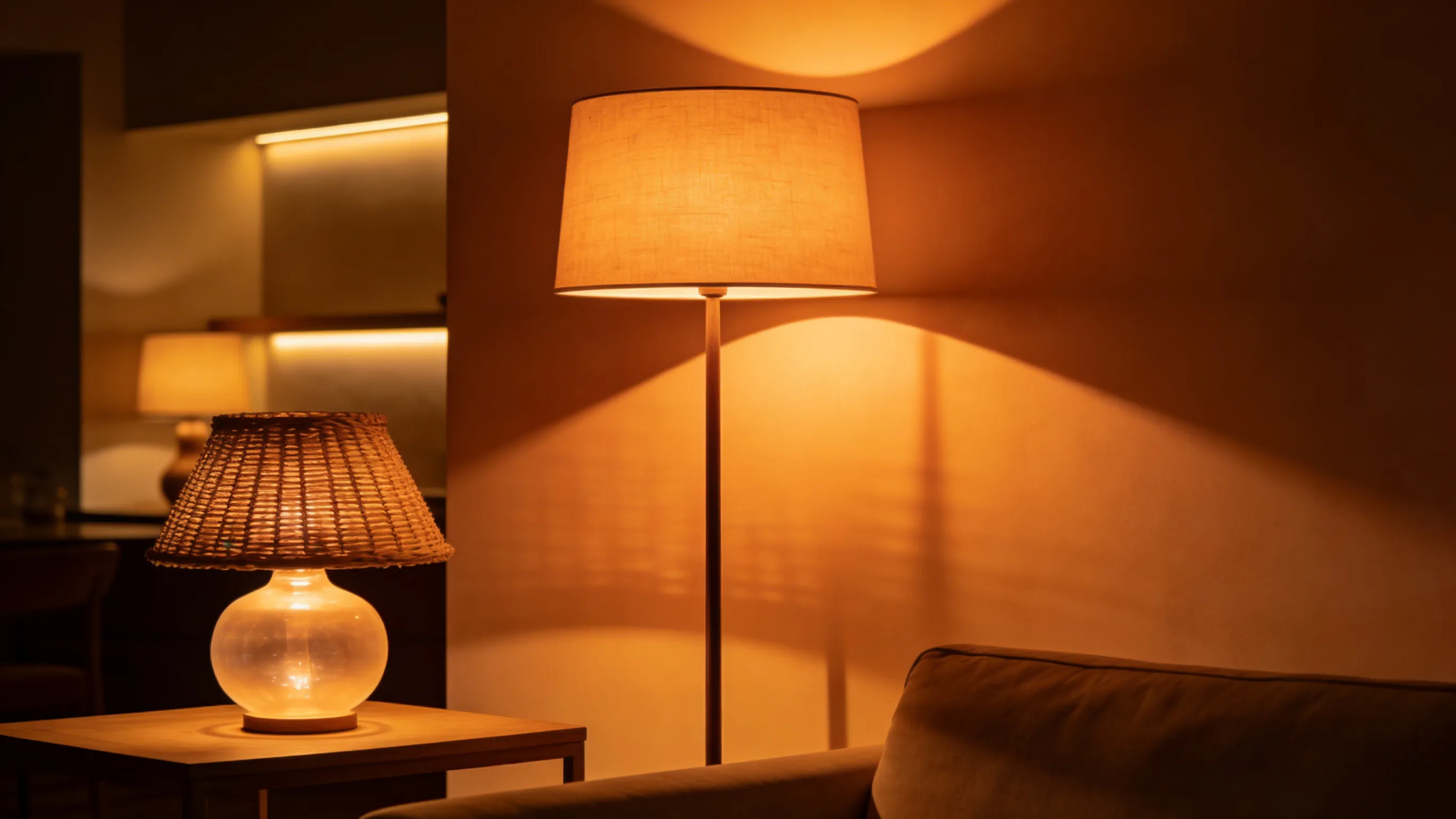
- The Lighting Chapter: All the careful arrangement in the world falls flat under harsh, overhead lighting. Lighting is the final, transformative edit. Use it to sculpt. A focused picture light can dramatize a painting or a shelf arrangement like a stage spotlight. A small, concealed LED strip inside a cabinet can make glassware glow. The warm, diffuse glow from a table lamp can soften a collection of hard-edged mid-century modern objects. Consider light as your paintbrush, highlighting textures, casting intriguing shadows, and setting a time-of-day specific mood.
Beyond the Shelf: Integrative and Unexpected Display
The modern curated home thinks beyond traditional surfaces.
- The Gallery Wall, Evolved: The salon-style gallery wall remains popular, but the trend is toward more eclectic, personal curation. It’s no longer just framed art. As seen in platforms like Pinterest and Instagram, the most compelling walls mix paintings with children’s drawings, vintage plates, small textile pieces, sculptural objects, and even framed pressed leaves or butterflies. The unifying elements are often the frames (consistent color or material) or a subtle tonal palette within the artworks themselves. The effect is less formal gallery, more intimate journal.
- Collections as Functional Art: Why hide what you use and love? Arrange your collection of colorful, mismatched Fiestaware on open kitchen shelves. Hang your vintage wooden tennis rackets in a geometric pattern on the wall of a home office. Stack your antique leather suitcases in a corner to serve as a unique side table. This approach celebrates the beauty of utility and integrates your passions seamlessly into daily life.
- The "Under Glass" Revival: The cloche, the bell jar, the simple glass dome—these are having a moment. They provide a perfect micro-environment for displaying fragile, tiny, or exceptionally precious items: a single bird’s nest, a mineral specimen, a pair of great-grandmother’s earrings. It’s a way to bestow museum-like importance on a small treasure, protecting it from dust while making it a focal point. It creates a moment of pause and reverence.
The Living Collection: Embracing Impermanence
Finally, the most human element of a curated space is its willingness to change. A home is not a museum exhibit sealed on opening day. It is a living entity. Part of the philosophy behind the "slow interior" movement is the acceptance of impermanence and evolution. Rotate your collections seasonally. The seashells might come out in summer, replaced by woven textiles and deeper-hued ceramics in autumn. Swap the art between rooms. Add a new find from a weekend antiquing trip and let it displace something else for a while.
This fluidity keeps your environment fresh and engaging, both for you and for guests. It allows your displays to reflect not just who you were, but who you are becoming. It acknowledges that our tastes evolve, our journeys continue, and our homes should have the grace to evolve with us.
The art of displaying collectibles, then, is ultimately the art of crafting a personal sanctuary. It is an ongoing practice of mindful selection, creative arrangement, and emotional editing. It asks us to look beyond trends and value metrics, and to listen instead to the quiet pull of memory, texture, and form. It turns our homes into curated spaces that don’t just house our lives, but actively enrich them, telling our unique stories one carefully considered, lovingly placed object at a time. In the end, that chipped teacup in my kitchen isn’t just porcelain; it’s a morning reminder of a Parisian sky, a moment of discovery, and the simple, profound joy of being surrounded by pieces of a life, intentionally chosen.