Creative
Clever Storage Solutions to Improve Your Existing Furniture
Author: Daniel Brooks

When we think of home organization, our minds often jump to buying new furniture—a sleek cabinet, a
modular shelving unit, or a bed with built-in drawers. But what if the key to a more organized home
isn’t about adding more, but optimizing what you already own?
Take Sarah, a freelance graphic designer living in a 600-square-foot apartment in Brooklyn. Her
workspace doubled as her dining area, and clutter seemed to multiply overnight. “I felt like I was
drowning in cables, sketchbooks, and random knick-knacks,�?she recalls. Instead of investing in new
storage furniture, she decided to rethink her existing pieces. A simple IKEA desk, once a flat surface
for her laptop, became a hub of hidden compartments with the addition of adhesive drawer units and cable
management clips. The transformation didn’t just clear physical space—it cleared mental clutter, too.
Stories like Sarah’s aren’t uncommon. In fact, a study by the National Association of Professional
Organizers found that individuals who repurpose their existing furniture for storage report a 30%
reduction in daily stress. But how can you replicate this success in your own home?
Rethinking Vertical Space
One of the most overlooked areas in furniture optimization is vertical space. Bookshelves, for instance,
often serve as static displays for books and decor. Yet, with a few adjustments, they can become dynamic
storage systems.
Consider installing tension rods between shelves to hang folders, magazines, or even kitchen utensils.
This approach, popularized by Japanese organizing consultant Marie Kondo, maximizes unused airspace
without compromising aesthetics. Similarly, adding stackable bins or baskets to the top shelf of a
bookcase can store seasonal items like holiday decorations or winter accessories—items you don’t need
daily but want to keep accessible.
Architect and small-space design expert Emily Henderson notes, “People often forget that storage doesn’t
have to be at eye level. By utilizing the full height of a room, you effectively double your storage
capacity.�?/p>
The Magic of Modular Inserts
Not all storage solutions require DIY skills. Modular inserts—such as drawer dividers, shelf risers, and
under-bed containers—can revolutionize how you use existing furniture.
For example, a standard wardrobe can be transformed with modular hanging organizers for shoes, handbags,
or accessories. Companies like The Container Store offer customizable systems that fit into most
furniture frames, allowing you to compartmentalize without permanent alterations. Research from the Home
Organization Institute suggests that modular inserts can increase functional storage space by up to 40%,
making them a cost-effective alternative to custom-built solutions.
Hidden Storage: The Art of Disguise
Sometimes, the best storage is invisible. Think about the space under your sofa or bed—often a black
hole for dust bunnies and lost remote controls. But with the right tools, these areas can become
valuable real estate.
Low-profile rolling bins, for instance, can slide effortlessly under most beds, providing a discreet
home for linens, out-of-season clothing, or hobby supplies. Similarly, hollow ottomans or benches with
lift-up lids offer dual functionality: seating and storage. As interior designer Nate Berkus once
remarked, “The most elegant solutions are often the ones you don’t see.�?/p>
Repurposing with Purpose
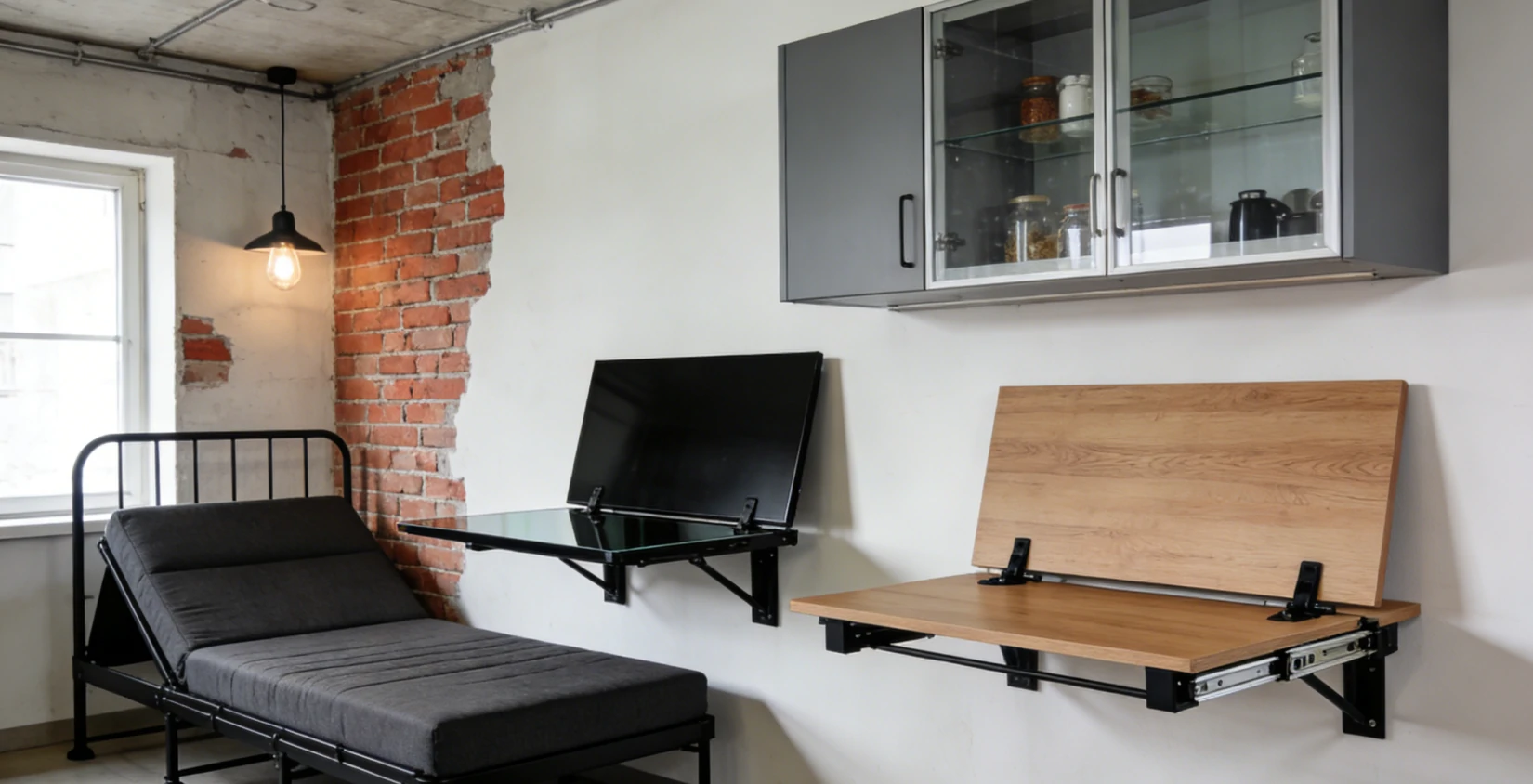
What about furniture that seems to have a single, fixed function? A dining table, for instance, is
typically just a surface for meals. But with the addition of a cloth skirt or a custom-built shelf
underneath, it can conceal everything from tableware to board games.
Repurposing isn’t limited to large pieces, either. An old ladder can become a rustic blanket rack; a
vintage suitcase might serve as a side table with hidden storage. The key is to see furniture not for
what it is, but for what it could be.
The Psychological Impact
Beyond practicality, clever storage solutions can profoundly impact well-being. Dr. Carla Marie Manly, a
clinical psychologist specializing in environmental psychology, explains, “Clutter often creates
subconscious anxiety. When we organize our surroundings, we create a sense of order that translates to
mental clarity.�?/p>
This sentiment is echoed in the growing trend of “conscious living,�?where individuals prioritize
intentionality over accumulation. By improving existing furniture, we not only reduce waste but also
cultivate a deeper connection to our homes.
A Note on Sustainability
In an era of fast furniture, where items are discarded after minimal use, optimizing existing pieces is
also an act of sustainability. The Environmental Protection Agency estimates that furniture waste
accounts for nearly 10 million tons of landfill material annually. By extending the life of our
furniture through creative storage solutions, we contribute to a more circular economy—one where
resources are valued and waste is minimized.
Getting Started
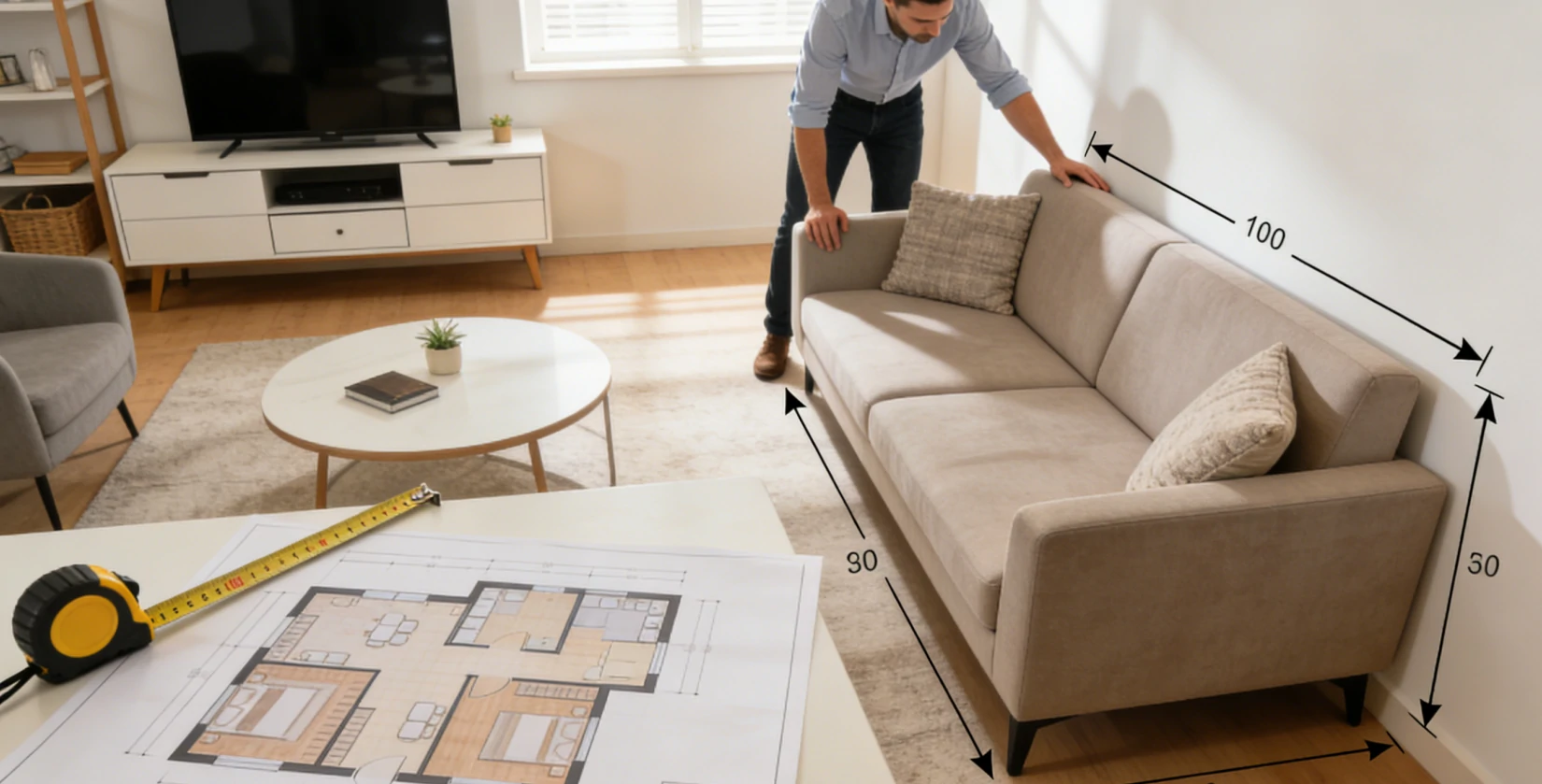
Ready to transform your furniture? Start with a single problem area—a cluttered desk, an overflowing
closet, or a chaotic living room corner. Assess what you already own and identify its untapped
potential. Measure spaces, research modular products, and don’t be afraid to experiment.
As organizing expert Peter Walsh advises, “Organization isn’t about perfection; it’s about
progress.�?Whether it’s adding hooks to the inside of a cabinet door or installing a sliding tray under
your sink, small changes can yield significant results.
In the end, improving your furniture isn’t just about creating more storage—it’s about creating more
room to live. And perhaps that’s the most clever solution of all.