Creative
Breaking Up Uniformity: Mixing Styles with Midcentury Modern
Author:
Sarah Mitchell

In the world of interior design, few eras have left as indelible a mark as the mid-20th century.
Midcentury Modern, with its clean lines, organic curves, and functional elegance, has become a timeless
favorite. Yet, as design enthusiasts increasingly seek to break free from the monotony of uniform
aesthetics, a new trend is emerging: blending Midcentury Modern with disparate styles to create spaces
that are both nostalgic and refreshingly unique. This isn’t about haphazardly throwing together
furniture from different eras; it’s a thoughtful, almost artistic endeavor to craft interiors that tell
a story. As one designer aptly noted, “The most compelling rooms are those that feel collected over
time, not decorated in a day.�?/p>
The Allure of Midcentury Modern: A Brief Retrospective
To understand why Midcentury Modern works so well in eclectic settings, it’s essential to revisit its
origins. Emerging in the post-World War II era, this style was a response to the need for practicality,
affordability, and a connection to nature. Designers like Charles and Ray Eames, Arne Jacobsen, and Eero
Saarinen championed forms that were both utilitarian and beautiful. Their creations—whether the iconic
Eames Lounge Chair or the fluid lines of the Tulip Table—embodied a sense of optimism and innovation.
What makes Midcentury Modern so versatile, perhaps, is its emphasis on simplicity. Its minimalist
foundation allows it to serve as a neutral canvas, ready to interact with more ornate or contrasting
elements. Think of it as the quiet companion in a conversation, one that knows when to speak and when to
listen.
Why Mix Styles? The Psychology of Eclectic Design
Humans, by nature, crave variety. A home that adheres too strictly to one style can feel sterile, almost
like a museum exhibit rather than a lived-in space. Research in environmental psychology suggests that
varied visual stimuli can enhance creativity and reduce mental fatigue. In other words, mixing styles
isn’t just an aesthetic choice—it’s a well-being strategy.
Consider the experience of walking into a room where a sleek, low-profile Midcentury sofa sits beside a
heavily carved Victorian bookshelf. The juxtaposition creates a dynamic tension, inviting the eye to
wander and the mind to engage. It’s this very tension that makes eclectic design so compelling. As one
interior psychologist observed, “Spaces that balance order and surprise resonate deeply with our innate
desire for both stability and exploration.�?/p>
Practical Pairings: Midcentury Modern Meets the World
1. Midcentury Modern and Industrial
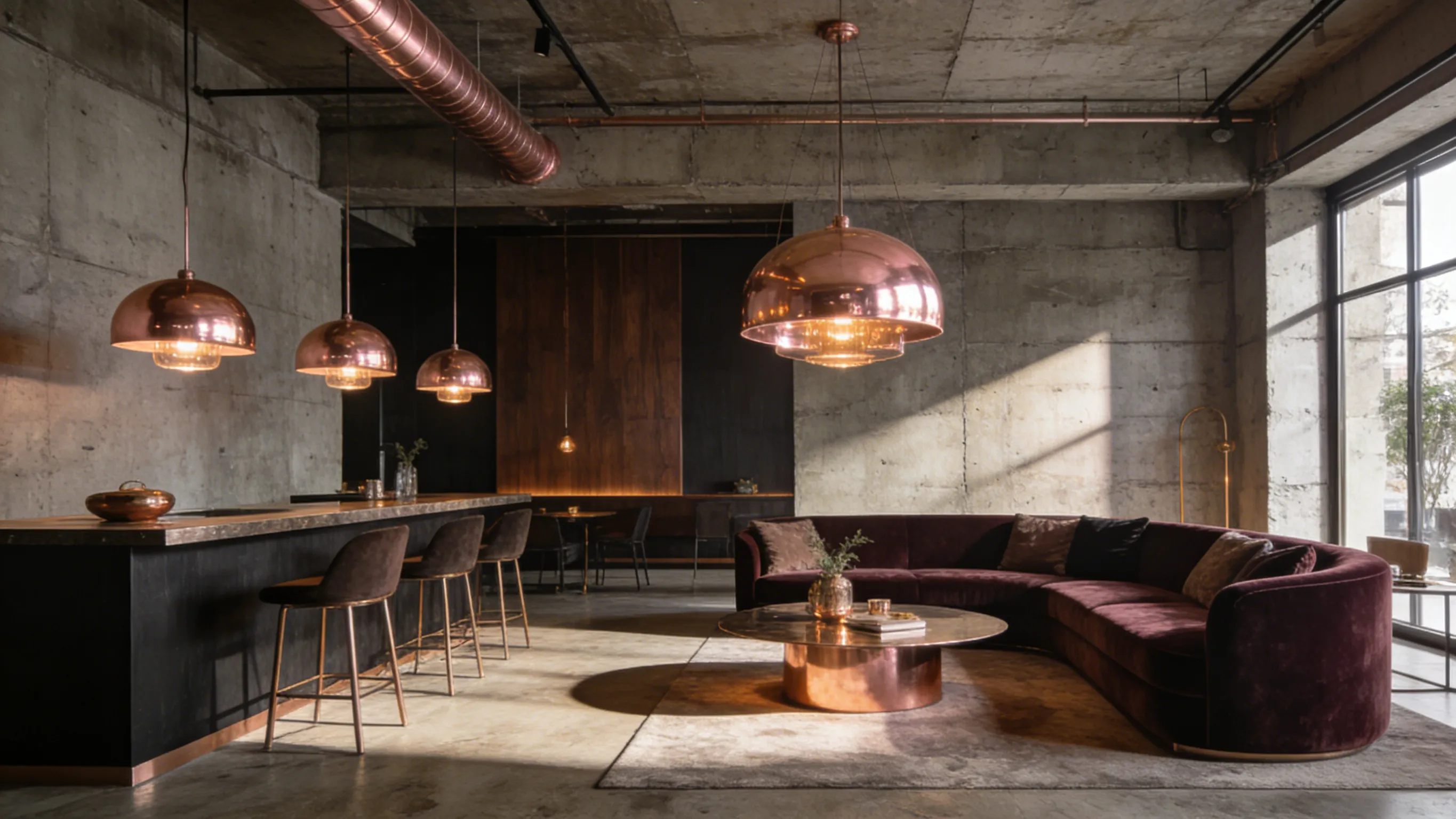
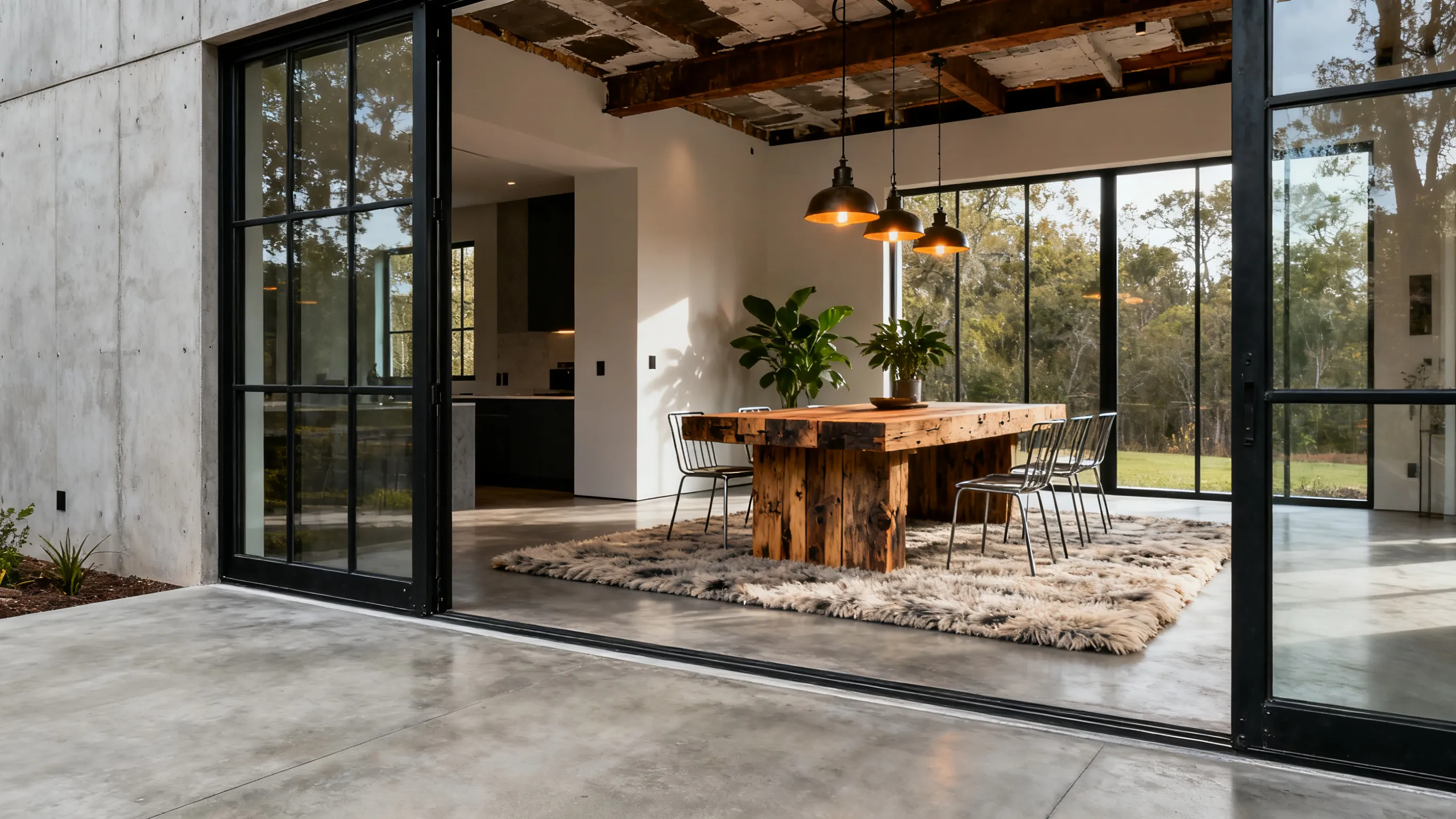
The raw, unfinished appeal of Industrial design—exposed brick, metal fixtures, and reclaimed wood—might
seem at odds with Midcentury Modern’s polished surfaces. Yet, the two styles share a common reverence
for functionality and honesty in materials. Pairing an Eames rocker with a steel-framed factory window
used as a room divider can create a dialogue between refinement and ruggedness. The key, perhaps, lies
in balancing warmth and coolness: introduce soft textiles, like a shag rug or knitted throw, to prevent
the space from feeling too austere.
2. Midcentury Modern and Bohemian
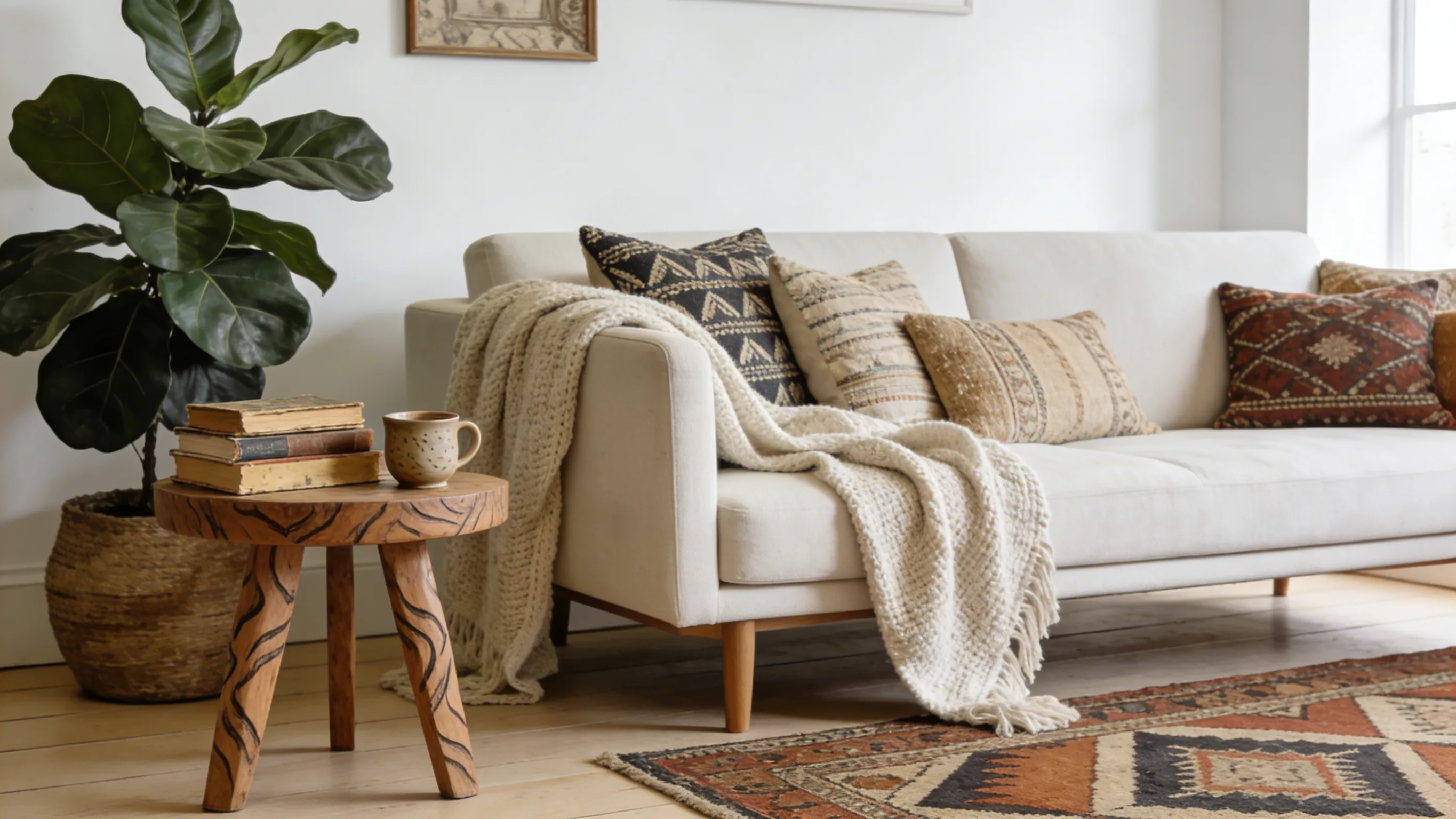
Bohemian style, with its layered textures, global influences, and whimsical details, offers a delightful
counterpoint to Midcentury Modern’s structured simplicity. Imagine a George Nelson clock hanging above a
vibrant kilim rug, or a Saarinen womb chair draped with a Moroccan blanket. The result is a space that
feels both curated and carefree. Some designers caution against overdoing it—too many patterns can
overwhelm the clean lines of Midcentury pieces—but when done right, the fusion evokes a sense of
wanderlust and creativity.
3. Midcentury Modern and Traditional
At first glance, blending Midcentury Modern with Traditional elements—think ornate moldings, classic
wingback chairs, and Persian rugs—might appear contradictory. Yet, this combination can yield
surprisingly harmonious results. The secret lies in finding common ground: both styles value
craftsmanship and timelessness. A Hans Wegner wishbone chair placed at a rustic farmhouse table, for
instance, creates a narrative of continuity between eras. It’s a reminder that good design transcends
temporal boundaries.
The Art of Balance: Tips for Successful Style Mixing
- Anchor with Neutrals
-
Start with a neutral color palette—whites, grays, and warm woods—to create cohesion. Midcentury
Modern’s affinity for natural materials like teak and walnut provides a perfect foundation. From
there, introduce accents from other styles sparingly.
- Play with Scale and Proportion
-
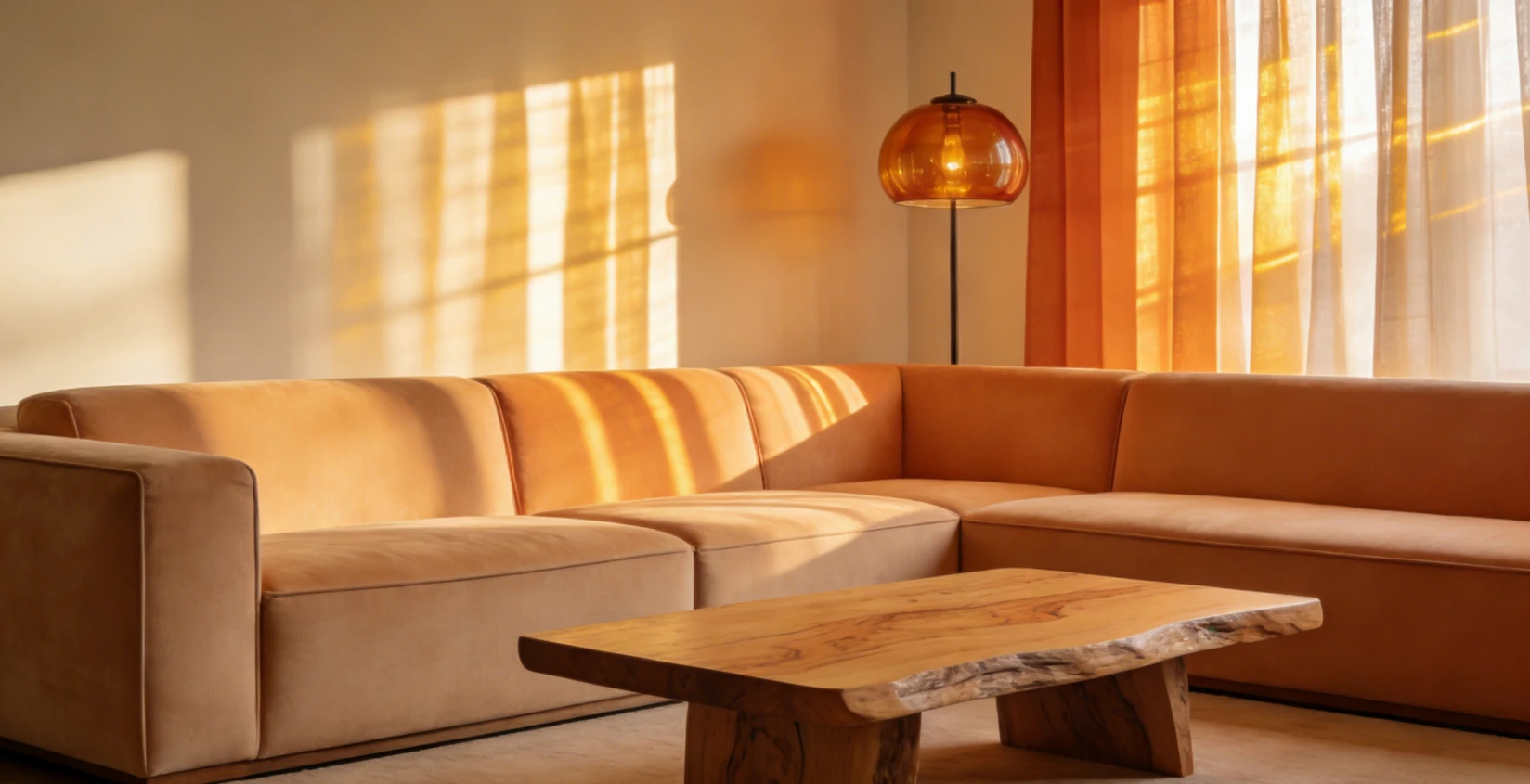
Midcentury furniture often features low profiles and slender legs. Contrast this with bulkier, more
substantial pieces from other eras to create visual interest. For example, a heavy, carved-wood coffee
table can ground a room filled with lighter Midcentury seating.
- Layer Textures and Materials
-
Texture is the unsung hero of eclectic design. Combine the smoothness of molded plastic or leather
with the roughness of jute, the softness of velvet, or the sheen of metallic finishes. This tactile
variety adds depth and richness to the space.
- Curate, Don’t Clutter
-
The goal is intentional eclecticism, not chaos. Each piece should feel purposeful. As renowned
designer Kelly Wearstler once said, “Editing is the most important part of design. It’s about knowing
what to leave out.�?/li>
A Personal Touch: Stories from the Home
I recall visiting a friend’s apartment in Brooklyn last fall. The living room was a masterclass in style
blending: a vintage Chesterfield sofa, reupholstered in deep emerald velvet, stood opposite a pair of
sleek Noguchi coffee tables. On the walls, an abstract expressionist painting shared space with a
minimalist Midcentury wall clock. What struck me wasn’t just the visual appeal but the emotional
resonance. The room felt like a reflection of my friend’s journey—part classicist, part modernist,
entirely authentic.
Another example comes from a couple in Portland, who transformed their 1950s ranch house into a
sanctuary of mixed styles. They retained the original Midcentury architecture but infused it with
Japanese Zen elements—sliding shoji screens, a stone garden visible through the floor-to-ceiling
windows—and Scandinavian hygge touches like sheepskin rugs and candlelit nooks. The result was a home
that felt both grounded and aspirational.
The Future of Eclectic Design: Trends and Reflections
As we move further into the 21st century, the boundaries between design styles continue to blur. The
rise of sustainable and vintage furniture markets has made it easier than ever to incorporate unique,
history-rich pieces into contemporary settings. Some scholars argue that this trend reflects a broader
cultural shift toward individualism and sustainability. Instead of chasing mass-produced perfection,
homeowners are embracing the beauty of imperfection and the stories behind each object.
Yet, it’s worth noting that mixing styles isn’t without its challenges. Without a discerning eye, spaces
can easily tip into visual noise. Part of the appeal, however, lies in this very risk—the thrill of
creating something that defies categorization.
Conclusion: Embrace the Dialogue
Breaking up uniformity isn’t about rejecting Midcentury Modern; it’s about celebrating its versatility
and allowing it to evolve. By thoughtfully integrating elements from other styles, we create homes that
are not only visually engaging but deeply personal. They become living archives of our tastes,
experiences, and aspirations.
In the words of design critic Alice Rawsthorn, “The most exciting design today is hybrid—it borrows from
the past, responds to the present, and imagines the future.�?So, the next time you find yourself drawn
to a Midcentury piece, ask not what era it belongs to, but what story it can tell alongside others. The
answer, perhaps, will surprise you.