Creative
Bedroom Makeover: Trending Soft Furnishings for Better Sleep
Author: Emily Carter

There’s a certain magic to walking into a bedroom that feels like a sanctuary—a space where the day’s
worries dissolve into soft textures, muted colors, and an atmosphere of calm. For many of us, though,
the bedroom is the last place we think to redesign. It becomes a repository for mismatched linens, a
chair piled with clothes, and lighting that’s either too harsh or too dim. But what if we reimagined
this space not just as a room for sleep, but as a haven for restoration?
The global focus on wellness has shifted inward, literally—into our homes. And the bedroom, as studies
suggest, is where we can make the most impactful changes for our mental and physical health. According
to the National Sleep Foundation, our environment accounts for a significant portion of sleep quality.
Soft furnishings—from bedding to curtains, rugs to cushions—aren’t just decorative. They’re functional,
psychological tools. As one sleep researcher noted, “The textures and tones we surround ourselves with
at night can either soothe the nervous system or subtly elevate stress.�?/p>
So, let’s talk trends—not fleeting fads, but thoughtful evolutions in home design that prioritize
well-being. This isn’t about a one-size-fits-all approach. It’s about layering, experimenting, and
creating a space that feels uniquely yours.
The Weight of Comfort: Why Heavy Blankets Are Here to Stay
If you’ve ever curled up under a thick, substantial duvet on a chilly evening, you already understand
the appeal of weighted blankets. But their popularity isn’t just about warmth or aesthetics. Some
researchers point to deep pressure stimulation—the gentle, distributed weight—as a possible trigger for
serotonin release, which in turn may help regulate sleep cycles.
I remember visiting a friend in Copenhagen last winter. Her guest room featured a beautiful, wool-filled
duvet that felt like a warm hug. “This is how we survive the dark months,�?she laughed. But it’s more
than survival; it’s about crafting comfort. The trend now leans toward natural fillings—wool, cotton,
even kapok—instead of synthetic materials. As one interior designer shared, “People are looking for
bedding that feels grounded, almost elemental.�?/p>
Of course, not every weighted blanket works for everyone. Those who tend to sleep hot might find them
stifling. But the market has adapted, with lighter versions for summer and breathable, layered options
for year-round use. It’s a trend that asks us to reconsider what “comfort�?really means—and perhaps to
trade in that lightweight, generic comforter for something with more presence.
Linen: The Wrinkled Embrace of Relaxation
Linen sheets were once considered a luxury, reserved for high-end hotels or grandmother’s guest room.
Now, they’ve entered the mainstream—and for good reason. Made from flax fibers, linen is highly
breathable, moisture-wicking, and gets softer with each wash. But its appeal goes beyond practicality.
There’s something inherently relaxed about linen. It doesn’t demand perfection. Its slight wrinkles and
textured appearance seem to whisper, “It’s okay to let go.�?In a culture obsessed with productivity and
polished surfaces, linen gives us permission to be imperfect. As a textile expert from the Fashion
Institute of Technology noted, “Linen’s irregular weave and natural variations make it feel alive,
almost human.�?/p>
The color palette for linen bedding has expanded, too. While crisp whites and neutrals remain popular,
earthy tones—terracotta, olive green, and deep mustard—are gaining traction. These hues, some
psychologists suggest, may help lower cortisol levels when used in restful environments. Whether you opt
for a full linen set or simply introduce linen pillowcases, this trend invites you to slow down and
embrace the art of repose.
Curtains That Do More Than Block Light
For years, the primary function of bedroom curtains was to keep the room dark. And while blackout
curtains are still essential for shift workers or city dwellers bathed in neon, the trend is shifting
toward multifunctional window treatments.
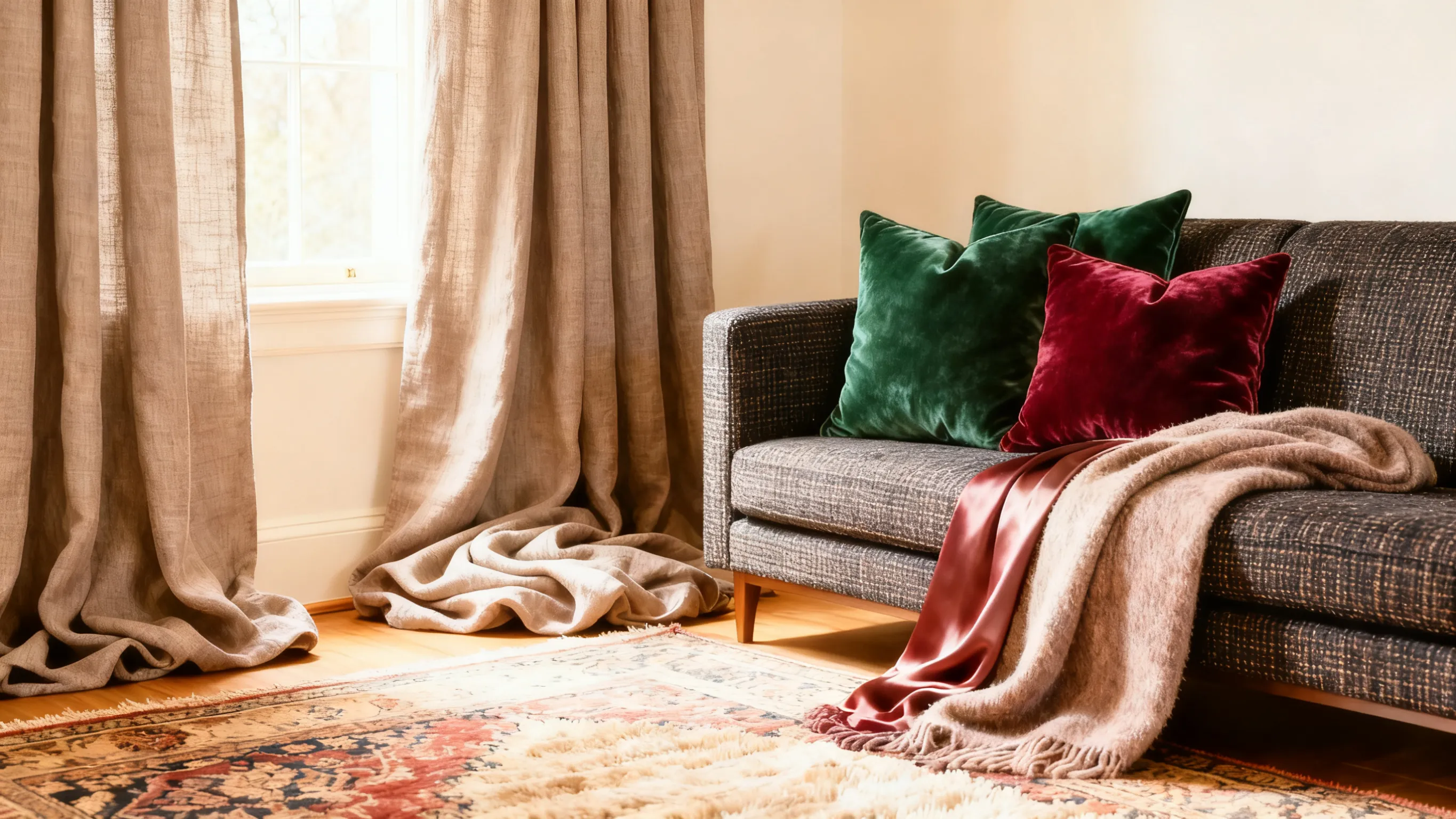
Consider sheer, layered curtains. By day, they filter natural light, casting a soft, diffuse glow that
helps regulate circadian rhythms. By night, when paired with blackout liners, they offer privacy and
darkness. But it’s not just about light control—it’s about texture and movement. Linen, velvet, and even
hemp curtains are being used to add depth to a room. I once interviewed a couple in California who
replaced their plastic blinds with floor-to-ceiling linen drapes. “The way the fabric moves with the
breeze—it’s like the room is breathing with us,�?the wife remarked.
Moreover, sustainable materials are taking center stage. Brands are now offering curtains made from
recycled fibers or organic textiles, appealing to consumers who want their homes to reflect their
values. It’s a small change, but one that transforms a window from a mere opening to a dynamic part of
the sleep environment.
Rugs: The Foundation of Serenity
We often think of rugs as decorative afterthoughts, but underfoot comfort can shape how we experience a
room. There’s a reason the “first step out of bed�?test is a real thing—landing on a plush, warm surface
sets a gentle tone for the morning.
The current trend leans toward natural fibers like jute, wool, and bamboo silk. These materials are not
only sustainable but also add tactile variety. A thick, wool rug beside the bed, for example, can make
those early moments feel less jarring. But it’s not just about pile height. Pattern and color play
roles, too. Subtle, organic patterns—think undulating lines or muted geometrics—can create visual
interest without overwhelming the senses.
Interestingly, some interior designers are now using rugs to define zones within the bedroom. A small,
circular rug under a reading chair, for instance, creates a mini-retreat without the need for structural
changes. It’s a reminder that soft furnishings can reshape how we use a space—not just how it looks.
Pillows: Beyond Decoration
Let’s be honest: most of us have a love-hate relationship with pillows. We pile them on the bed because
they look inviting, then toss them on the floor at night because they get in the way. But the latest
trends focus on function as much as form.
Ergonomic pillows, designed for side sleepers, stomach sleepers, or those with neck pain, are becoming
bedroom staples. Materials like shredded memory foam or latex adjust to individual shapes, offering
personalized support. Then there are cooling pillows, infused with gel or made from phase-change
materials, which aim to regulate temperature throughout the night.
But beyond technology, there’s a return to craftsmanship. Hand-stitched shams, embroidered details, and
pillows filled with natural materials like buckwheat hulls or eucalyptus fibers are appealing to those
who want their bedrooms to feel curated, not catalog-perfect. One home restylist I spoke with put it
beautifully: “Your pillow should feel like it was made for you—because, in a way, it was.�?/p>
The Layered Lighting Revolution
Lighting isn’t typically categorized as a “soft furnishing,�?but the way we diffuse and layer light
absolutely is. The trend toward softer, more adaptable lighting is transforming bedrooms into
multifunctional spaces.
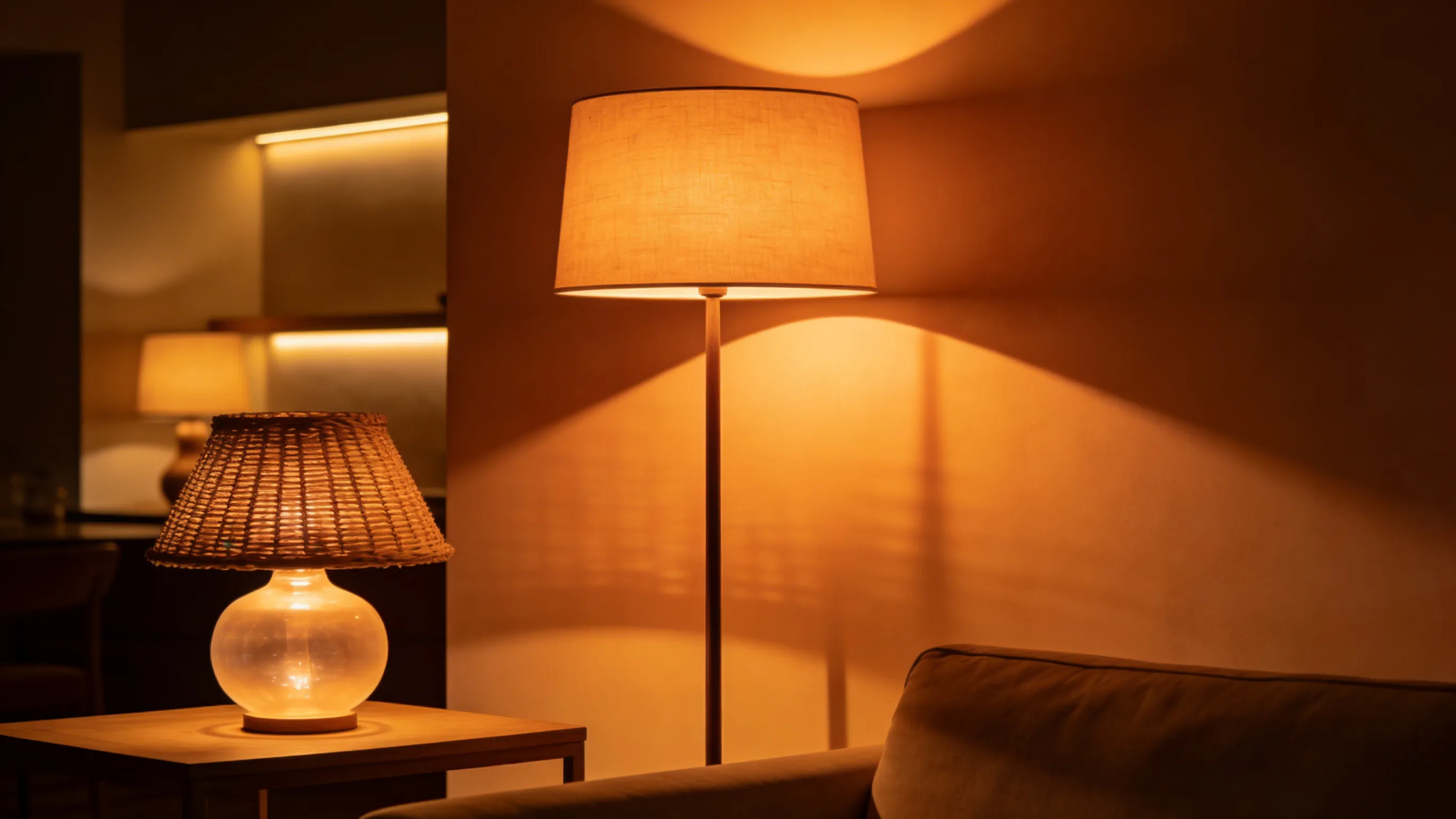
Think of it this way: overhead lighting is for utility, but lamps, sconces, and even string lights are
for ambiance. The Danish concept of hygge—creating cozy, comforting atmospheres—has influenced
how we light our bedrooms. Warm, dimmable bulbs (around 2700K) mimic sunset tones, signaling to the
brain that it’s time to wind down.
I recall walking into a boutique hotel in Kyoto where the bedside lamp was made of washi paper, casting
a soft, golden glow. The manager explained, “We want guests to feel enveloped in warmth, not
illuminated.�?That’s the goal—to use light as a textile of sorts, something that wraps around you
gently. From fabric-covered lampshades to LED strips hidden behind headboards, lighting is becoming an
integral part of the soft furnishings narrative.
Bringing It All Together: A Personal Journey
Redesigning a bedroom isn’t about copying a Pinterest board. It’s about listening to what makes you feel
at ease. For me, it started with replacing my synthetic comforter with a wool-filled duvet. Then came
linen sheets, a jute rug, and a weighted throw for the reading nook. Each layer brought a new sense of
calm.
Perhaps the most important trend isn’t a specific product but a philosophy: the bedroom as a retreat.
It’s a space where we grant ourselves permission to rest deeply, surrounded by textures that nurture and
colors that calm. As the world outside grows louder, our bedrooms can become buffers—places of quiet
restoration.
So, if you’re considering a bedroom makeover, start small. Maybe it’s a new set of pillows or curtains
that filter the morning light. Whatever you choose, let it be something that speaks not to trends, but
to tranquility. Because in the end, better sleep might just be a soft furnishing away.