Creative
Power Up Your Garden: Must-Have Tools for Spring Landscaping
Author: Mia Turner

Spring is a season of renewal, a time when the world shakes off its winter slumber and bursts into vibrant life. For gardening enthusiasts, it’s an invitation to step outside, breathe in the crisp air, and reconnect with the earth. But transforming a dormant garden into a flourishing oasis requires more than just enthusiasm—it demands the right tools. As the renowned horticulturist Gertrude Jekyll once said, “The love of gardening is a seed once sown that never dies.” To nurture that seed, one must equip themselves thoughtfully. This season, perhaps it’s time to rethink your toolkit, blending time-tested essentials with innovations that make gardening not just productive, but deeply fulfilling.
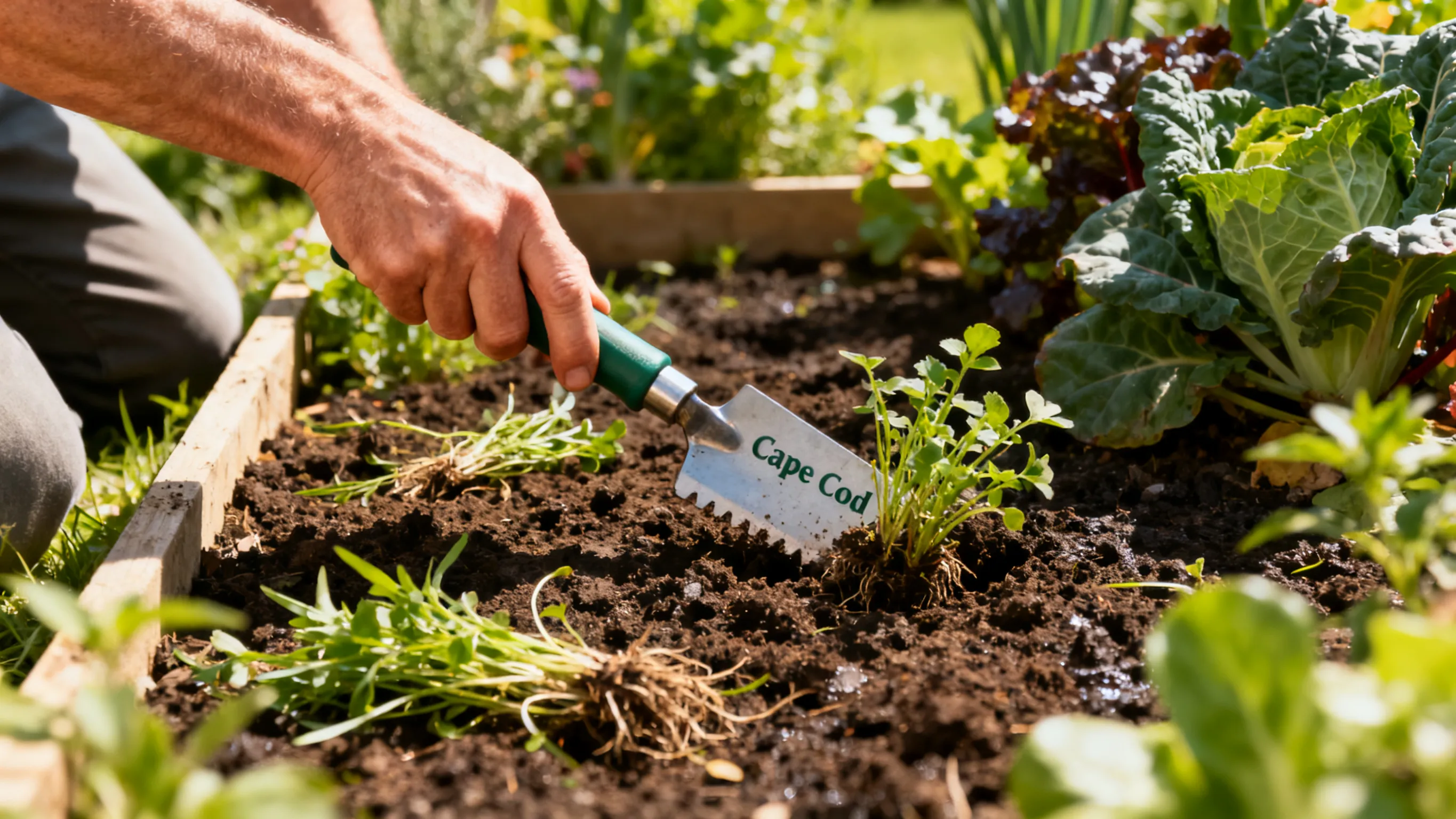
Let’s start with the unsung hero of any gardener’s arsenal: the soil knife. It’s a humble tool, often overlooked, yet its versatility is unmatched. Picture this: you’re transplanting delicate seedlings on a dewy morning, the soil cool and fragrant. A soil knife, with its serrated edge and narrow blade, slips effortlessly into the earth, minimizing root disturbance. Research from the Royal Horticultural Society highlights that precise tools like this can reduce transplant shock by up to 30%, giving plants a stronger start. But it’s not just about functionality—it’s about the tactile joy of holding a well-balanced tool, the way it becomes an extension of your hand as you divide perennials or weed stubborn patches. Some gardeners swear by Japanese-made models, while others prefer ergonomic handles that ease wrist strain. The key is to find one that feels right, as if it were crafted just for you.
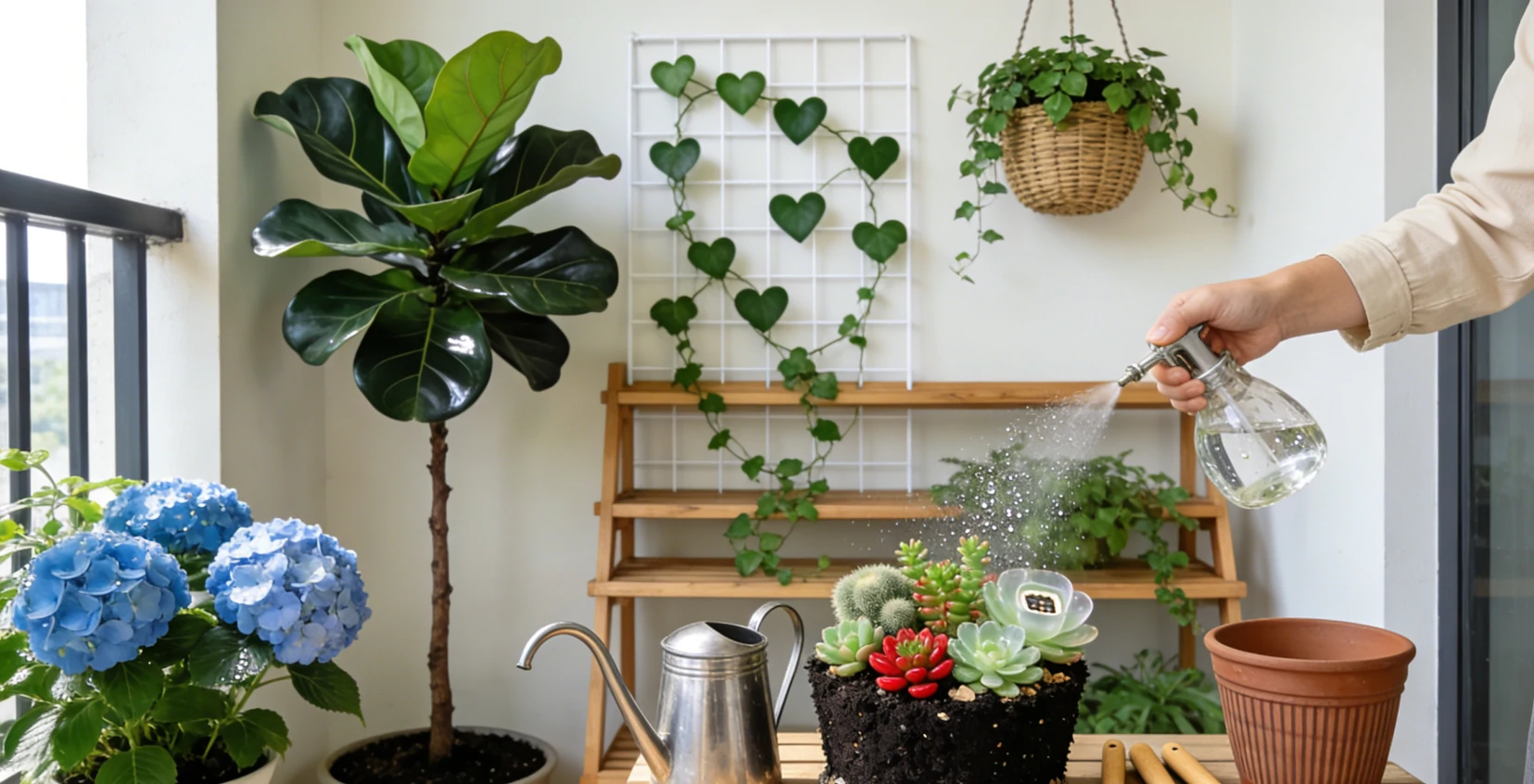
Then there’s the watering can, an object so commonplace that its design is often taken for granted. Yet, in the hands of a mindful gardener, it becomes a instrument of care. I recall visiting a community garden in Portland last spring, where an elderly gardener named Elena shared her ritual of watering at dusk. “It’s not just about hydration,” she mused, her can’s long spout directing water precisely to the roots of her heirloom tomatoes. “It’s a conversation with the plants.” Modern innovations, like self-watering pots or drip irrigation systems, offer efficiency, but they can’t replicate the intimacy of hand-watering. Studies from the University of California’s Cooperative Extension suggest that targeted watering reduces fungal diseases, a fact that underscores the value of intentional tool use. Still, part of the charm lies in the imperfections—the gentle splash of water on leaves, the way the light catches the droplets, reminding us that gardening is as much art as science.
Pruning shears, too, deserve a closer look. Not all shears are created equal, and the difference between a clean cut and a ragged one can impact a plant’s health for years. The American Horticultural Society notes that improper pruning tools can introduce pathogens, leading to decay. Bypass pruners, for instance, are ideal for live branches, while anvil types suit deadwood. But beyond technicalities, there’s a rhythm to pruning—a dance of assessing, snipping, and shaping. I once watched a vineyard manager in Napa Valley deftly trim grapevines, his movements fluid and assured. “You have to listen to the plant,” he explained, “to understand its structure and needs.” It’s a reminder that tools are enablers, but wisdom comes from practice and observation.
For larger tasks, the electric tiller has revolutionized soil preparation. Gone are the days of back-breaking labor with a manual cultivator; today’s models are quieter, lighter, and more energy-efficient. According to a 2022 report by Garden Tech Magazine, electric tillers can reduce soil compaction by up to 40% compared to traditional methods, promoting better root growth. Yet, some purists argue that hand-tilling fosters a deeper connection to the land. It’s a debate that reflects broader tensions between tradition and innovation in horticulture. Perhaps the answer lies in balance—using technology for efficiency while reserving hands-on methods for moments when slowing down feels right.
Weeding, often seen as a chore, can be transformed with the right tools. A stand-up weeder, for example, allows you to remove dandelions without bending, sparing your back and making the task almost meditative. On the other hand, a hoe with a oscillating blade can clear weeds between rows in minutes. But tools alone aren’t enough; understanding weed ecology is crucial. As one Cornell University study points out, many weeds indicate soil conditions—clover, for instance, often signals low nitrogen. So, while tools help manage the symptoms, knowledge addresses the root cause. It’s a nuanced approach that blends practicality with curiosity.
Composting tools, though less glamorous, are foundational to sustainable gardening. A well-designed compost bin aerates efficiently, speeding up decomposition and reducing odors. In my own garden, I use a three-bin system, turning the pile with a pitchfork every few weeks. The process is messy, yes, but there’s something deeply satisfying about watching kitchen scraps transform into rich, dark humus. The EPA estimates that home composting can divert nearly 30% of household waste from landfills, a statistic that adds purpose to the practice. And when that compost is finally spread around my roses, it feels like closing a loop—a small act of reciprocity with the earth.
Then there are the tools that bridge gardening and well-being. Kneeling pads, for instance, might seem trivial, but for anyone who’s spent hours planting bulbs, they’re a game-changer. Ergonomic designs that reduce strain on joints allow gardeners to work longer without discomfort. I think of my neighbor, Margaret, who at 75 tends her flower beds with the vigor of someone half her age. “It’s not about avoiding the work,” she told me, “it’s about doing it joyfully.” Her favorite tool? A lightweight, telescopic rake that adjusts to her height. It’s a small detail, but it speaks volumes about how thoughtful design can extend our gardening years.
In the realm of technology, smart garden sensors are gaining traction. These devices monitor soil moisture, light levels, and temperature, sending alerts to your phone when action is needed. A 2023 survey by Green Thumb Analytics found that gardeners using such tools reported a 25% increase in plant survival rates. Yet, they’re not without critics. Some argue that over-reliance on data can distance us from the intuitive aspects of gardening. After all, there’s no app that can replicate the sensation of crumbling soil between your fingers or the scent of rain on petunias. So, while sensors offer precision, they work best when paired with human intuition.
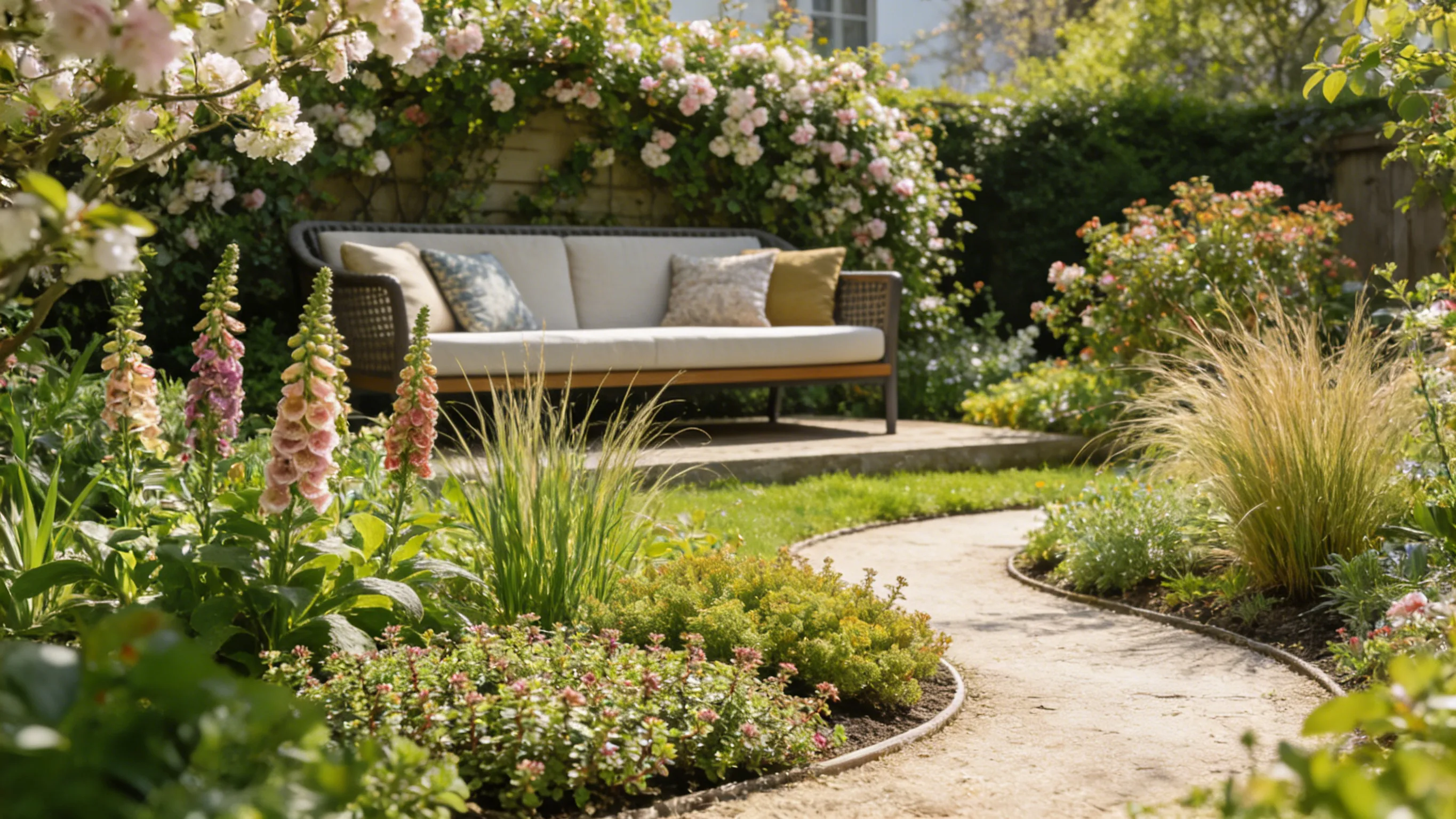
Landscaping on a larger scale might call for powered tools like hedge trimmers or lawn edgers. Electric models, increasingly powered by renewable energy, are quieter and emit no fumes—a boon for urban gardeners. But here, too, balance is key. I remember helping a friend design a cottage garden in suburban Connecticut; we used an electric trimmer for the boxwood hedges but hand-clipped the lavender for a softer, more natural look. The result was a space that felt both manicured and wild, a testament to blending tools with vision.
Ultimately, the best tools are those that align with your gardening philosophy. Are you a minimalist who values multi-purpose implements? Or do you prefer specialized tools for every task? There’s no right answer, only what works for you and your garden. As the poet Alfred Austin wrote, “The glory of gardening: hands in the dirt, head in the sun, heart with nature.” Tools, in this context, are not just objects; they’re partners in a timeless dialogue with the land.
So, as spring unfolds, take a moment to assess your toolkit. Clean the soil from your trowel, oil the hinges of your shears, and perhaps invest in one new tool that sparks joy. Because in the end, a well-equipped garden isn’t just about beauty—it’s about cultivating a deeper connection to the world outside our doors. And that, perhaps, is the most powerful tool of all.