Creative
Planting Smart: Choosing Flowers, Veggies & Herbs for Your Local Climate
Author: Mia Turner
 There’s something almost magical about watching a seedling push through the soil, a tiny green flag of life unfurling in your own backyard. For many of us, gardening is more than a hobby; it’s a quiet rebellion against the concrete and the screen, a tangible connection to the rhythms of the earth. Yet, how often have we poured our hearts—and our watering cans—into a plant, only to watch it wither, a victim of our misplaced enthusiasm? The secret to a thriving garden, it turns out, isn't just in the planting, but in the planning. It begins not with a seed catalog, but with a weather map.
The most common mistake, perhaps, is falling in love with a plant’s photograph. We see a lush, tropical hibiscus or a delicate alpine flower and imagine it basking in our personal patch of sun. But a plant that thrives in the humid heat of Florida will likely perish in the arid, high-altitude chill of Colorado. As one master gardener from the Oregon Extension Service once told me, "You're not just gardening with plants; you're gardening with your climate." This is the foundational principle of smart planting: working with your environment, not against it.
Understanding Your Climate’s Personality
Before you can choose what to plant, you must first listen to what your land is telling you. The official USDA Plant Hardiness Zone Map is the gardener’s bible, a color-coded guide that divides North America into zones based on average annual minimum winter temperature. This is your starting point, a crucial piece of data that tells you which perennial plants—those that live for more than two years—are likely to survive your winters. A lavender bush rated for Zone 5 will likely endure the cold of Pennsylvania, but it would struggle in the more severe winters of Zone 3 Minnesota.
Yet, temperature is only part of the story. Your garden is also shaped by its "microclimate." Is your yard a sun-drenched bowl, or a shaded, north-facing slope? Does the wind whip through relentlessly, or do you live in a fog-prone coastal area that receives less direct sun than you might think? I recall a neighbor who couldn’t understand why her tomatoes remained stubbornly green while mine ripened just a few feet away. The difference was a six-inch tall wooden fence I’d installed; it was just enough to trap heat and create a slightly warmer pocket, a microclimate that gave my plants the extra warmth they crabbed.
Furthermore, precipitation patterns are shifting. Research from the National Oceanic and Atmospheric Administration (NOAA) indicates that many regions are experiencing more intense, less frequent rainfall. This means that understanding your local rainfall averages and soil drainage is no longer a suggestion but a necessity for sustainable gardening.
A Regional Glimpse: Matching Plants to Place
Let’s translate this climate theory into practice, weaving in the specific choices for flowers, vegetables, and herbs.
- For the Arid and Sun-Drenched Southwest (e.g., Arizona, Nevada): Here, the sun is a relentless companion, and water is a precious resource. Xeriscaping—landscaping that reduces or eliminates the need for irrigation—isn't just a trend; it's a survival strategy.
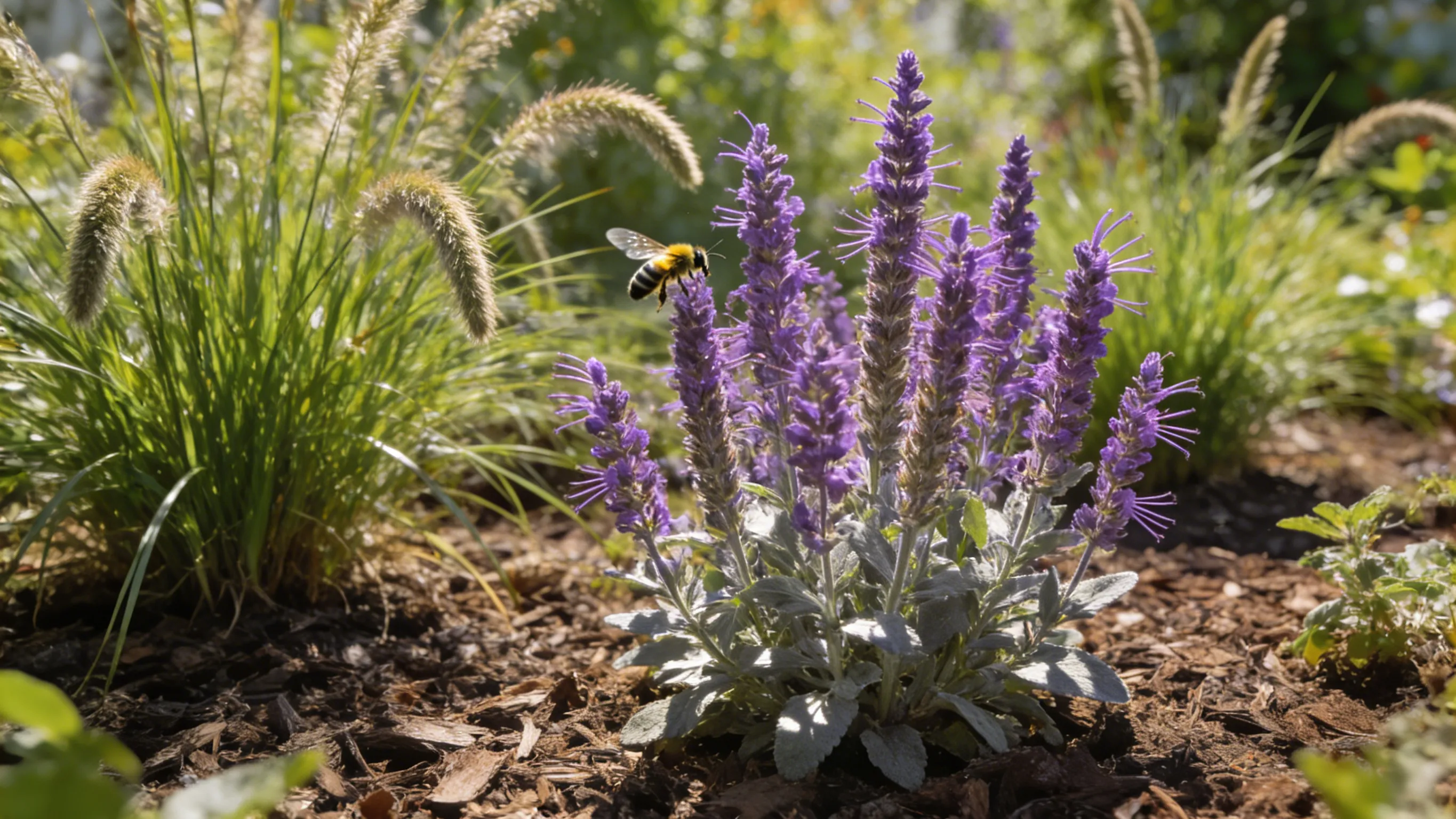
- Flowers: Embrace the bold and the resilient. Penstemon (Beardtongue) offers spires of tubular flowers in fiery reds and purples, a magnet for hummingbirds. The silvery foliage of Russian Sage dances with delicate purple flowers, thriving on neglect. California Poppies, with their brilliant orange cups, will often self-seed, creating a yearly spectacle with minimal effort.
- Veggies: The key is choosing plants that can handle the heat. Okra loves the scorching sun, its pods growing rapidly in high temperatures. Peppers, both sweet and hot, are champions of the heat, and ** Armenian cucumbers** are more heat-tolerant than their standard counterparts. Planting in the fall for a winter harvest of kale and carrots can also be remarkably successful.
- Herbs: This is the domain of the Mediterranean. Rosemary, thyme, oregano, and sage are not just culinary staples; they are drought-tolerant warriors whose essential oils seem to intensify under the sun. A lavender hedge can provide structure, fragrance, and a buzz of pollinators.
- For the Humid and Heat-Intensive Southeast (e.g., Georgia, Florida): Humidity is the defining characteristic here, a blanket of moisture that can foster both lush growth and devastating fungal diseases.
- Flowers: Choose plants that can stand up to the mugginess. Coneflower (Echinacea) is a sturdy native perennial that provides summer-long color. Lantana is almost indestructible, its clusters of flowers blooming in a riot of colors from spring until frost. For shade, Coleus offers breathtaking foliage in virtually every color combination imaginable.
- Veggies: The long, warm seasons are perfect for Southern peas (black-eyed peas), okra, and sweet potatoes—crops that revel in the heat. Eggplant also performs exceptionally well. However, tomatoes can be a challenge; selecting blight-resistant varieties and ensuring excellent air circulation is critical.
- Herbs: While basil adores the heat, it can be susceptible to fungal issues in high humidity. Planting it in a container with exceptionally well-draining soil can help. Lemon balm and mint will grow with vigorous, almost weedy, abandon (it’s often wise to contain them in pots). Bay laurel can be grown as a small, manageable tree.
- For the Variable and Season-Defined Northeast & Midwest (e.g., New York, Illinois): This is the land of four distinct seasons, with a relatively short but intense growing season. The goal is to maximize production between the last spring frost and the first autumn frost.
- Flowers: Celebrate the seasons. Peonies herald the late spring with their extravagant, fragrant blooms. Daylilies are the workhorses of the summer garden, and Sedum 'Autumn Joy' provides structure and late-season nectar for bees as the days grow shorter. Native Black-eyed Susans and Coneflowers provide a rugged, beautiful backbone to any border.
- Veggies: This is classic vegetable garden territory. Lettuce, spinach, and peas can be planted in early spring. As the soil warms, it's time for the summer staples: tomatoes, zucchini, green beans, and cucumbers. As summer wanes, brussels sprouts and kale can often be harvested even after a light frost, which sweetens their flavor.
- Herbs: Chives are one of the first plants to emerge in spring, their purple puffball flowers a delight. Parsley and cilantro thrive in the cooler shoulder seasons, while dill will readily self-seed. A rosemary plant will need to be brought indoors for the winter or treated as an annual in colder zones.
- For the Mild and Moist Pacific Northwest (e.g., Washington, Oregon): Characterized by cool, wet winters and dry summers, this climate is perfect for a different palette of plants that enjoy consistent moisture and moderate temperatures.
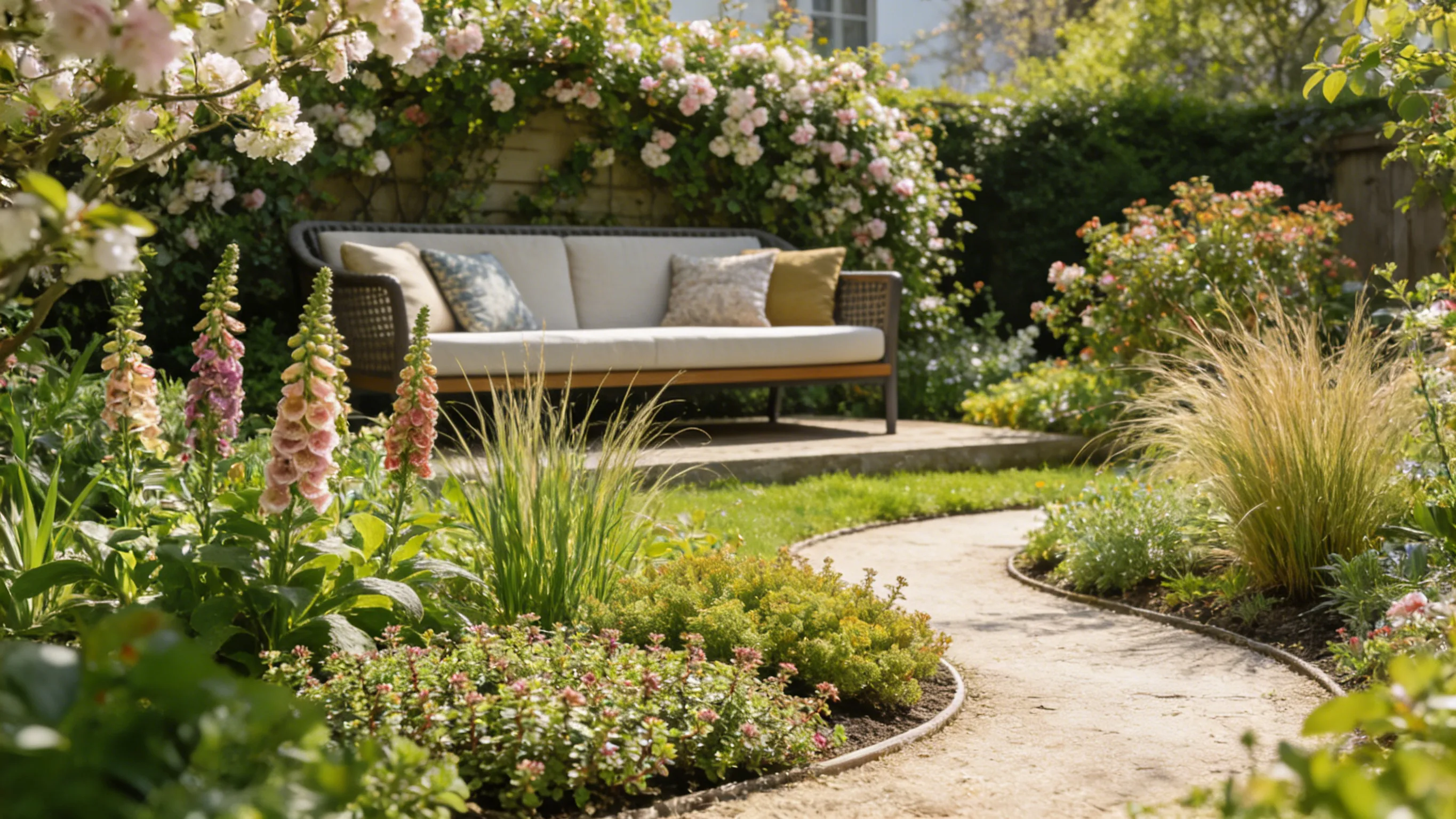
- Flowers: This is the realm of lush, textural growth. Rhododendrons and Azaleas are iconic for a reason, exploding in color in the spring. Hostas thrive in the shade, their foliage ranging from delicate to colossal. Foxgloves add vertical interest and a cottage-garden charm, happily reseeding in moist, partially shaded areas.
- Veggies: The long, cool springs are ideal for broccoli, cauliflower, and kale. Peas are exceptionally productive. The relatively mild summers are perfect for lettuces and other greens, which can be succession-planted for a continuous harvest. Some gardeners find that tomatoes need a warm, sheltered spot or the help of a cloche to ripen fully.
- Herbs: This is a paradise for shade-tolerant herbs. Mint, chervil, and sweet woodruff will spread happily in moist, partly shaded areas. Lemon verbena can be grown as a seasonal annual, its leaves releasing a powerful citrus scent when brushed.
Beyond the Plant Tag: The Living System
Choosing the right plant is only half the battle. A smart garden is a living system. Integrating native plants is perhaps the single most impactful step you can take. As entomologist Dr. Doug Tallamy has extensively documented, native plants form the foundation of the local food web, supporting the caterpillars that in turn feed birds and other wildlife. A non-native butterfly bush may attract adult butterflies, but a native oak or milkweed supports the entire lifecycle, from egg to caterpillar to chrysalis.
Companion planting, while sometimes veering into gardening lore, has practical merits. The "Three Sisters" method practiced by Indigenous Americans—planting corn, beans, and squash together—is a masterclass in symbiosis: the corn provides a structure for the beans to climb, the beans fix nitrogen in the soil for the heavy-feeding corn, and the squash's broad leaves shade the soil, suppressing weeds and retaining moisture. It’s a reminder that a garden is a community, not a collection of isolated individuals.
The Final Seed of Wisdom
Gardening is a dialogue with nature, a practice in humble observation. It asks us to look closely, to learn the language of our specific patch of earth. It teaches resilience, not just in the plants, but in ourselves. There will be failures—a sudden hailstorm, an unexpected pest. But these are not defeats; they are lessons written in the soil.
So, before you order those seeds, step outside. Feel the sun on your skin, note the direction of the wind, test your soil. Consult your local nursery experts—they possess a wealth of hyper-local knowledge no website can match. By planting smart, you are not just cultivating a garden; you are cultivating a deeper, more harmonious relationship with the place you call home. The reward is a landscape that doesn’t just survive, but flourishes, a vibrant testament to the wisdom of working in concert with the world right outside your door.