Creative
Mulching Magic: The Secret to Thriving Garden Beds This Spring
Author: Mia Turner

Spring arrives with a whisper of warmth, coaxing buds from their slumber and painting landscapes with strokes of vibrant green. For gardening enthusiasts, this season is both a promise and a challenge—a chance to cultivate beauty, yet a race against weeds, evaporation, and unpredictable weather. But what if there were a simple, often overlooked secret to transforming garden beds from struggling to spectacular? Enter mulch: the unsung hero of horticulture, a layer of magic that nurtures roots, suppresses invaders, and turns gardening into an art of effortless elegance.
The Unseen World Beneath Our Feet
A garden’s vitality, as any seasoned horticulturist will tell you, begins below the surface. Roots stretch like hidden rivers, drawing nutrients, anchoring plants, and communicating through intricate fungal networks. Yet this subterranean universe is fragile. Temperature swings, moisture loss, and soil compaction can disrupt its delicate balance. Mulch, in its many forms, acts as a protective blanket—a mediator between the plant and its environment.
Studies from the Royal Horticultural Society note that mulched soil retains up to 25% more moisture, reducing the need for frequent watering. “Mulch is like a thermostat for the earth,” says Dr. Elena Vance, a soil ecologist at the University of Vermont. “It moderates extremes, keeping roots cool in summer and insulated in early spring when frost still lingers.” But the benefits don’t stop there. As organic mulches—think shredded leaves, straw, or wood chips—break down, they slowly release nutrients, fostering microbial life that, in turn, enriches the soil. It’s a quiet, cyclical dance of decay and renewal.
A Tapestry of Choices: Selecting the Right Mulch
Not all mulches are created equal. Walk into any garden center, and you’ll be met with an array of options: bark nuggets, cocoa bean hulls, grass clippings, even recycled rubber. The choice can feel overwhelming, but understanding their unique roles simplifies the decision.
Organic Mulches
These derive from living or once-living materials and are prized for their ability to improve soil structure over time. Shredded hardwood, for example, decomposes slowly, making it ideal for perennial beds. Straw, lightweight and golden, is a favorite for vegetable patches, though it may occasionally introduce weed seeds—a small trade-off for its airy texture. Then there’s compost, dark and crumbly, which doubles as a nutrient powerhouse. “Compost mulch is like serving your plants a gourmet meal while shielding them from stress,” remarks landscape designer Liam Chen.
Inorganic Mulches
Gravel, stone, or landscape fabric won’t enrich the soil, but they excel in specific scenarios. In arid regions, gravel reduces evaporation and reflects heat, protecting tender roots. Meanwhile, black plastic mulch, though divisive, can warm the soil early in the season, giving heat-loving crops like tomatoes a head start. Some gardeners, however, caution against its long-term use, citing soil health concerns. “It’s a tool, not a cure-all,” warns sustainable agriculture advocate Maria Flores.
Then there are the unconventional options. I once visited a community garden in Portland where gardeners used spent coffee grounds—donated by local cafés—as mulch for acid-loving blueberries. The result? Lush, fruit-laden bushes and the faint, comforting aroma of espresso on dewy mornings. It’s a reminder that mulch can be as creative as it is practical.
The Art of Application: Less Is More
Even the best mulch can backfire if applied incorrectly. Too thick a layer may suffocate roots or create a habitat for pests; too thin, and it becomes little more than decoration. The general rule, according to the University of California’s Integrated Pest Management Program, is 2–4 inches for most organic mulches. But timing matters, too.
Early spring, when the soil has thawed but before weeds gain a foothold, is ideal. I recall helping a neighbor who’d piled mulch high against tree trunks—a well-intentioned mistake that led to bark rot. We relearned the lesson seasoned gardeners know: keep mulch away from stems and trunks, creating a “doughnut” rather than a “volcano.” This simple adjustment can mean the difference between a thriving tree and a declining one.
Watering before mulching is another pro-tip. It locks moisture into the soil, reducing the need for irrigation later. And for those dealing with persistent weeds, a layer of cardboard or newspaper beneath the mulch can act as an extra barrier—a trick my grandmother swore by in her rose garden.
Beyond the Garden: Mulch as an Ecosystem Ally
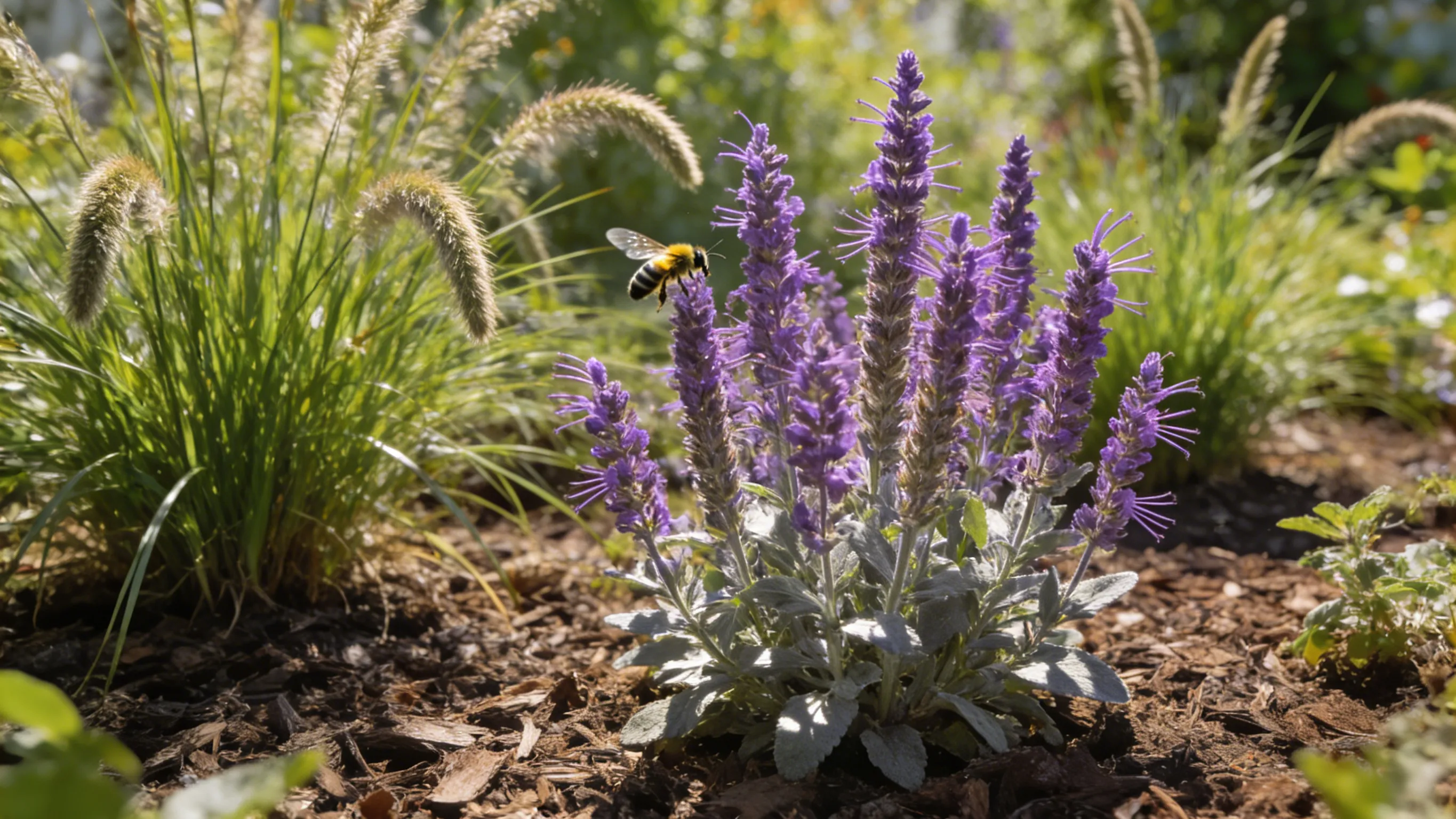
Mulch does more than nurture plants; it supports an entire ecosystem. Earthworms, those humble engineers of the soil, thrive in mulched environments, aerating the earth as they tunnel. Ladybugs and ground beetles, natural predators of aphids and caterpillars, find shelter in the leafy layers. In this way, mulch becomes a miniature wildlife sanctuary, fostering biodiversity one handful at a time.
There’s also an environmental dimension. By using yard waste—fallen leaves, grass clippings, or pruned branches—as mulch, gardeners participate in a closed-loop system, reducing landfill contributions and carbon footprints. “It’s a small act with ripple effects,” notes environmental scientist Kai Johnson. “Every garden that embraces sustainable mulching is a step toward resilient urban ecosystems.”
The Human Connection: Stories from the Soil
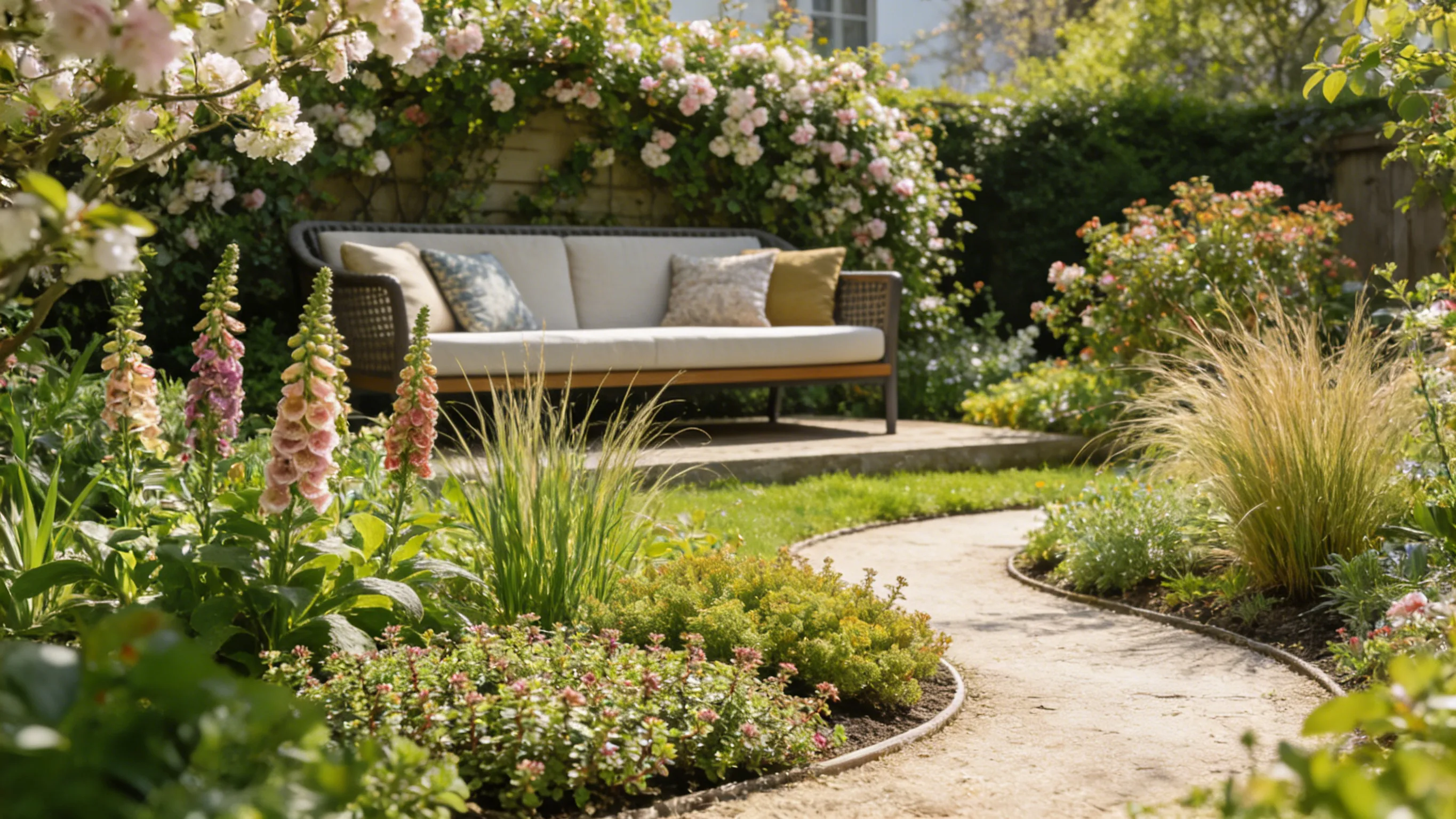
Perhaps what makes mulching truly magical is its ability to connect us to the rhythms of nature. I think of Sarah, a retired teacher in suburban Ohio, who transformed her barren backyard into a cottage-style oasis using leaf mold and wood chips. “It started as a chore,” she admits, “but spreading mulch became my meditation. I’d watch robins tugging worms from the moist soil, and suddenly, I wasn’t just gardening—I was curating a habitat.”
Or there’s Miguel, a young urban farmer in Austin, who uses straw mulch to combat the Texas heat. “Our kale and collards used to bolt by June,” he says. “Now, they last well into summer. Mulch is our secret weapon.” These stories underscore a universal truth: the most profound gardening successes often stem from the simplest practices.
A Note of Caution and Curiosity
Of course, mulch is not without its controversies. Some studies suggest that certain wood mulches may temporarily tie up nitrogen in the soil, requiring supplemental feeding. Others debate the merits of dyed mulches, questioning their long-term impact on soil health. While research is ongoing, many experts advocate for locally sourced, untreated materials whenever possible.
Then there’s the question of aesthetics. Gardening, after all, is as much about beauty as it is about function. A well-mulched bed, with its uniform texture and rich color, can frame plants like a gallery wall, highlighting their forms and hues. It’s this marriage of practicality and artistry that elevates mulching from mere task to transformative ritual.
Embracing the Magic
As spring unfolds, consider this: the difference between a garden that survives and one that thrives may lie in a few inches of organic matter. Mulch is humble, often overlooked, yet it holds the power to conserve water, enrich soil, and invite life—both above and below the ground. It invites us to slow down, to observe, and to participate in the quiet, ongoing conversation between earth and plant.
So the next time you step into your garden, take a moment to appreciate the soil. Then, perhaps, spread a layer of mulch—not as a chore, but as an act of hope. For in that simple gesture, we become co-creators of beauty, stewards of sustainability, and believers in the magic hidden just beneath the surface.