Creative
Kickstart Your Spring Garden: Must-Do Tasks for Every Homeowner
Author: Mia Turner

Spring arrives not with a calendar date but with the scent of damp soil and the faint green haze on tree branches. For many homeowners, this season stirs an almost primal urge to dig, plant, and nurture. Yet, transforming a winter-weary yard into a thriving garden requires more than enthusiasm—it demands strategy, patience, and a touch of science. Horticulture, often dismissed as mere gardening, is in fact a delicate interplay of biology, ecology, and art. Whether you’re cultivating a balcony herb box or redesigning an entire landscape, these tasks will help you harness the season’s energy while avoiding common pitfalls.
The Soil Awakens: Testing and Amending
Before a single seed is sown, the soil beneath your feet deserves attention. Think of it as the foundation of a house—neglect it, and everything built upon it may falter. According to Dr. Lena Torres, a soil ecologist at the University of Vermont, “Spring soil is often compacted and nutrient-depleted after months of frost and rain.” A simple soil test, available through local agricultural extensions or DIY kits, can reveal pH levels and nutrient gaps.
If the results skew acidic, perhaps consider incorporating lime to balance the pH. For clay-heavy soils, mixing in compost or well-rotted manure improves drainage and aeration. I recall my neighbor, Margaret, an avid gardener in her seventies, once told me, “Feed the soil, not just the plants.” She swore by layering fallen leaves and kitchen scraps into her beds each spring—a practice backed by studies showing that organic matter boosts microbial activity.
Pruning: The Art of Subtraction
Not all growth is beneficial. Spring pruning—when done correctly—can invigorate plants, encourage blooming, and prevent disease. Focus on removing dead or crossing branches from fruit trees, roses, and perennials. However, timing is critical. As the Royal Horticultural Society notes, early spring pruning risks damaging tender new shoots, while late pruning may sacrifice flower buds.
Take the Japanese maple in my backyard. Last year, I impulsively trimmed it too early, only to watch its leaves emerge stunted. A local arborist later explained that some species bleed sap excessively if cut at the wrong time. His advice? “Observe, don’t assume.” Wait until the threat of hard frost passes, and use sharp, clean tools to make precise cuts.
Plant Selection: Right Plant, Right Place
It’s tempting to fill carts with every vibrant seedling at the nursery, but resistance is a virtue. Successful gardens align plant choices with local conditions—sunlight, soil type, and climate zone. Native plants, such as purple coneflower or black-eyed Susan, often thrive with minimal intervention because they’re adapted to regional pests and rainfall patterns.
Research from the Cornell Botanic Gardens emphasizes that biodiversity matters too. Mixing flowering plants with vegetables can attract pollinators and predatory insects, reducing the need for pesticides. For example, planting marigolds near tomatoes may deter nematodes, a claim supported by multiple horticultural trials, though some debate its efficacy.
The Unseen Workforce: Embracing Microbes and Pollinators
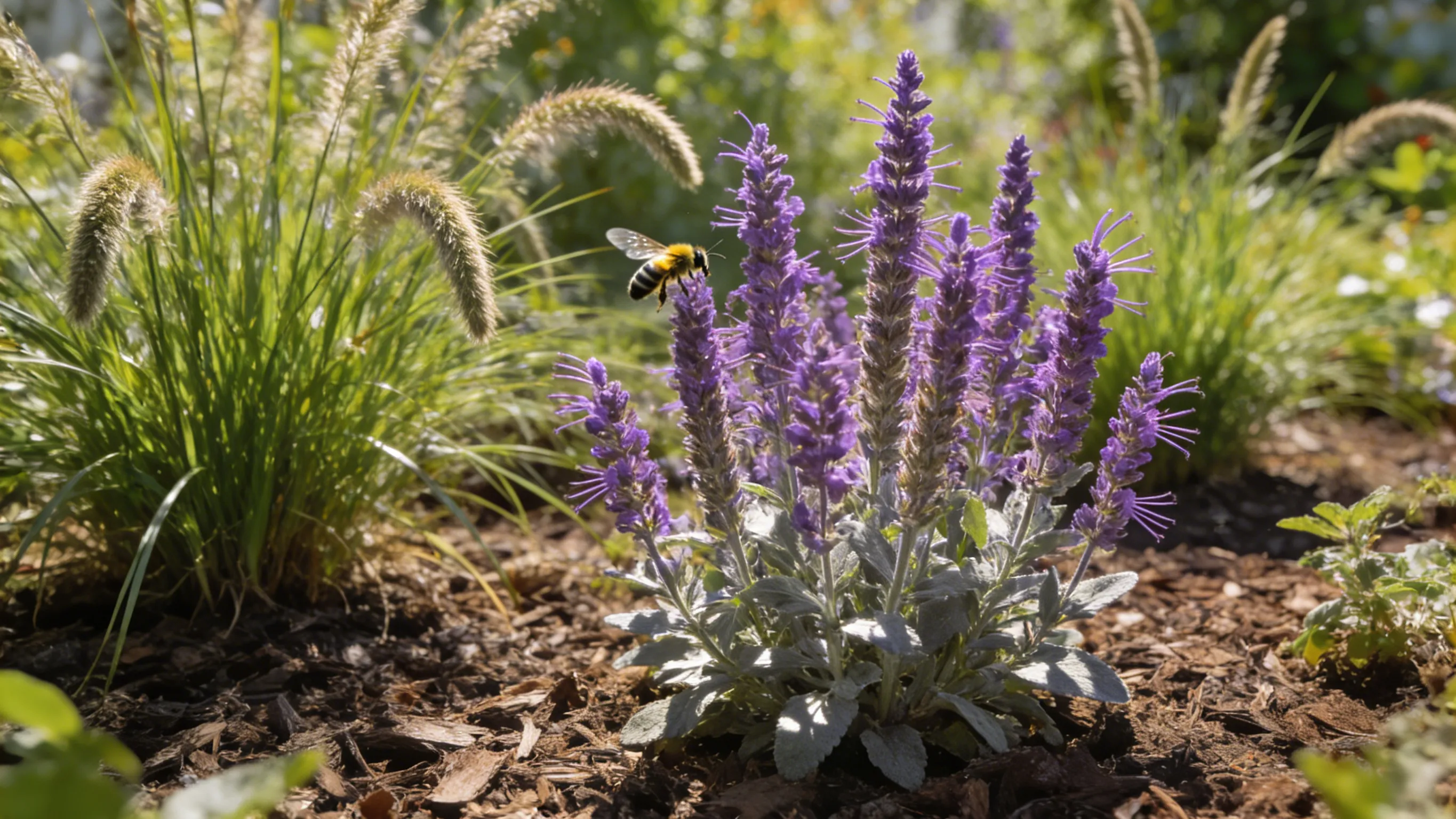
A garden is more than what meets the eye. Beneath the surface, mycorrhizal fungi form symbiotic networks with plant roots, enhancing water and nutrient uptake. Above, bees, butterflies, and even beetles play their roles. Yet, pollinator populations are declining globally. To support them, avoid broad-spectrum insecticides and include pollen-rich flowers like lavender and borage.
A beekeeper I met at a community garden once remarked, “A silent garden is a dying garden.” His words stuck with me. Now, I leave patches of bare soil for ground-nesting bees and set up shallow water dishes with pebbles for butterflies to perch on. Small gestures, but they weave resilience into the ecosystem.
Water Wisdom: Conservation and Efficiency
Spring rains can deceive us into complacency, but water management remains crucial. Drip irrigation or soaker hoses deliver moisture directly to roots, minimizing evaporation and runoff. The EPA’s WaterSense program estimates that efficient watering can reduce outdoor water use by up to 30%.
I learned this lesson the hard way. One year, I relied on sprinklers during a dry spell, only to find fungal spots on my zucchini leaves. A horticulturist friend pointed out that wet foliage invites disease. She recommended watering in the early morning, allowing leaves to dry fully under the sun.
Weeds: Nuisance or Nature’s Lesson?
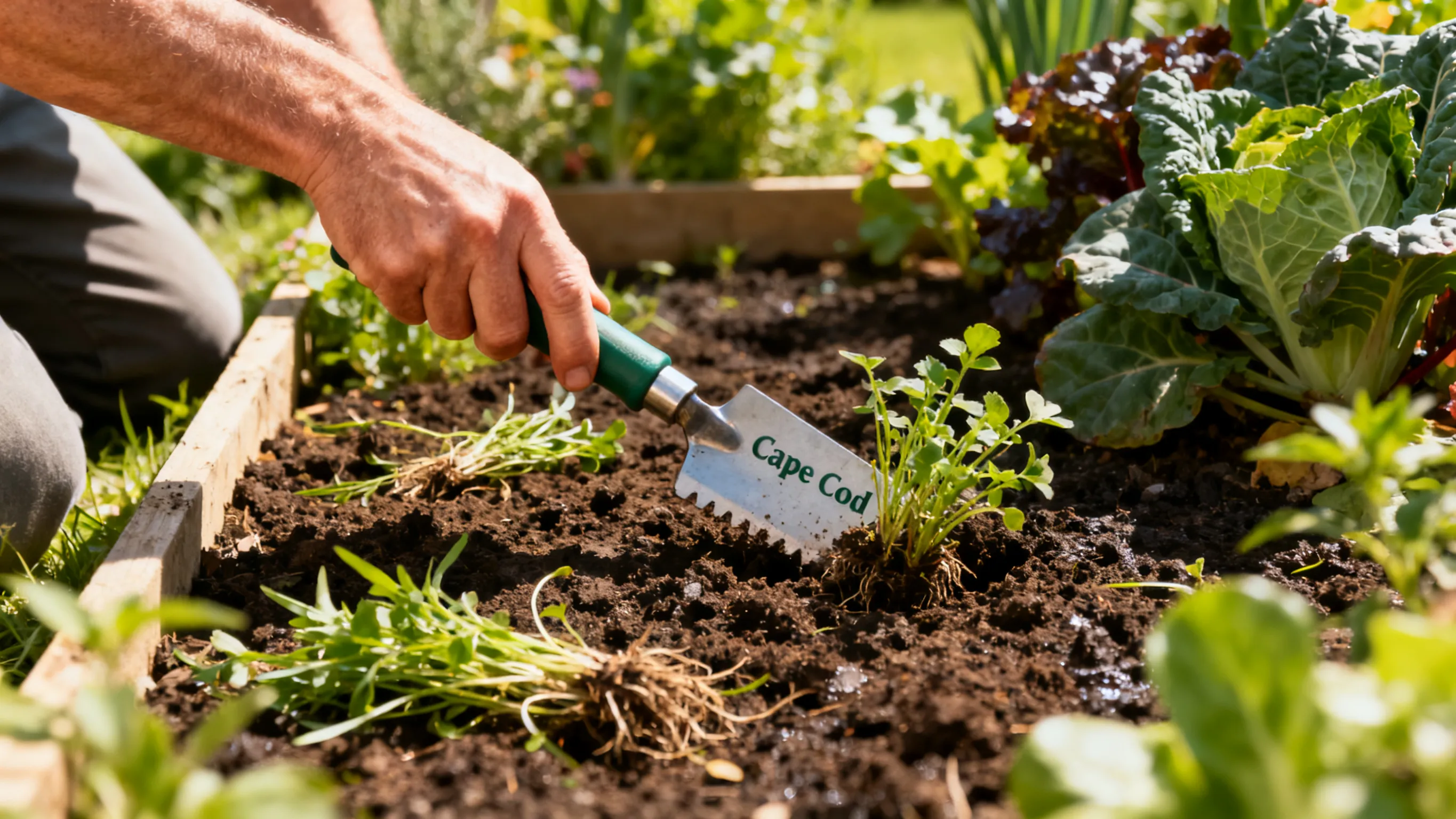
Weeds are often portrayed as invaders, but they can also signal soil conditions. Dandelions, for instance, may indicate compacted soil, while chickweed thrives in nitrogen-rich beds. Instead of reaching for herbicides, try manual removal or smothering weeds with cardboard and mulch.
Some experts, like author and gardener Amy Stewart, suggest reframing weeding as meditation. “There’s a rhythm to it,” she writes, “a conversation between you and the land.” I’ve come to appreciate this perspective—each tug of a weed feels like unraveling a knot, leaving space for intentional growth.
Closing Thoughts: The Garden as a Mirror
A garden is never finished. It evolves with the seasons, the weather, and the gardener’s growing wisdom. Perhaps the most vital spring task is to pause—to watch the first bees hover over crocuses, to notice how the light slants through new leaves. In these moments, the line between tending a garden and tending the soul blurs.
As the poet Alfred Austin noted, “The glory of gardening: hands in the dirt, head in the sun, heart with nature.” This spring, may your garden be not just a project, but a passage—a living, breathing testament to patience and care.