Creative
Gardening Goals: How to Plan Your Perfect Spring Oasis

The first true, warm breath of spring air does something peculiar to us. It’s more than a meteorological shift; it’s a deep, almost primal stirring. We find ourselves pausing by grimy windows, gazing at dormant flowerbeds and tangled branches, seeing not what is, but what could be. That patch of earth isn’t just dirt—it’s a blank canvas. That empty patio isn’t just concrete—it’s a stage for morning coffee and evening stargazing. This yearning to cultivate, to create a personal haven of growth and beauty, is the seed of every great garden. But between that initial spark of inspiration and the lush, blooming reality lies a gulf often bridged by haphazard trips to the nursery and seasonal disappointment. This year, let’s do it differently. Let’s move from whimsical wishing to intentional creating. Planning your perfect spring oasis isn’t about rigid rules; it’s about thoughtful alignment—of space, desire, and the quiet, persistent rhythms of nature.
The Art of Seeing: Conducting a Garden Audit
Before you sketch a single bed or order a single seed packet, you must become a detective in your own yard. This requires a shift in perspective, from owner to observer. Grab a notebook and a cup of something warm, and step outside on a mild late-winter day. Don’t just look�?em>see.
Start with the immutable: light. The term "full sun" is bandied about, but its meaning shifts with the seasons. A spot that is dappled in March might be blasted by relentless July sun. Track the sunlight over the course of a clear day. Note where the shadows of your house, fence, and mature trees fall at 9 AM, noon, and 4 PM. The Royal Horticultural Society (RHS) emphasizes that understanding light patterns is the single most critical factor in plant selection, more so than soil in many cases. A north-facing border that receives less than three hours of direct sun is a shade garden, a realm of elegant hostas, astilbes, and ferns, not sun-worshipping roses.
Next, turn your attention to the ground beneath your feet. Soil isn’t just dirt; it’s a living, breathing ecosystem. Squeeze a handful. Does it clump tightly (clay), feel gritty (sandy), or crumble like chocolate cake (loam)? A simple DIY jar test—mixing soil with water in a clear container and letting it settle—can reveal its composition. More importantly, consider its life. As renowned soil scientist Dr. Elaine Ingham often notes, "The health of the soil food web directly dictates the health of the plants." Are there earthworms? Does it smell earthy and rich, or sour and compacted? This audit will tell you if your first task is building soil through compost and organic matter, a step no amount of fertilizer can replace.
Finally, assess the "bones" and microclimates. Note existing trees and large shrubs. Identify damp, low spots where water pools and dry, rain-shadowed areas near walls. Feel for wind tunnels along the side of your house. These microclimates are opportunities. That windy corner could be perfect for ornamental grasses that dance in the breeze. That warm, sheltered wall is a "heat sink," ideal for a dwarf fruit tree or a tender climber you thought you couldn’t grow.
The Poetry of Purpose: Defining Your Oasis
With the facts of your space in hand, the more delightful task begins: defining the feeling. A garden is an extension of your home and your self. What is its primary purpose? This question is deceptively simple. The answer shapes everything.
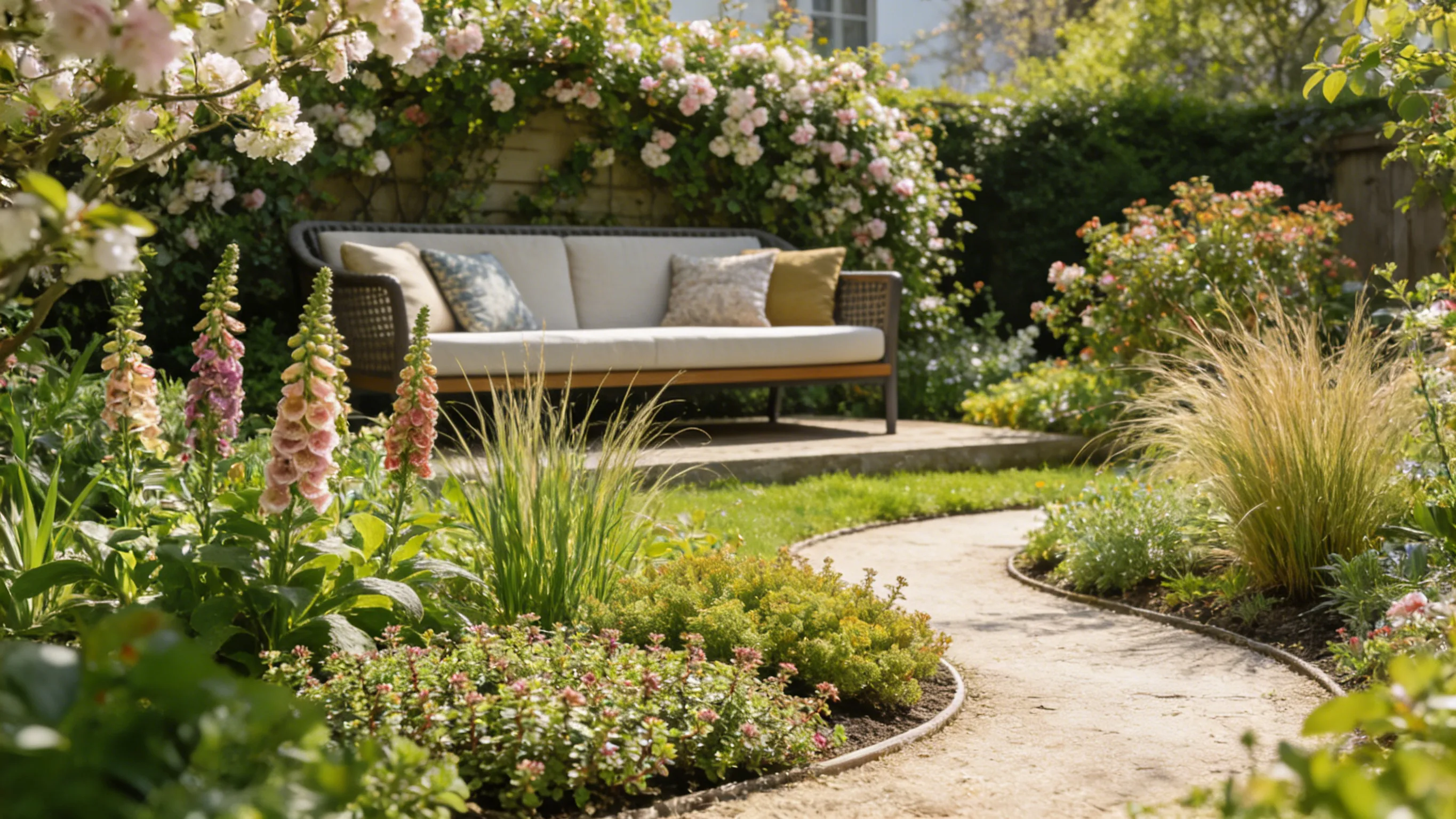
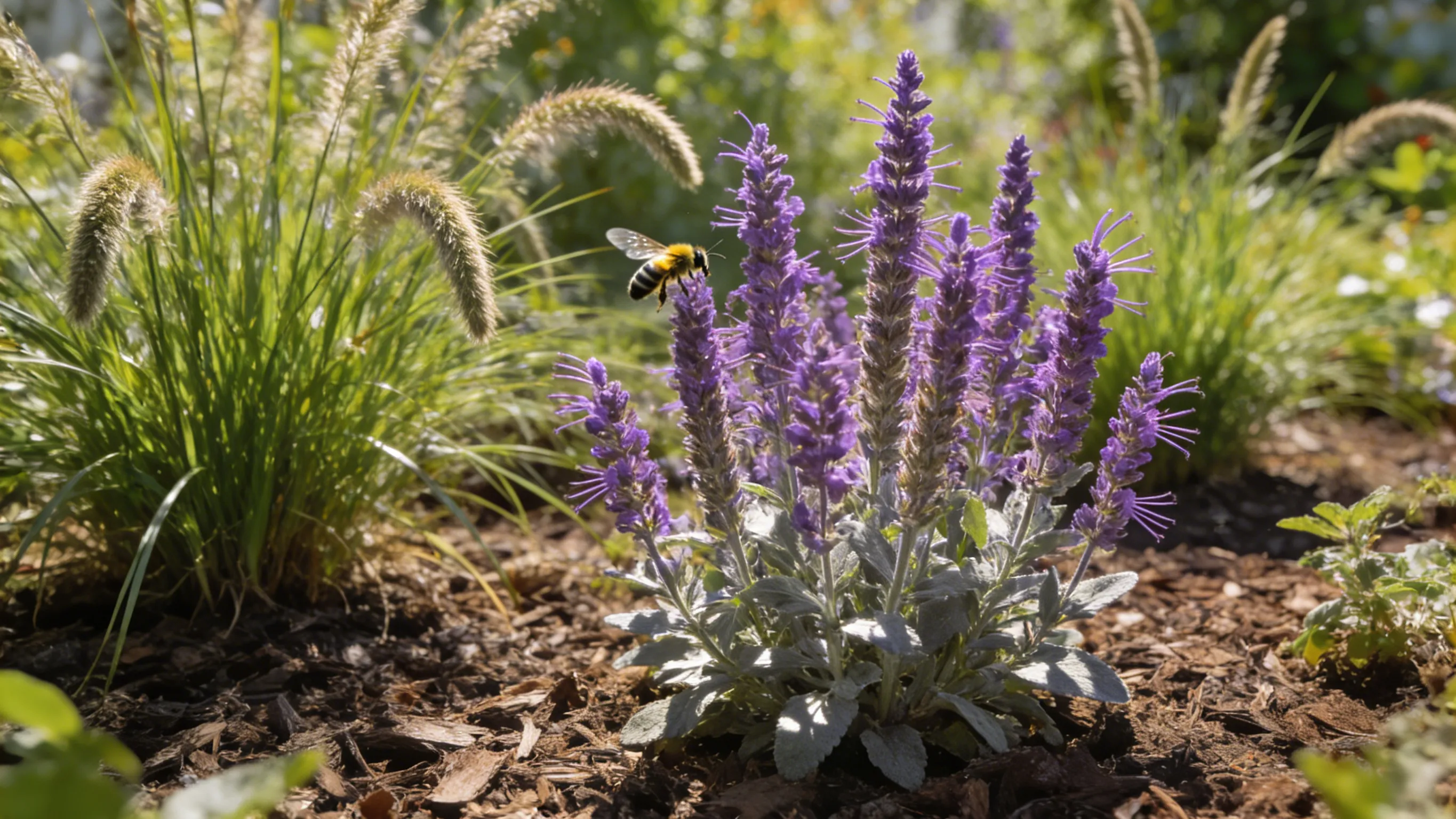
Is it a sanctuary for solitude? Perhaps your oasis is a retreat from digital noise, a place for reading, meditation, or simply breathing. Here, the design leans into enclosure and sensory immersion. Think of layers of sound—the rustle of bamboo (Fargesia), the trickle of a small fountain. Focus on texture and fragrance over garish color. A bench nestled among silvery lamb's ears (Stachys byzantina), billowing catmint (Nepeta), and the heady scent of Daphne odora or night-blooming jasmine creates a deeply personal refuge. "A garden should be a place where you lose track of time, not check it," observes landscape designer and author Piet Oudolf, a master of evocative, naturalistic planting.
Is it a theater for connection? For others, the garden is a stage for gathering. It needs flow, durable surfaces, and "social furniture"—a sturdy table, ample seating, perhaps an outdoor fireplace or fire pit. Planting here serves as both backdrop and participant. Low-maintenance, structural shrubs define spaces without obstructing sightlines. Containers overflowing with seasonal color provide flexible focal points. You might plant a "cocktail garden" with herbs for garnishes—mint, rosemary, thyme—right near the seating area. The goal is to create an inviting, fluid environment that encourages conversation and lingering long into the twilight.
Or is it a laboratory of abundance? The rise of the "grow-your-own" movement, especially among younger urbanites, speaks to a desire for tangible, delicious results. Your oasis might be a potager—a decorative kitchen garden where ruby-red lettuces intermingle with frilly carrots and nasturtiums. It’s about efficiency and yield in a beautiful package. Succession planting (sowing new seeds as crops are harvested) and vertical gardening (using trellises for beans, cucumbers, and even small melons) maximize space. The reward is a salad or meal imbued with the profound satisfaction of "I grew this."
Most gardens are a blend of these purposes. The key is to identify the dominant theme. This clarity becomes your compass, preventing the common pitfall of a disjointed collection of plants that "look nice" but lack a cohesive soul.
The Blueprint: Designing with Layers and Rhythm
Now, we marry the practical (what your space is) with the aspirational (what you want it to be) through design. Forget rigid, geometric formal gardens unless that brings you joy. For most, a naturalistic, layered approach feels more like an oasis.
Think in vertical layers, mimicking a forest edge:
- Canopy Layer: Small trees or large shrubs (e.g., Japanese maple, Cercis canadensis, lilac). These provide height, structure, and often seasonal drama.
- Understory Layer: Flowering shrubs and tall perennials (e.g., hydrangeas, panicle hydrangeas, Echinacea, ornamental grasses). This is the body of your planting.
- Ground Layer: Low-growing perennials and groundcovers (e.g., creeping thyme, Geranium macrorrhizum, heuchera). They knit the earth together, suppressing weeds and adding texture at foot level.
- Vertical Layer: Climbers and vines (e.g., clematis, honeysuckle, climbing roses). They add romance, using fences, walls, and arbors to add a sense of lush enclosure.
Within these layers, employ rhythm and repetition. This is what separates a professional-looking planting from a chaotic one. Don’t buy one of everything. Choose three to five key perennial "anchor" plants and repeat them in drifts throughout the beds. This creates visual harmony and leads the eye through the space. Intersperse these with seasonal "fillers"—annuals like cosmos, zinnias, or sweet peas—that provide bursts of color and can be changed yearly.
Color theory is a personal choice. A monochromatic scheme (all shades of green and white) is serene and sophisticated, making a small space feel larger. An analogous scheme (colors next on the wheel, like blue, purple, and pink) is harmonious and soothing. A complementary scheme (opposites like purple and yellow) is vibrant and energetic. My own small city garden is built on a palette of chartreuse, silver, and deep purple—a combination I find both energizing and calming at dusk.
Crucially, embrace succession. Your spring oasis shouldn’t peak in May and then fizzle. Plan for a sequence of interest. Early spring bulbs (crocus, scilla) give way to late spring tulips and alliums. These fade into the foliage of emerging perennials, which then bloom through summer. In fall, grasses and seed heads (leave them for the birds!) provide structure, and perhaps a late-blooming aster or sedum adds final color. As the late garden writer Christopher Lloyd famously championed at Great Dixter, a garden should have "something of interest every day of the year," even if that interest is the architectural skeleton of a plant against winter frost.
The Act of Cultivation: From Plan to Planting
With a plan sketched—even a rough one on a napkin—the tangible work begins. Source your plants wisely. Seek out local, specialized nurseries over big-box stores for healthier stock and expert advice. Increasingly, gardeners are considering the ecological footprint of their oasis. The "right plant, right place" philosophy minimizes the need for water, fertilizer, and pesticides. Consider incorporating native plants; they’ve co-evolved with local pollinators and birds, turning your garden into a vital link in the local ecosystem. Research from organizations like the Xerces Society for Invertebrate Conservation shows that even small urban gardens planted with natives can significantly boost populations of crucial pollinators.
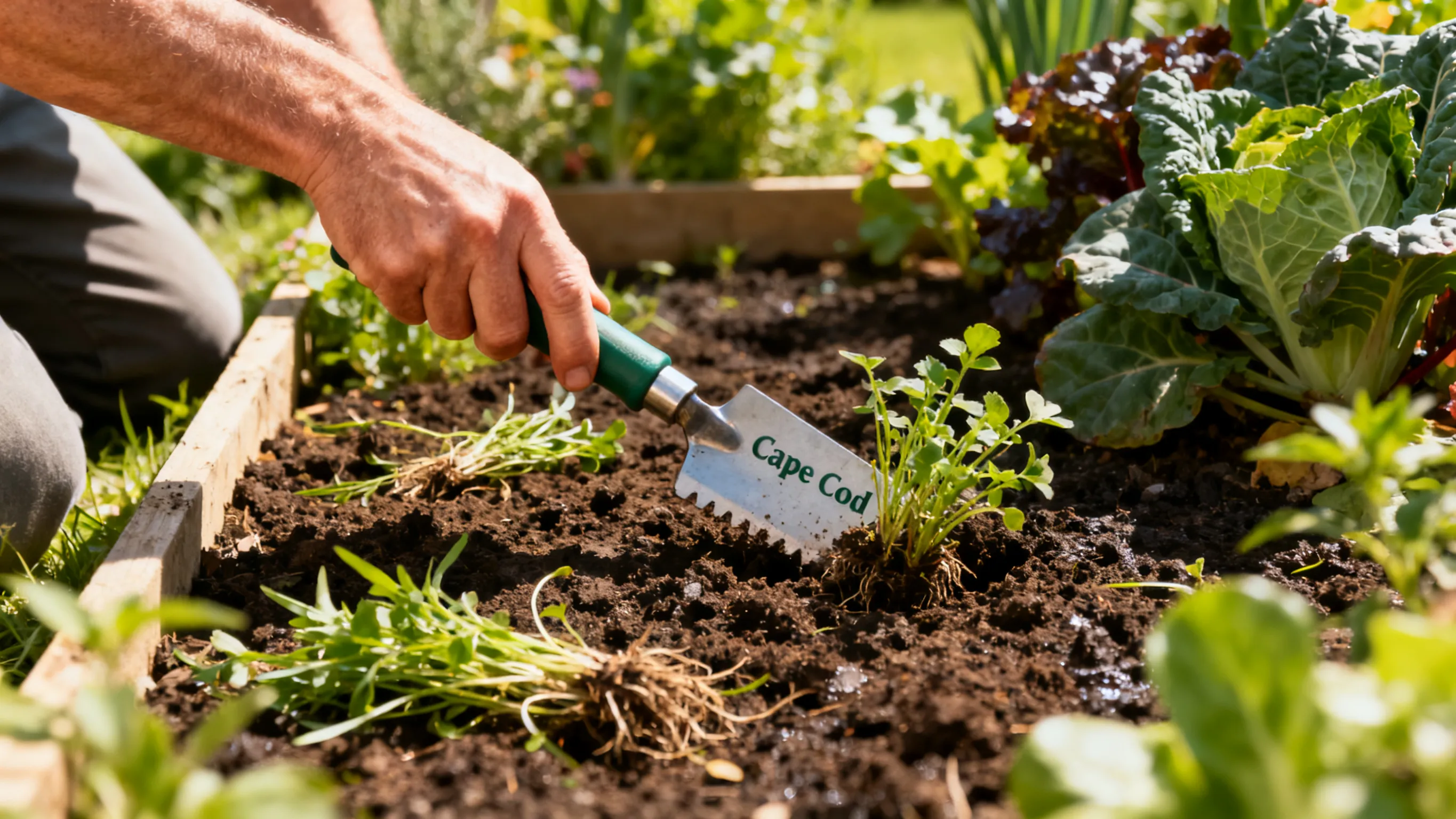
Plant with patience and care. The old adage "a $5 plant in a $50 hole" holds true. Dig a hole twice as wide as the root ball but no deeper. Gently tease out circling roots. Backfill with the native soil, perhaps amended with a little compost, and water deeply to settle. Mulch is your garden’s best friend—a 2-3 inch layer of shredded bark or compost conserves moisture, suppresses weeds, and gradually enriches the soil.
Finally, adopt a steward’s mindset. Your garden is not a static product to be installed and finished; it’s a dynamic relationship. You will learn its moods—which corner stays damp, which rose is prone to blackspot. You will make mistakes; a plant will die, or a color combination will clash. This isn’t failure; it’s data. The most beautiful gardens are those that have been lived in and listened to, shaped gently over time by a caring hand.
The Unseen Harvest
The perfect spring oasis, then, is not defined by magazine-cover perfection or rare, finicky specimens. It is defined by its alignment. It fits its space, honors its light and soil. It fulfills a deeply personal need, whether for peace, community, or harvest. It engages the senses across seasons. And it is nurtured by a gardener who understands that the true goal is not control, but collaboration with nature.
The tangible rewards are obvious: the bouquet of homegrown flowers, the taste of a sun-warmed tomato, the dappled shade on a hot afternoon. But the deeper harvest is intangible. It’s the mindfulness developed while weeding. The resilience learned when a hailstorm damages precious blooms. The profound connection to the cycle of seasons—the eager anticipation of spring, the lush fullness of summer, the graceful letting go of autumn, the quiet rest of winter.
As you stand on the cusp of this gardening year, look at your space with new eyes. See its potential not as a burden of work, but as an invitation to create. Plan with heart and intelligence, plant with hope, and tend with consistency. The oasis you create will, in turn, nurture you. It will be a living testament to the fact that in fostering growth in the earth, we inevitably foster it within ourselves. Your perfect spring oasis awaits—not in a catalogue, but in the thoughtful space between a dream and the first turned clod of earth.