Creative
From Windows to Weeds: Your Comprehensive Spring Home & Garden Guide
Author: Mia Turner

Spring arrives not with a bang, but with a slow, creeping warmth that coaxes life from the soil and a
peculiar restlessness from the human spirit. It’s a season that invites us to look beyond our
windowsills, past the glass panes that have framed our winter world, and into the burgeoning green chaos
of the garden. This year, perhaps more than ever, the act of cultivating life—whether in a sprawling
backyard or on a sunny apartment ledge—feels less like a hobby and more like a vital reconnection. This
guide isn't just about planting; it's about transforming your living space, both inside and out, into a
sanctuary of growth, tranquility, and sensory delight.
The Indoor Oasis: Where the Green Begins
It often starts with a single potted plant. A pothos trailing from a bookshelf, a succulent perched on a
windowsill—these are the gateway greens. But to elevate your indoor horticulture from mere decoration to
a core component of your home's well-being, a more intentional approach is needed.
Light, as any seasoned gardener will whisper, is everything. It’s the silent currency of plant life.
South-facing windows are the prime real estate, bathing plants in the generous, full sun that flowering
species like geraniums and jasmine crave. But what of the dimmer corners? This is where the elegant
resilience of plants like the snake plant or the ZZ plant shines. A study from the University of
Florida's Institute of Food and Agricultural Sciences notes that certain low-light plants not only
survive but can actively contribute to improved indoor air quality, processing volatile organic
compounds we unconsciously live with. It’s a quiet, symbiotic relationship.
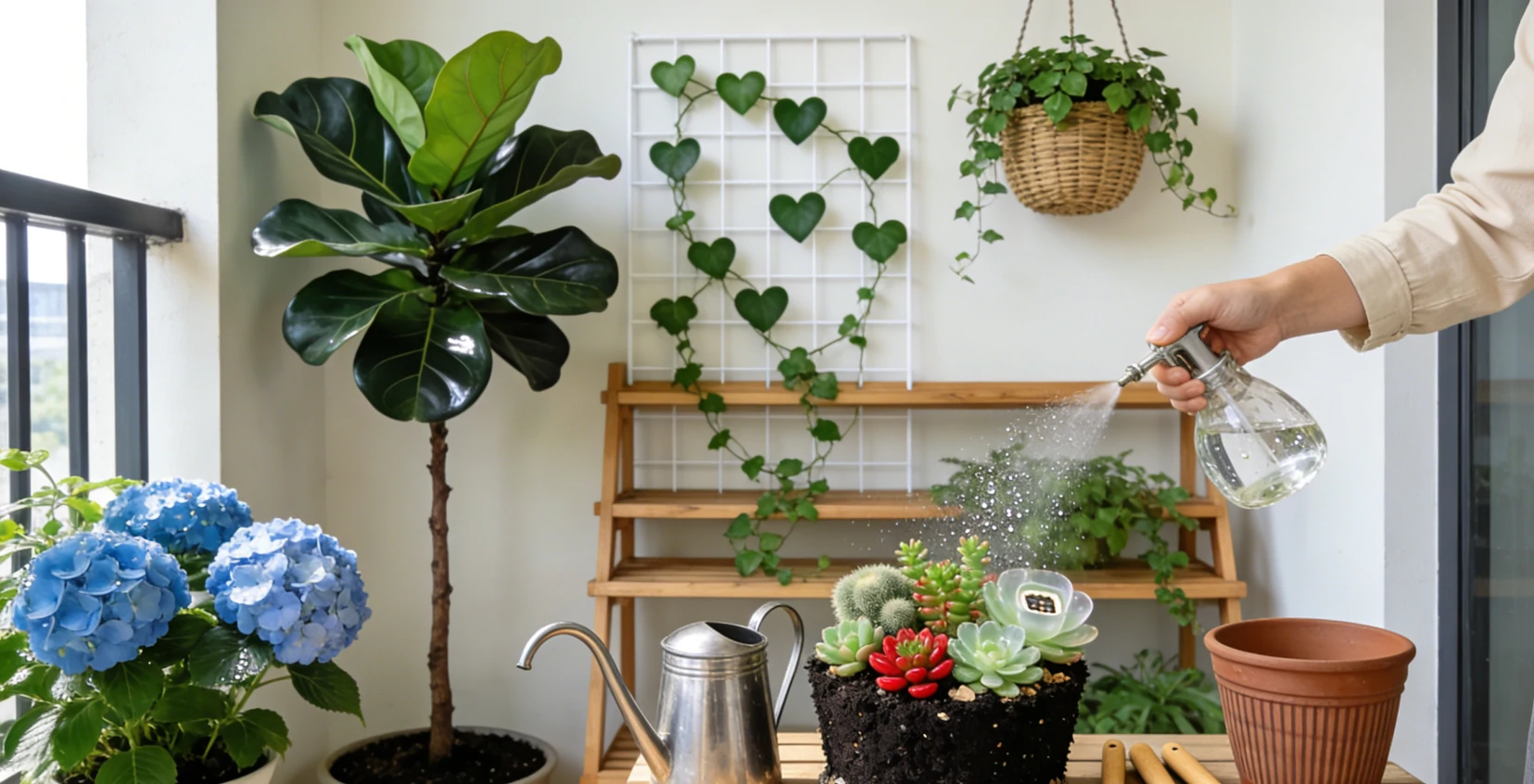
But let’s talk about the human element. I recall visiting a friend in her high-rise apartment last
spring. Her living room was a lush, layered tapestry of green. A large fiddle-leaf fig stood sentinel
near the balcony, while ferns spilled from macramé hangers, creating a living canopy. "It's my
anti-skyscraper," she told me, her hand brushing a philodendron leaf. "All that steel and glass
outside... this is my softness." Her words stuck with me. Horticulture indoors isn't just botany; it's
interior design for the soul. It’s about texture, height, and creating micro-habitats. Grouping plants
with similar humidity needs, for instance, can create a miniature ecosystem, a tiny cloud forest on your
credenza.
And then there’s the soil. It’s easy to buy a bag of potting mix and call it a day, but the true magic
lies beneath the surface. The move towards peat-free composts is gaining momentum, driven by an
awareness of the environmental cost of peatland harvesting. Partially replacing soil with coconut coir
or using compost enriched with worm castings can create a thriving substrate. Some experts argue that
the microbial life in such mixes—the tiny, unseen universe of bacteria and fungi—is as crucial to plant
health as the water and light we so carefully monitor.
The Great Transition: Hardening Off and the Art of Patience
As the threat of frost recedes, a tantalizing impulse takes hold: to move everything outside at once.
This, however, is a classic beginner's mistake that can scorch leaves and shatter a plant's spirit. The
process of "hardening off" is a lesson in gradual acclimatization, a slow dance between the sheltered
indoors and the raw outdoors.
For one to two weeks, your tender seedlings and houseplants need a gentle introduction. Start with a
shaded, sheltered spot for just an hour or two, gradually increasing their time outside and their
exposure to direct sun. I think of it as a plant's boot camp. You’ll see them respond—their stems
thickening, their leaves deepening in color as they build resilience. This period of transition is a
practice in mindfulness. It forces you to observe, to be present with the weather, to understand that
nature cannot be rushed. A sudden spring downpour, while hydrating, can be a brutal shock to a delicate
fern that’s known only the controlled environment of your living room. A little foresight, a watchful
eye, makes all the difference.
The Outdoor Canvas: Weeds, Seeds, and Soil Science
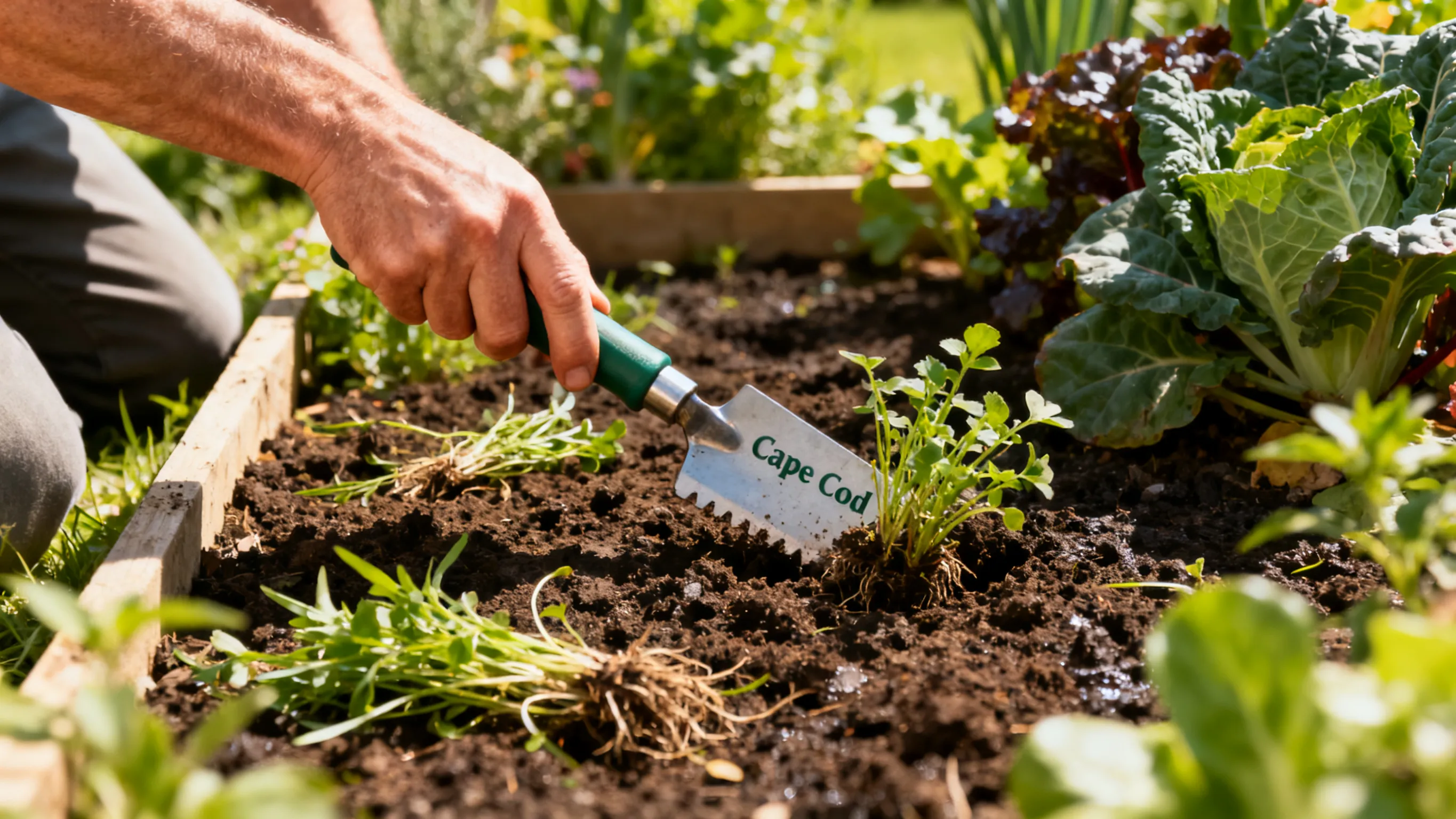
Stepping into the garden proper, the canvas is both literal and metaphorical. The first task is often to
confront the "weeds"—a term that is far more subjective than we admit. Is that dandelion a nuisance or a
source of early pollen for bees? The debate between manicured lawns and wildlife-friendly "rewilding" is
a heated one in horticultural circles. Perhaps the answer lies not in absolutes, but in managed chaos.
Allowing a corner of clover and native violets to flourish can support local ecosystems while reducing
the chemical load on your property.
When it comes to planting, the modern gardener is spoiled for choice, yet also burdened with
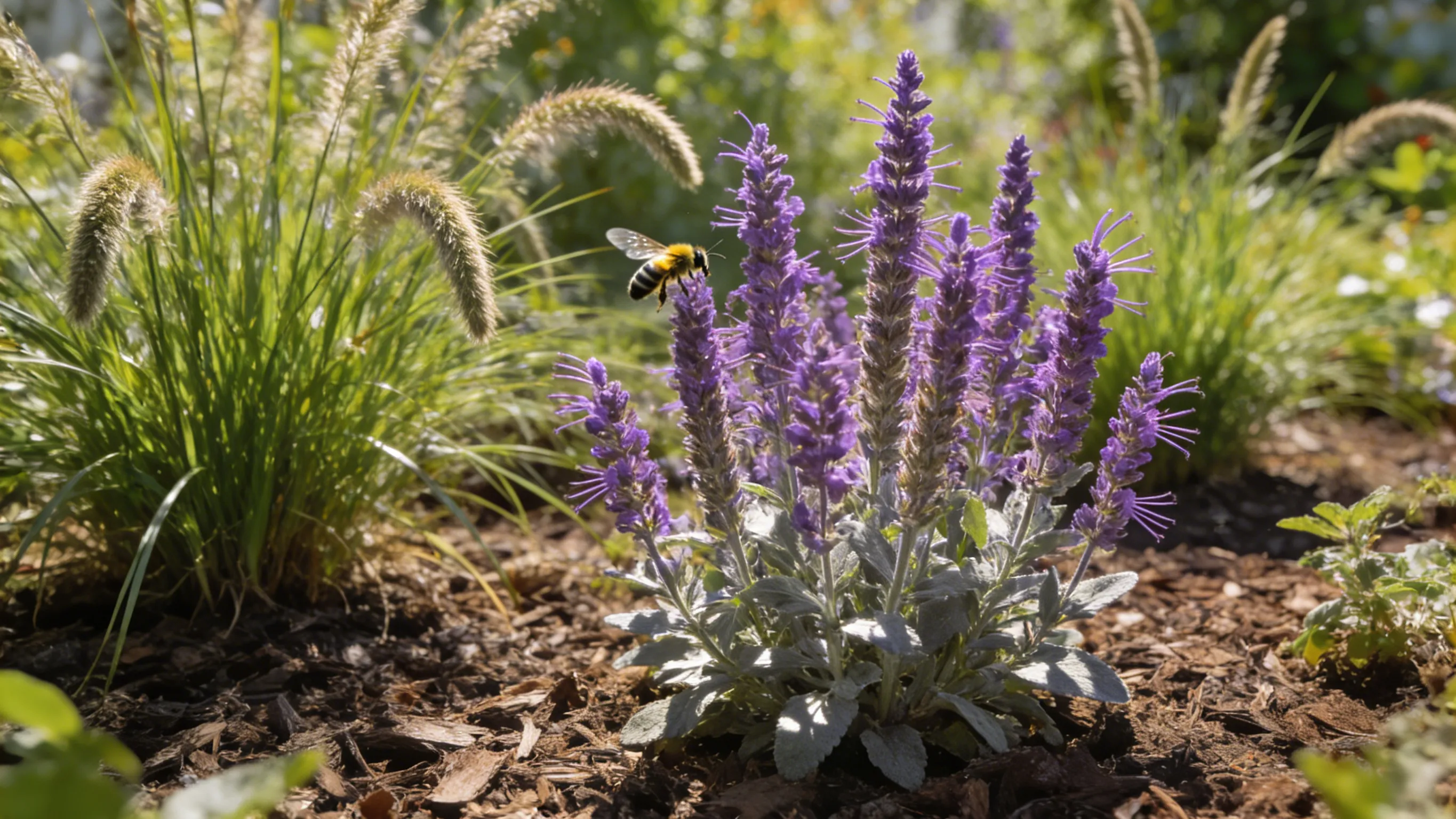
responsibility. The trend towards heirloom seeds and native plants is more than an aesthetic preference;
it's an ecological stance. Research from organizations like the Xerces Society for Invertebrate
Conservation consistently highlights how native plants support a vastly greater diversity of insect
life, which in turn supports birds and the entire local food web. Imagine your garden not as an isolated
plot, but as a node in a vast, interconnected network of life.
But what of the soil itself? It’s the foundation upon which everything is built. A simple jar test can
reveal your soil’s texture—the balance of sand, silt, and clay. This knowledge is power. Heavy clay soil
can be amended with gypsum and organic matter to improve drainage, while sandy soil benefits from
copious amounts of compost to retain moisture and nutrients. The old adage, "feed the soil, not the
plant," has never been more relevant. By creating a rich, living soil, you eliminate the need for
constant, synthetic fertilization. It’s a long-term investment in the health of your land.
Companion planting, an ancient practice validated by modern science, offers a clever way to deter pests
and enhance growth. The classic example is the "Three Sisters" method used by Indigenous peoples of the
Americas: corn provides a structure for beans to climb, the beans fix nitrogen in the soil, and squash
leaves shade the ground, suppressing weeds. In a smaller-scale garden, planting fragrant basil near
tomatoes is said to repel tomato hornworms, while marigolds scattered throughout a vegetable patch can
nematode populations in check. It’s a strategic, beautiful form of biomimicry.
The Finishing Touches: From Harvest to Home
The culmination of the spring garden is, of course, the harvest. But the journey doesn’t end at the back
door. Integrating your harvest into your home life completes the cycle.
Cut flowers are the most immediate reward. A vase of homegrown zinnias or sweet peas on the dining table
is a shot of pure joy. The practice of "succession planting"—sowing new seeds every few weeks—ensures a
continuous supply of blooms deep into the fall. And then there’s the kitchen. A simple basil plant on
the windowsill transforms a mundane pasta dish into a fragrant masterpiece. A handful of freshly cut
chives sprinkled over a soup, the crisp snap of a homegrown radish—these are the small, profound
luxuries that horticulture affords.
For those with a larger yield, preserving the harvest becomes a rewarding ritual. Making pesto to
freeze, drying herbs, or pickling vegetables are ways to extend the taste of spring into the darker
months. It’s a tangible connection to your labor, a jar of sunshine stored away.
Ultimately, the journey from windows to weeds is a deeply personal one. It’s about getting your hands
dirty, learning from failures, and celebrating small victories—the first tomato, the emergence of a
seedling, the return of a butterfly to a buddleia you planted. It’s a practice that grounds us,
literally and figuratively. In a world of digital abstraction, the garden remains stubbornly,
beautifully real. It teaches patience, nurtures resilience, and offers a quiet space for the mind to
wander. So this spring, look out your window, and then step outside. Your comprehensive guide ends here,
but your own unique story in the garden is just beginning.