Creative
Beyond Spring Cleaning: How Gardening Boosts Your Well-being
Author: Mia Turner

In the quiet corners of our lives, between the hum of the refrigerator and the glow of screens,
something ancient stirs. It’s a whisper from the soil, a call to dig, plant, and nurture. While spring
cleaning clears away the dust of winter, gardening does something far more profound: it cleanses the
soul. Horticulture, once seen as a leisurely pastime, is now backed by science as a powerful tool for
enhancing mental, emotional, and even physical health. Let’s explore how turning soil can turn your life
around.
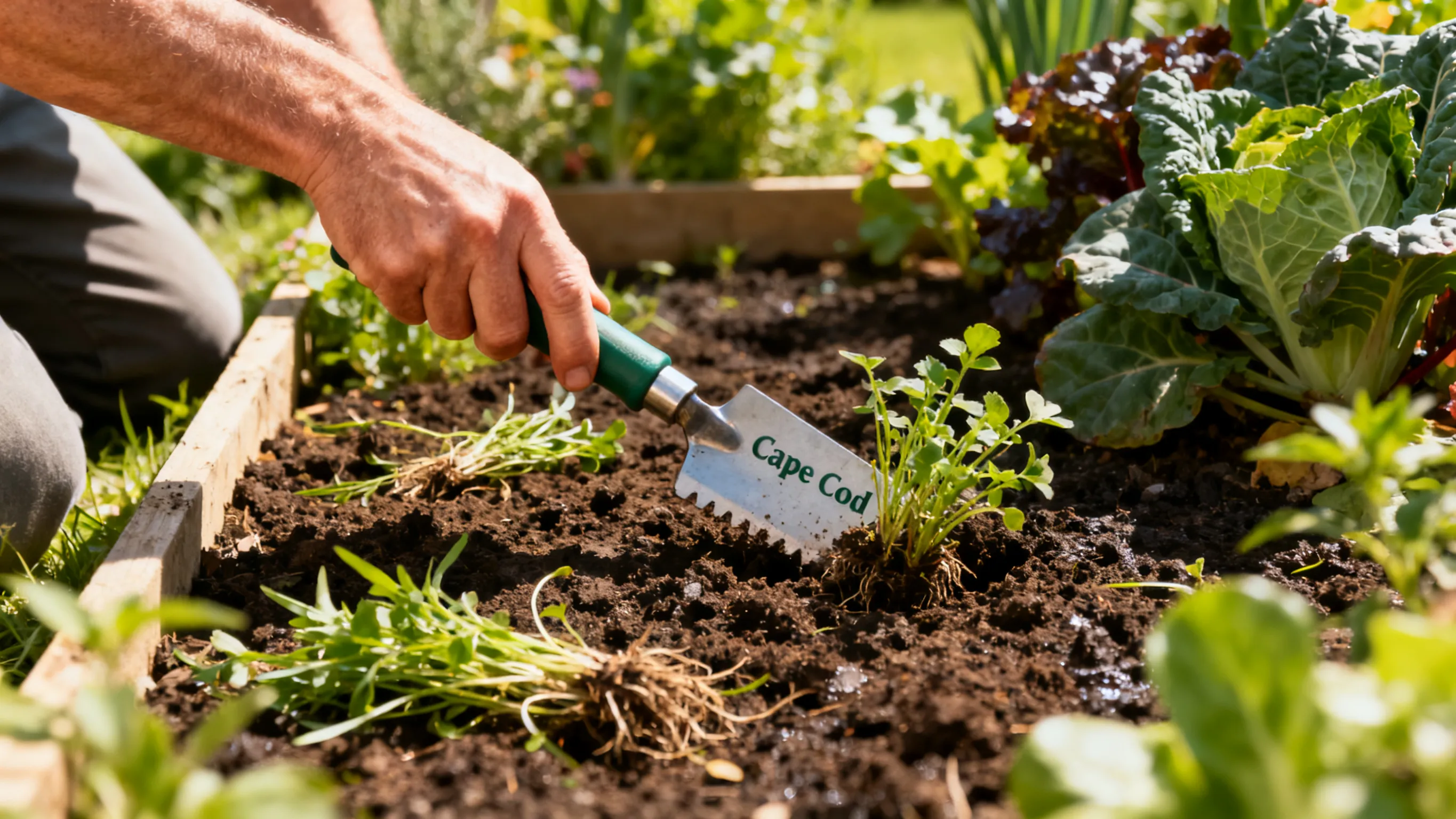
The Unseen Roots: Mental Clarity in a Trowel’s Grasp
Dr. Emma Richardson, a psychologist specializing in ecotherapy, notes, “Gardening engages the brain in a
way that is both meditative and purposeful. It pulls us into the present moment, much like mindfulness
practices.�?When your hands are buried in soil, the mind’s incessant chatter often fades. The rhythmic
actions—digging, weeding, pruning—create a cadence that soothes the nervous system. Perhaps it’s no
surprise that studies, such as one published in the Journal of Health Psychology, have linked
gardening to reduced cortisol levels, the hormone associated with stress.
But it’s not just about stress relief. Gardening introduces a gentle unpredictability that keeps the
mind agile. One day, a seedling thrives; the next, it might wilt. This dance with nature teaches
resilience. As author and gardener Robin Wall Kimmerer once wrote, “Plants teach in a language without
words, a silent curriculum of patience and attention.�?For urban dwellers like Sarah Jenkins, a graphic
designer from Seattle, her small balcony garden became an anchor. “After long hours in front of a
screen, tending to my herbs feels like hitting a reset button. The colors, the smells—it’s a sensory
reboot.�?/p>
Blooms of Belonging: Community and Connection
Beyond individual well-being, gardening weaves threads of connection. Community gardens, for instance,
have sprouted in cities worldwide, transforming vacant lots into vibrant social hubs. Research from the
University of Westminster suggests that these spaces foster social cohesion, bridging gaps across ages
and cultures. In Berlin’s Prinzessinnengärten, once a derelict plot, neighbors now gather to share
seeds, stories, and soups made from their harvest. “It’s not just about growing food,�?says co-founder
Marco Clausen. “It’s about growing relationships.�?/p>
Even in solitary gardening, there’s a kinship with the natural world. The act of nurturing a
plant—watching it stretch toward the sun, responding to its needs—mirrors the care we extend to others.
This symbiotic relationship may explain why gardeners often report heightened empathy. As one study in
the Journal of Environmental Psychology posits, working with plants can enhance our sense of
interconnectedness, a balm for the loneliness epidemic of modern life.
The Physical Harvest: More Than Fresh Produce
While the mental benefits are profound, the physical rewards of gardening are equally compelling.
Digging, lifting, and planting constitute moderate exercise, burning calories and improving
cardiovascular health. The American Heart Association lists gardening as a recommended activity for
maintaining heart health, noting its low-impact nature makes it accessible to all ages.
Then there’s the nutritional payoff. Homegrown vegetables, free from pesticides and travel miles, pack a
punch of flavor and nutrients. Tomatoes plucked warm from the vine, crisp lettuce leaves, fragrant
basil—these aren’t just ingredients; they’re trophies of labor. For families, gardening can reshape
eating habits. A report by the Royal Horticultural Society observed that children who participate in
growing food are more likely to try new vegetables, turning mealtime into an adventure.
Yet, the benefits extend beyond the tangible. Exposure to soil microbes, like
Mycobacterium vaccae, has been linked to boosted serotonin levels, according to research from
the University of Bristol. Dirt, it seems, might be a natural antidepressant.
Seasons of the Self: Gardening as a Metaphor for Growth
Gardening is a mirror. In it, we see cycles of growth, decay, and renewal that echo our own lives. The
stubborn weed that regrows after being pulled reminds us of resilience; the perennial that blooms year
after year speaks to endurance. This metaphorical richness makes gardening a tool for introspection.
Some therapists have even integrated horticulture into practices for grief and trauma recovery. “Tending
a garden allows people to externalize their struggles,�?says Dr. Liam Foster, a clinical therapist. “A
plant’s survival becomes a symbol of their own.�?For Elena Rodriguez, who took up gardening after losing
her job, nurturing roses became a way to rebuild confidence. “Each new bud felt like a small victory, a
reminder that I could create beauty again.�?/p>
Cultivating Your Patch: Practical Steps to Begin
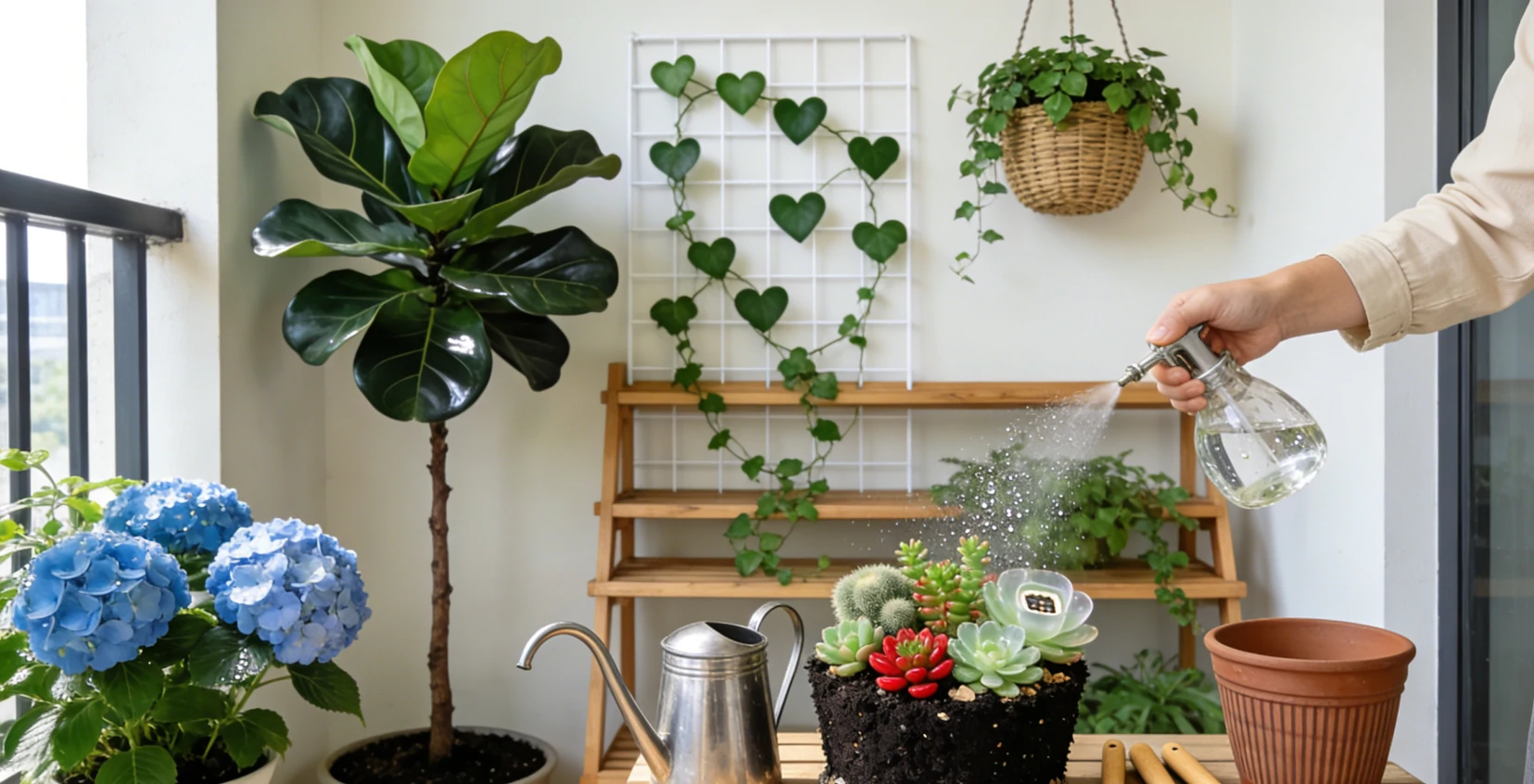
You don’t need a sprawling yard to reap these rewards. A windowsill of herbs, a hanging basket of
strawberries, or a countertop hydroponic kit can be your starting point. Start small—perhaps with
succulents or mint, which are forgiving to novice hands. Local nurseries and online forums, like the
r/gardening subreddit, offer tailored advice for your climate and space.
Remember, gardening is a dialogue with nature, not a monologue. Listen to your plants. Notice the way
leaves curl when thirsty or how stems lean toward light. Embrace failures—the wilted seedling, the aphid
invasion—as lessons rather than defeats. As the poet Alfred Austin noted, “The glory of gardening: hands
in the dirt, head in the sun, heart with nature.�?/p>
Conclusion: A Garden of Well-being
In an era of digital saturation and hurried lives, gardening offers an antidote: a return to rhythm, to
seasons, to soil. It’s a practice that nourishes the mind, body, and spirit, weaving together science
and soul. So, the next time you feel the urge to clear clutter, consider reaching for a trowel instead.
Beyond spring cleaning lies a deeper renewal—one that grows, blooms, and sustains.
Perhaps it’s time to let the earth teach you what it knows.